
 Email Us
 Contact us
 Whats App
Single family home

The rapid growth of residential solar energy has changed how homeowners manage electricity. Instead of relying entirely on the grid, more households are installing solar panels combined with battery storage systems to improve energy independence, reduce electricity costs, and maintain reliable power during outages.
However, solar panels alone cannot provide continuous power after sunset or during grid failures. A reliable home energy storage battery is required to store excess solar energy and deliver electricity when demand increases.
Among different residential storage solutions, the 51.2V home battery has become one of the most widely adopted configurations for solar backup applications. Based on lithium iron phosphate (LiFePO4) technology, a 51.2V battery system offers a combination of safety, long cycle life, high efficiency, and flexible scalability.
For homeowners, installers, and energy system integrators, choosing the right battery requires more than comparing capacity numbers. Battery chemistry, inverter compatibility, system design, manufacturing quality, and future expansion capability all influence long-term performance.
From a battery manufacturer’s perspective, many residential energy storage projects do not fail because of battery technology itself. Instead, problems often come from incorrect capacity planning, unsuitable system matching, or selecting suppliers without sufficient technical support.
This guide explains how to select a reliable 51.2V lithium battery for solar backup systems, including key technical factors, capacity selection, installation considerations, and what buyers should evaluate when choosing an energy storage supplier.
The voltage configuration of a battery system directly affects efficiency, current requirements, and compatibility with other electrical equipment.
A 51.2V lithium battery is typically built using sixteen 3.2V LiFePO4 cells connected in series. This configuration has become a popular standard for residential energy storage because it provides a practical balance between power output and system safety.
Compared with lower-voltage battery systems, 51.2V solutions can deliver the same power with lower current. Lower current helps reduce cable losses, improve energy efficiency, and make system installation easier.
For residential solar applications, a 51.2V battery system is commonly used for:
· Solar self-consumption
· Backup power during outages
· Off-grid homes
· Whole-house energy storage
· Hybrid solar systems
The growing adoption of 51.2V home batteries is also driven by their compatibility with many residential solar inverters and energy management platforms.
Although 48V systems have been used in backup power applications for many years, modern residential energy storage has increasingly moved toward 51.2V LiFePO4 configurations.
The difference is not only the voltage value. The battery chemistry, internal design, BMS protection, and manufacturing process determine the actual performance of the system.
Comparison Item | Traditional 48V Battery System | 51.2V LiFePO4 Battery System |
Battery Chemistry | Lead-acid or different lithium types | Lithium iron phosphate |
Cell Configuration | Depends on battery design | 16S LiFePO4 cells |
Energy Efficiency | Lower in many applications | Higher charging and discharging efficiency |
Cycle Life | Usually shorter | Thousands of cycles with proper management |
Maintenance Requirement | More frequent maintenance | Low maintenance operation |
Typical Application | Basic backup power | Residential solar storage and ESS |
For residential users who need daily charging and discharging, a properly designed 51.2V LiFePO4 battery provides better long-term value compared with traditional battery technologies.
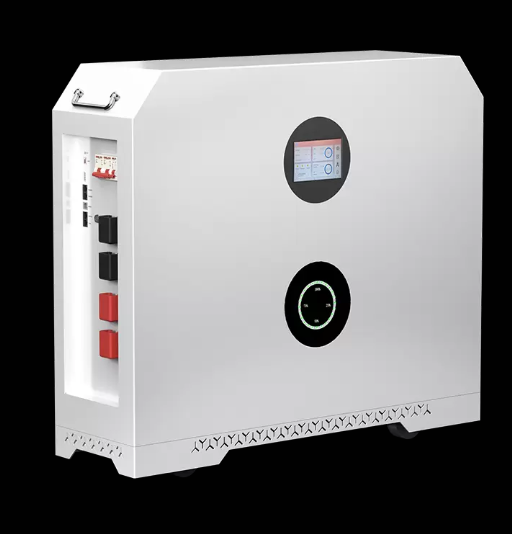
Battery capacity is important, but it is not the only factor that determines system reliability.
A high-quality LiFePO4 home battery storage system depends on several critical components, including battery cells, battery management systems, thermal design, and manufacturing control.
The battery cell is the foundation of any energy storage system.
Professional manufacturers focus on:
· Cell quality selection
· Internal resistance matching
· Capacity consistency
· Batch performance testing
Even when two batteries use the same LiFePO4 chemistry, their actual performance can be very different depending on cell quality.
Poor cell consistency may lead to:
· Uneven charging and discharging
· Faster capacity degradation
· Reduced usable energy
· Shorter battery lifespan
For this reason, experienced battery manufacturers perform cell testing and matching before assembly.
The BMS is the control center of a residential energy storage battery.
A reliable BMS protects the battery by monitoring real-time operating conditions, including:
· Voltage
· Current
· Temperature
· Charging status
· Discharging status
· Cell balance
A professional BMS should provide protection functions such as:
· Overcharge protection
· Over-discharge protection
· Short circuit protection
· Over-temperature protection
· Over-current protection
For solar applications, BMS communication is also important because the battery needs to exchange information with the inverter system.
Common communication methods include:
· CAN communication
· RS485 communication
Without proper communication, the inverter may not accurately manage battery charging and discharging.
From a manufacturer’s perspective, producing a reliable home energy storage battery is not simply assembling battery cells into a pack.
A complete production process usually includes:
Checking:
· Voltage consistency
· Capacity performance
· Internal resistance
Ensuring:
· Correct electrical connection
· Mechanical stability
· Safety protection
Testing:
· Protection parameters
· Communication functions
· Charging and discharging control
The assembled battery undergoes repeated charging and discharging tests to verify:
· Actual capacity
· System stability
· Abnormal conditions response
These manufacturing steps directly affect the reliability of the final battery system installed in homes.
Selecting the correct capacity is one of the most important decisions when purchasing a residential energy storage system.
A battery that is too small may not provide enough backup time, while an oversized system can increase investment costs without improving actual energy usage.
Battery sizing should consider:
· Household daily electricity consumption
· Solar panel output
· Backup time requirements
· Peak power demand
· Future expansion plans
Battery Configuration | Approximate Energy Capacity | Suitable Application |
51.2V 100Ah Lithium Battery | 5.12kWh | Apartments, small homes, essential backup loads |
51.2V 200Ah Battery | 10.24kWh | Average residential solar energy storage |
51.2V 300Ah Home Battery | 15.36kWh | Whole-home backup and higher electricity demand |
A simple calculation method is:
Required Battery Capacity = Daily Electricity Consumption × Backup Days × System Efficiency Factor
For example:
A household uses approximately:
· 12kWh electricity per day
· Requires overnight backup
· Uses solar charging during daytime
A 10-15kWh battery system may be suitable depending on the backup requirements and available solar generation.
A 51.2V 300Ah home battery is often selected for larger homes because it provides approximately 15kWh of stored energy, allowing users to power essential household appliances for longer periods.
Many buyers only consider solar panel size when choosing battery capacity. However, battery selection should be based on actual energy usage.
Important questions include:
· Which appliances need backup power?
· How long should the system operate during outages?
· Is future solar expansion planned?
· Will electric vehicles or additional loads be added later?
A properly designed system balances current requirements with future energy needs.
Selecting a suitable 51.2V home battery is only one part of designing a reliable solar energy storage system. The battery must also work correctly with the solar inverter, otherwise the system may not achieve the expected charging efficiency, backup performance, or service life.
In residential projects, inverter compatibility is one of the most common issues overlooked by buyers. A battery with excellent specifications can still experience poor performance if communication, voltage range, or charging parameters do not match the inverter.
A complete solar battery storage system should be evaluated as an integrated solution, including:
· Solar panels
· Inverter
· Battery system
· Energy management platform
· Protection devices
Before selecting a battery backup for solar system, installers and distributors should confirm several technical parameters.
Check Point | Why It Matters |
Battery Voltage Range | Ensures the inverter can operate within the correct voltage window |
Communication Protocol | Allows the inverter and battery BMS to exchange operating data |
Charging Current | Determines how quickly the battery can be charged safely |
Discharge Current | Affects available backup power for household loads |
Inverter Output Power | Determines whether the system can support high-power appliances |
Most residential solar inverters are designed for specific battery voltage ranges. A 51.2V battery should match the inverter’s low-voltage battery input requirements.
Incorrect voltage matching may result in:
· Battery charging limitations
· Reduced system efficiency
· Communication errors
· Unexpected shutdowns
Professional system design requires checking inverter specifications before selecting the battery model.
Modern residential energy storage systems rely heavily on intelligent communication.
The battery BMS provides important information to the inverter, including:
· Remaining battery capacity
· Maximum charging current
· Maximum discharge current
· Battery temperature
· Protection status
Common communication protocols include CAN and RS485.
Without proper communication, the inverter may not correctly understand the battery condition, which can affect charging efficiency and battery protection.
From a manufacturing perspective, battery suppliers should provide compatible communication protocols and technical documentation to simplify installation.
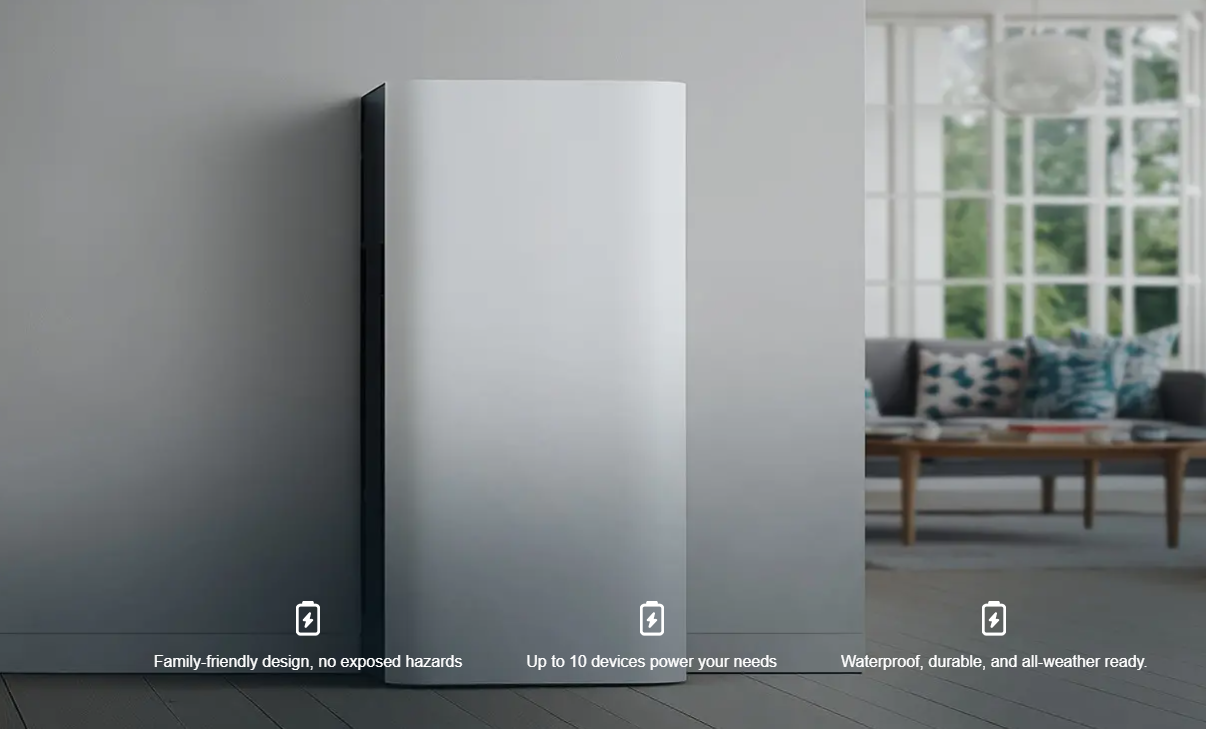
Residential energy requirements are changing. A household may initially require basic backup power but later add more appliances, electric vehicles, or additional solar capacity.
This has increased demand for stackable home battery systems and modular energy storage solutions.
Unlike fixed-capacity batteries, modular systems allow users to expand storage capacity according to future needs.
For example:
A homeowner may begin with:
· 10kWh energy storage capacity
After increasing electricity demand:
· Add additional battery modules
Final configuration:
· 20kWh or higher storage capacity
This approach reduces the need for replacing the entire system.
One of the biggest advantages of modular battery storage is scalability.
Users can select a suitable initial capacity and expand later when required.
This is especially useful for:
· Growing households
· Villas
· Small commercial buildings
· Off-grid applications
A scalable system reduces initial investment pressure while maintaining future upgrade possibilities.
Large battery cabinets can create challenges during transportation and installation, especially in residential environments.
A modular battery design offers:
· Smaller individual units
· Easier handling
· Flexible installation locations
· Simplified maintenance
For installers, this can reduce project complexity and installation time.
A stackable energy storage battery can support various scenarios, including:
· Residential solar backup
· Whole-house backup power
· Off-grid homes
· Remote areas
· Small commercial applications
This flexibility makes modular systems increasingly popular among energy storage installers and distributors.
Many homeowners associate battery storage only with solar panels. However, a home battery without solar can also provide valuable energy management and backup functions.
A standalone battery system can charge electricity from the grid and store energy for later use.
This solution is becoming more attractive in regions where:
· Electricity prices vary throughout the day
· Grid interruptions occur frequently
· Solar installation is planned for the future
· Users want backup power immediately
A standalone energy storage system operates through a simple process:
Grid electricity → Battery charging → Energy storage → Household power supply
During low electricity price periods, the battery can charge from the grid.
During:
· Peak electricity pricing
· Power outages
· High-demand periods
The stored energy can be used to supply household loads.
A standalone battery can support essential household equipment, including:
· Refrigerators
· Lighting
· Internet equipment
· Security systems
· Home office equipment
This makes it a practical alternative for users who need emergency power without installing solar immediately.
A high-quality residential energy storage battery should support future expansion.
Homeowners can install the battery first and add solar panels later.
This provides a flexible pathway toward a complete:
· Solar battery storage system
· Hybrid energy system
· Home energy management solution
For distributors, installers, and project developers, choosing the right supplier is as important as selecting the battery specifications.
A reliable home energy storage battery manufacturer should provide not only products but also technical support, documentation, and long-term service.
A professional battery factory should have control over the complete production process.
Important capabilities include:
The manufacturer should have standardized production procedures for:
· Cell arrangement
· Module assembly
· Electrical connection
· Housing installation
Quality control should include:
· Incoming material inspection
· Battery performance testing
· Safety verification
· Final product inspection
Before shipment, batteries should be tested under different operating conditions to verify:
· Capacity performance
· Charging stability
· Discharging reliability
When evaluating suppliers, buyers should consider:
Questions to ask:
· What battery chemistry is used?
· What type of cells are installed?
· What BMS functions are included?
· What inverter brands are compatible?
Important factors:
· Production capacity
· Quality management system
· Engineering support
· Customization capability
A reliable supplier should provide:
· Installation guidance
· Technical documentation
· Warranty support
· Troubleshooting assistance
For international customers, supplier support is especially important because residential energy storage systems often require technical coordination during installation.
Choosing a battery system based only on price or capacity can create long-term problems.
The following mistakes are commonly seen in residential projects.
Solar panel output and battery capacity are related, but they are not the same.
A large solar system does not always require the largest battery.
Battery selection should consider:
· Actual household consumption
· Backup requirements
· Energy usage patterns
A battery and inverter should be designed as a complete system.
Ignoring compatibility may result in:
· Communication problems
· Reduced performance
· Installation delays
Always confirm technical compatibility before purchasing.
The lowest-cost battery may not provide the best long-term value.
Important factors beyond price include:
· Cell quality
· Manufacturing process
· Warranty terms
· Technical support
· Product reliability
A reliable supplier helps reduce future maintenance costs and project risks.
Energy demand often increases over time.
A battery system without expansion capability may require complete replacement in the future.
Choosing a modular or stackable solution provides greater flexibility.
A high-quality 51.2V LiFePO4 battery can provide thousands of charge and discharge cycles when properly designed and operated. Actual lifespan depends on usage conditions, depth of discharge, temperature, and battery management quality.
For modern residential solar storage applications, a 51.2V LiFePO4 battery provides advantages in efficiency, cycle life, and compatibility with many residential ESS platforms. However, the best choice depends on the complete system design.
Yes. A home battery can operate as a standalone energy storage system by charging from the grid. Solar panels can be added later for greater energy independence.
The suitable battery size depends on household electricity consumption and backup requirements. Many 5kW solar systems use battery capacities between 5kWh and 15kWh depending on daily energy usage.
Yes. One of the main advantages of stackable battery systems is the ability to add additional modules as energy requirements increase.
Buyers should evaluate:
· Battery technology
· Production capability
· Quality control process
· Inverter compatibility
· Warranty and technical support
Choosing the right 51.2V home energy storage battery for solar backup systems requires evaluating more than battery capacity. A reliable solution depends on battery chemistry, system compatibility, manufacturing quality, and future expansion capability.
For residential solar applications, LiFePO4-based 51.2V batteries provide a practical combination of safety, efficiency, and long service life. Modular designs further improve flexibility by allowing homeowners and installers to expand storage capacity as energy needs grow.
For buyers selecting a residential energy storage supplier, working with an experienced manufacturer ensures better product reliability, technical support, and long-term system performance.


Compact, quiet, and powerful, it keeps your essentials running during outages and lets you charge anywhere with solar power or grid power.
Perfect for renters who need flexibility without compromise.
Our estimator is only set up to provide preliminary estimates and installer information to residents of single family homes.