
 Email Us
 Contact us
 Whats App
Single family home

Energy systems are undergoing a major transition. Rising electricity prices, unstable grid conditions, and the rapid adoption of renewable energy are pushing homeowners and businesses to rethink how they generate, store, and use electricity.
In the past, backup power mainly depended on diesel generators or traditional UPS systems. While these solutions can provide emergency electricity, they also bring challenges such as fuel dependency, noise, maintenance costs, and limited operating flexibility.
Today, battery energy storage systems are becoming a more efficient alternative. By storing electricity when energy is available and releasing it when demand increases, modern storage systems help users improve energy independence, reduce electricity costs, and create a more reliable power supply.
For residential applications, a home energy storage system can store excess solar energy during the day and provide electricity at night or during grid outages. For commercial users, a commercial battery storage system can support peak shaving, demand management, and backup power for critical operations.
However, choosing the right storage system requires more than simply comparing battery capacity. Factors such as battery chemistry, system architecture, safety design, and supplier capability all determine long-term performance.
A battery energy storage system (BESS) is an integrated energy solution that combines battery modules, battery management technology, power conversion equipment, and intelligent control systems.
Unlike a standalone battery pack, a complete energy storage system is designed to manage the entire energy process, including charging, storage, conversion, and distribution.
A typical system includes four key parts:
System Component | Function | Importance |
Battery Module | Stores electrical energy | Determines available capacity and cycle performance |
Battery Management System (BMS) | Monitors voltage, temperature, and battery status | Protects safety and extends battery lifespan |
Inverter / PCS | Converts DC power into usable AC electricity | Enables connection with homes, businesses, and grids |
Energy Management System (EMS) | Controls energy scheduling | Improves efficiency and energy utilization |
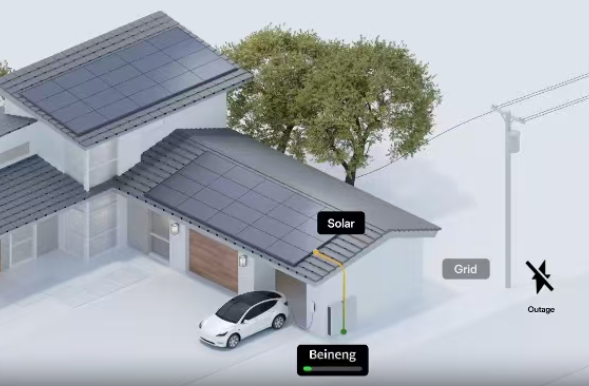
During normal operation, electricity can come from solar panels or the grid. The system stores excess energy and automatically supplies power when needed.
For example, in a residential solar application:
· Solar panels generate electricity during daylight hours.
· Household loads consume available solar power first.
· Surplus energy charges the battery.
· Stored energy powers the home when solar production decreases.
During a power outage, the system switches to backup mode and continues supplying electricity to selected loads.
This intelligent energy flow is why modern solar battery storage systems are becoming increasingly important for energy independence.
Residential energy storage is no longer limited to off-grid homes or areas with unreliable electricity. More homeowners are adopting battery storage because it provides practical benefits in everyday energy management.
A traditional home relies completely on the electrical grid. When the grid fails, household electricity stops immediately.
A residential energy storage system creates an additional energy source that can maintain essential household functions during outages.
Typical backup loads include:
· Lighting systems
· Refrigerators
· Internet equipment
· Security devices
· Home office equipment
For regions affected by storms, extreme weather, or unstable grid infrastructure, battery backup provides a more convenient alternative to fuel-based generators.
Solar panels generate electricity according to sunlight availability, not household consumption patterns.
This creates a common problem:
Solar production is usually highest during the day, while residential electricity demand often increases in the evening.
Without storage, excess solar energy may be wasted or exported at a lower value.
A solar battery storage system solves this mismatch by storing unused solar energy and making it available when electricity demand increases.
This allows homeowners to:
· Use more self-generated solar energy
· Reduce electricity purchases from the grid
· Improve overall solar system efficiency
Many regions now use time-based electricity pricing. Electricity costs are often higher during peak consumption periods.
Battery storage allows users to charge batteries when electricity prices are lower and use stored energy during expensive periods.
This approach is especially valuable for:
· Large households
· Homes with electric vehicles
· Properties with high evening electricity consumption
One of the most common mistakes when selecting a home battery energy storage system is focusing only on battery capacity.
A larger battery does not always mean a better solution. The correct configuration depends on actual energy demand, backup requirements, and future expansion plans.
Key factors include:
Selection Factor | Consideration |
Daily electricity consumption | Determines required usable energy capacity |
Backup requirements | Defines how long essential loads need power |
Solar system size | Affects charging speed and energy availability |
Installation environment | Influences battery temperature and system design |
Future expansion | Determines whether modular storage is needed |
For example, a household that only needs emergency backup for lighting and communication equipment may require a different system compared with a home that wants full energy independence.
A professional energy storage supplier normally evaluates:
· Average daily consumption
· Peak power demand
· Solar generation capacity
· Appliance usage patterns
· Local electricity conditions
before recommending a suitable battery configuration.
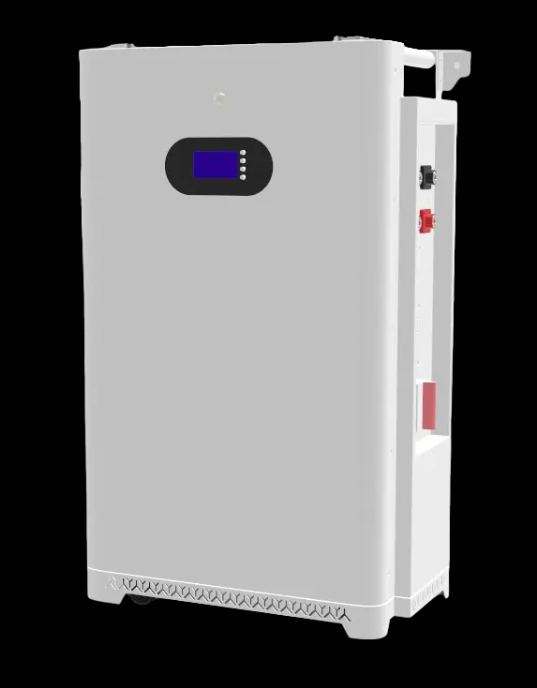
Among residential storage solutions, 51.2V lithium battery systems have become one of the most common configurations.
The reason is the balance between safety, efficiency, and scalability.
A 51.2V system based on LiFePO4 battery technology offers:
High efficiency
The higher voltage architecture reduces current during operation, improving system efficiency and reducing energy losses.
Flexible capacity expansion
Many 51.2V battery systems use modular designs, allowing users to add additional battery units as energy requirements increase.
Better compatibility
These systems can be integrated with many hybrid inverters used in residential solar applications.
Long service life
LiFePO4 chemistry provides excellent cycle performance for daily charging and discharging applications.
For homeowners planning long-term solar storage, a scalable 51.2V solution provides more flexibility than fixed-capacity systems.
When purchasing an energy storage solution, many buyers compare battery capacity, voltage, and price first. However, these specifications alone cannot determine whether a system will perform reliably after years of operation.
From a manufacturer’s perspective, a high-quality battery energy storage system depends on the combination of battery technology, electrical design, safety management, and production control.
A professional supplier should have experience not only in battery assembly but also in complete system engineering, including battery selection, BMS development, thermal management, inverter compatibility, and quality testing.
The following factors are especially important when evaluating an energy storage manufacturer.
Battery cells are the foundation of every energy storage system.
Even when using the same battery chemistry, differences in cell consistency can affect:
· Available capacity
· Charging efficiency
· Cycle life
· Long-term reliability
Manufacturers need strict incoming inspection and production testing to ensure that battery cells within the same pack maintain balanced performance.
For residential and commercial applications, most reliable suppliers use LiFePO4 cells because of their combination of safety, stability, and long cycle life.
The BMS is one of the most critical components inside a lithium battery storage system.
A well-designed BMS continuously monitors:
· Cell voltage
· Battery temperature
· Charging and discharging current
· State of charge (SOC)
· State of health (SOH)
It protects the battery from abnormal conditions such as:
· Overcharging
· Over-discharging
· Excessive temperature
· Short circuits
For a solar battery storage system, the BMS also plays an important role in communication with inverters and energy management platforms, ensuring the entire system operates efficiently.
Energy storage products are expected to operate for many years, often under different environmental conditions.
Therefore, manufacturing quality control directly affects product reliability.
A professional production process normally includes:
· Battery cell inspection
· Module assembly testing
· Electrical performance testing
· Communication testing
· Safety verification
· Final system inspection
For overseas projects, consistent production quality is especially important because installation and maintenance may happen thousands of kilometers away from the factory.
Residential users mainly focus on backup power and energy independence. Businesses usually have more complex requirements.
A factory, warehouse, office building, or commercial facility may need energy storage to solve problems such as:
· High electricity demand charges
· Production interruptions
· Grid instability
· Increasing renewable energy requirements
A commercial battery storage system provides a flexible solution by allowing businesses to control when and how electricity is used.
Many commercial electricity tariffs include demand charges based on peak power consumption.
During periods of high demand, electricity costs can increase significantly.
Battery storage can reduce these costs through peak shaving:
1. The battery charges when electricity demand is low.
2. The system stores energy during lower-cost periods.
3. Stored electricity is released during peak demand.
4. The facility reduces its dependence on expensive grid power.
This strategy helps businesses achieve more predictable energy expenses.
For some industries, even a short power interruption can cause significant losses.
Examples include:
· Manufacturing equipment
· Data centers
· Communication facilities
· Medical equipment
· Automated production systems
A properly designed battery energy storage system can provide backup support and maintain critical operations until grid power is restored.
Businesses are increasingly installing solar systems to reduce carbon emissions and energy costs.
However, solar generation is affected by weather and daylight availability.
Combining solar with battery storage creates a more stable renewable energy solution.
A typical commercial solar storage system can:
· Store excess solar power
· Reduce renewable energy waste
· Provide electricity after sunset
· Improve renewable energy utilization
Energy requirements are not always fixed. A household may install additional appliances, while a business may expand production capacity.
This is why modular battery designs are becoming increasingly attractive.
A modular energy storage system allows users to increase capacity by adding additional battery units instead of replacing the entire system.
This approach provides several advantages:
Lower initial investment
Users can start with the capacity they currently need and expand later.
Simpler installation
Additional modules can be integrated into the existing system.
Better project flexibility
The same battery platform can support different application sizes.
For example, a residential customer may initially install a small battery system for evening energy use and later expand capacity after adding electric vehicle charging.
Energy storage requirements vary greatly depending on the application environment. The following examples demonstrate how different users benefit from customized solutions.
A homeowner wanted to increase energy independence and reduce reliance on grid electricity.
The system combined:
· Rooftop solar generation
· Hybrid inverter
· 51.2V lithium battery storage
The battery stores excess solar energy during the day and supplies household loads during evening hours.
During grid interruptions, the system automatically provides backup power for essential appliances.
The main advantage was achieving a quieter and cleaner backup solution compared with traditional fuel generators.
Telecommunication networks require highly stable electricity because downtime directly affects service availability.
A stackable lithium battery system provides:
· Long standby capability
· Modular capacity expansion
· Intelligent monitoring
· Reduced maintenance requirements
For telecom operators, reliable battery storage is essential for maintaining communication infrastructure in remote or high-demand locations.
A commercial facility used battery storage to improve electricity cost management.
The system was configured to:
· Store electricity during low-demand periods
· Reduce peak electricity consumption
· Support backup requirements
Through intelligent energy scheduling, the facility improved energy efficiency while maintaining stable operations.
Selecting an energy storage supplier requires careful evaluation. Before purchasing, buyers should consider:
Does the supplier manufacture batteries directly or only resell products?
Direct manufacturing capability usually provides better control over product quality, customization, and technical support.
Can the battery system communicate with different inverter brands?
Compatibility affects installation flexibility and long-term system operation.
Does the supplier provide complete technical documentation?
Professional suppliers should provide:
· Product specifications
· Installation manuals
· Wiring diagrams
· Safety certifications
· Warranty information
Can the system be expanded in the future?
A scalable design helps customers adapt to changing energy requirements.
Yes. A home battery storage system can charge from the electrical grid and provide backup power during outages.
This option is suitable for homeowners who want energy security first and may add solar panels in the future.
However, combining solar panels with battery storage generally provides greater energy independence and better renewable energy utilization.
The lifespan depends on battery chemistry, operating conditions, charging habits, and system quality.
High-quality LiFePO4 battery systems are designed for long-term use and can support thousands of charging cycles when properly managed.
Temperature control and battery management technology also have a significant impact on service life.
Not necessarily.
The ideal battery capacity depends on actual electricity consumption and backup requirements.
An oversized system may increase unnecessary investment, while an undersized system may not provide enough backup power.
A professional supplier should recommend capacity based on real energy usage rather than simply selling a larger battery.
Residential systems usually focus on:
· Home backup power
· Solar energy usage
· Energy independence
Commercial systems typically require:
· Higher capacity
· More complex energy management
· Peak demand control
· Continuous operation support
The basic technology is similar, but system design, scalability, and control strategies are different.
Energy storage is becoming an essential part of modern electricity management. As renewable energy adoption increases and grid conditions continue to change, reliable storage solutions will play a larger role in homes, businesses, and industrial applications.
A well-designed battery energy storage system provides more than backup power. It helps users improve energy efficiency, reduce electricity costs, and build greater control over their energy supply.
For homeowners, a residential energy storage system creates a practical path toward energy independence.
For businesses, a commercial battery storage system provides a smarter way to manage electricity demand and protect critical operations.
Choosing the right energy storage solution requires consideration of battery technology, system design, manufacturing quality, and long-term technical support. Working with an experienced battery manufacturer ensures that the system delivers reliable performance throughout its service life.


Compact, quiet, and powerful, it keeps your essentials running during outages and lets you charge anywhere with solar power or grid power.
Perfect for renters who need flexibility without compromise.
Our estimator is only set up to provide preliminary estimates and installer information to residents of single family homes.