
 Email Us
 Contact us
 Whats App
Single family home

Electricity has become one of the most important operating expenses for many businesses. From manufacturing facilities and commercial buildings to farms and remote projects, rising energy prices and unstable power supply can directly affect profitability and daily operations.
Traditional energy management methods often focus only on reducing electricity consumption. However, many businesses still face high electricity bills because of peak demand charges, time-based electricity pricing, and limited control over when energy is used.
A commercial battery storage system provides a more flexible approach by allowing businesses to store electricity when costs are lower and use stored energy when demand and electricity prices increase. By improving energy management, companies can reduce operating expenses, increase energy independence, and make better use of renewable energy resources.
For businesses considering long-term energy strategies, battery storage for businesses is becoming an important solution for reducing electricity costs while maintaining reliable power availability.
Before choosing an energy storage solution, businesses need to understand how electricity bills are calculated. Commercial electricity costs usually include several different components, and each one creates opportunities for optimization.
The most common part of an electricity bill is based on total energy consumption, measured in kilowatt-hours (kWh). Businesses with high energy requirements, such as factories, warehouses, and agricultural facilities, often consume large amounts of electricity every day.
Reducing unnecessary energy consumption can help lower costs, but many businesses cannot simply reduce their electricity usage because production equipment, cooling systems, lighting, and other critical operations must continue running.
A commercial battery storage system helps companies better manage when electricity is used by storing energy during lower-cost periods and supplying power during expensive periods.
Demand charges are a major concern for many commercial and industrial users. Unlike standard electricity charges based on total consumption, demand charges are calculated according to the highest level of power demand during a billing period.
For example, a factory may operate multiple machines at the same time during production hours, creating a temporary spike in electricity demand. Even if this peak only lasts for a short period, it can significantly increase monthly electricity costs.
This is where demand charge management becomes valuable. Battery storage can discharge stored energy during peak demand periods, reducing the amount of electricity drawn from the grid and lowering demand-related fees.
Many regions use time-of-use electricity pricing, where electricity costs vary depending on the time of day. Electricity may be cheaper during off-peak hours and more expensive during periods of high demand.
Businesses can use battery storage to take advantage of these price differences:
This strategy helps businesses achieve better control over their energy expenses.
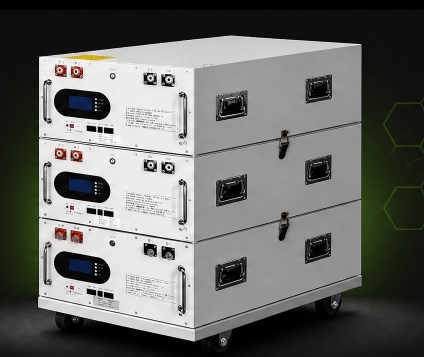
A commercial battery storage system does more than provide backup power. Its main value comes from helping businesses actively manage energy usage and reduce unnecessary electricity expenses.
There are several ways battery storage helps companies achieve cost savings.
One of the biggest financial benefits of battery storage is peak demand reduction.
Peak shaving battery storage works by supplying additional power when electricity demand reaches its highest point. Instead of drawing all required power from the grid, businesses can use stored energy to reduce peak loads.
For example:
By reducing peak demand, businesses can lower monthly demand charges and improve overall energy efficiency.
For companies with high electricity demand, demand charge management can often become one of the fastest ways to achieve measurable savings.
Another important advantage of battery storage is load shifting.
Load shifting allows businesses to move electricity usage from expensive periods to lower-cost periods. Instead of purchasing electricity only when it is needed, companies can strategically manage energy availability.
A typical process includes:
This approach helps businesses reduce electricity costs without changing their normal operations.
For commercial buildings, factories, and agricultural facilities, battery storage for businesses provides greater flexibility in managing daily energy consumption.
Many businesses are investing in solar power systems to reduce dependence on traditional electricity sources. However, solar generation does not always match energy demand.
Solar panels typically produce the most electricity during the daytime, while many businesses may require power in the evening or during periods of low sunlight.
Combining solar systems with storage allows companies to:
A commercial solar battery storage solution allows businesses to maximize renewable energy usage instead of sending unused solar power back to the grid.
Beyond reducing electricity costs, battery storage provides several long-term advantages for commercial users.
Energy costs directly affect business profitability. By reducing peak demand charges and optimizing electricity usage, battery storage helps companies achieve more predictable operating expenses.
Businesses that rely heavily on the grid may face challenges caused by power interruptions or electricity price fluctuations.
A battery storage system provides additional energy flexibility and helps companies maintain more stable operations.
Power interruptions can cause production losses, equipment downtime, and operational delays.
Battery storage provides backup power support for critical equipment, helping businesses maintain essential operations during outages.
Battery systems make renewable energy more practical by allowing businesses to store and use clean energy when it provides the greatest value.
Different industries have different energy requirements, but the benefits of battery storage apply across many business scenarios.
Commercial buildings such as offices, hotels, and shopping centers often experience high electricity demand from:
A battery storage for commercial buildings solution helps reduce peak electricity usage and improve energy management.
Factories often have some of the highest energy demands due to production equipment, automation systems, and continuous operations.
An industrial battery storage system can help manufacturers:
For facilities with large electrical loads, energy storage can become an important part of modern energy management strategies.
Agricultural businesses often operate in areas where grid coverage may be limited or unreliable.
Battery storage can support:
A reliable energy storage system helps farms maintain stable operations while reducing dependence on traditional power sources.
Before investing in storage technology, businesses should evaluate whether the system matches their energy profile.
The return on investment of a commercial battery storage system depends on several factors:
Businesses with high demand charges or significant price differences between peak and off-peak periods often achieve greater savings.
The best battery configuration depends on:
A properly sized system provides better financial performance than an oversized or undersized solution.
Businesses using solar power can often achieve greater savings by combining solar generation with battery storage.
Energy requirements often change as businesses expand. Traditional fixed-capacity systems may limit future upgrades, while modular solutions provide greater flexibility.
A modular battery storage system allows businesses to:
For companies planning long-term growth, scalable energy storage provides a more practical approach than installing a system based only on current demand.
Modern energy storage systems are becoming more intelligent through advanced monitoring and management platforms.
A smart energy management system can help businesses:
Cloud-based management platforms allow operators to control and monitor energy assets remotely, helping businesses achieve better financial returns from their storage investment.
A commercial battery storage system reduces electricity bills by storing energy during lower-cost periods and supplying power during peak demand periods. It helps businesses reduce demand charges, optimize energy usage, and improve renewable energy utilization.
Demand charge management uses battery storage to reduce short-term peaks in electricity demand. By providing stored energy during high-demand periods, businesses can lower the maximum power drawn from the grid and reduce demand-related fees.
The value of commercial battery storage depends on electricity prices, demand charges, energy usage patterns, and available incentives. Businesses with high energy costs often achieve stronger financial benefits through reduced electricity expenses and improved energy control.
Yes. Battery storage can be combined with solar systems to store excess solar energy and use it when solar generation is unavailable or electricity prices are higher.


Compact, quiet, and powerful, it keeps your essentials running during outages and lets you charge anywhere with solar power or grid power.
Perfect for renters who need flexibility without compromise.
Our estimator is only set up to provide preliminary estimates and installer information to residents of single family homes.