
 Email Us
 Contact us
 Whats App
Single family home

As electricity costs continue to rise and power reliability becomes a growing concern, more homeowners are looking for energy storage solutions that can reduce grid dependence and provide backup power during outages. A 15kWh home energy storage battery has become a popular choice for residential solar systems because it offers a practical balance between storage capacity, installation size, and long-term energy independence.
However, choosing the right battery system is not simply about buying the largest capacity available. A 15kWh battery may be ideal for one household but unnecessary for another. The correct choice depends on several factors, including daily electricity consumption, solar generation capacity, backup requirements, inverter compatibility, and future expansion plans.
This guide explains how a 15kWh home battery system works, which homes are suitable for this capacity, what technology should be considered, and how manufacturers evaluate battery quality from an engineering perspective.
A properly selected energy storage system can help homeowners:
· Store excess solar energy generated during the day
· Reduce electricity costs during peak-rate periods
· Maintain essential household power during outages
· Improve energy independence without relying completely on the grid
One of the most common misunderstandings when selecting a home battery is confusing storage capacity with output power.
A 15kWh home energy storage battery means the system can theoretically store 15 kilowatt-hours of electricity. It does not mean the battery can continuously output 15kW of power.
The actual backup time depends on how much electricity the home consumes at a given moment.
For example, a typical residential load may include:
Appliance | Average Power Consumption |
Refrigerator | 100–200W |
LED Lighting | 50–150W |
WiFi Router and Electronics | 20–50W |
Television | 80–150W |
Air Conditioner | 800–1500W |
If a household uses approximately 2kW of continuous power, a 15kWh battery could theoretically provide:
15kWh ÷ 2kW = 7.5 hours
of operation.
However, real-world performance is affected by:
· Battery discharge limits
· Inverter efficiency
· Battery management system (BMS) protection settings
· Required reserve capacity
· Temperature conditions
In practical applications, a 15kWh battery system may provide around 5–8 hours of backup depending on household usage.
This is why battery selection should always start with an analysis of actual energy consumption rather than simply choosing a larger capacity.
The ideal battery size depends on the relationship between daily electricity consumption and backup expectations.
A small apartment with limited electrical loads may not need 15kWh of storage, while a larger home with solar panels, electric heating, or multiple appliances may benefit significantly from this capacity.
For most residential applications, a 15kWh home battery system is suitable for homeowners who want more than short emergency backup. It is often selected by families who want to shift toward greater energy independence.
A general capacity reference:
Household Type | Typical Daily Energy Use | Suitable Battery Capacity |
Small apartment with basic appliances | 5–8kWh/day | 5–10kWh |
Medium residential home | 10–15kWh/day | 10–15kWh |
Large home with solar and higher consumption | 15–25kWh/day | 15–20kWh |
A 15kWh system is commonly suitable for:
Homes with rooftop solar installations
Solar panels often generate the most electricity during daytime hours when household consumption may be relatively low. Without storage, excess energy is sent back to the grid or unused depending on local regulations.
A battery allows homeowners to store this energy and use it later.
Homes located in areas with frequent power interruptions
For regions where grid stability is a concern, a 15kWh battery can provide longer backup compared with smaller residential batteries.
Homes with higher evening electricity demand
Many households consume more energy after sunset when solar production stops. Battery storage helps cover evening loads without purchasing all electricity from the grid.
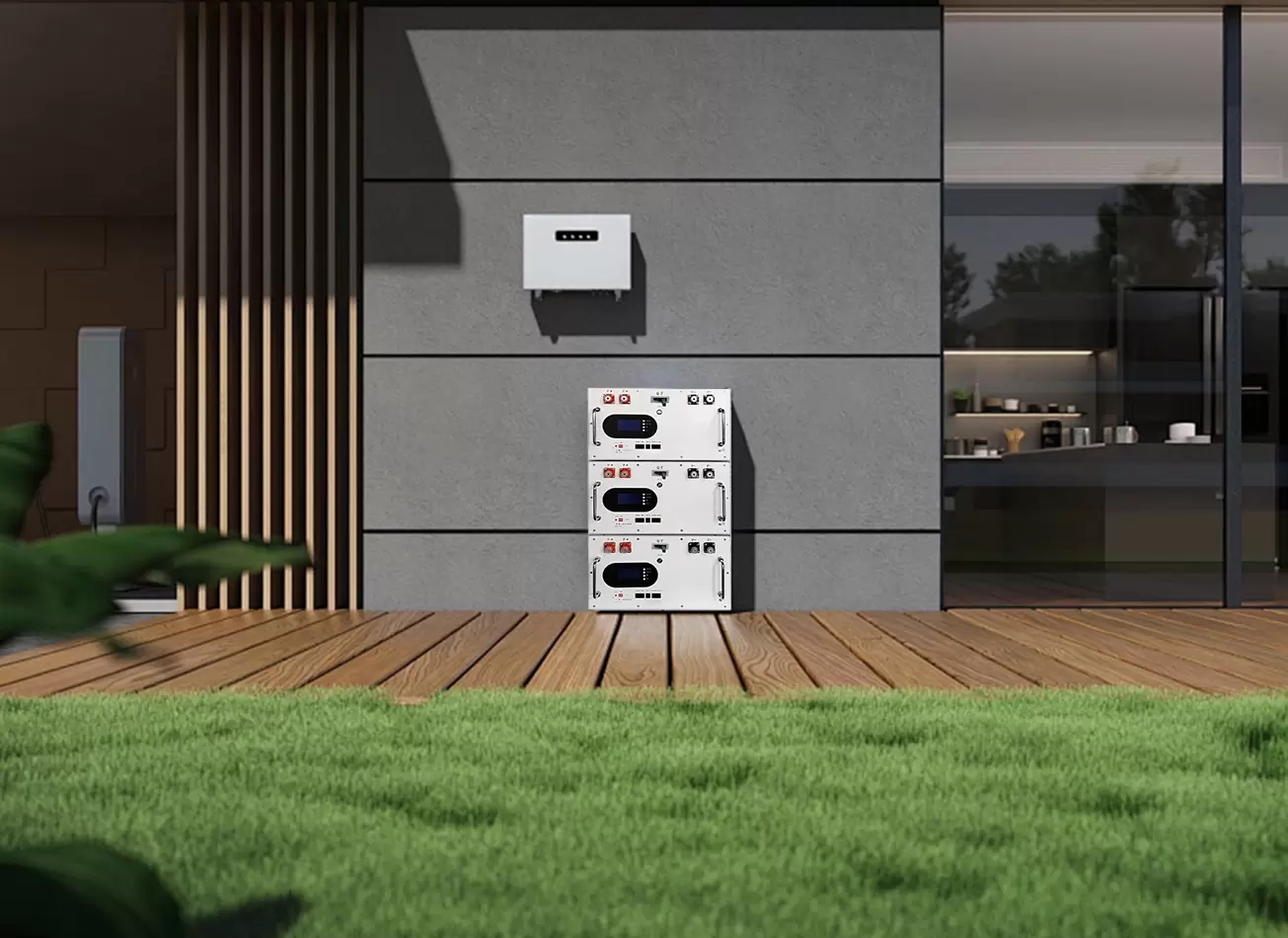
A 15kWh solar battery storage system is not a standalone product. It works as part of a complete energy ecosystem that includes solar panels, an inverter, battery management system, and household electrical loads.
A typical residential energy flow looks like this:
Solar panels
↓
Hybrid inverter
↓
Home energy storage battery
↓
Household appliances
During the day, solar panels generate electricity. The inverter first supplies power to household appliances. Any additional energy can be stored in the battery instead of being wasted.
At night, when solar generation stops, the stored energy can be discharged to support household loads.
During a grid outage, the system can switch into backup mode and continue supplying power to selected circuits depending on system configuration.
This is an important difference between a normal solar installation and a complete solar-plus-storage solution.
Many homeowners assume that solar panels alone can keep their house powered during a blackout. In reality, most grid-connected solar systems automatically shut down during outages for safety reasons. A properly configured battery energy storage system is required to provide backup functionality.
For homeowners planning a 15kWh solar battery storage system, several factors should be evaluated:
· Solar panel capacity
· Inverter output rating
· Battery charging speed
· Daily electricity consumption
· Backup circuit requirements
Choosing a battery without considering the solar system design can reduce overall performance.
For example, a household with a 5kW solar system may not fully utilize a large battery every day if solar production is insufficient. On the other hand, a home with an 8–10kW solar installation may benefit more from a 15kWh storage solution.
From a system design perspective, manufacturers usually evaluate:
The battery should have enough available solar input to recharge efficiently.
If the battery remains at a low state of charge for long periods, homeowners may not receive the expected economic benefits.
Two homes with identical electricity usage can require different battery sizes.
A household using most electricity during the evening benefits more from storage because solar energy must be shifted from daytime to nighttime.
Some homeowners want to power only essential appliances:
· Refrigerator
· Lighting
· Internet equipment
· Security systems
Others want whole-home backup including:
· Air conditioning
· Heating systems
· Kitchen appliances
The required battery configuration and inverter capacity will be different.
The battery chemistry has a direct impact on safety, lifespan, and long-term operating cost.
A 15kWh LiFePO4 battery is widely used in residential energy storage because lithium iron phosphate technology provides several advantages for stationary applications.
Unlike some other lithium battery chemistries, LiFePO4 batteries are known for:
High cycle life
Residential batteries are expected to operate every day for many years. A battery with longer cycle performance can provide better lifetime value.
Improved thermal stability
Safety is one of the most important concerns for indoor and residential energy storage. LiFePO4 chemistry has strong thermal stability, making it suitable for home environments.
Lower long-term replacement cost
Although LiFePO4 batteries may have a higher initial cost compared with traditional lead-acid batteries, their longer service life often results in better total cost performance.
Comparison of common battery technologies:
Battery Type | Cycle Life | Safety Performance | Residential Suitability |
Lead Acid | Lower | Moderate | Limited |
NMC Lithium | Medium | Good | Common |
LiFePO4 | High | Excellent | Highly Suitable |
For a 15kWh residential ESS, battery chemistry should not only be evaluated by initial purchase price. Long-term reliability, safety, and maintenance requirements are equally important factors.
When homeowners choose a 15kWh home battery system, capacity is only one part of the decision. The physical design of the battery also affects installation flexibility, maintenance, and future expansion.
The two common residential battery designs are wall-mounted systems and stackable modular systems.
A wall mounted home battery 15kWh solution is usually designed for homeowners who want a clean and compact installation. These systems are often installed in garages, utility rooms, or exterior walls where space efficiency is important.
Stackable battery systems focus more on flexibility. Multiple battery modules can be combined according to future energy requirements, making them suitable for households that may increase electricity consumption later, such as adding electric vehicles, heat pumps, or additional solar panels.
The differences can be summarized as follows:
Battery Design | Main Advantages | Suitable Applications |
Wall-mounted 15kWh battery | Space-saving, simple appearance, easier residential integration | Standard homes, villas, solar backup systems |
Stackable battery system | Flexible capacity expansion, easier system scaling | Growing households, higher future energy demand |
From a manufacturing perspective, both designs require careful attention to structural strength, thermal management, battery connections, and communication reliability.
A well-designed residential battery is not only about fitting more cells into a cabinet. The internal layout must ensure balanced charging and discharging, stable heat dissipation, and long-term operating reliability.
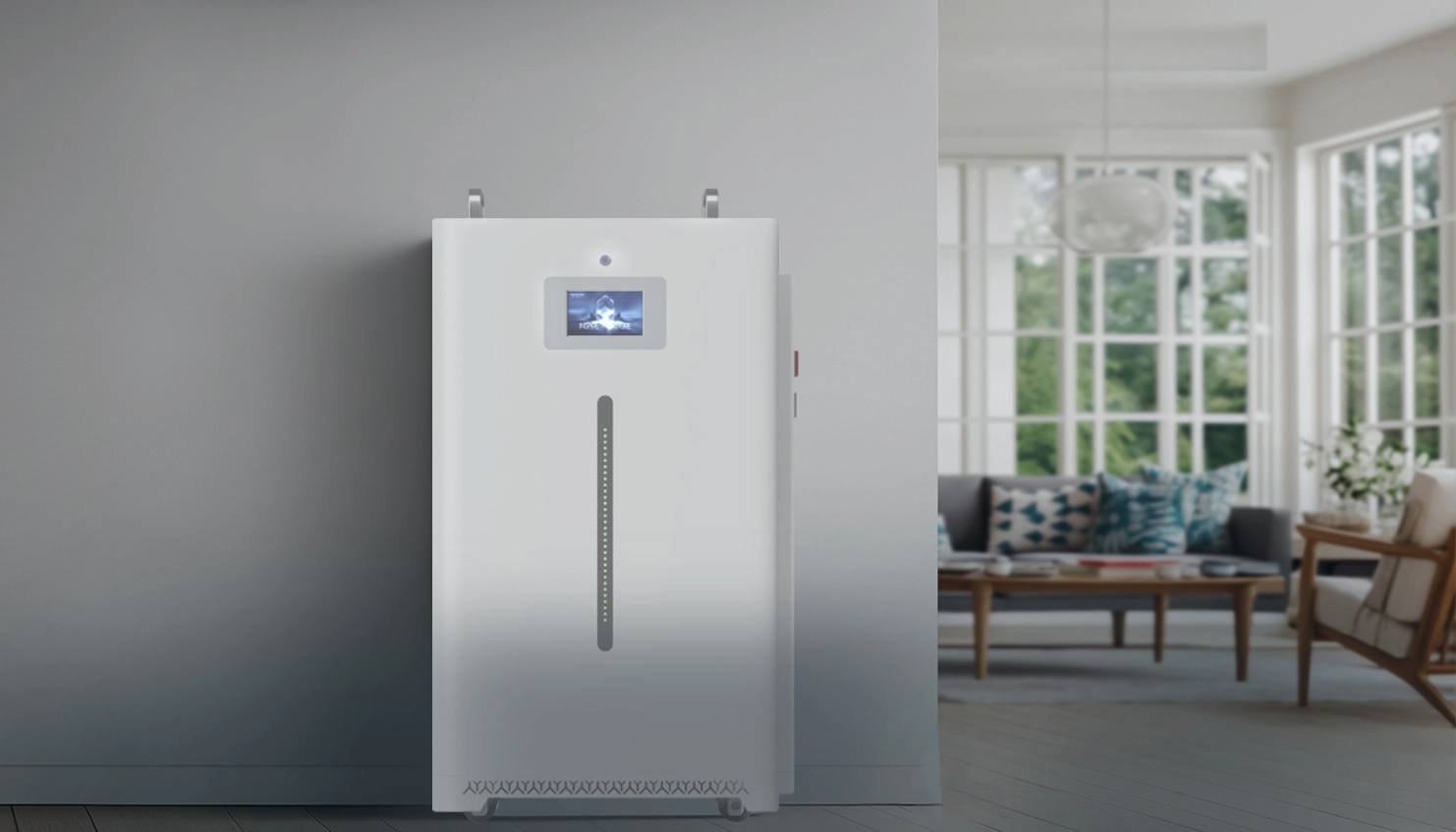
For example, BEINENG’s 15kWh AI Touchscreen Wall-Mounted Home Battery Storage System focuses on combining residential aesthetics with intelligent monitoring functions, allowing users to check battery status, energy flow, and system performance more conveniently.
Many buyers compare residential batteries based only on capacity and price. However, from a factory engineering perspective, the real performance of a 15kWh residential ESS depends on multiple technical details behind the product.
A reliable battery system requires coordination between battery cells, BMS, mechanical structure, communication systems, and production quality control.
The battery cell is the foundation of the entire energy storage system.
During manufacturing, cells with inconsistent characteristics may experience different charging and discharging behaviors. Over time, this can reduce usable capacity and shorten battery lifespan.
Professional battery manufacturers focus on:
· Cell quality inspection
· Voltage consistency testing
· Capacity matching
· Aging evaluation before assembly
This process helps ensure that every battery module performs consistently during years of operation.
The BMS acts as the control center of the battery.
A high-quality BMS monitors:
· Voltage levels
· Current flow
· Temperature changes
· Charging and discharging conditions
It protects the battery from:
· Overcharging
· Deep discharge
· Excessive current
· Abnormal temperature conditions
For residential applications, BMS reliability is especially important because the battery may operate automatically every day without direct user intervention.
A 15kWh battery is only valuable when it works smoothly with the rest of the energy system.
Before purchasing, homeowners and installers should confirm:
· Hybrid inverter compatibility
· Communication protocol support
· Solar system voltage requirements
· Backup output capability
A battery that cannot communicate correctly with the inverter may not deliver the expected energy management performance.
Different households choose 15kWh storage systems for different reasons. Understanding real application scenarios helps buyers determine whether this capacity matches their needs.
A homeowner installed a rooftop solar system together with a 15kWh LiFePO4 battery to reduce dependence on grid electricity.
The system configuration included:
· Rooftop photovoltaic panels
· Hybrid inverter
· 15kWh home energy storage battery
During daytime operation, solar power supplied household loads and charged the battery with excess energy.
In the evening, stored energy was used for lighting, appliances, and entertainment equipment.
The main objective was not only backup power but also improving daily solar utilization.
Remote homes often face challenges such as unstable grid connection or high fuel costs from traditional generators.
A 15kWh battery combined with solar generation provides a cleaner alternative.
The system can support:
· Daily household electricity demand
· Emergency backup
· Remote monitoring
· Reduced generator usage
For off-grid applications, battery efficiency and long service life become more important because maintenance opportunities are limited.
In regions with time-of-use electricity pricing, homeowners can use batteries to reduce energy costs.
The operating strategy is:
During low-cost periods or solar production hours:
· Charge the battery
During expensive peak periods:
· Use stored electricity
This approach helps optimize electricity consumption and improve the economic return of the solar system.
Before selecting a supplier, buyers should evaluate more than the battery capacity.
A professional purchasing process usually includes checking the following areas.
A 15kWh battery is not automatically the best choice for every home.
The correct capacity depends on:
· Average daily consumption
· Peak power demand
· Backup expectations
· Solar generation capacity
A system that is too small may not provide enough backup. A system that is too large may increase investment costs without improving actual usage.
Energy consumption patterns change.
Many households add:
· Electric vehicles
· Heat pumps
· Home offices
· Additional appliances
A modular energy storage design can provide better flexibility for future upgrades.
For long-term operation, choosing the manufacturer is as important as choosing the battery specification.
Reliable suppliers should provide:
· Production quality control
· Battery testing procedures
· Technical documentation
· Warranty support
· Installation guidance
A battery system is expected to operate for many years, so supplier capability directly affects the ownership experience.
The backup duration depends on household electricity consumption.
For essential loads such as lighting, refrigerator, internet equipment, and small appliances, a 15kWh battery can provide extended backup.
For homes using high-power appliances such as air conditioners or electric heating, the backup time will be shorter.
It depends on the home’s energy requirements.
A 15kWh system can support many residential applications, but whole-house backup requires evaluating:
· Total connected load
· Inverter output power
· Priority circuits
· Daily consumption patterns
Some homeowners use the battery for essential loads only, while others design larger systems for complete household backup.
Yes.
A 15kWh home battery system can operate with or without solar panels depending on the inverter configuration.
Without solar, the battery can still provide:
· Backup power during outages
· Energy shifting during different electricity price periods
However, combining the battery with solar panels usually provides greater energy independence.
A properly designed LiFePO4 battery system can typically provide many years of service.
Actual lifespan depends on:
· Charging habits
· Operating temperature
· Depth of discharge
· Battery management system performance
Professional installation and proper system configuration help maximize battery life.
Selecting a 15kWh home energy storage battery is not simply a decision about buying more storage capacity. The best system is the one that matches the household’s electricity pattern, solar generation, backup requirements, and future energy plans.
For homeowners looking for reliable backup power and improved solar utilization, a 15kWh system provides a practical balance between capacity, safety, and long-term value.
The most important factors are not only the battery size but also the quality of battery cells, BMS protection, system compatibility, and the experience of the manufacturer behind the product.
A well-designed 15kWh solar battery storage system can help households move toward greater energy independence while providing stable power support for years of operation.


Compact, quiet, and powerful, it keeps your essentials running during outages and lets you charge anywhere with solar power or grid power.
Perfect for renters who need flexibility without compromise.
Our estimator is only set up to provide preliminary estimates and installer information to residents of single family homes.