
 Email Us
 Contact us
 Whats App
Single family home

The global energy industry is moving through one of the biggest transformations in decades. Traditional power systems built around centralized generation are gradually being replaced by more flexible and distributed energy networks. Solar panels, electric vehicles, intelligent monitoring platforms, and battery storage systems are now reshaping how electricity is produced and consumed inside residential properties.
At the center of this transition is the rise of the virtual power plant. Unlike conventional power stations, a virtual power plant connects thousands of distributed energy assets into one coordinated network. Instead of relying on a single energy source, utilities can balance electricity demand using interconnected residential batteries, solar systems, EV chargers, and smart devices.
This shift is changing the role of modern households. Homes are no longer simply consuming electricity from the grid. Increasingly, they are storing energy, optimizing usage, and even sending electricity back into the grid during peak demand periods. As a result, residential battery storage systems are becoming an essential part of modern energy infrastructure.
In countries such as Germany, Australia, the Netherlands, and the United Kingdom, utilities are accelerating investment in distributed energy programs. Rising electricity costs, renewable energy targets, and concerns about grid reliability are all contributing to the rapid growth of VPP battery storage networks.
At the same time, improvements in battery technology and smart energy management systems are making residential energy storage more intelligent, efficient, and financially attractive than ever before.
Only a few years ago, most homeowners viewed battery storage primarily as emergency backup power. A residential battery system was mainly designed to keep lights on during blackouts or severe weather events.
That perception is changing quickly.
Modern residential battery storage systems now play a much broader role in household energy management. Instead of sitting idle most of the time, batteries are becoming active energy assets capable of optimizing electricity usage throughout the day.
A typical residential energy setup may now include:
●Rooftop solar panels
●Battery storage units
●EV charging infrastructure
●Intelligent inverters
●Energy monitoring platforms
●Cloud-connected control systems
Together, these technologies allow households to generate, store, and manage their own electricity far more efficiently than before.
One of the biggest drivers behind this trend is the continued growth of rooftop solar installations. During the day, solar panels often generate more electricity than a household immediately consumes. Without storage, excess electricity is usually exported to the grid at relatively low compensation rates.
Battery systems solve this problem by storing excess solar energy for later use. Homeowners can then use stored electricity during evening peak hours when electricity prices are higher.
When connected to a virtual power plant, these residential batteries become part of a larger distributed energy network capable of supporting overall grid stability.
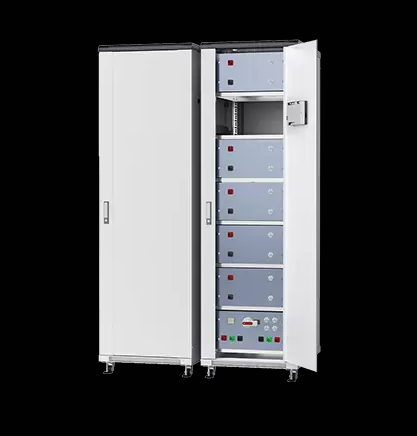
Traditional power grids were originally designed for centralized electricity generation. Large coal plants, gas stations, and nuclear facilities supplied electricity to millions of consumers through fixed transmission networks.
Renewable energy has changed this model.
Solar and wind generation are inherently variable because output depends on weather conditions. This variability creates new challenges for grid operators who must constantly balance electricity supply and demand.
Historically, utilities relied on fossil fuel peaker plants to manage periods of high electricity demand. However, peaker plants are expensive, inefficient, and carbon intensive.
Distributed battery systems offer a more flexible alternative.
Thousands of connected residential battery storage systems can collectively function as a decentralized energy resource. During periods of grid stress, utilities can temporarily draw energy from distributed batteries instead of activating fossil fuel backup plants.
This approach provides several advantages:
1. Lower infrastructure costs
2. Reduced carbon emissions
3. Improved renewable energy integration
4. Greater grid flexibility
5. Faster response times during demand spikes
6. Enhanced energy resilience during emergencies
As renewable energy adoption continues growing, utilities increasingly recognize that distributed storage is critical for future grid stability.
Battery hardware alone is no longer enough to meet modern energy demands. Intelligent software now plays a major role in optimizing household energy usage.
A modern smart energy management system continuously monitors energy generation, electricity consumption, battery levels, utility pricing, and grid conditions in real time.
Using this information, the system can automatically optimize how and when energy is used.
For example, a battery system may:
1. Charge when electricity prices are low
2. Store excess solar generation during the day
3. Discharge energy during expensive evening peak periods
4. Reserve backup power ahead of storms
5. Coordinate EV charging schedules
6. Participate in utility demand response programs
This level of automation significantly improves energy efficiency while reducing household electricity costs.
Many advanced systems now include mobile apps and cloud-based monitoring platforms that allow homeowners to track energy usage remotely. Real-time monitoring provides greater visibility into household consumption patterns and helps users maximize the value of their battery systems.
Artificial intelligence is also becoming increasingly important. Future smart energy management systems are expected to use predictive analytics to forecast electricity demand, optimize battery charging cycles, and improve overall system efficiency automatically.
Europe has become one of the fastest-growing markets for distributed battery storage.
Several factors are driving this expansion. The energy crisis in recent years exposed vulnerabilities in Europe's traditional energy infrastructure. Rising electricity prices encouraged many homeowners to invest in rooftop solar and battery systems to improve long-term energy independence.
At the same time, European governments continue pushing aggressive renewable energy targets. Since solar and wind generation require flexible storage support, distributed battery systems are becoming increasingly important.
Germany remains one of the leading residential storage markets globally. The country's strong solar adoption, high electricity prices, and supportive energy policies have accelerated demand for VPP battery storage programs.
The Netherlands, Italy, and the United Kingdom are also seeing growing investment in distributed energy infrastructure.
| Market Driver | Influence on the Industry |
|---|---|
| Rising electricity prices | Encourages households to reduce grid dependence |
| Solar panel adoption | Increases demand for energy storage solutions |
| Expansion of VPP programs | Creates financial opportunities for homeowners |
| Smart grid modernization | Supports intelligent battery coordination |
| EV charging growth | Raises residential electricity consumption |
| Renewable energy policies | Accelerates distributed energy investment |
In many regions, utilities now offer incentives for homeowners who connect their battery systems to virtual power plant networks. These programs allow utilities to access distributed battery capacity during periods of high demand while homeowners receive financial compensation in return.
Australia is another major market shaping the future of distributed energy systems.
The country has one of the world's highest rooftop solar adoption rates, making battery storage a natural next step for many households.
Australia's electrical grid also faces unique challenges due to long transmission distances and extreme weather conditions. Distributed storage helps improve local energy resilience while reducing pressure on centralized infrastructure.
Several Australian energy companies have already launched large-scale virtual power plant programs involving thousands of residential battery systems.
For many homeowners, participating in a VPP program provides additional value beyond backup power and solar optimization. Battery systems become revenue-generating assets capable of supporting wider grid operations.
This model is expected to expand further as electricity demand continues increasing alongside EV adoption and renewable energy growth.
As the market evolves, battery technology itself is also advancing rapidly.
One major trend is the growing adoption of high-voltage battery systems for residential and light commercial applications. Compared with traditional low-voltage setups, high-voltage architectures offer higher efficiency, improved scalability, and better compatibility with modern inverters.
Modern battery cabinets are increasingly designed around modular structures that allow flexible expansion over time.
This is particularly important for households planning to add larger solar arrays, EV charging systems, additional backup capacity, or future smart home integration.
Advanced residential battery storage systems now include features such as intelligent battery management, aerosol fire suppression systems, multi-stage electrical protection, IP55 or IP65 environmental protection, wide operating temperature ranges, and Wi-Fi-based monitoring platforms.
Outdoor-capable battery cabinets are becoming especially important in regions with high humidity, desert dust, freezing winters, or extreme summer temperatures.
As distributed energy infrastructure expands globally, durability and environmental adaptability are becoming major purchasing considerations.
For many homeowners, the financial benefits of battery storage are becoming increasingly attractive.
Electricity prices in many countries continue rising, especially during peak demand periods. Battery systems help households reduce reliance on expensive grid electricity by storing lower-cost solar energy for later use.
Participation in VPP battery storage programs can create additional savings opportunities.
Instead of operating purely as backup systems, residential batteries can participate in grid balancing operations that generate financial incentives for homeowners.
Benefits may include reduced electricity bills, improved solar self-consumption, backup protection during outages, lower peak demand charges, participation in energy trading programs, and greater long-term energy cost stability.
As battery prices continue declining, the return on investment for residential storage systems is improving steadily.
Electric vehicles are adding another layer of complexity to modern energy systems.
EV charging can significantly increase household electricity demand, especially during evening hours when overall grid demand is already high.
Battery storage helps solve this challenge.
By integrating EV charging with smart energy management systems, households can optimize charging schedules based on electricity pricing and solar production.
In the future, vehicle-to-grid technology may allow EV batteries themselves to participate in distributed energy networks.
This would create an even more flexible decentralized energy ecosystem where homes, batteries, solar systems, and electric vehicles all work together within larger virtual power plant platforms.
Despite rapid growth, several barriers still affect large-scale VPP adoption.
Regulatory frameworks remain inconsistent across different countries and regions. Some markets still lack clear policies for distributed energy participation and compensation.
Cybersecurity is another growing concern. Since smart energy management systems rely heavily on digital communication and cloud connectivity, protecting distributed networks from cyber threats is becoming increasingly important.
Consumer awareness also remains relatively limited. Many homeowners still do not fully understand how VPP programs operate or how battery systems can generate long-term financial value.
Upfront installation costs can also discourage some consumers, although falling battery prices and government incentives are gradually improving affordability.
Even with these challenges, the overall direction of the industry remains clear. Distributed storage adoption continues accelerating worldwide.
The next generation of energy infrastructure will likely be far more decentralized, intelligent, and interconnected than today's systems.
Instead of relying primarily on centralized power stations, future grids may operate through coordinated networks of distributed renewable energy assets.
In this model, residential battery storage systems become far more than backup devices. They function as active participants in energy balancing, renewable integration, and smart grid operations.
Artificial intelligence, advanced automation, and predictive analytics will further increase the capabilities of future smart energy management systems.
At the same time, the continued expansion of renewable energy and electric vehicle adoption will increase the importance of flexible distributed storage.
The relationship between utilities and consumers is already changing. Homes are gradually becoming intelligent energy hubs capable of producing, storing, optimizing, and sharing electricity.
As VPP battery storage adoption expands globally, millions of households may eventually become integrated components of larger smart energy ecosystems.
The future grid will not simply distribute electricity.
It will coordinate energy intelligently across connected networks of homes, batteries, vehicles, and renewable energy systems.


Compact, quiet, and powerful, it keeps your essentials running during outages and lets you charge anywhere with solar power or grid power.
Perfect for renters who need flexibility without compromise.
Our estimator is only set up to provide preliminary estimates and installer information to residents of single family homes.