
 Email Us
 Contact us
 Whats App
Single family home

For decades, fuel generators were the default solution for backup electricity across residential, commercial, and industrial environments. Their ability to generate high power output independently of the grid made them a practical and widely adopted energy source.
However, the global energy landscape is undergoing a structural transformation. A new generation of solutions known as clean energy power stations is rapidly replacing traditional combustion-based systems. This transition is not simply a technological upgrade—it represents a broader shift in how energy is stored, accessed, and consumed.
At the center of this shift is a growing movement of fuel generator replacement, driven by environmental concerns, user experience expectations, and rapid advances in generator alternative technology.
Fuel generators became widespread because they solved a fundamental problem: electricity access in off-grid or unstable grid conditions. Their combustion-based system converts fuel into mechanical energy and then into electricity, allowing users to generate power anywhere fuel is available.
For decades, this made them indispensable in:
●Construction sites
●Emergency disaster response
●Rural and remote regions
●Temporary commercial operations
●Outdoor events and infrastructure projects
Despite their limitations, fuel generators dominated because there were no practical alternatives that combined portability, power output, and affordability.
However, as energy demands evolved, their weaknesses became more apparent in everyday use cases.
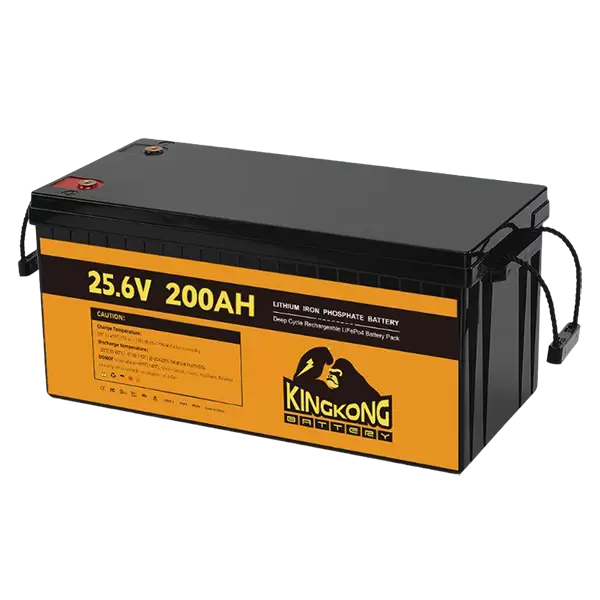
The decline of fuel generators is not caused by a single issue, but rather a combination of long-term structural limitations that affect usability, cost, and safety.
One of the most immediate drawbacks is noise. Fuel generators operate using internal combustion engines, which produce constant mechanical sound.
This creates practical limitations in:
1. Residential environments
2. Campsites and outdoor leisure areas
3. Nighttime usage scenarios
4. Shared or enclosed spaces
As users increasingly prioritize comfort and livability, noise has become a decisive factor in energy system selection.
In contrast, a clean energy power station operates silently. This allows electricity to become part of the environment rather than a disruptive external machine.
Although fuel generators may appear cost-effective initially, their long-term operating expenses significantly increase total ownership cost.
These include fuel consumption, maintenance, and efficiency degradation over time.
| Category | Fuel Generator | Clean Energy Power Station |
|---|---|---|
| Energy Source | Gasoline / Diesel | Electricity / Solar |
| Operating Cost | High and variable | Low and stable |
| Maintenance Requirement | Frequent servicing | Minimal maintenance |
| Noise Level | High | Silent |
| Emissions | Yes | Zero |
| Indoor Use | Not allowed | Fully safe |
This economic gap is one of the primary drivers of fuel generator replacement, particularly in households and small businesses seeking predictable energy costs.
Fuel generators rely on mechanical engines that require ongoing maintenance. Over time, components degrade due to heat, vibration, and fuel residue buildup.
Common issues include:
●Difficulty starting after long storage
●Engine wear and reduced efficiency
●Fuel system clogging
●Oil and filter replacement requirements
These factors create reliability risks during emergencies. A generator that fails during a blackout defeats its primary purpose.
Modern generator alternative technology eliminates many of these mechanical dependencies, significantly improving reliability and reducing maintenance burden.
Environmental concerns are increasingly influencing energy choices. Fuel generators emit carbon dioxide and other pollutants, contributing to air quality issues.
In many regions, regulations are becoming stricter regarding:
●Emissions in residential areas
●Noise pollution limits
●Usage restrictions during specific hours
At the same time, public awareness of sustainability is increasing, accelerating the shift toward cleaner energy solutions.
The emergence of clean energy power stations represents a fundamental redesign of backup power systems. Instead of generating electricity through combustion, these systems store electrical energy in lithium batteries.
Energy can be stored through:
●Grid electricity
●Solar panels
●Vehicle charging systems
Once stored, it can be used instantly across multiple devices with stable output.
This shift removes the dependency on fuel entirely, fundamentally changing how backup power is perceived and used.
To understand why adoption is accelerating, it is important to compare the two systems across functional dimensions.
| Feature | Fuel Generator | Clean Energy Power Station |
|---|---|---|
| Startup Time | Several minutes | Instant |
| Noise Level | High and constant | Silent operation |
| Fuel Dependency | Required | Not required |
| Maintenance | Regular servicing needed | Minimal maintenance |
| Portability | Limited by fuel and weight | Highly portable |
| Indoor Safety | Unsafe due to emissions | Fully safe |
| Energy Flexibility | Limited output types | Multiple output options |
This comparison clearly explains why clean energy power stations are rapidly replacing traditional systems across consumer and commercial markets.
One of the most significant advantages of modern battery-based systems is their versatility. Unlike fuel generators, which are often restricted to outdoor use, clean energy systems can operate in a wide range of environments.
Common applications include:
1. Home emergency backup during power outages
2. Camping and outdoor recreational activities
3. RV and mobile lifestyle energy supply
4. Small office or retail backup systems
5. Disaster preparedness and response kits
This expansion of use cases is a major factor driving fuel generator replacement, as users increasingly prefer a single flexible system rather than specialized equipment.
The rapid growth of alternative generator technology has been essential in enabling this transition.
Several technological advancements have contributed:
●Improved lithium battery energy density
●Extended cycle life performance
●More efficient inverter systems
●Smarter energy management systems
●Reduced device size and weight
These improvements have transformed clean energy power stations from niche products into mainstream energy solutions capable of replacing traditional generators in most everyday scenarios.
A major driver of adoption is the increasing demand for energy independence. Fuel generators depend on external fuel supply chains, which can be disrupted during emergencies or crises.
Clean energy systems, especially when paired with solar charging, allow users to generate and store their own electricity.
This reduces dependency on external infrastructure and strengthens resilience during outages or natural disasters.
As a result, fuel generator replacement is not only a technological shift but also a strategic shift toward decentralized energy control.
Despite the rapid adoption of clean energy systems, fuel generators still serve important roles in specific environments where continuous high-power output is required.
However, these cases are becoming more specialized and limited in scope.
For most residential users and portable applications, clean energy power stations now provide a more practical and efficient solution.
The future of backup power is moving toward electrification, modularity, and renewable integration. Instead of relying on combustion engines, future systems will prioritize:
●Battery-based energy storage
●Solar charging integration
●Smart energy distribution
●Scalable portable systems
In this emerging landscape, clean energy power stations are not just replacements—they are becoming the foundation of modern backup power infrastructure.
The transition from fuel generators to clean energy systems is not a temporary market cycle. It is a structural transformation driven by economics, regulation, and technological progress.
As fuel generator replacement continues to accelerate and generator alternative technology evolves further, clean energy power stations are expected to become the standard solution for home, outdoor, and small commercial power needs.
This shift represents more than a change in equipment—it reflects a fundamental redefinition of how energy is produced, stored, and consumed in modern society.


Compact, quiet, and powerful, it keeps your essentials running during outages and lets you charge anywhere with solar power or grid power.
Perfect for renters who need flexibility without compromise.
Our estimator is only set up to provide preliminary estimates and installer information to residents of single family homes.