
 Email Us
 Contact us
 Whats App
Single family home

The global energy landscape is changing at an unprecedented pace. The integration of renewable energy sources such as solar, wind, and hydroelectric power has created a pressing need for efficient and reliable energy storage systems. Battery technology innovation is at the forefront of this transformation, enabling systems that are not only durable and safe but also highly adaptable to various energy demands.
Energy storage systems have evolved from simple backup solutions to sophisticated technologies capable of managing electricity in homes, commercial buildings, industrial facilities, and entire power grids. The ability to store and intelligently manage energy can improve grid stability, optimize energy costs, reduce carbon emissions, and enable energy independence.
The increasing adoption of long-life batteries, solid-state batteries, and EVE battery cells highlights the importance of advanced technologies that combine efficiency, safety, and longevity. These innovations are reshaping how energy is consumed and managed, driving a future where energy storage is integral to both daily life and large-scale energy planning.
One of the most critical aspects of energy storage is battery longevity. Long-life batteries provide consistent energy output over thousands of charge-discharge cycles, often surpassing 2000 cycles in residential applications and significantly more in commercial systems. This durability translates to reduced maintenance, lower operational costs, and enhanced system reliability.
Long-life batteries are engineered using advanced materials and design techniques, including optimized cathode and anode compositions, improved electrolytes, and reinforced structural components. These enhancements minimize degradation over time, ensuring sustained performance even under high load and extreme temperature conditions.
Key benefits of long-life batteries
1、Extended service life exceeding 15 years in typical home installations
2、Consistent energy output under varying loads
3、Reduced the total cost of ownership due to fewer replacements
4、Minimized environmental impact through reduced battery waste
Comparison of Typical Battery Lifespans
| Battery Type | Cycle Life | Average Lifespan (Years) | Notes |
|---|---|---|---|
| Standard Lithium-ion Battery | 500–1000 | 5–7 | Common in consumer electronics |
| Long-Life Batteries | 2000–5000 | 15+ | Optimized for home and commercial energy storage |
| Solid-State Batteries | 3000–6000 | 15–20 | High energy density and enhanced safety |
The advantages of long-life batteries extend beyond technical performance. Homes can reliably power lighting, HVAC systems, appliances, and electronics while businesses maintain uninterrupted operations for critical equipment and industrial machinery. In addition, these batteries contribute to sustainability by reducing the frequency of replacements, thereby minimizing resource consumption and waste.
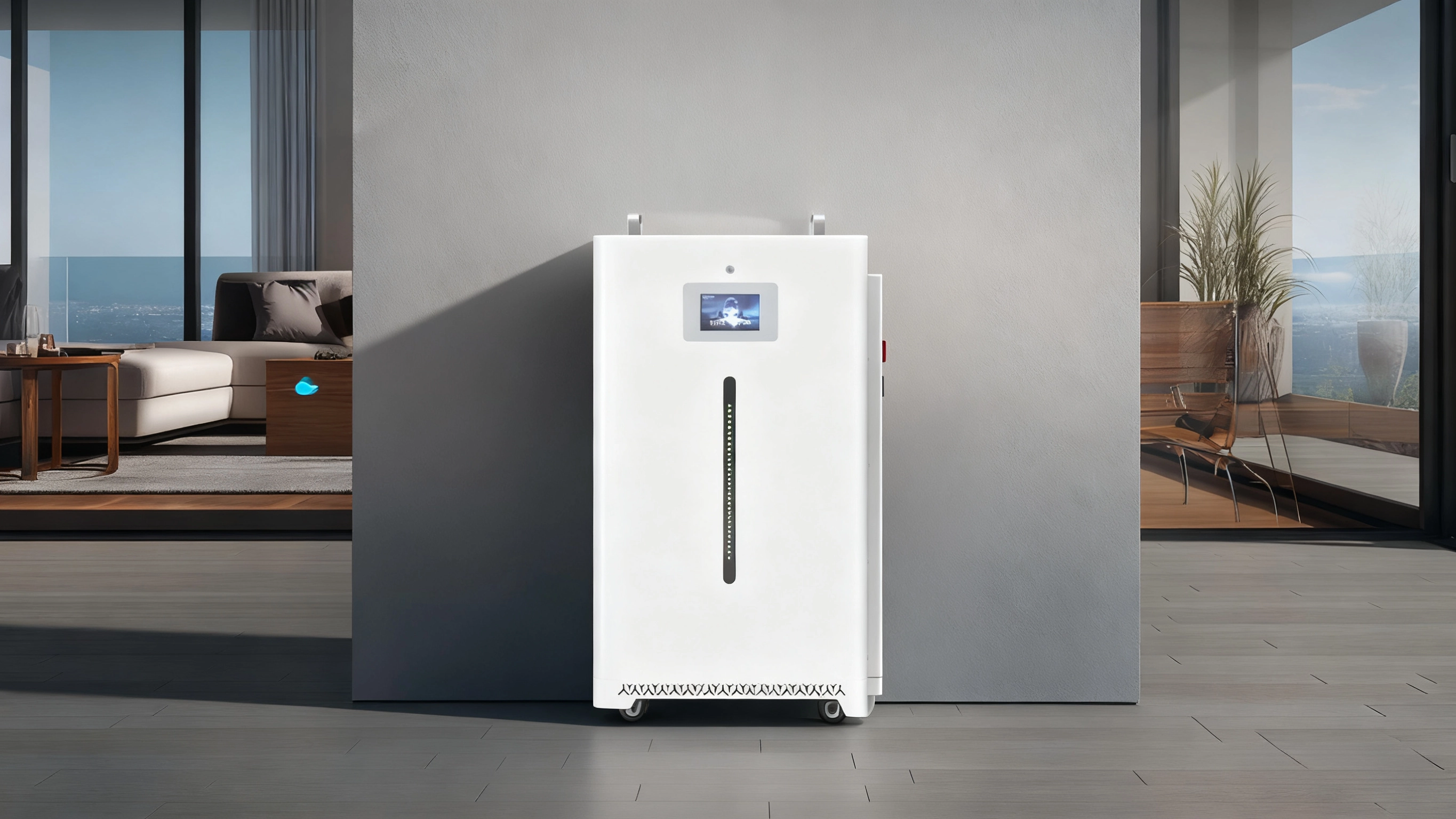
Solid-state batteries are widely regarded as a breakthrough in energy storage technology. Unlike conventional lithium-ion batteries that use liquid electrolytes, solid-state batteries utilize a solid electrolyte. This design provides several advantages, including improved energy density, enhanced safety, and longer operational lifespan.
Advantages of solid-state batteries
1. High energy density enables the storage of more power in a smaller space
2. Reduced risk of thermal runaway and chemical leakage
3. Longer operational life and stability under extreme conditions
4. Compact and adaptable design for residential, commercial, and industrial applications
Solid-state batteries are increasingly integrated with AI-powered energy management systems. By analyzing real-time energy consumption data, these systems optimize charging cycles, prevent overcharging, and enhance battery longevity. Their applications range from residential solar systems to large-scale commercial microgrids, where safety and reliability are critical.
Emerging research also indicates that solid-state batteries can operate efficiently in extreme temperature conditions, making them ideal for regions with harsh climates. Companies investing in solid-state technology are paving the way for safer and higher-performing energy storage systems worldwide.
EVE battery cells have established themselves as a leading solution in the energy storage market. These batteries are distinguished by their high-quality construction, verified authenticity, and advanced safety features. They support both residential and commercial energy storage systems and are recognized for their long lifespan and reliable performance.
Key technical features of EVE battery cells
●High cycle life ensures consistent long-term performance
●Advanced thermal and voltage management
●QR code verification for authenticity
●Compatibility with AI-based energy management systems
Applications include household backup energy for multiple devices, commercial backup solutions, and integration into solar-powered microgrids. The combination of EVE battery cells with intelligent management systems illustrates the real-world impact of battery technology innovation, enabling safer and more efficient energy storage solutions.
Key Applications of EVE Battery Cells
Residential homes supporting lighting, HVAC, and electronics
Commercial buildings ensuring uninterrupted operation of critical equipment
Solar microgrid systems in off-grid and remote locations
Integration with AI systems for optimized energy management
The adoption of EVE battery cells reflects a growing trend toward verified, high-performance, and intelligent energy storage solutions.
The energy storage industry is being reshaped by several emerging trends. These trends highlight the increasing importance of battery technology innovation in shaping the energy ecosystem:
●AI and IoT integration for intelligent energy management, real-time monitoring, and predictive maintenance
●Wider deployment of solid-state batteries as production scales reduce costs
●Sustainability focus, with emphasis on long-life batteries to minimize waste
●Broader adoption in residential, commercial, and industrial sectors to enhance energy independence
Projected Industry Developments by 2030
Widespread adoption of long-life batteries in homes
Grid-scale solid-state battery deployments for commercial use
Standardization of battery management systems across sectors
Integration of renewable energy with advanced storage technologies
These trends indicate that energy storage is moving beyond backup power solutions to a central role in energy planning, sustainability, and grid modernization.
The energy storage market is becoming increasingly competitive. Manufacturers of EVE battery cells, long-life batteries, and solid-state batteries are striving to provide solutions that balance performance, safety, and cost.
Key factors influencing market competitiveness
1. Battery lifespan and performance consistency
2. Safety standards and regulatory compliance
3. Technological differentiation through high energy density and AI integration
4. Cost-effectiveness and scalability
Market Comparison of Leading Battery Technologies
| Battery Technology | Applications | Key Advantages | Challenges |
|---|---|---|---|
| Standard Lithium-ion | Consumer electronics | Affordable and reliable | Limited lifespan and energy density |
| Long-Life Batteries | Residential and commercial storage | Extended cycle life, consistent performance | Higher upfront cost |
| Solid-State Batteries | Advanced storage and EVs | High energy density, safer, longer lifespan | Manufacturing complexity |
| EVE Battery Cells | Residential and commercial storage | Verified authenticity, high reliability | Limited global brand awareness |
These factors show how battery technology innovation drives investment decisions, product development, and market adoption. Companies that leverage advanced technologies and emphasize safety and reliability are gaining an edge in the rapidly growing energy storage sector.
Advances in battery technology innovation also support broader environmental goals. By using long-life batteries and integrating renewable energy sources, households and businesses can reduce carbon emissions and energy waste.
Energy storage systems can be paired with solar, wind, and other renewables to maximize self-consumption and reduce reliance on fossil fuels. For instance, a home equipped with EVE battery cells and a solar array can store excess energy during the day and utilize it at night, reducing grid dependency and lowering electricity bills.
Key benefits of energy-efficient storage systems include
●Reduced carbon footprint through renewable energy integration
●Lower electricity costs by optimizing energy usage
●Enhanced energy independence and resilience during outages
●Support for microgrid and decentralized energy systems
These benefits highlight how battery technology innovation is not only a technical achievement but also a strategic enabler for sustainability.
The integration of intelligent systems into energy storage solutions is transforming the industry. AI-powered monitoring platforms can track energy generation, consumption, and battery health in real time. Users can set preferences to optimize self-consumption, prioritize backup power, and receive instant alerts regarding system performance.
This intelligent management enhances the value of solid-state batteries and EVE battery cells, providing predictive insights, extending battery lifespan, and reducing operational risk. The combination of advanced battery technologies with AI systems exemplifies the convergence of innovation, efficiency, and user-friendly design in modern energy storage.
The continued development of battery technology innovation ensures that energy storage systems are safer, longer-lasting, and more efficient than ever before. By adopting long-life batteries, solid-state batteries, and EVE battery cells, homes, businesses, and energy providers can achieve greater resilience, sustainability, and cost-effectiveness.
Future energy storage systems will not only support daily energy needs but also contribute to grid stabilization, renewable energy integration, and carbon reduction goals. The evolution of the sector reflects a broader movement toward intelligent, sustainable, and reliable energy solutions that benefit society at large.


Compact, quiet, and powerful, it keeps your essentials running during outages and lets you charge anywhere with solar power or grid power.
Perfect for renters who need flexibility without compromise.
Our estimator is only set up to provide preliminary estimates and installer information to residents of single family homes.