
 Email Us
 Contact us
 Whats App
Single family home

Power outages used to feel like occasional inconveniences. In many cities today, they have become part of normal life. Severe weather, overloaded grids, construction accidents, and seasonal energy demand spikes can interrupt electricity with little warning. For people living in apartments, these interruptions create a different kind of problem than they do for homeowners.
Apartment residents usually cannot install large fuel generators. Storage space is limited. Noise restrictions are stricter. Indoor safety matters more. Yet modern apartment living depends heavily on electricity. WiFi routers, phones, laptops, lighting, fans, medical devices, and even small kitchen appliances all become essential during an outage.
That shift is one reason more renters and apartment owners are now looking for a compact emergency power supply instead of large traditional generators. Small portable energy systems are becoming practical everyday tools rather than niche outdoor products.
A modern portable power station is no longer designed only for camping. Many people now use portable backup power to maintain internet access during blackouts, keep phones charged during emergencies, power small appliances overnight, or support remote work when electricity suddenly disappears.
The appeal is especially strong in apartments because compact systems solve problems that large generators cannot. They are quieter, easier to carry, safer for indoor use, and simple to store in limited spaces.
As battery technology improves, small backup systems are becoming more reliable and longer lasting. Many modern models now use LiFePO4 battery chemistry, advanced BMS protection, and higher cycle life designs that allow years of daily or emergency use.
For apartment living, the conversation is no longer about owning the largest generator possible. It is about having reliable power for the devices that actually matter most.
For decades, fuel generators were the default backup power solution. They still play an important role for construction sites, large homes, and off-grid applications. But apartments create very different requirements.
A gasoline generator may produce significant power, but most apartment residents quickly discover that it introduces new problems rather than solving existing ones.
Traditional generators are loud. Even smaller gasoline units can create continuous engine noise that becomes difficult in apartment buildings where walls, balconies, and shared spaces are close together.
Many apartment complexes also restrict generator use entirely because of noise complaints.
Portable battery systems, by contrast, operate almost silently. A quiet indoor backup power solution is far more practical in high-density living environments where neighbors share walls and ventilation systems.
For people working remotely, quiet operation also matters during daytime outages. A portable battery station can keep laptops and internet equipment running without disrupting calls, meetings, or sleep.
Apartment residents rarely have safe storage areas for gasoline or propane. Many residential buildings prohibit fuel storage for safety reasons.
This creates another advantage for battery-based backup systems.
A compact emergency power supply can remain fully charged indoors without requiring fuel storage, maintenance, or ventilation concerns.
There is no need to:
Store gasoline
Rotate old fuel
Refill tanks
Handle exhaust emissions
Worry about fuel leaks
For apartment users, convenience often matters as much as power capacity.
Gas generators produce carbon monoxide and cannot safely operate indoors. In apartments, this becomes especially dangerous because balconies, enclosed spaces, and nearby windows create poor airflow conditions.
Battery systems eliminate combustion entirely.
Modern LiFePO4 portable power stations are increasingly popular because they provide:
No emissions
No engine heat
No fuel combustion
Minimal noise
Safer indoor operation
This is one reason searches for indoor safe portable power station and safe battery backup for indoor use continue growing.
Large generators are bulky and heavy. Many apartment residents simply do not have garages or outdoor storage areas.
Compact portable energy systems fit better into real apartment life.
A lightweight backup system can often fit:
Under a desk
Inside a closet
Beside a bed
In a utility cabinet
Near emergency supplies
A compact battery backup for apartment living becomes practical because it works within space limitations rather than fighting against them.
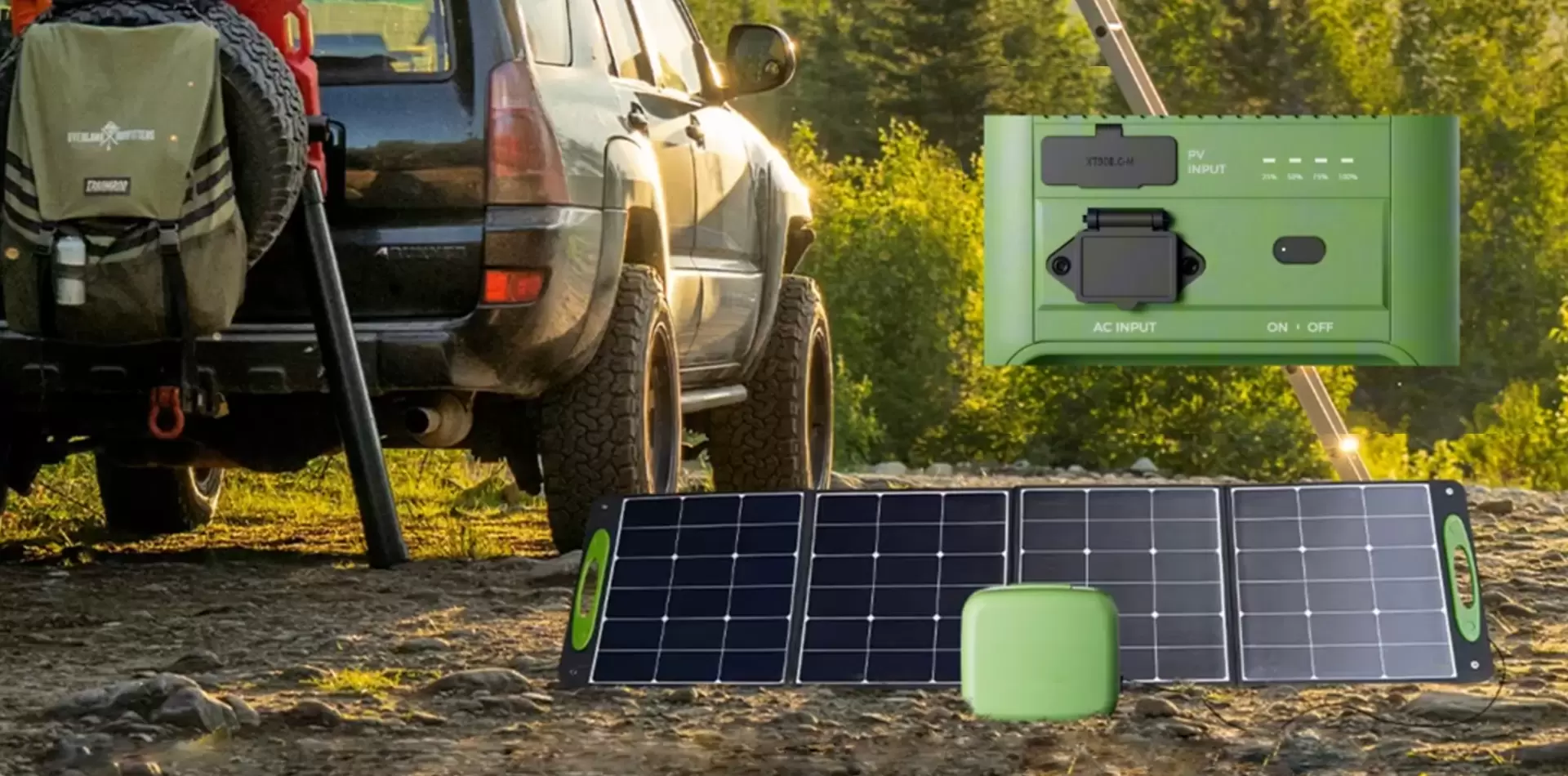
Most apartment users are not trying to power an entire house for days. Their needs are usually more focused and practical.
During short outages, people mainly want to:
Keep phones charged
Maintain WiFi access
Continue remote work
Run small fans
Keep lights operating
Protect refrigerated essentials
Power medical devices
That changes the type of backup power people actually need.
Instead of large fuel generators, many now prefer:
Portable battery stations
Lightweight solar generators
Small emergency backup batteries
Compact portable energy storage systems
A portable battery for blackout emergencies is often sufficient for apartment lifestyles because essential devices consume less power than most people assume.
One of the biggest misconceptions about compact power stations is that they are too small to be useful. In reality, many apartment essentials require relatively low wattage.
A properly designed portable battery for essential devices can support the equipment people rely on most during outages.
Internet access has become one of the most important utilities in modern homes. During outages, keeping a router powered often becomes a top priority.
A portable power station for WiFi router use is now one of the fastest-growing backup power applications.
Most routers consume relatively little energy, which means compact power stations can often keep internet access active for many hours.
Devices commonly powered during outages include:
| Device | Typical Power Usage |
|---|---|
| WiFi router | 10W–20W |
| Smartphone charging | 5W–20W |
| Laptop | 40W–100W |
| LED lighting | 5W–15W |
| Tablet | 10W–30W |
This makes a backup battery for laptop and phone use extremely practical in apartments where remote work is common.
For many users, staying connected matters more than running large appliances.
Compact backup systems can also support smaller household appliances for short periods.
Many people specifically search for:
portable battery for mini fridge
compact power supply for small appliances
small backup battery for home use
A 300W portable power station may support:
Mini refrigerators
Small fans
LED televisions
CPAP machines
Electric blankets
Small coffee makers
Portable lights
The actual runtime depends on appliance wattage and battery capacity.
Here is a general comparison:
| Appliance | Approximate Wattage | Portable Use Suitability |
|---|---|---|
| Mini fridge | 60W–120W | Good |
| LED lamp | 5W–15W | Excellent |
| Laptop | 60W | Excellent |
| Electric kettle | 800W+ | Usually unsuitable |
| Microwave | 1000W+ | Usually unsuitable |
| Fan | 30W–60W | Good |
This is why apartment users increasingly focus on powering essentials instead of entire kitchens.
Portable power is also becoming important for health-related needs.
Many users search for:
portable battery for CPAP machine
portable power during blackout
safe battery backup for indoor use
For people who rely on medical devices, backup power becomes more than a convenience.
Battery-based systems are attractive because they:
Operate quietly overnight
Produce no exhaust
Require minimal setup
Work indoors safely
Can remain stored fully charged
This has significantly increased demand for compact indoor backup systems.
Large-capacity energy systems attract attention online, but apartment users often prioritize portability over maximum output.
A backup system that is too large may become inconvenient to:
Carry upstairs
Store indoors
Move during emergencies
Use daily
This is why searches for:
portable power station under 10kg
lightweight backup power for apartments
compact emergency power supply
continue increasing.
Apartment layouts rarely include extra utility rooms or garages.
Compact systems fit better into:
Studio apartments
Shared living spaces
Rental units
Small bedrooms
Urban apartments
A portable backup battery for renters works because it adapts to temporary living arrangements.
Lighter systems are more likely to be used regularly.
People can easily:
Move them between rooms
Take them outdoors
Bring them on trips
Use them for weekend travel
Store them after emergencies
Heavy systems often remain unused because moving them becomes difficult.
A compact system encourages actual preparedness.
Battery chemistry plays a major role in safety, longevity, and long-term value.
Many newer portable power stations now use LiFePO4 batteries instead of traditional lithium-ion chemistry.
This shift is especially important for indoor residential use.
One major advantage of LiFePO4 systems is cycle life.
Traditional portable batteries may support:
500 to 3000 cycles
Higher-quality LiFePO4 systems may exceed:
6000 cycles
8000 cycles
This is why terms like:
long lifespan portable battery
long cycle portable power station
8000 cycle battery power station
are becoming increasingly common.
Longer cycle life means:
Better long-term value
Less battery degradation
Lower replacement frequency
More consistent performance
For apartment users who may rely on backup power frequently, longevity matters.
Battery safety has become a major concern in portable electronics.
LiFePO4 chemistry offers stronger thermal stability compared with some conventional lithium-ion systems.
Benefits include:
Lower overheating risk
Improved structural stability
Better high-temperature tolerance
Safer indoor storage
This is one reason more consumers search for:
LiFePO4 backup battery for home use
safe portable power station for indoor use
especially in apartments where ventilation is limited.
Apartment residents often want backup systems that require minimal maintenance.
LiFePO4 batteries are attractive because they generally provide:
Stable performance
Lower self-discharge
Reliable cycling
Longer service life
For emergency preparedness, reliability matters more than theoretical maximum power.
Modern portable energy systems rely heavily on Battery Management Systems, commonly called BMS.
A portable power station with BMS protection helps manage:
Voltage balance
Charging safety
Temperature monitoring
Overcurrent protection
Short-circuit prevention
These systems improve both performance and safety.
Battery overcharging can reduce lifespan and increase risk.
BMS technology helps automatically regulate charging behavior to maintain battery health over time.
Portable power systems may operate:
Indoors
Outdoors
During summer heat
During winter conditions
Temperature monitoring helps protect battery cells under changing environmental conditions.
This becomes especially important for:
Apartment storage
Vehicle transport
Camping applications
Unexpected overloads can damage portable electronics.
BMS systems help reduce these risks by disconnecting unsafe loads when necessary.
For indoor users, this adds another layer of safety.
Remote work has changed how people think about electricity.
Years ago, losing power mainly meant inconvenience. Today, it can interrupt:
Meetings
Online work
Cloud access
Client communication
Remote collaboration
A compact battery station can help maintain productivity during short outages.
This is why many professionals now keep:
Backup batteries
Portable power stations
Compact energy storage systems
inside home offices.
Searches for:
backup battery for laptop and phone
portable power station for WiFi router
portable power during blackout
have increased significantly alongside remote work growth.
Homeowners may invest in large permanent backup systems. Renters usually need more flexible solutions.
Portable systems work well because they:
Require no installation
Need no wiring modifications
Can move between apartments
Do not affect lease agreements
Support temporary living situations
A portable backup battery for renters fits modern urban lifestyles far better than fixed infrastructure.
Noise is often underestimated until an outage actually happens.
In apartment buildings, loud generators can:
Disturb neighbors
Create complaints
Interrupt sleep
Increase stress
Quiet battery systems create a much more comfortable experience during emergencies.
This is one reason quiet indoor backup power continues becoming a strong search trend.
Portable power systems are also becoming more attractive because many can integrate with solar charging.
While apartment residents may not install full rooftop solar systems, portable solar panels create additional flexibility.
This allows users to:
Recharge during outages
Extend battery runtime
Reduce grid dependence
Use backup power outdoors
Searches for:
compact solar generator for apartment living
portable solar battery
small solar generator for apartments
continue increasing as solar charging becomes more accessible.
Portable energy systems are no longer limited to emergencies.
People now use them for:
WiFi protection
Phone charging
Laptop backup
Desk power
Weekend camping
Fishing trips
Outdoor photography
Tailgating
Storm outages
Heatwave blackouts
Temporary grid failures
Emergency lighting
Van weekends
Mobile workstations
RV support
Portable charging
This versatility increases long-term value.
Not every portable power station is designed for apartment use.
Users should evaluate several factors before choosing a system.
LiFePO4 systems are increasingly preferred because of:
Safety
Cycle life
Stability
Long-term reliability
For apartment users, portability matters more than maximum output.
A lighter system is easier to:
Carry upstairs
Store
Relocate
Transport
Battery systems with silent or near-silent operation are generally better suited for apartments.
Users should focus on realistic usage:
Router
Laptop
Lighting
Fan
Phone charging
rather than oversized whole-home backup expectations.
Important features include:
BMS protection
Temperature management
Overload protection
Short-circuit protection
Longer cycle life improves long-term value.
A long cycle portable power station may remain useful for many years with proper use.
Emergency preparation used to focus mainly on food and flashlights.
Today, electricity itself has become essential.
Without power, people may lose:
Communication
Internet access
Lighting
Cooling
Work capability
Device charging
Portable energy storage is increasingly viewed as practical infrastructure rather than optional equipment.
For apartment users, compact systems make the most sense because they match:
Urban lifestyles
Limited storage
Indoor safety requirements
Flexible living arrangements
Instead of investing in oversized systems, many people now prefer compact portable backup power that supports essential daily devices during short outages.
That shift is changing the portable energy industry.
The future of emergency preparedness may not belong to the largest generators. For many apartment residents, it belongs to smaller, quieter, safer, and more portable battery systems designed around real everyday needs.
Is a portable power station safe for apartment use?
Most modern battery-based portable power stations are designed for indoor use when operated according to manufacturer guidelines. LiFePO4 systems with BMS protection are generally considered safer than fuel generators for apartment environments.
What devices can a 300W portable power station run?
A 300W portable system may support:
WiFi routers
Phones
Laptops
LED lighting
Small fans
Mini refrigerators
CPAP machines
High-power kitchen appliances usually require larger systems.
How long can a portable battery power a WiFi router?
Runtime depends on battery capacity and router power consumption. Many compact portable power stations can keep a router operating for several hours during an outage.
Why are LiFePO4 batteries popular in portable power stations?
LiFePO4 batteries offer:
Longer cycle life
Better thermal stability
Improved safety
Longer service life
These features make them increasingly popular for indoor backup energy storage.
Can portable power stations replace traditional generators?
For small apartment backup needs, portable battery systems may provide a more practical alternative because they are quieter, safer indoors, and easier to store.
However, large fuel generators may still be necessary for whole-home or heavy appliance backup.
What should apartment residents look for in a backup power system?
Important factors include:
Compact size
Quiet operation
Battery safety
Cycle life
Portability
Essential device compatibility
Can portable power stations be charged with solar panels?
Many modern systems support solar charging, allowing users to recharge batteries using compatible portable solar panels.
How long does a portable power station battery last?
Battery lifespan depends on chemistry and usage patterns. LiFePO4 systems may support thousands of charge cycles and remain operational for many years.


Compact, quiet, and powerful, it keeps your essentials running during outages and lets you charge anywhere with solar power or grid power.
Perfect for renters who need flexibility without compromise.
Our estimator is only set up to provide preliminary estimates and installer information to residents of single family homes.