
 Email Us
 Contact us
 Whats App
Single family home

A few years ago, most homeowners only thought about backup power after a storm warning appeared on the news. Today, that mindset is changing. In many regions, power outages are becoming more frequent, but the bigger shift is happening inside the home itself. Families rely on electricity differently now. Internet connections support remote work and school. Security systems stay active around the clock. Refrigerators hold days of groceries. Phones have become emergency communication tools rather than simple devices.
When the power suddenly goes out at night, people notice immediately how dependent daily life has become on stable electricity.
For decades, gasoline generators were the standard solution. They still work well in certain situations, especially in rural areas or large off-grid properties. But many homeowners no longer want to deal with loud engines, fuel storage, exhaust fumes, or complicated maintenance routines. What used to feel acceptable now feels outdated, especially in neighborhoods where houses are closer together, and quieter living environments matter more.
That shift explains why interest in quiet backup power for home use has increased so quickly over the last few years. Home battery systems are no longer viewed only as premium smart-home products. More households are beginning to see them as a practical way to stay comfortable during outages without bringing the noise and inconvenience of a traditional generator into everyday life.
The appeal is not only about emergencies. A modern battery system changes how a home uses energy even when the grid is operating normally. It can store electricity for later use, support solar energy systems, automatically provide power during outages, and allow homeowners to monitor electricity usage directly from a phone. Backup power is slowly becoming part of a larger shift toward smarter and more independent residential energy systems.
Generators solved a problem for many years, but they were designed around an older idea of emergency power. Most people accepted that backup electricity would be noisy, temporary, and inconvenient. The goal was simply to keep a few appliances running until utility power returned.
Modern homeowners expect something different now.
During a nighttime outage, the sound of a generator can completely change the atmosphere around a house. Even smaller units create a constant mechanical hum that spreads through the neighborhood. In suburban communities or residential developments where homes are close together, that noise becomes difficult to ignore after several hours.
For families with young children or elderly relatives, the problem becomes even more noticeable. The power may be back, but the house still does not feel calm. Sleep becomes difficult. Conversations require raised voices. The emergency itself starts feeling larger than it actually is.
A silent home battery system changes that experience completely. Instead of pulling a generator outside, checking fuel levels, and listening to engine noise all night, the home continues operating quietly in the background. Lights stay on. Internet access remains active. Essential appliances continue running. But the atmosphere inside the home stays almost unchanged.
The difference is psychological as much as technical.
Fuel dependency has also become a growing concern. During severe storms or regional outages, gasoline availability often becomes unpredictable. Long lines at gas stations are common after hurricanes, winter storms, or heat-related grid failures. Homeowners sometimes realize that backup power depends just as much on fuel logistics as it does on the generator itself.
That is one reason searches related to battery backup instead of generator systems have become increasingly common. People are looking for solutions that remove fuel from the equation entirely.
Battery systems do not require refueling during an outage. There is no need to store gasoline in the garage or rotate old fuel supplies every season. For many households, eliminating those responsibilities is part of the appeal.
Safety is another major factor driving the transition.
Traditional generators cannot safely operate indoors because they produce exhaust gases, including carbon monoxide. Every year, improper generator use leads to injuries and fatalities during emergency situations. Homeowners understand those risks more clearly today than they did in the past.
An indoor safe backup power system offers a different kind of security. Instead of relying on combustion engines, modern battery systems store energy electronically and deliver electricity without producing fumes or engine heat. That makes them much easier to integrate into normal residential environments.
The shift away from generators is not happening because generators stopped working. It is happening because homeowners started expecting backup power to fit more naturally into modern life.
The most noticeable difference with battery backup systems is not technical performance. It is the way daily life continues without interruption.
During a traditional outage, households often move into emergency mode immediately. People search for flashlights, limit appliance use, and start calculating fuel consumption. The outage becomes the center of attention inside the home.
Battery systems reduce that disruption.
A modern automatic backup battery for home use can detect grid interruptions and switch power sources almost instantly. In many situations, homeowners may only notice a brief flicker before essential systems continue operating normally.
That seamless transition changes how outages feel psychologically.
Internet access is one of the first things people worry about when electricity disappears. Remote workers may have unfinished meetings or deadlines. Families rely on messaging apps and online updates during severe weather events. Smart home systems and security cameras often depend on stable network connections.
With a properly configured battery system, routers, laptops, lighting, and communication devices can continue operating without major interruption.
The following table shows why battery systems fit modern residential priorities more effectively than many traditional generators.
| Feature | Home Battery System | Traditional Generator |
|---|---|---|
| Noise Level | Extremely quiet | Loud engine noise |
| Indoor Use | Possible with proper installation | Unsafe indoors |
| Fuel Requirement | None | Requires gasoline or diesel |
| Startup | Automatic | Usually manual |
| Maintenance | Low | Regular servicing needed |
| Solar Compatibility | Yes | Limited |
| Remote Monitoring | Common | Rare |
What homeowners increasingly value is not maximum power output. It is stability and convenience.
Most households do not necessarily need to power every appliance during a short outage. They mainly want the home to remain functional. Keeping lights on, preserving internet access, charging devices, and supporting refrigeration often matters more than running energy-intensive equipment.
That is where battery systems fit naturally into modern residential energy needs.
Nighttime outages feel very different from daytime interruptions. During the day, people can still move around easily, monitor weather updates, or leave the house if necessary. At night, the same outage immediately feels more disruptive.
Darkness changes how families respond to emergencies.
Children wake up confused when air conditioning suddenly stops. Outdoor sounds become more noticeable. Internet routers shut down, removing access to information. In warmer climates, indoor temperatures can rise quickly overnight without ventilation or fans.
The traditional generator approach often adds another layer of discomfort. Starting a generator outside late at night means dealing with noise, weather conditions, and fuel management while already stressed.
A battery backup for nighttime power outages creates a much calmer experience because it works quietly in the background.
The emotional difference matters more than many people expect. Homes feel safer when lights remain stable and communication devices continue functioning normally. The absence of engine noise also helps families rest during extended outages rather than feeling trapped inside a constant emergency environment.
This is one reason battery systems are increasingly viewed not only as technical equipment, but as part of overall household comfort planning.
Another reason residential battery systems are becoming more popular is that they no longer function only during emergencies. Modern systems actively participate in everyday energy management.
That shift is especially visible in homes using solar power.
A traditional generator sits unused until the grid fails. A battery system, however, can store energy daily, manage electricity consumption, and optimize how a home interacts with the grid.
This is where the idea of the smart battery system with app control becomes important.
Homeowners increasingly expect the same kind of digital visibility from their energy systems that they already have with thermostats, cameras, or lighting controls. They want to see how much electricity their home consumes, when the battery is charging, and how much backup capacity remains available.
Remote monitoring changes how homeowners interact with energy. Instead of treating electricity as invisible infrastructure, they begin understanding usage patterns more clearly.
A remote monitoring home battery system can provide information such as:
current battery percentage
household power consumption
solar charging status
backup readiness
charging schedules
For homeowners interested in reducing electricity costs, that visibility can become valuable over time.
In regions with time-of-use electricity pricing, battery systems may also store cheaper off-peak energy for use during more expensive daytime hours. This transforms residential battery storage from a purely emergency-focused product into an everyday efficiency tool.
The technology is gradually becoming part of the broader smart home ecosystem.
Battery chemistry is one of the least visible but most important aspects of residential energy storage.
Many homeowners researching backup systems eventually encounter LiFePO4 technology because it has become increasingly common in higher-quality residential batteries.
The reason is simple: homeowners care about long-term reliability.
Older battery technologies often suffered from shorter lifespans, performance degradation, or thermal concerns. LiFePO4 systems became popular because they improved several of these limitations at the same time.
One of the biggest advantages is cycle life.
| Battery Chemistry | Estimated Lifespan |
|---|---|
| Lead-Acid | Relatively short |
| Standard Lithium-Ion | Moderate |
| LiFePO4 | Long-term residential use |
A long lifespan home battery system can continue operating effectively for many years with proper usage. That matters because residential battery systems are increasingly viewed as long-term infrastructure investments rather than temporary gadgets.
Thermal stability is another major advantage.
A safe lithium battery for residential use must operate reliably across changing temperatures and usage conditions. LiFePO4 batteries generally provide better thermal performance than older battery chemistries, making them more suitable for indoor residential installations.
This becomes especially important as more homeowners install batteries inside garages, utility rooms, or integrated residential spaces.
The conversation around residential energy storage has shifted from “how much power can it provide?” to “how safely and reliably can it operate for years?”
That change favors battery technologies designed for long-term residential stability rather than short-term portable usage.
Residential energy systems are no longer hidden industrial equipment. Homeowners now care about how backup systems fit visually and physically into living spaces.
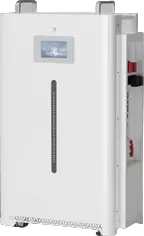
A large noisy generator sitting permanently outside the house feels very different from a clean wall-mounted battery integrated into a modern home design.
A wall mounted backup battery appeals to homeowners partly because it uses space more efficiently. In smaller homes or urban properties, floor space matters. Compact installation allows energy systems to fit into garages, utility walls, or outdoor installation areas without dominating the environment.
Weather resistance also matters more as outdoor installation becomes increasingly common.
A modern waterproof home battery storage system can better tolerate environmental exposure, which improves installation flexibility for homeowners who lack indoor utility space.
The design shift reflects a broader change happening across residential technology. Home energy equipment is gradually becoming part of the home itself rather than separate mechanical infrastructure.
Solar power has played a major role in expanding residential battery storage.
Without storage, solar panels often send excess electricity back to the grid during the day. Homeowners then buy electricity back from utilities at night when solar generation stops.
Battery systems change that equation.
Instead of exporting all excess energy immediately, homeowners can store solar electricity for later use. That stored energy can then support the house overnight or during outages.
For many families, this creates a stronger sense of energy independence.
The combination of solar panels and battery storage also improves resilience during grid failures. A properly configured battery system allows homes to continue operating even when surrounding areas lose electricity.
That capability became especially important after several major weather-related grid failures in recent years.
Homeowners are increasingly viewing energy storage as part of long-term household security rather than only a financial investment.
The backup power market used to focus almost entirely on output capacity. Bigger generators meant more power, and more power was considered automatically better.
That mindset is changing.
Modern homeowners are paying closer attention to:
noise levels
maintenance requirements
indoor safety
smart monitoring
installation flexibility
long-term reliability
In many situations, households are not trying to power every appliance simultaneously during an outage. They simply want normal life to continue with minimal disruption.
That is why generator free home backup power systems are becoming increasingly attractive.
The goal is no longer survival-style emergency electricity. It is comfortable continuity.
A quiet battery system allows homes to remain functional without changing the atmosphere of the household itself. That difference is becoming one of the strongest reasons residential battery adoption continues growing worldwide.
The growing popularity of residential battery storage reflects a larger shift in how people think about electricity.
Power is no longer just a utility that arrives through wires. It has become deeply connected to work, communication, security, and everyday comfort. When electricity disappears, modern households feel the impact immediately.
Battery systems address that reality differently than generators do.
Instead of creating more noise and maintenance during emergencies, they aim to keep homes stable, quiet, and connected. The technology is becoming more integrated, more intelligent, and more residential in its design philosophy.
For many homeowners, the decision is no longer simply about backup power. It is about creating a home that can continue functioning comfortably even when the grid becomes unreliable.
That is why the conversation around quiet backup power for home use is growing so quickly. It reflects changing expectations about what modern residential energy should actually feel like.


Compact, quiet, and powerful, it keeps your essentials running during outages and lets you charge anywhere with solar power or grid power.
Perfect for renters who need flexibility without compromise.
Our estimator is only set up to provide preliminary estimates and installer information to residents of single family homes.