
 Email Us
 Contact us
 Whats App
Single family home

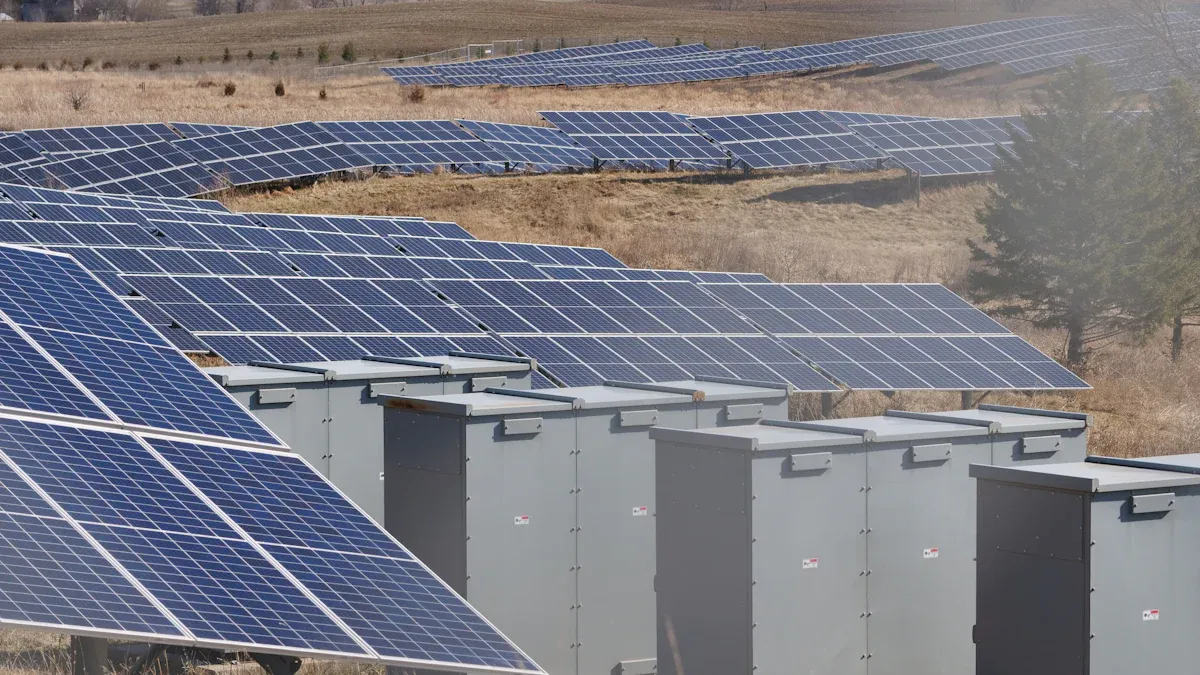
You want a solar battery that has good capacity, efficiency, lifespan, and safety. The battery you pick should fit your energy needs and goals. It should also match how much power you use each day. Many people want batteries with high capacity and strong chemistry. They also look for long warranties. Safety features like thermal management help keep your home safe. Battery management systems also protect your home. Some new batteries, like the BEINENG Home ESS, have everything in one system. They give you solar energy, storage, and backup power together. Try to think about saving energy for a long time. Look at the real benefits, not just the first price.
Pick a solar battery that can store enough energy for your daily use. This helps you have power when the lights go out.
Find batteries that have high efficiency ratings. High efficiency means you lose less energy and save more money.
Think about how long the battery will last and its warranty. A longer life and good warranty give you better value and trust.
Make sure your battery has good safety features. Cooling systems and automatic shutdowns help keep your home safe.
Choose a battery system that you can add more to later. This lets you store more energy if you need it in the future.
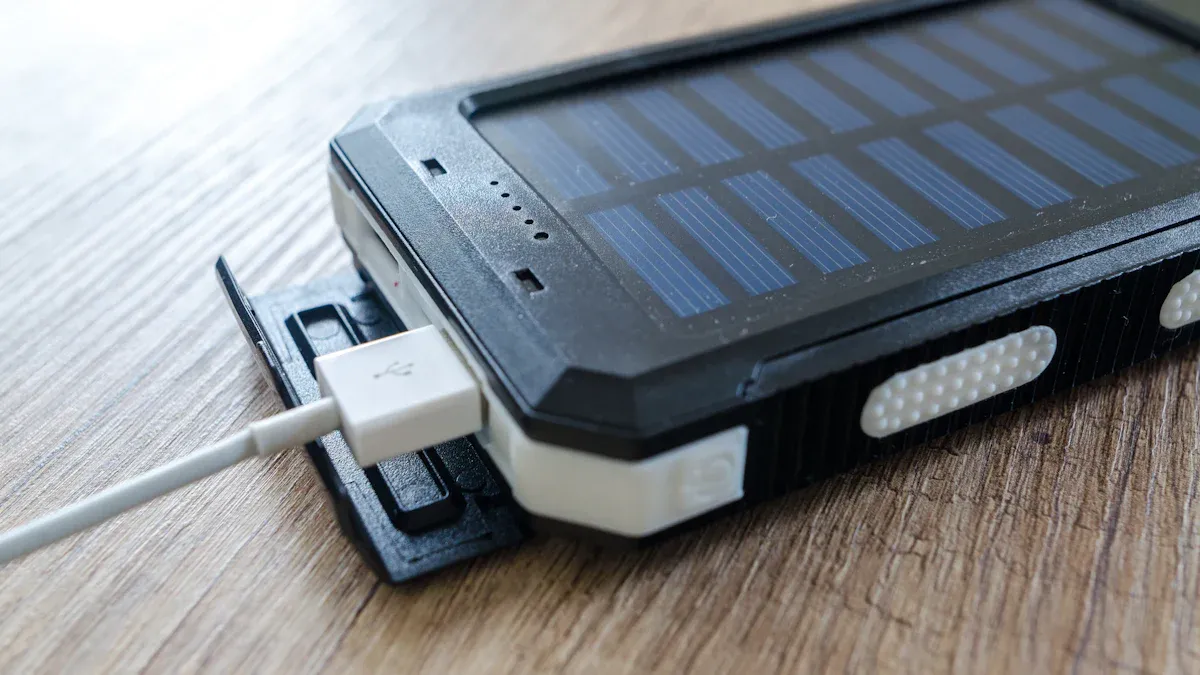
Before you pick a solar battery, you should know how much energy your home uses. The capacity tells you how much electricity the battery can hold. This is measured in kilowatt-hours (kWh). Most home solar batteries store between 5 and 20 kWh. This amount works for many homes with solar power.
Here is a table that shows the usual range for home solar batteries:
Parameter | Range |
|---|---|
Discharge Rate (kW) | 0.5 to 5 kW |
Storage Capacity (kWh) | 5 to 20 kWh |
A battery with 10 kWh can run important things in your house for at least one day if the power goes out. You can keep your fridge cold, charge your phone, and use medical machines. How long it lasts depends on how much energy you use and how you use your solar system.
Battery capacity is measured in kilowatt-hours (kWh), usually from 1 kWh to 18 kWh.
A normal home battery is about 10 kWh. This gives you about 9 kWh of energy you can use when the power is out. Some energy stays in the battery to protect it and keep the solar inverter working.
The power output shows how much electricity the battery can give at one time. This is measured in kilowatts (kW). You need enough power output to run your most important things at the same time. If you want to use your air conditioner, fridge, and lights together, you need a battery with higher power output.
Here is a table with examples of top home solar batteries:
Battery Model | Usable Capacity | Peak Power | Continuous Power | Warranty |
|---|---|---|---|---|
Enphase IQ 5P | 5 kWh | 7.68 kW (3s) | 3.84 kW | Up to 15 years |
Franklin aPower2 | 15 kWh | 15 kW (10s) | 10 kW | Up to 15 years |
When the power goes out, your solar battery gives you power right away. This keeps your house working and your family safe. You can keep food cold, charge your devices, and use medical equipment. The size of your battery and how much energy you use decide how many things you can run at once.
You should choose the right size for your solar battery. The right size means you have enough energy but do not spend too much money. Here is an easy way to pick the right battery for your solar system:
Look at your energy bill for the last year. Find the month you used the most energy and divide by 30 to get your average daily use in kWh.
Write down your most important appliances. These are your critical loads.
Think about how long you want backup power. Check how long outages last where you live.
If you have solar panels, see how much energy they make and how much you use.
Decide how many days you want to use only your battery if there is no sun.
Follow the battery maker’s advice for depth of discharge. Make sure your battery can handle your important appliances.
Tip: Always pick a battery that fits your solar system and your daily energy needs. This helps you get the most from your solar power and keeps your home safe and comfortable.
A battery that is the right size helps you feel safe. You can use clean solar energy, save money, and keep your house running when the power is out.
There are two main types of solar battery for homes. These are lithium-ion and lead-acid. Most people now pick lithium batteries for their solar systems. Lithium batteries can store more energy. They last longer and work better. Lead-acid batteries cost less at first. But they hold less energy and need more care. You can see how they compare in this table:
Metric | Lithium-ion | Lead acid |
|---|---|---|
Cost | $5,000 - $15,000 | $500 - $1,000+ |
Capacity | 15+ kWh | 1.5-5 kWh |
Depth of discharge | 85% | 50% |
Efficiency | 95% | 80-85% |
Lifespan | 10-15 years | 3-12 years |
Lithium batteries are better than lead-acid in most ways. They let you store more energy. They are more efficient and last longer. You can use more of the energy without hurting the battery.
Solar battery technology is getting better every year. Now, lithium iron phosphate batteries are very popular for homes. Sodium-ion batteries are also starting to show up. They cost less and work well in hot or cold weather. Water-based batteries use water to make storing energy safer. Some batteries use AI-powered management systems. These help you save energy and know when to do maintenance. Some homes link their batteries to virtual power plants. This lets you sell extra energy back to the grid.
Lithium iron phosphate batteries are safe and last a long time.
Sodium-ion batteries are cheaper and handle heat well.
Water-based batteries do not catch fire.
AI-powered systems help you use energy better.
Virtual power plants let you share energy with others.
Here is a table that shows how these batteries compare:
Battery Type | Cost per kWh | Efficiency (%) | Lifespan (Years) |
|---|---|---|---|
Lithium-Ion | $400 - $800 | 85 - 95 | 10 - 20 |
Lead-Acid | $50 - $100 | 70 - 80 | 5 - 10 |
Flow | $200 - $500 | 75 - 85 | 20+ |
Sodium-Ion | $150 - $250 | 85 - 90 | 10 - 15 |
Pick a home battery system that fits your solar goals. Think about how much energy you want to store and use. Make sure the battery has enough capacity for your needs. Check how long it will last and how efficient it is. The battery should work with your solar panels and be safe. Compare the costs, including setup and care.
Tip: Pick a battery that matches your energy needs, lasts a long time, and works safely with your solar system.
A good home battery system helps you save energy. You can use more solar power and keep your home running during blackouts. This gives you steady solar energy and lower bills.
You want your solar battery to give you as much energy as it can. Battery efficiency shows how much energy you get back after charging. High efficiency means you lose less energy when charging and using the battery. Most new solar batteries use lithium iron phosphate technology. These batteries work well and last a long time. You can see how different batteries compare in the table below:
Feature | LiFePO4 Battery | Lead-Acid Battery |
|---|---|---|
Typical Round Trip Efficiency | 90-95%+ | 70-85% |
Lifespan (Cycles) | 2,000 - 5,000+ | 300 - 700 |
Usable Capacity (DoD) | 80-100% | 30-50% |
Maintenance | Minimal | Regular (e.g., water refilling) |
High efficiency lets you use more solar energy and save money. You waste less energy, so your battery gives you better value. If you pick a battery with high efficiency, you can use clean solar power for many years.
Depth of discharge (DoD) tells you how much battery energy you use before charging again. If you use 80% of your battery, your DoD is 80%. A higher DoD lets you use more energy, but it can make your battery wear out faster. Here is what you should know about DoD:
Using more energy each time puts more stress on your battery.
Every time you use and charge the battery, it changes inside.
Big changes from deep discharges can cause cracks and damage.
DoD is the percent of battery energy used compared to its total.
Higher DoD gives you more energy but can make the battery wear out sooner.
Lower DoD helps your battery last longer by lowering stress.
Deep discharges make the battery wear out faster.
Shallow discharges help your battery last for many more cycles.
If you want your battery to last, do not drain it all the way. Many lithium batteries let you use up to 90% of their energy, but using less can help them last longer.
You can help your solar battery work better by following some easy steps. These tips help keep your battery efficient and make it last longer:
Keep your battery at the right temperature, between 68°F and 77°F. Too much heat or cold can hurt your battery and make it less efficient.
Charge and use your battery slowly. Set a DoD limit between 80% and 90% to protect it.
Make sure your system has good parts, like inverters and battery management systems. Good parts help your battery work its best.
Check your battery’s performance often. Use smart apps to watch your energy use and find problems early.
Tip: The BEINENG Home ESS uses smart controls and a battery management system. You can set limits and check how your battery is doing with the myBeineng app.
If you follow these steps, your battery will work well and last a long time. You will use more solar energy and keep your home running smoothly. Smart choices help you get the most from your solar battery system.
You want your solar battery to last a long time. The lifespan tells you how many times you can charge and use the battery before it loses power. This is called cycle life. Lithium-ion batteries last much longer than lead-acid batteries. You can see the difference in this table:
Battery Type | Typical Cycle Life |
|---|---|
Lithium-ion | 2,000 to 5,000 cycles |
Lead-acid | Up to 1,000 cycles |
A battery with a long lifespan works for many years. This gives you more value and makes your solar system more reliable. You do not have to buy a new battery as often. This saves you money and time.
When you buy a solar battery, always check the warranty. A good warranty helps you if something breaks. Most top companies give at least 10 years of coverage. Some warranties also pay for labor and shipping. The chart below shows how top brands compare:
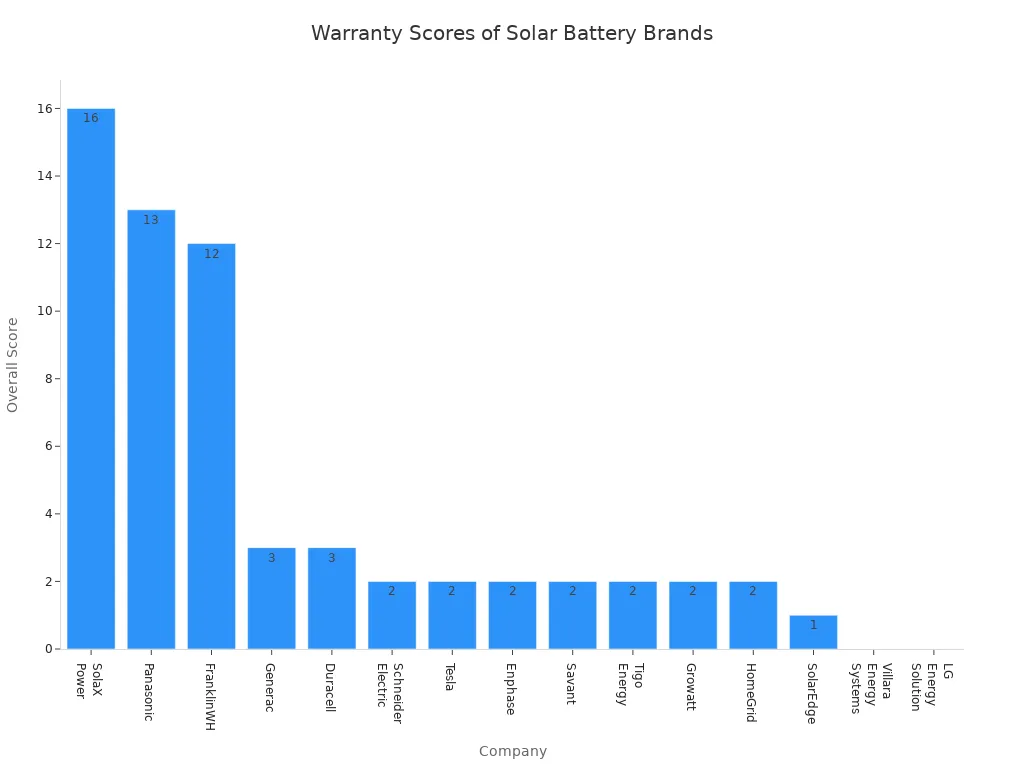
Look for these things in a warranty:
How long the warranty lasts (at least 10 years)
What is covered (product, labor, shipping)
End of warranty capacity (how much energy the battery can still store)
If you can give the warranty to a new owner
A strong warranty helps you feel safe. It also shows the company trusts its battery.
The lifespan of your battery changes how much value you get from your solar system. A battery that lasts a long time and has a good warranty means you spend less on new batteries and repairs. Lithium iron phosphate batteries, used in many new systems, have a strong structure. This helps them last for thousands of cycles with little loss of power. You get many years of backup power and energy storage. This lowers your total cost and gives you more value from your solar system.
Note: Knowing about battery lifespan and warranty helps you make smart choices. You get better reliability, save more energy, and get more from your solar investment.
You want your solar battery to keep your home safe. New batteries have many safety features built in. These features help stop accidents and keep your battery working well. Here is a table that shows common safety features in home batteries:
Safety Feature | Description |
|---|---|
Advanced Cooling Systems | Use passive and active cooling to keep the battery at the right temperature and stop overheating. |
Automatic Shutdown Protection | Disconnects the battery from the system if it finds unsafe conditions. |
Physical Barriers | Fire-resistant materials and special cell spacing stop heat and fire from spreading. |
Safer Battery Chemistry | Lithium Iron Phosphate batteries are more stable and less likely to catch fire than older types. |
These protections help you use solar energy safely every day. You can trust your battery to store and give you energy without worry.
You should check if your solar battery meets safety standards. These rules make sure your battery is safe for your home. Here are some important certifications:
UL 9540 and UL 9540A test for fire safety and how the battery handles dangerous events.
UL 1973 and UL 1741 check the safety of battery modules and inverters.
NFPA 855 gives rules for safe installation and fire safety.
DNV Certification checks for global safety and reliability.
Many places need these certifications before you install a solar battery. These standards protect you from fire and electrical dangers. You can feel sure your battery meets strict safety rules.
You help keep your solar battery safe. Good installation and regular care help your battery last longer and work better. Here are some tips to follow:
Watch your battery’s performance with an app or dashboard. Check charge cycles and voltage.
Keep your battery in a cool, dry, and well-ventilated place.
Avoid deep discharges by setting a reserve threshold.
Keep the area around your battery clean and easy to reach.
Schedule yearly inspections with a certified technician.
Tip: Regular checks and smart monitoring help you find problems early and keep your battery safe.
If you follow these steps, your solar battery will give you safe, reliable energy for years.
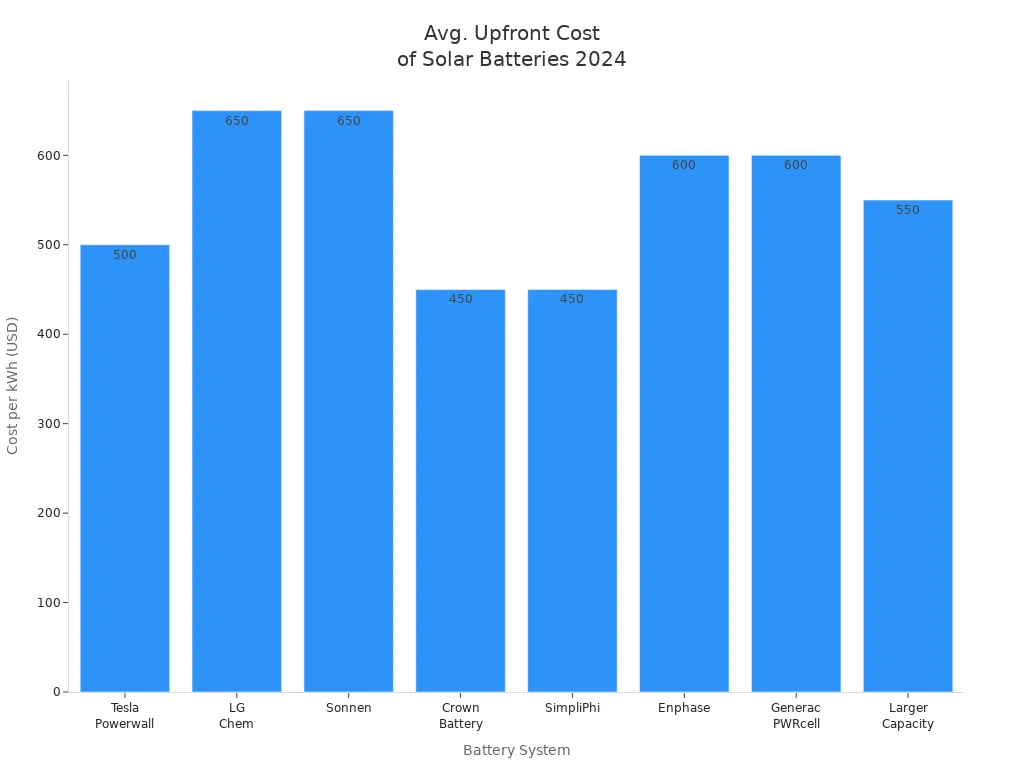
You should know the price of a solar battery before you buy it. The cost changes based on the brand, size, and features. Most batteries cost from $400 to $700 for each kWh installed. Bigger batteries usually give you more value for your money. Here is a table that shows how much popular solar batteries cost in 2024:
Battery System | Cost per kWh (Installed) | Notes |
|---|---|---|
Tesla Powerwall | $500 | Competitively priced option |
LG Chem | $600-$700 | Premium brand |
Sonnen | $600-$700 | Premium brand |
Crown Battery | $400-$500 | Entry-level option |
SimpliPhi | $400-$500 | Entry-level option |
Enphase | $550-$650 | Mid-range option |
Generac PWRcell | $550-$650 | Mid-range option |
Larger Capacity | $500-$600 | Better value per kWh due to economies of scale |
You can save money on your power bills every year. People with solar batteries save about $700 to $1,100 each year. You save this money by using more solar energy and less grid power when prices are high.
You want your battery to give you good value over time. Energy efficiency means you get more power from each charge. High efficiency helps you use more solar energy and pay less for electricity. You can figure out your return on investment (ROI) by looking at your yearly savings and the total battery cost. If you save $1,000 each year and your battery cost $10,000, you break even in ten years. Many batteries last longer, so you keep saving money after that.
Tip: Choose a battery with high efficiency and a long life. You will save more money and get more value from your solar system.
You should look out for hidden costs when buying and installing a solar battery. Some costs are not in the first price you see. Here is a table with common hidden costs:
Hidden Cost Type | Description |
|---|---|
Administrative Fees | Charges for plan submissions and utility filings that may not be included in initial quotes. |
Upgrade Requirements | Costs for necessary electrical panel upgrades or wiring updates to meet code. |
Travel and Logistics | Additional fees for installers traveling to remote locations for installation. |
Ask your installer about all possible costs to avoid surprises. Make sure you know about fees, upgrades, and travel charges before you sign anything.
Note: Planning ahead helps you get the most from your solar battery and keeps your total cost low.
You want your battery to work with your solar panels. A good battery system connects to your solar setup. It stores extra solar energy for later. This helps you use more solar power and less grid power. Adding a battery gives you backup power during blackouts. You also get more control over your energy. The table below shows how a battery fits into your solar system:
Component/Step | Description |
|---|---|
Battery Storage System | Stores extra energy from solar panels for later. This gives you backup power and more energy independence. |
Site Assessment | An installer checks your home. They pick the right battery size and best spot for it. They look at your energy use and how much sun you get. |
Installation | The battery is connected to your solar system. This helps manage and store energy well. |
Gives you backup power if the lights go out.
Helps you use more of your own solar energy.
Makes your solar system a better investment.
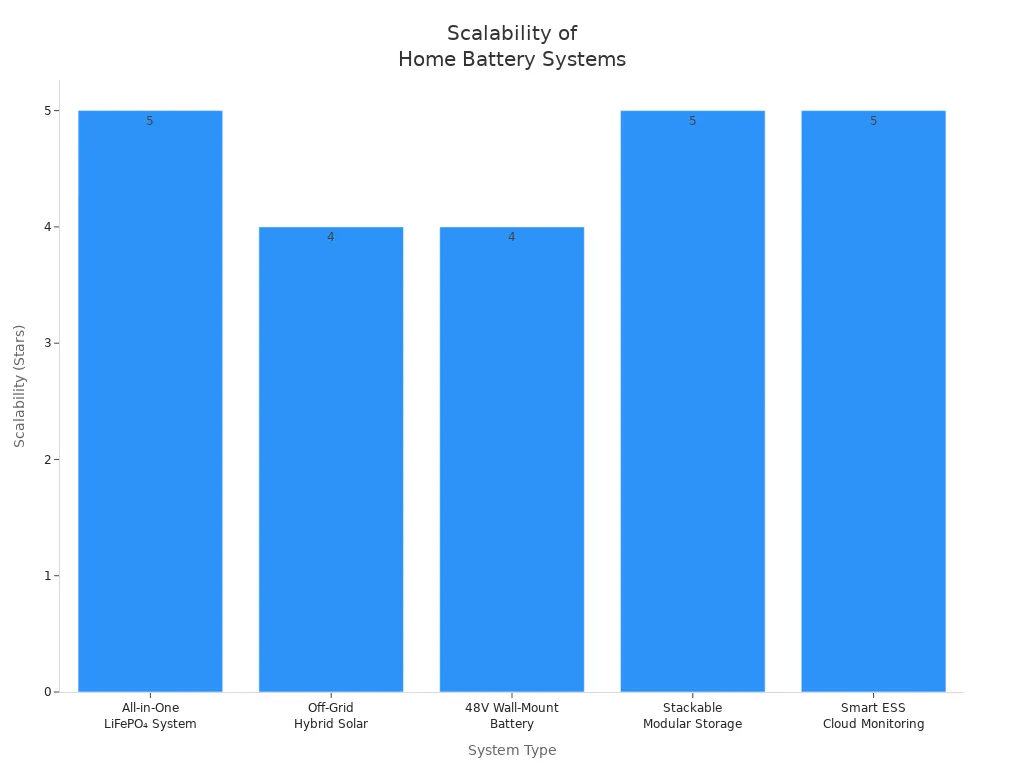
You might need more energy in the future. Pick a battery that can grow with your home. A scalable battery lets you add more storage later. You can do this if you get more solar panels or new appliances. This helps you save money and control your energy use. You can use the battery for backup power and depend less on the grid. Here are some good things about a scalable battery:
Scalability: You can add more batteries as you need them.
Flexibility: You can use new tech without big changes.
Some battery systems, like BEINENG Home ESS, are modular. You can start with one battery and add more later. This makes your solar system ready for changes. The chart below shows how different batteries can grow:
New battery systems have smart features. You can use an app on your phone to control your energy. You can set when to charge, check battery levels, and control how your battery powers your home. Smart EV chargers connect to your car, the grid, and Wi-Fi. You can pick when your car charges and how much battery it uses. Smart power sharing helps you use solar energy for your home and car. With the myBeineng app, you can watch and control your BEINENG Home ESS from anywhere. This makes it easy to manage your solar and battery system.
Tip: Pick a battery system that can grow with your needs and has smart controls for easy use.
When picking a solar battery, look at the important things. Check battery capacity, lifespan, power output, efficiency, and safety. The best battery fits your solar needs and energy goals. Compare batteries for how well they work with your system. Make sure they give good value and have strong safety features. Smart systems like BEINENG Home ESS help you use more solar energy. They help you save money and be more independent with energy. Always choose a battery that matches your energy use and keeps your home safe.
A solar battery stores extra energy from your solar panels. You use this stored power when the sun is not shining. This helps you use more of your own renewable energy at home.
Most home batteries last 10 to 15 years. You can make your battery last longer by following the care tips from your installer and checking it often.
Yes, many systems let you add more batteries. A scalable energy storage system grows with your needs. You can expand as your energy use changes.
Modern batteries have strong safety features. They use smart controls and cooling systems. You can trust these systems to keep your home safe while using renewable power.
You can save money by using stored solar energy during peak hours. This lowers your electric bill. Over time, you see more savings as you rely less on the grid.


Compact, quiet, and powerful, it keeps your essentials running during outages and lets you charge anywhere with solar power or grid power.
Perfect for renters who need flexibility without compromise.
Our estimator is only set up to provide preliminary estimates and installer information to residents of single family homes.