
 Email Us
 Contact us
 Whats App
Single family home

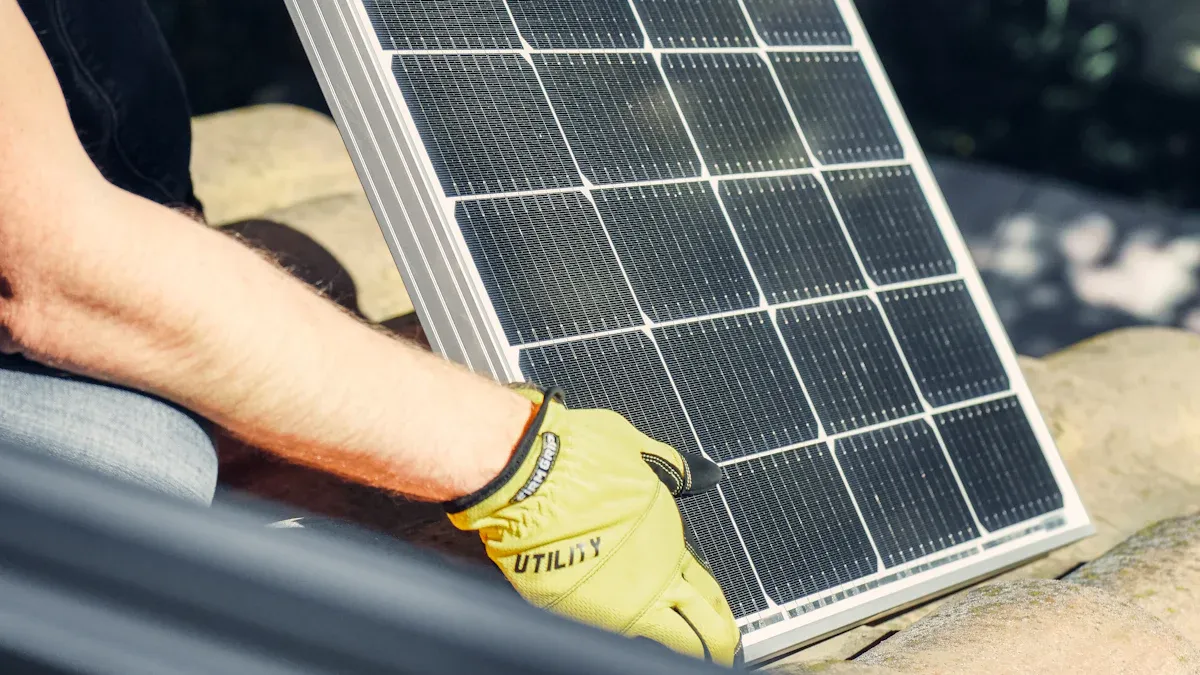
Power outages can happen at any time. About 25% of homes in the U.S. lose power each year. Many people have outages that last more than six hours. You need emergency power solutions to keep your home safe and comfortable. Some top solar battery backup options are BEINENG Home ESS, Tesla Powerwall, LG Chem RESU, Enphase IQ Battery, and Generac PWRcell. Weather, trees, and animals can often cause you to lose power. The right system helps your home stay strong. It gives you backup power and helps you feel calm. Pick the best solution for what you need.
Solar battery backups help your home stay powered in outages.
BEINENG Home ESS gives solar, storage, and EV charging together.
Tesla Powerwall is strong and holds 13.5 kWh of energy.
LG Chem RESU is quiet and can power large appliances.
Enphase IQ Battery is easy to use and works with smart devices.
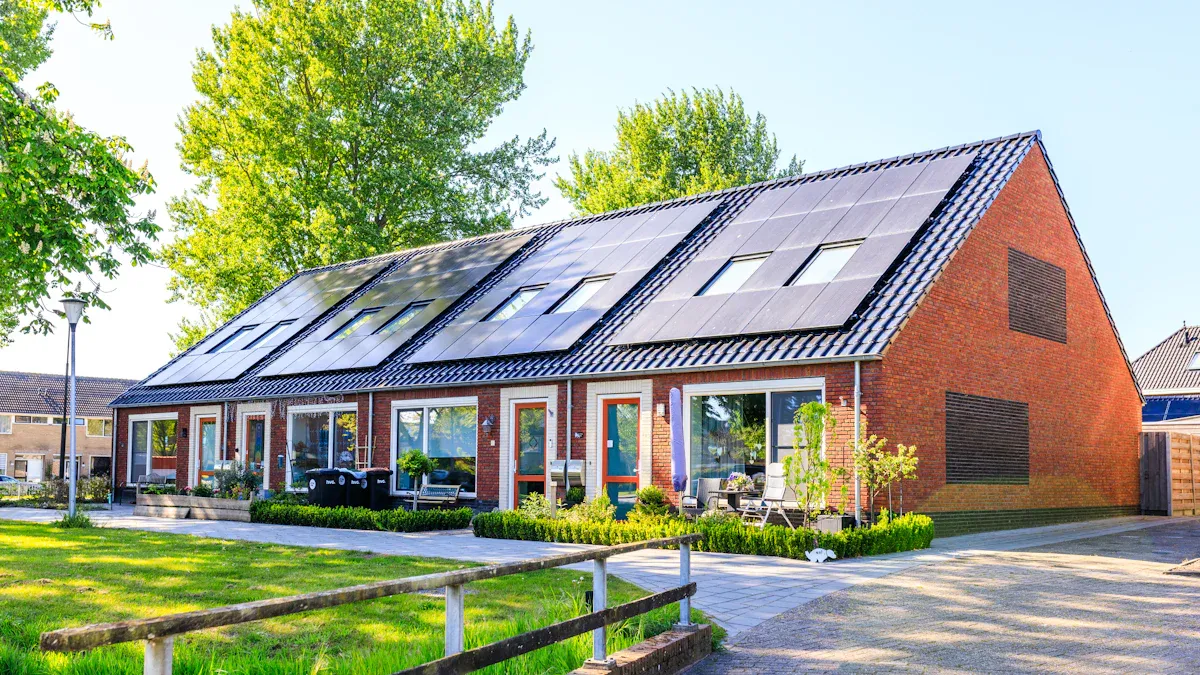
Picking the right solar battery backup system helps you feel safe. You want a system that fits your home and protects your family. Here are some of the best battery storage choices.
This system does more than just store energy. BEINENG Home ESS has an all-in-one design. It gives you solar power, backup battery, and EV charging together. The system can change to fit your needs. You can make it bigger for large homes or keep it small. The myBeineng app lets you check and control your energy anywhere. You feel safe knowing your home has power in emergencies. BEINENG Home ESS makes solar battery setups simple and smart. You help support energy independence and resilience.
Tip: BEINENG Home ESS is a 5-in-One system. You control solar, storage, backup, EV charging, and energy with one setup.
Tesla Powerwall is a top choice for home battery backup. It is a trusted brand and works well with solar panels. The Powerwall stores 13.5 kWh of energy and gives 11.5 kW of power. You can add more units for extra storage. If the power goes out, Powerwall keeps your fridge, Wi-Fi, and lights on for two days. Less than 0.8% of Powerwall installs have problems. This shows it is strong and reliable. You also get a 10-year warranty and unlimited cycles.
Specification | Value |
|---|---|
Energy Capacity | 13.5 kWh |
Continuous Power | 11.5 kW |
Backup Power | 11.5 kW |
Scalability | Up to 54 kWh |
Powerwall 3 gives 11.5 kW backup power.
It keeps important appliances working during outages.
It helps you stay safe when the grid fails.
LG Chem RESU is quiet and easy to take care of. You do not need fuel, and it does not make noise. It works with solar panels to store energy for emergencies. The Gen3 RESU 16H battery stores 16 kWh and gives 7 kW of power. You can run big appliances like pumps and air conditioners. The warranty lasts 10 years, and the RESU Prime can last up to 10,000 cycles. You get steady backup battery storage for your home.
Battery System | Warranty Period | Guaranteed Capacity End of Warranty | Energy Throughput |
|---|---|---|---|
LG Chem RESU | 10 years | 60% | 22.4 MWh |
RESU Prime | 10 years | 70% | 10,000 cycles |
Pika Energy Harbor | 10 years | Varies | Varies |
LG Chem RESU is quiet and does not need fuel.
It works with solar panels to store energy.
The Gen3 RESU battery can run big appliances.
You want a system that is flexible and smart. Enphase IQ Battery lets you add more units as you need them. Each unit stores 5 kWh, and you can stack them. It works with solar panels and smart home devices. You use a mobile app to manage your energy. The IQ System Controller switches to backup power when the power goes out. Enphase IQ Battery is very efficient at 96%. You get a 15-year warranty or 6,000 cycles. Many people pick Enphase for its microinverter synergy and custom sizing.
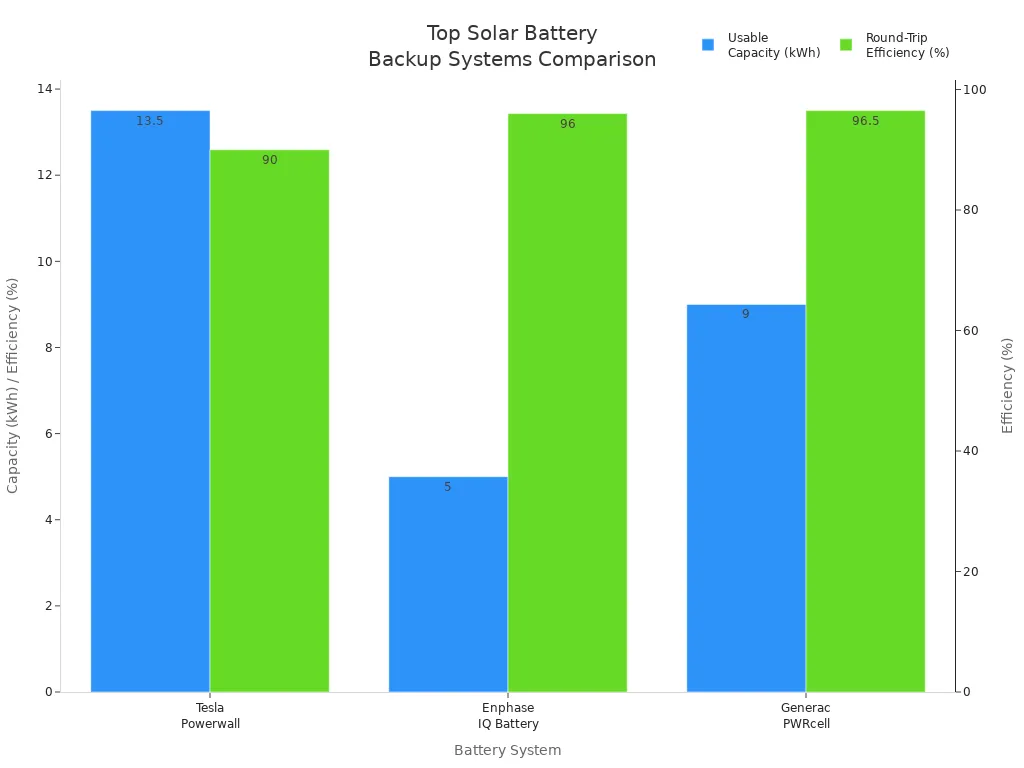
Feature | Tesla Powerwall | Enphase IQ Battery | Generac PWRcell |
|---|---|---|---|
Usable Capacity | 13.5 kWh per unit | 5 kWh per unit (modular/stackable) | 9 kWh to 18 kWh (modular/expandable) |
Power Output | 5.8 kW continuous, 10.6 kW peak | Scales with number of units | High continuous output, excels with heavy loads |
Round-Trip Efficiency | ~90% | ~96% | ~96.5% |
Warranty | 10 years, unlimited cycles, 70% capacity retention | 15 years or 6,000 cycles, 70% capacity retention | 10 years, specified energy throughput, 70% capacity retention |
Best For | All-in-one power, strong brand ecosystem | Custom sizing, high efficiency, microinverter synergy | Whole-home backup, running large appliances |
Enphase IQ Battery works with solar panels and smart devices.
You use a mobile app to control energy.
In California, 45% of homes use Enphase IQ Battery.
Generac PWRcell gives backup for your whole home and works well. The system is modular, so you can add more batteries. The PWRcell M6 model stores up to 18 kWh and gives 9 kW of power. It is very efficient at 96.5%. Generac PWRcell can run big appliances and heavy loads. It uses lithium NMC battery chemistry for strong energy. You get a system that grows with your needs and gives backup in emergencies. Generac PWRcell is a leader in battery storage efficiency.
Generac PWRcell is modular and can grow with your needs.
The M6 model stores up to 18 kWh.
It is more efficient than other top solar battery backup systems.
There are many solar battery setups to choose from. Each one has special features for emergency power solutions. You can find the best one for your home and feel safe during outages.
Solar battery backup can make your home strong. Here is how it works:
Solar panels make electricity when the sun shines on them.
Solar charge controllers watch the electricity and keep batteries safe.
Inverters change the stored DC power into AC power for your home.
Batteries hold the electricity so you have power at night.
When it is sunny, solar panels send energy to the charge controller. The controller fills up the batteries and keeps them charged. This setup gives you steady storage and helps you use clean energy every day.
Power outages can happen anytime. With solar battery backup, you do not have to worry. The system has an automatic transfer switch that checks the grid all the time. If there is a problem, it switches your home to battery power fast. You do not need to do anything. Most new batteries let you use about 90% of their energy during outages. For example, a 10 kWh battery gives you about 9 kWh to use. This keeps your lights, fridge, and devices working when you need them.
Tip: Automatic backup keeps you safe and comfortable when the grid stops working.
Solar battery backup does more than give emergency power. You get freedom from the grid. This means you control your own energy and do not need outside help. Here are some main benefits:
Benefit | Description |
|---|---|
Energy independence | You make and store your own energy, so you do not need the grid as much. |
Lower energy bills | You use your own power and can get credits for extra energy you make. |
Environmental benefits | You help the Earth by using renewable energy and lowering your carbon footprint. |
Increased home value | Homes with battery backup systems are popular and worth more money. |
You make your home stronger and keep your family safe from outages. You also help make the world cleaner for everyone.
Pick a battery backup that fits your energy needs. Usable capacity means how much energy you can use in an outage. Power output shows how many things you can run at once. Look at this table to see how top systems compare:
Feature | Tesla Powerwall | Enphase IQ Battery | Generac PWRcell |
|---|---|---|---|
Usable Capacity | 13.5 kWh/unit | 5 kWh/unit | 9-18 kWh |
Power Output | 5.8 kW cont., 10.6 kW peak | Scales with units | High continuous output |
More capacity gives your home more backup power. Strong power output lets you use big appliances like pumps or air conditioners.
Pick a system with high efficiency and good battery technology. Lithium-ion batteries work better than lead-acid batteries. They last longer and need less care. You get more energy from each charge, so you save money.
Feature | Lithium-Ion | Lead-Acid |
|---|---|---|
Cycle Life | 7-10 years+ | 1-2 years |
Efficiency | 95%+ | 80-85% |
Maintenance | Maintenance-free | Needs maintenance |
Depth of Discharge | 85%+ | ~50% |
Cost of Ownership | Lower long-term | Higher long-term |
Lithium-ion batteries store more energy in less space.
You can use more of their energy without hurting them.
Higher efficiency means you pay less for energy.
A good warranty keeps your battery safe. Most brands give you 10 to 15 years of coverage. You want a battery that keeps at least 70% of its power after ten years. Check this chart to see warranty periods:
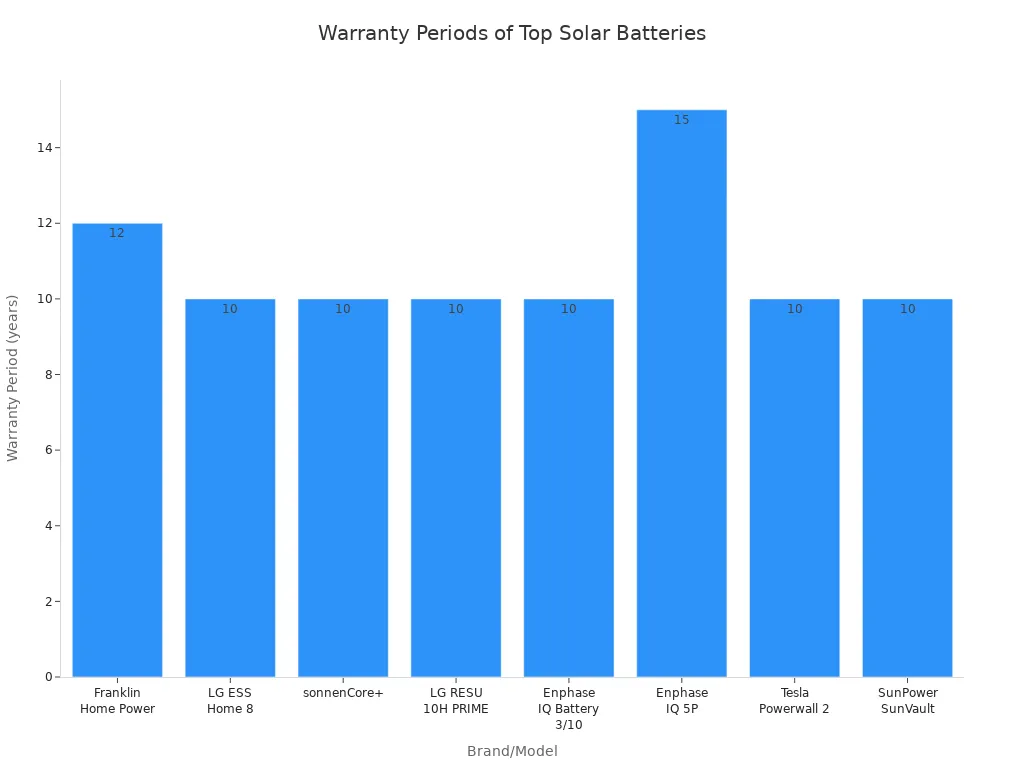
Most warranties last 10 years.
Some brands give longer protection or unlimited cycles.
Pick a system that works with your home and setup. Watch out for these problems:
Wrong parts can cause your system to fail.
Inverter compatibility is important for hybrid systems.
Wires and circuit breakers must be safe.
Tip: Always use certified installers to avoid trouble and keep your system working well. The best battery backup systems help your home stay strong during any grid outage.
You want your family to be safe when the power goes out. You can pick to back up just the most important things or your whole house. Essential circuits backup keeps your fridge, lights, and some outlets working. Whole-home backup gives power to every room, even your air conditioner and stove. Check this table to see how they are different:
Feature | Partial Home Backup | Whole Home Backup |
|---|---|---|
Upfront Cost | Lower | Significantly Higher |
System Complexity | Moderate (requires sub-panel) | High (integrates with main panel) |
Physical Footprint | Smaller | Larger |
Appliances Powered | Essentials only | Entire home |
Typical Battery Size | 5 - 10 kWh | 20 kWh+ |
Best For | Budget-conscious users, essential needs | Maximum comfort, energy independence |
Essential circuits cost less, but whole-home backup helps you feel calm during long outages.
You can control your energy with off-grid or hybrid solar battery backup. Off-grid systems give you full energy freedom. You do not need the grid at all. Hybrid systems let you use both solar and the grid, so you always have backup. Here is a quick look at both:
Advantages of Hybrid Systems | Disadvantages of Hybrid Systems |
|---|---|
Seamless backup during outages | Higher upfront cost |
Greater energy freedom | Compatibility & upgrade limits |
Cost optimization under complex rates | Space and equipment footprint |
Advantages of Off-Grid Systems | Disadvantages of Off-Grid Systems |
|---|---|
Total Energy Independence | Higher Upfront Costs |
Ideal for Remote Areas | Reliance on Sunlight |
Environmental Impact | System Sizing and Maintenance |
Hybrid systems are good if you have many outages but want to stay connected. Off-grid systems are best if you want full control and live far from the grid.
Modern home battery backup systems do more than store energy. They help you manage power for your electric car and smart home. You can:
Use energy management systems to save power based on rates and weather.
Charge your EV when solar power is high or grid prices are low.
Send extra solar energy to your battery or car.
Keep your home running during outages with smart load management.
Let your EV work as extra battery backup if needed.
You get a smarter, greener home that is ready for emergencies. You save money and keep your family safe from outages.
You want your home to have power during outages. First, find out how much energy you use. Look at your electricity bills each month. Notice if you use more power in summer or winter. Decide which things must stay on if the power goes out. Think about your fridge, lights, and any medical devices. Check your solar panel setup to see how much energy you can store. Plan for changes, like getting an electric car or making your house bigger. Talk to energy experts for help. They can help you pick the right size for your battery backup.
Tip: If you check your needs now, you will get the best backup for your home.
Solar battery backup systems are a smart way to save money. You can get help from the government and other programs. Here is a quick look at what you might get:
Incentive Type | Description | Estimated Savings |
|---|---|---|
Federal Investment Tax Credit | 30% credit on total system cost (through 2032) | $3,000–$6,000 |
SGIP (California) | $150–$1,000 per kWh for residential customers | $1,500–$10,000 |
State/Utility Rebates | Extra programs in HI, MA, NY, and others | $500–$2,500 |
These programs help you pay less at the start. You also get more energy freedom. Many families can now afford home battery storage.
Pick certified installers for your battery system. They know the rules and keep your home safe. Certified installers handle permits and paperwork for you. This helps you avoid problems and delays. You get help from the start and even after the job is done. Their skills make switching to clean energy easy. When you work with experts, you help make the world cleaner.
Note: The right installer helps your battery system last longer and work better.
You want your home to be ready for blackouts. Solar battery backup systems help keep your lights on. They give you power when the grid goes down. You feel calm knowing you have backup. Use this checklist to compare different systems. Look at things like how much energy the battery can hold. Check how much power it gives at once. See how many times you can charge and use it. Find out how much energy is saved each time you use it. Look at how long the warranty lasts. Think about the size and weight of the battery. Read what other people say about the brand. Check how much it costs, including setup.
Criteria | Details | Importance (1-5) |
|---|---|---|
Capacity | How much energy can the battery store (kWh) | 5 |
Power Output | Maximum power the battery can supply (kW) | 4 |
Cycle Life | Number of charge/discharge cycles | 4 |
Efficiency | Energy retained during charge/discharge | 5 |
Warranty | Length of warranty period (years) | 3 |
Size and Weight | Physical dimensions and weight | 3 |
Brand Reputation | Consumer feedback and reviews | 4 |
Cost | Purchase price including installation | 5 |
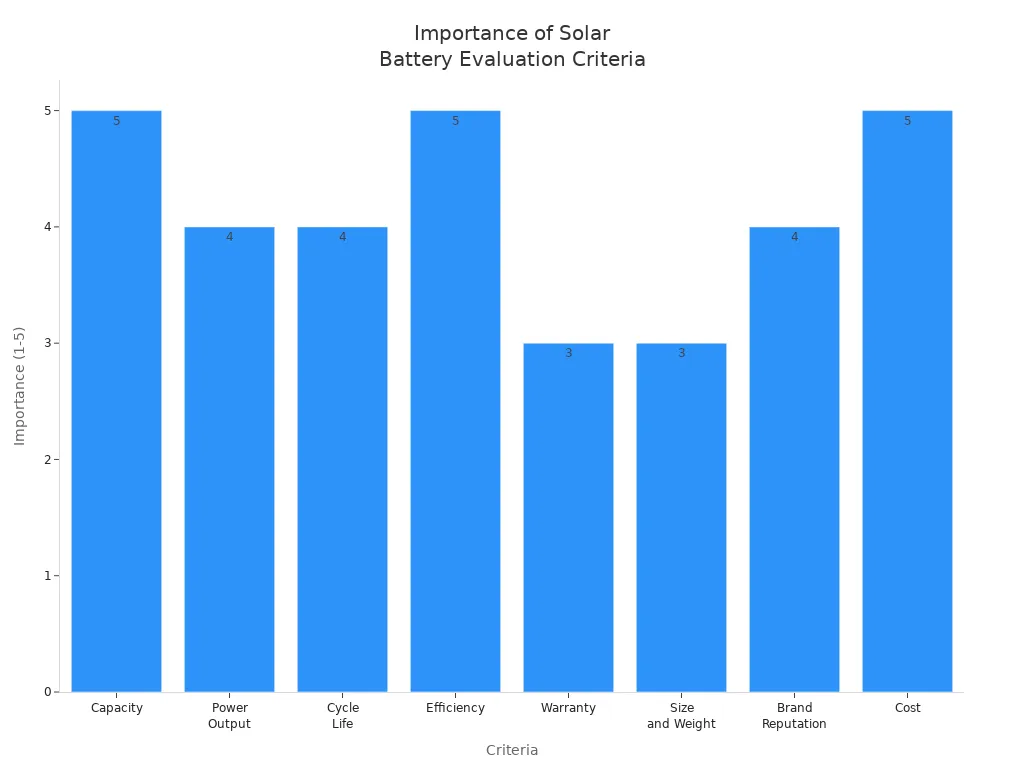
You get more control over your energy. You save money and have steady power. BEINENG Home ESS is a smart choice with helpful features. It gives backup power in any emergency. Start now by talking to certified installers. Look for local deals to help protect your home from blackouts.
Most systems keep important devices running for 12 to 48 hours. Bigger batteries or more units give you extra backup time. Pick a system that fits your energy use for longer safety.
Yes, most solar battery backup systems can be made bigger. Modular designs like BEINENG Home ESS let you add storage as you need it. You stay ready for changes in the future.
You save money by using stored solar energy when rates are high. You avoid paying more and can get credits for extra energy. Smart systems help you save every month.
You should hire certified installers for your system. They make sure your setup is safe and works well. Professional installation keeps your warranty and protects your investment.


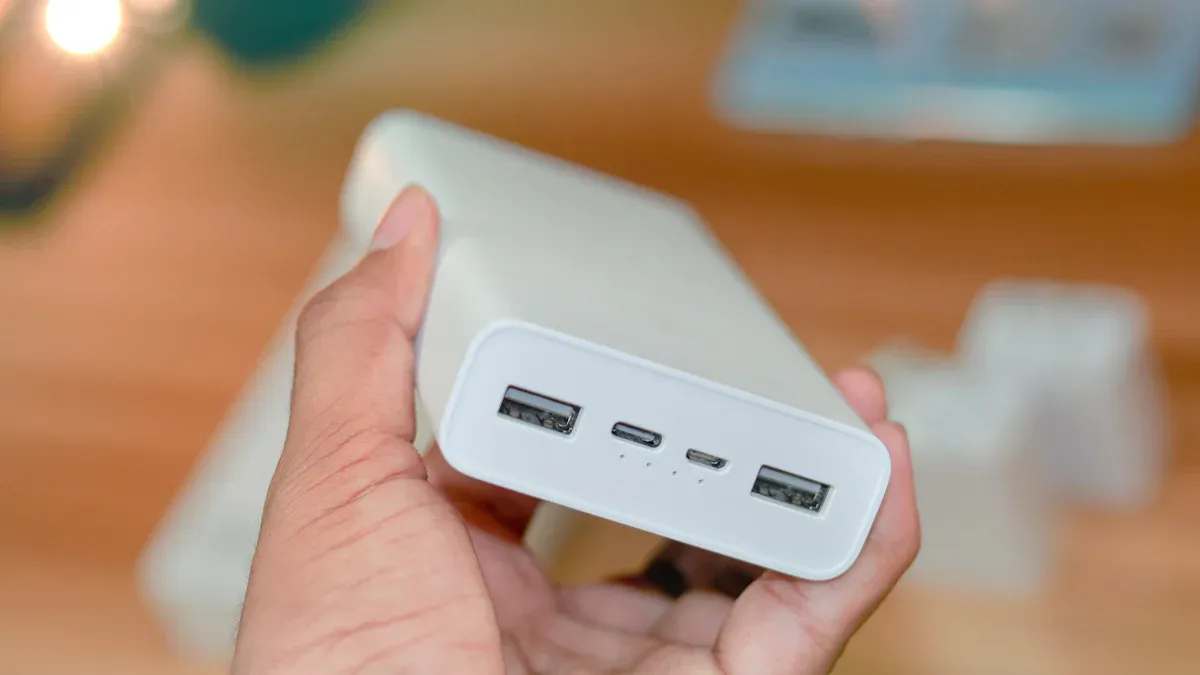
Compact, quiet, and powerful, it keeps your essentials running during outages and lets you charge anywhere with solar power or grid power.
Perfect for renters who need flexibility without compromise.
Our estimator is only set up to provide preliminary estimates and installer information to residents of single family homes.