
 Email Us
 Contact us
 Whats App
Single family home

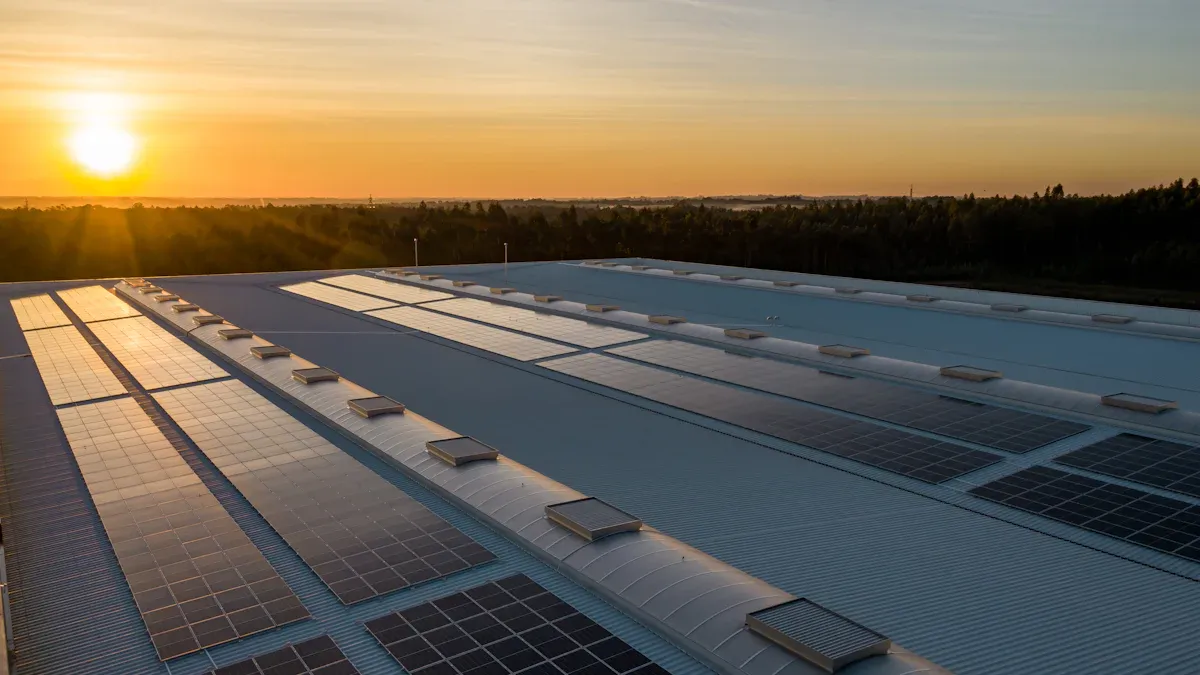
When you want to store solar energy, you will see lithium-ion, LiFePO4, and new solid-state batteries are the best choices. These batteries are special because they hold a lot of energy and last a long time. Choosing the right battery helps your solar system work better and saves you money.
Good batteries help Solar Power Efficiency by letting you use power longer and control it better.
Lithium-ion batteries work for many years and keep more energy, so your system is stronger.
Smart battery features let you handle and save energy better every day.
A system like BEINENG Home ESS uses these new technologies in your house.
Pick lithium-ion or LiFePO4 batteries for solar storage. They store a lot of energy and last a long time. This helps your solar system work better.
Look at battery features like cycle life and how they charge or discharge. These things affect how your system works. They also decide how much energy you can use.
Keep your batteries in a cool and dry spot. Taking care of them can make them last longer. It can also help them work up to 30% better.
Use smart tools to check energy use and battery health. This lets you make your solar system work its best. You can also find problems early.
Try all-in-one systems like BEINENG Home ESS. These mix solar power, battery storage, and smart tech. This helps you manage your energy better.
You need batteries with high energy density for your solar system. Energy density shows how much energy fits in a small space. This lets you store more power without using lots of room. The table below compares energy density for different battery types:
Battery Type | Volumetric Energy Density (Wh/L) | Gravimetric Energy Density (Wh/kg) |
|---|---|---|
OPzS | 50 - 80 | 30 - 40 |
Lead-Acid Flooded | 30 - 60 | 20 - 30 |
Lithium-Ion | 150 - 700 | 100 - 265 |
Nickel-Cadmium (Ni-Cd) | 50 - 150 | 40 - 80 |
Lithium-ion batteries, like those in BEINENG Home ESS, have high energy density and big storage. You can get lithium-ion batteries from 5 kWh to 13.5 kWh for homes. This means you can keep more solar energy and use it when you want.
Cycle life tells you how many times you can use a battery before it stops working well. Good batteries help your solar system work well for many years. Here is a table with average cycle life:
Battery Type | Average Cycle Life (Cycles) |
|---|---|
Lithium-ion (LiFePO4) | 2,000 — 6,000 |
Lead-acid | 1,500 — 3,000 |
Flow batteries | 15 — 25 years |
Lithium-ion and LiFePO4 batteries last longer and keep energy use steady. You save money and do not need to replace them often.
Fast charge and discharge rates help you use solar energy when you need it. Lithium-ion batteries can charge and discharge very fast, up to 30C for special uses. Lead-acid batteries are slower, between 0.05C and 0.2C. High performance helps you meet energy needs and keep your solar system strong.
You want batteries that save money and help the planet. Lithium-ion and LiFePO4 batteries cost less over time because they last longer and use safer stuff. Prices for lithium batteries are dropping, often below $100 per kWh. Recycling lithium-ion batteries cuts greenhouse gases and saves resources by over 58%. This makes them a smart choice for saving energy and helping the earth.
Tip: Pick batteries with high round-trip efficiency. Lithium-ion batteries often reach 90% or more, so you lose less energy when charging and using them. This helps your solar system work better and gives you more power.
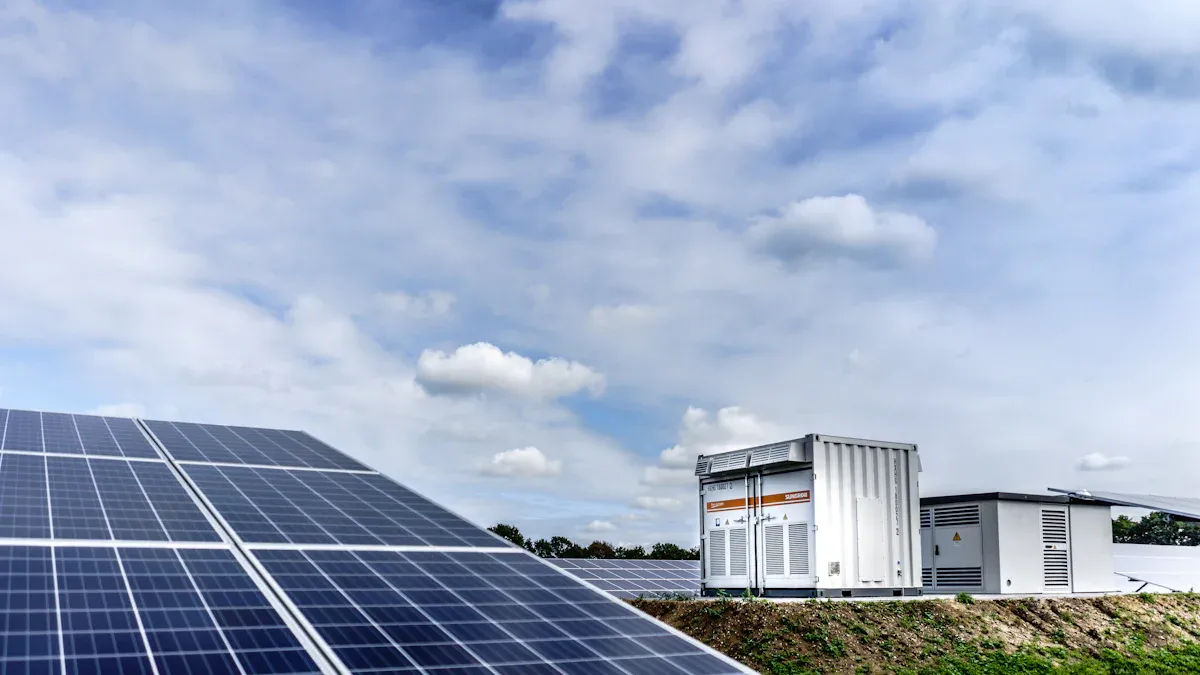
Most new solar systems use lithium-ion batteries. These batteries hold a lot of energy and work well. They last longer than older batteries. LiFePO4 batteries are a type of lithium-ion battery. They are even safer and more reliable.
Here is a table that compares lithium-ion and LiFePO4 batteries:
Feature | Lithium-Ion Batteries | LiFePO4 Batteries |
|---|---|---|
Depth of Discharge (DoD) | Around 95% | Lower than lithium-ion |
Lifespan | Minimum 10 years or 10,000 cycles | Longer lifespan than standard lithium-ion |
Energy Density | High energy density | Moderate energy density |
Efficiency | 90-95% efficiency | Similar efficiency |
Maintenance | Little to no maintenance required | Similar maintenance needs |
Cost | Generally high cost | Typically lower cost |
Safety | Risk of thermal runaway | Safer, less likely to experience thermal runaway |
Lithium-ion batteries give you many good things. They charge fast and store lots of energy. LiFePO4 batteries are extra safe because they do not overheat easily. You do not need to fix them often. Just check the wires and temperature sometimes.
LiFePO4 batteries use advanced battery storage to keep your solar system safe.
Lithium-ion batteries are good for storing energy for a long time.
Both types give you high efficiency and battery capacity.
Tip: Put lithium-ion batteries in a cool, dry spot. This helps your battery system stay safe and work well.
Lead-acid batteries have been used for solar power for a long time. People pick them for small systems or backup power. They cost less but do not last as long as lithium-ion batteries. Flow batteries are another choice. They are good for big projects and last many years.
Here is a table that shows lifespan and efficiency:
Battery Type | Lifespan (Years) | Round-Trip Efficiency (RTE) |
|---|---|---|
Lead-acid | 3 to 5 | Approximately 70% |
Flow batteries | 15 to 25 | 50% to 75% |
Lithium-ion | 5.5 to 13.7 | 90% or higher |
Lead-acid batteries are best for backup power on boats, RVs, or emergencies. You use them when you do not need to use the battery often. Flow batteries are good for big solar projects. They last long and keep energy steady, but are not as efficient as lithium-ion batteries.
Lead-acid batteries are good for backup power.
Flow batteries are used for large advanced battery storage.
Lithium-ion batteries give you better battery capacity and efficiency for daily solar use.
Solid-state batteries are the newest advanced battery storage. They have more energy and are safer. These batteries do not have liquid inside, so they do not leak or overheat. Solid-state batteries last longer and store more energy than lithium-ion batteries.
Here is a table that shows new advancements:
Advancement/Challenge | Details |
|---|---|
Safety | Solid-state batteries eliminate the risk of thermal runaway, making them safer for residential use. |
Energy Density | They can achieve energy densities two to three times higher than current lithium-ion cells. |
Longevity | Expected longer cycle life, making them a more sustainable and cost-effective solution. |
Manufacturing Costs | Current production costs are significantly higher than lithium-ion batteries, requiring innovations. |
Interfacial Resistance | Challenges with solid-solid interfaces that limit performance need to be addressed. |
Dendrite Formation | Lithium dendrite formation remains a concern, potentially causing short circuits. |
Mechanical Failure Risks | Unique mechanical challenges due to volume changes during cycling. |
Temperature Sensitivity | Many designs require elevated temperatures for optimal performance, complicating applications. |
Applications | Potential applications include electric vehicles, consumer electronics, aerospace, and industrial use. |
You see solid-state batteries in cars, phones, and medical devices. These batteries promise more energy and longer life. You may use them for solar power in the future when prices go down and technology gets better.
New battery technologies are growing quickly. You can make these systems bigger for large solar projects. Modular advanced battery storage lets you add more batteries as you need more energy.
Note: Solid-state batteries are not used in home solar systems yet. You may see them soon as advanced battery storage gets better.
You get the best results for solar energy storage with lithium-ion batteries, especially LiFePO4, or solid-state options when they are ready. These batteries give you lots of energy, work well, and last a long time. You can trust them to power your home or business with clean energy.
You need a battery that matches your home’s energy use. Pick batteries with high capacity, good depth of discharge, and strong efficiency. These things help you store more solar power and use it when you need it. The table below lists what to look for in a battery:
Criteria | Description |
|---|---|
Capacity & Power | Tells how much electricity the battery can hold and give at once. |
Depth of Discharge (DoD) | Shows how much of the battery you can use without making it wear out faster. |
Efficiency | Tells how much energy you keep after charging and using the battery. |
Lifespan and Warranty | Longer cycle life and a good warranty mean you get more for your money. |
Think about where you will put the battery. Choose a spot that is cool, dry, and has good airflow. This keeps your battery safe and helps it last longer. Do not put it in direct sunlight and leave space for checking or fixing it.
Businesses and off-grid places need batteries that can handle more power and work longer. Pick batteries with high depth of discharge, long cycle life, and ones you can add to later. The table below compares common battery types for these uses:
Battery Type | Advantages | Disadvantages |
|---|---|---|
AGM | No need for upkeep, works with most solar inverters, safe | Only half the battery can be used |
LiFePO | All the battery can be used, lasts up to 10,000 cycles, light | Costs more, does not work as well in cold |
Li-Ion | Lasts over 10 years, almost all the battery can be used | Costs more than lead-acid |
Check your system often to make sure it works well. You may want to add more batteries as your energy needs grow. Businesses often pick LiFePO4 or lithium-ion batteries because they last long and work well.
You can make energy use easy with an all-in-one system. BEINENG Home ESS puts solar power, battery storage, and EV charging together. It uses advanced lithium-ion technology for safety and good performance. You get features like:
Modular and stackable design so you can add more batteries
Fast setup with easy connectors
AI helps you save more money on energy
Watch and control your system with the myBeineng app
Five layers of safety to keep you safe
With BEINENG Home ESS, you can save extra solar energy, use power at night, and be more independent. The system switches between solar, battery, and grid by itself, so you always get the best use of your energy.
BEINENG Home ESS works for many homes and can change as your needs change. You get a safe, smart, and reliable way to store your solar energy.
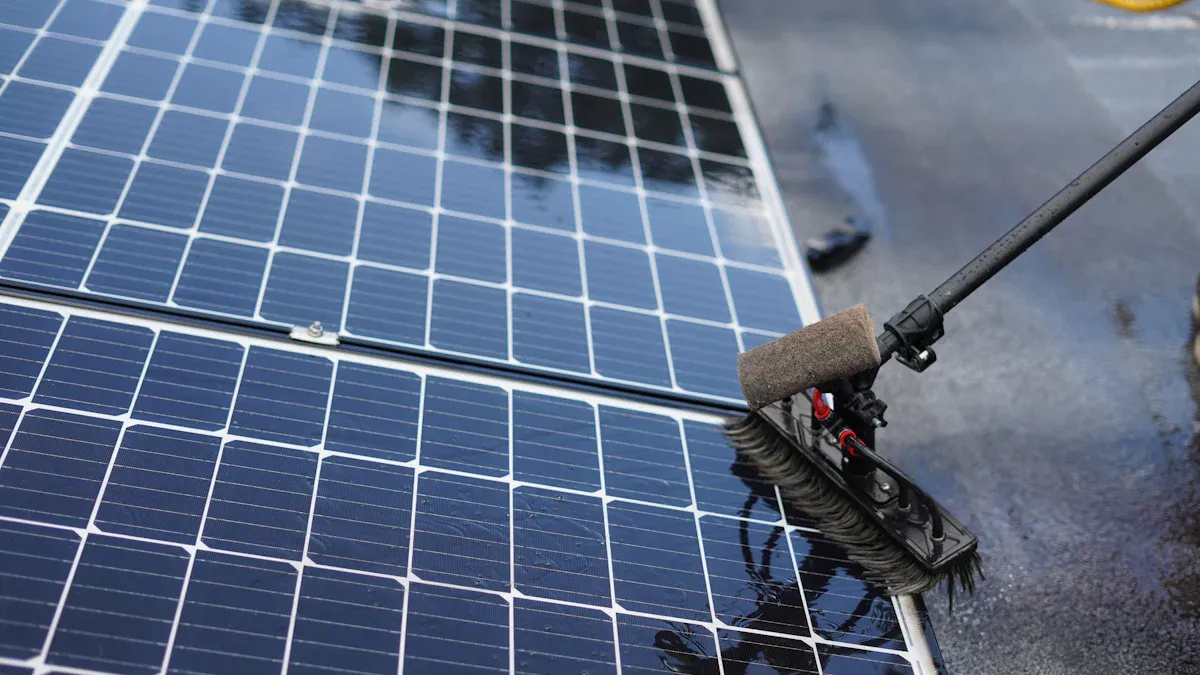
You can help your solar power system work its best by following some easy steps. Put your batteries in a cool, dry place. If you keep them between 68°F and 77°F, they will keep up to 80% of their power. Check and clean your batteries often to help them last longer, up to 30% more. Use a smart battery management system to watch charge cycles, temperature, and battery health. This system will tell you if there is a problem.
Here is a table with the best ways to care for your solar power system:
Practice | Explanation |
|---|---|
Smart Battery Management Systems | Gives you updates and alerts about battery health and charge cycles. |
Temperature Control | Keeps batteries at the right temperature for better life and performance. |
Regular Maintenance Checks | Checking and cleaning batteries helps them last longer and work better. |
Proper Energy Management Systems | Watching your energy use in real time can save 20-30% more solar energy. |
Correct Inverter Selection | Picking the right inverter helps your system work well and gives good backup power. |
Cycling Batteries Properly | Using about 80% of the battery each time helps it last longer and work better. |
Tip: Clean the battery ends often so they do not get rusty and energy can flow well.
You can make your battery storage work even better by using smart tools. Use real-time energy tools to see how much energy you use and store. Forecasting tools help you match how much energy you make with what you need, so you do not waste power. Calibrate your battery system by charging and using all the battery once. This keeps your system working right.
Try using time-of-use rates. Charge your batteries when electricity is cheap and use stored energy when prices are high. The myBeineng app lets you check your system, get alerts, and see monthly reports. You can control your solar power system from anywhere and make changes fast if you need to.
Note: Checking your system often and using smart tools helps you find problems early and keeps your system working well.
You can make your solar power work better by picking the right battery.
Lithium-ion batteries hold lots of energy and work well for homes and businesses.
Flow batteries last a long time and can be used for bigger projects.
Solid-state and sodium-ion batteries may be safer and cheaper in the future.
Choose a battery that fits what you need. Smart systems like BEINENG Home ESS can help you. Follow the tips in this guide to take care of your system and use more of your own energy.
Solar battery storage lets you save extra solar energy. You can use this saved energy at night or on cloudy days. This helps you spend less money and use more clean power.
Battery storage lets you use solar energy when there is no sun. You can save energy during the day and use it later. This makes your solar system work better and gives you more control.
You can pick lithium-ion, LiFePO4, lead-acid, or flow batteries for solar energy storage. Each battery type has its own good points. Lithium-ion and LiFePO4 batteries last longer and hold more solar energy.
Solar battery storage lets you use solar energy anytime and helps lower your bills. You also get more energy freedom. Some batteries cost more at first, but you save money in the long run.
Keep your battery storage in a cool, dry spot. Check your system often and clean the battery ends. Use smart tools to watch your solar energy and battery health.


Compact, quiet, and powerful, it keeps your essentials running during outages and lets you charge anywhere with solar power or grid power.
Perfect for renters who need flexibility without compromise.
Our estimator is only set up to provide preliminary estimates and installer information to residents of single family homes.