
 Email Us
 Contact us
 Whats App
Single family home

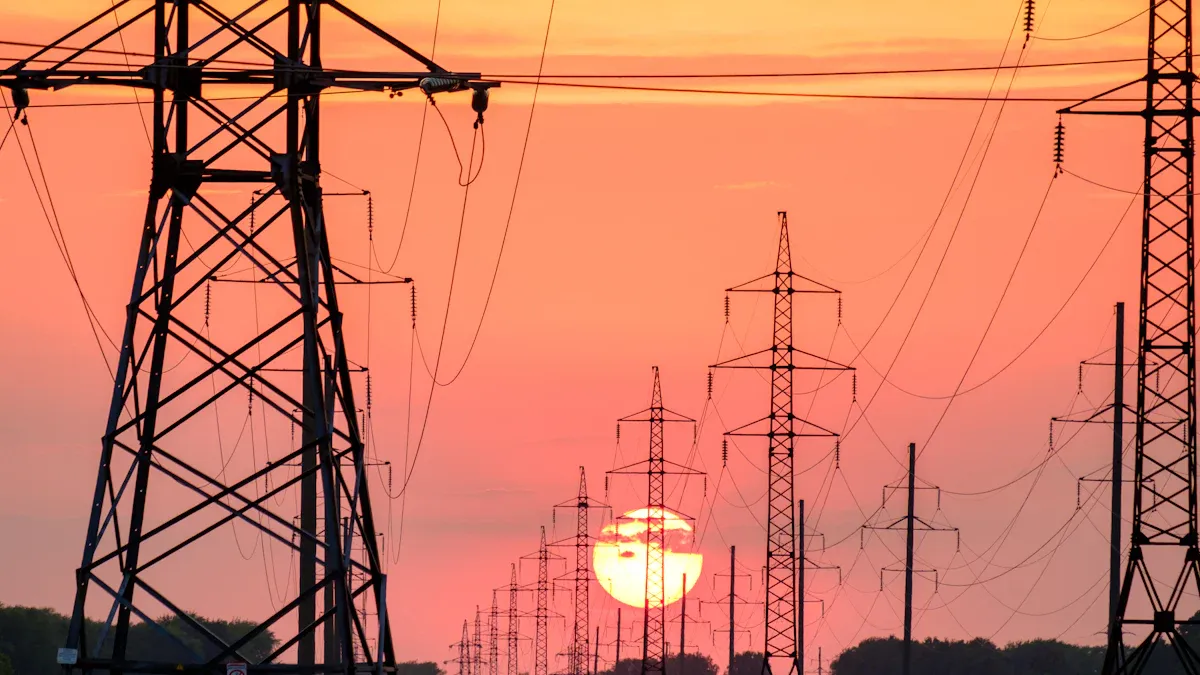
You need steady power to keep base stations, data centers, and network rooms working all the time. A good Telecom Battery Bank helps stop downtime by using things like N+1 redundancy, battery monitoring, and thermal management. BEINENG Energy, Inc. has the PowerPack portable energy system and BEINENG solar battery. These give you energy solutions that can grow and work well for important systems. You can feel sure your systems will stay on, even if the power goes out.
Pick a good telecom battery bank that gives steady backup power. It should work well in hot or cold places. This helps your network stay on all the time.
Choose battery systems that can grow with your network. These systems are easy to upgrade and expand. They also help save money.
Use strong safety steps like battery management systems. Make sure there is good airflow and wear safety gear. This stops accidents and keeps batteries safe.
Pick the right battery type for your site. Lead-acid batteries are good for short backup times. Lithium LFP batteries last long and need little care. Nickel-cadmium batteries work well in hard places.
Check, test, and take care of your battery bank often. This helps you find problems early. It also makes batteries last longer and stops surprise shutdowns.
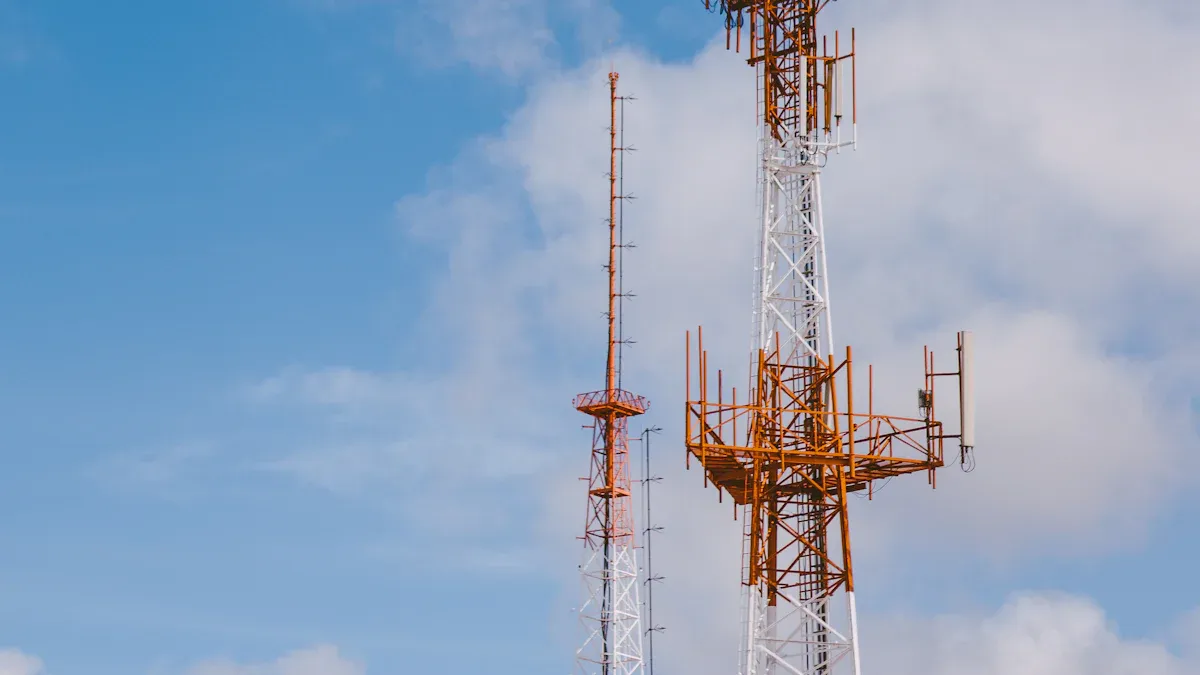
You need reliable power to keep your network working. A Telecom Battery Bank gives power even when the main power stops. Backup systems must last between 4 and 12 hours. Batteries should work in very hot or cold places, from –20°C to 60°C. Smart monitoring helps you find problems early. It lets you fix things before they break. Hybrid power supplies use solar, grid, and battery systems. This keeps your network online all the time.
Tip: Hybrid systems let you use solar energy, like the BEINENG solar battery. This helps you use less diesel and lowers carbon emissions.
Uninterrupted power supply keeps your network running.
Backup systems should last for several hours.
Batteries must work in many temperatures.
Smart monitoring tools help you plan maintenance.
Hybrid systems keep power going.
Your network gets bigger as time goes on. You need a Telecom Battery Bank that can grow with your needs. Modular UPS and PDU systems let you add more power as your site grows. Quick deployment kits save time and money when you install them. Expandable battery banks, like BEINENG's stackable 51.2V and 5Kwh 100Ah packs, let you increase runtime as your needs change.
Feature | Description |
|---|---|
Modular UPS and PDU Systems | You can add more power as your site gets bigger. |
Quick Deployment Kits | Pre-wired and pre-tested kits make installation faster and cheaper. |
Expandable Battery Banks | Add more batteries as your site needs more power. |
High Energy Density | Needed for modern telecom jobs that want reliable power. |
Long Cycle Life | Makes power systems last longer and work better. |
Modularity | Lets you expand easily as your network grows. |
Advanced Battery Management | Helps batteries work well and stay safe, even in tough places. |
Think about future growth when you choose your power system size. Use resistance testing to check battery health. Onboard SOH and SOC analysis gives you real-time data. Scalability helps your network get ready for new tech like IoT and high-bandwidth streaming.
Safety is important for every Telecom Battery Bank. Lithium batteries need strong thermal and battery management to stop overcharging and overheating. Lead-acid batteries need protection from leaks and swelling. You must keep batteries in ventilated boxes to stop gas buildup. Strong racks and trays resist battery acid. Floors should not get damaged by acid. Workers need face shields and gloves. Emergency eye and body wash stations must be nearby. Spill cleanup and fire safety steps are needed.
Safety Incident | Description |
|---|---|
Electrical Risks | There is a risk of shock and arc flashes, especially in systems over 50 V. |
Thermal Runaway | Can happen if there is a short circuit, causing fires and explosions. |
Toxic Gas Release | Batteries can release dangerous gases like hydrogen fluoride and hydrogen cyanide. |
Burns from Hot Surfaces | Touching hot battery parts can cause burns. |
Corrosive Electrolytes | Lead acid and other batteries can release harmful gases. |
Chemical Reactions | Some batteries can react badly with water or air, making dangerous situations. |
Battery Management Systems (BMS) check voltage, current, temperature, and charge. BMS finds problems early and stops overheating. It helps batteries last longer. BMS stops overcharging and overdischarging. This lowers the risk of overheating.
Efficiency helps your network work well. Choosing the right size for your Telecom Battery Bank makes backup better and saves energy. You must figure out how much power you need and how long you need backup. Pick a series-parallel setup for voltage and capacity. N+1 redundancy keeps your site available. Modular battery banks, like BEINENG PowerPack, make it easy to add more power.
Step | Description |
|---|---|
1 | Find out how much power you need and how long backup should last. |
2 | Pick a series-parallel setup for voltage and capacity. |
3 | Use N+1 redundancy for sites that need to stay online. |
4 | Use modular battery banks to add more power easily. |
High current in 48V DC systems can cause voltage drop. Small cables make resistance and waste energy. You can stop these problems by picking the right cable and battery size. Efficient systems save energy and money.
Note: BEINENG helps you everywhere with tools like system estimators and a support center. You can count on BEINENG PowerPack and BEINENG solar battery for reliable and efficient energy storage.
Lead-acid batteries are used in many backup systems. They have been around for a long time. These batteries work well and are dependable. Valve-Regulated Lead-Acid (VRLA) batteries come in modular cartridges. You can add more modules as your power needs grow. This makes it easy to expand or fix your battery bank. The modular design helps your network stay on without long downtime.
Lead-acid batteries last about 3 to 5 years. Some good models can last up to 10 years. You must keep them in the right conditions. Check them often to make sure they work well. Monthly inspections help you find leaks, corrosion, or voltage problems. Test capacity every year. Keep the battery room cool, between 68°F and 77°F. Clean terminals and avoid deep discharges. This helps your batteries last longer.
Inspection Frequency | Typical Maintenance Tasks | Supporting Standards/Notes |
|---|---|---|
Monthly | Look at batteries, check voltage and current, check for corrosion and leaks, measure room temperature, check safety | IEEE standards say monthly checks help reliability |
Quarterly | Do monthly tasks plus check cell voltage, check electrolyte temperature, test internal resistance | Quarterly checks find early problems, supported by IEEE |
Annual | Look at everything, measure connection resistance, test capacity, check structure | Annual checks help decide if batteries need replacing |
Tip: Modular VRLA cartridges let you add or replace batteries without turning off your Telecom Battery Bank. This keeps your data center or network room running and ready to grow.
Lithium-ion batteries give you lots of energy in a small size. They are good for modern telecom and data centers. Lithium Iron Phosphate (LFP) batteries are a special kind of lithium battery. They last much longer than regular lithium-ion batteries. LFP batteries can handle 2,000 to 5,000 cycles at 80% depth of discharge. You can use them for many years without losing much power.
You will see advanced lithium batteries like BEINENG PowerPack and stackable LFP packs. These batteries are small, quiet, and strong. You can stack them to get more backup time as your network grows. BEINENG's solar battery uses LFP technology. It lets you charge with solar power or the grid. This gives you flexible and clean energy for your Telecom Battery Bank.
Metric | Lithium-Ion (LFP) | Traditional Lithium-Ion |
|---|---|---|
Energy Density | 90–160 Wh/kg | Higher |
Cycle Life @ 80% DoD | 3,000–5,000 | 500–1,000 |
LFP batteries need less care than lead-acid. You do not need to check water levels or clean terminals as much. Smart battery management systems protect against overcharging and overheating. This makes lithium batteries safe and efficient for your network.
Note: BEINENG PowerPack and BEINENG solar battery give you reliable, scalable, and clean backup power. You can use them in base stations, data centers, and network rooms.
Nickel-cadmium batteries work well in tough places. You can use them where temperatures change a lot. These batteries run in very cold or hot spots. They lose power fast if it gets too hot, over 40°C. Nickel-cadmium batteries have a "memory effect." If you do not fully discharge them, they lose capacity over time. This means you might get less backup time during an outage.
You must follow strict rules when using nickel-cadmium batteries. Cadmium is toxic, so handle and throw away these batteries carefully. They have lower energy density than lithium or lead-acid batteries. You need more space for the same amount of power.
Characteristic | Description |
|---|---|
Energy Density | 40-60 Wh/kg, needs bigger battery banks for telecom equipment. |
Temperature Sensitivity | Capacity drops by about 50% above 40°C. |
Memory Effect | Permanent capacity loss with partial discharge cycles. |
Voltage Characteristics | 1.2V per cell, makes battery management harder. |
Cycle Life | 1,000-1,500 cycles, needs more replacements. |
Environmental Constraints | Cadmium toxicity means strict disposal and usage rules. |
You can compare the main battery types for telecom use in the table below. This helps you pick the best option for your Telecom Battery Bank.
Battery Type | Cost per kWh (USD) | Lifespan (Cycle Life @80% DoD) | Maintenance Requirement |
|---|---|---|---|
Lead-Acid (AGM / Gel) | 100–200 | 1,000–2,000 | Regular checks |
Lithium LFP (LiFePO₄) | 350–600 | 4,000–7,000 | Minimal |
Nickel-Cadmium (NiCd) | 500–800 | 2,000–3,000 | Low |
Remember: LFP batteries like BEINENG PowerPack and BEINENG solar battery last a long time, need little care, and give flexible backup power. Modular VRLA cartridges help you grow your lead-acid battery bank as your needs change. Nickel-cadmium batteries are strong but need careful handling.
When you plan power for base stations, you must know how much power your equipment needs. You also need to decide how long backup power should last. Pick a battery type that works well in your climate. Think about how often you can do maintenance. Modular designs let you add more power as your network gets bigger. This makes upgrades and replacements simple. Make sure your battery bank is the right size. If you size it correctly, you get steady backup and avoid losing power. If you make it too big, you waste money and space. Always check your equipment’s power use and hours before picking battery size.
Find out your equipment’s power needs and backup time.
Choose a battery type that fits your climate.
Use modular systems for easy upgrades.
Size your battery bank based on real load and hours.
Hybrid power supply options, like using grid, solar, and battery together, give you more choices. The BEINENG solar battery lets you use clean energy and helps you save fuel.
Data centers need strong backup power that works all the time. You face problems like fast switching and lots of heat. BEINENG’s advanced battery systems, including silicon and LFP batteries, help you handle heavy loads from AI and modern servers. These batteries let you store energy when demand is low and use it when demand is high. This keeps your data center running well and saves money. Battery Energy Storage Systems (BESS) let you add renewable energy. This makes your power supply more stable and efficient. With BEINENG, you get solutions for both commercial and telecom needs.
Network rooms need careful planning to keep systems safe and working. You must pick the right battery type, use a good battery management system, and make sure cables and connectors are high quality. The room should stay cool and dry to protect your batteries. Here is a quick guide:
Design Factor | Description |
|---|---|
Battery Type | Pick lead-acid, lithium-ion, or nickel-cadmium based on your needs. |
Battery Management | Use a BMS to watch and balance charging and discharging. |
Cables and Connectors | Choose high-quality parts for safe and efficient power flow. |
Environmental Conditions | Keep the room dry and away from direct sunlight. |
BEINENG’s modular battery packs work for many uses, from homes to big telecom sites. You can grow your Telecom Battery Bank as your needs change, making BEINENG a smart choice for any place.
Strong monitoring systems help keep your telecom battery bank steady. These systems watch things like voltage, current, temperature, SOC, and SOH. Real-time monitoring sends alerts right away if there is a problem. Predictive maintenance uses trends to help you plan battery changes before trouble starts. Intelligent balancing management finds weak cells and fixes them. This helps your batteries last longer. Safety features stop overcharging and thermal runaway.
Feature | Description |
|---|---|
Real-Time Monitoring | Watches voltage, current, temperature, SOC, and SOH all the time. Sends alerts right away. |
Predictive Maintenance | Uses trends and health checks to plan when to change batteries. |
Intelligent Balancing Management | Finds and fixes weak cells. This makes batteries last longer. |
Safety Mechanisms | Stops overheating and overcharging with safety systems and emergency plans. |
Tip: BEINENG solar battery has smart monitoring and safety features. These help keep your system safe and steady.
Redundancy makes your battery bank work better. You can double parts of your system, like hardware or network paths. This design stops one problem from shutting everything down. If one part breaks, another part takes over. Redundant systems help your network work well and stay safe. Your network keeps running even if something goes wrong.
Double hardware or network paths
Stop one problem from causing failure
Make performance and safety better
Thermal management keeps your batteries from getting too hot. You use thermal monitoring with load management systems. These systems change loads when the temperature changes. This stops batteries from overheating when demand is high. You keep battery cells safe from heat damage. Thermal management is very important in outdoor sites and places with tough weather. Many systems do not have good temperature checks or cooling. You need to make sure your battery bank stays cool and safe.
You must follow good maintenance rules to keep your battery bank steady. Routine checks help you find rust, loose wires, or damage. Environmental control keeps storage between 68°F and 77°F and makes sure air can move. Good charging uses quality chargers and keeps charge between 20% and 80%. Planning battery changes stops surprise failures and keeps your system working.
Check batteries every month
Control storage and air flow
Use good charging habits
Plan battery changes
Note: Regular checks and monitoring help you stop downtime and make batteries last longer.
You should follow simple steps to set up your Telecom Battery Bank. First, figure out how big your battery bank needs to be. Set it up so it matches your power needs. Put the batteries in a cool and dry place. This helps stop them from getting too hot. Use racks and trays that do not get damaged by acid. These keep the batteries safe. Always read and follow the instructions from the company that made the batteries. Make sure you charge and wire them the right way. Do not put batteries in sunlight or wet places. Look for swelling or rust when you install them. Use float charging so the batteries are always ready. BEINENG solar battery lets you charge with solar or grid power. This gives you more ways to set up your system.
Make sure your battery bank fits your site’s needs.
Put batteries in a safe, cool, and dry spot.
Follow all instructions for charging and wiring.
Check batteries for swelling or rust.
Use float charging to keep batteries ready.
Equalization charging makes the voltage the same in all cells. This keeps your battery bank working well and helps batteries last longer.
You need to test your battery bank often to keep it working well. Check the voltage and resistance to find old batteries. Discharge testing shows if your batteries work during power loss. Look for leaks, rust, or loose wires on the batteries. BEINENG has tools and a support center to help you plan tests. Change batteries in groups so they all work the same.
Test Type | Purpose |
|---|---|
Voltage Check | Finds weak or old batteries |
Resistance Check | Tells when batteries are worn |
Discharge Test | Checks backup power |
Visual Inspection | Finds leaks or rust |
You need a plan to take care of your battery bank over time. Watch battery health to find old ones early. Change and move batteries so they wear out evenly. Keep batteries in a place where temperature and air are controlled. Plan regular checks, like equalization charging and desulfation, to keep batteries working well. BEINENG’s support can help you with battery changes and care.
Regular tests and good care help you stop surprise problems and keep your Telecom Battery Bank strong.
Power outages can stop your network from working. This causes downtime for your equipment. You need a strong backup system to keep things running. The BEINENG solar battery is a good choice. You can charge it with solar power or the grid. This helps you get ready for sudden outages. N+1 redundancy means you have extra batteries if one stops working. You can set up real-time monitoring for alerts when power drops.
Tip: Test your backup system every month. Make sure your batteries charge and discharge the right way.
Your battery bank has to deal with many things in the environment. High heat, cold, humidity, and dust can hurt batteries. Keep your batteries in a cool and dry place. Use racks and trays to stop leaks and rust. The BEINENG solar battery works well in tough places. It has good thermal management and safety features. Smart sensors can watch temperature and humidity.
Environmental Challenge | Solution |
|---|---|
High Heat | Use cooling fans and ventilation |
Cold Temperatures | Insulate battery rooms |
Humidity | Keep rooms dry with dehumidifiers |
Dust | Seal battery enclosures |
Note: Clean your battery room often. Check for leaks and rust to keep your system safe.
Batteries lose power as they get older. You must check battery health to stop surprise failures. Use a battery management system (BMS) to track voltage, current, and temperature. The BEINENG solar battery has smart monitoring. You can plan to replace batteries before they stop working. Rotate batteries so they wear out evenly.
Check battery health every month.
Replace old batteries in groups.
Use equalization charging to balance cells.
????️ Regular care helps your battery bank last longer. This keeps your network safe and ready for any problem.
You should pick a Telecom Battery Bank that matches your site. Make sure it can grow as your needs change. Use advanced lithium solutions like BEINENG PowerPack and BEINENG solar battery for backup. These options are reliable and can be scaled up. Test your batteries often to check their health. Watch how your batteries are doing. Plan regular maintenance to keep your system working well. Stay ahead to protect your network and stop downtime.
A telecom battery bank stores energy for your network equipment. It gives backup power during outages. You can keep your base stations, data centers, and network rooms running without interruption.
You should look at your power needs, climate, and space. Lead-acid batteries work well for short-term backup. Lithium LFP batteries, like BEINENG solar battery, last longer and need less care.
You should check your battery bank every month. Look for leaks, rust, or swelling. Test voltage and resistance. Regular checks help you find problems early.
Yes, you can use solar power. The BEINENG solar battery lets you charge with solar panels or the grid. This gives you more backup options and helps you save energy.
Wear gloves and eye protection. Keep batteries in a cool, dry place. Use racks and trays that resist acid. Always follow the instructions from the battery company.


Compact, quiet, and powerful, it keeps your essentials running during outages and lets you charge anywhere with solar power or grid power.
Perfect for renters who need flexibility without compromise.
Our estimator is only set up to provide preliminary estimates and installer information to residents of single family homes.