
 Email Us
 Contact us
 Whats App
Single family home

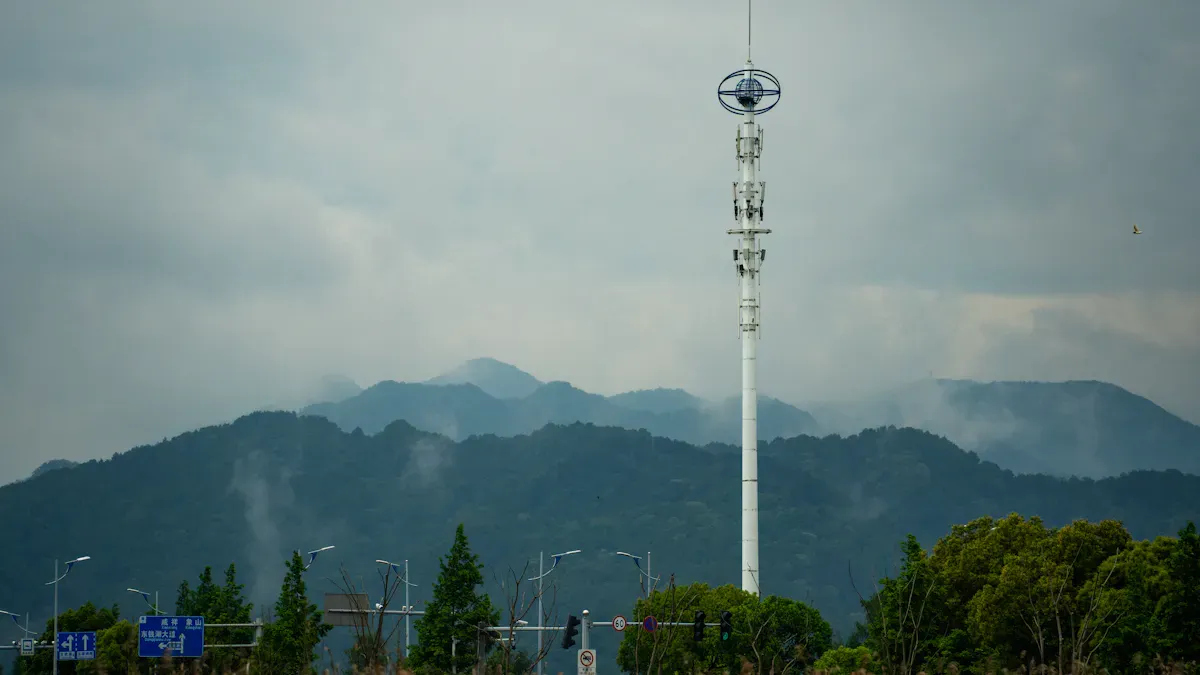
You need a Backup Energy System you can trust. This helps stop telecom power failures. Power problems cause the biggest outages in data centers in China. You can fix these risks by looking at battery technology and system design. You should also think about environmental protection and monitoring. Compliance and vendor support are important too. BEINENG Energy, Inc. gives advanced solutions like the BEINENG PowerPack. It has stackable battery options and solar charging features. These help give steady telecom backup power.
Pick lithium-ion batteries for your telecom backup system. They last longer than lead-acid batteries. They also charge faster. You do not need to fix them as much.
Make a backup energy system that is modular and scalable. This means you can add or take away battery packs. You can do this when your power needs change. It saves money and stops power loss.
Use real-time monitoring for your backup system. This helps you find problems early. It keeps power on during outages.
Make sure your backup energy system is safe and certified. Following rules protects your equipment. It also helps you avoid legal trouble.
Pick vendors you can trust and who give good support. Good suppliers give quality products and help you. This keeps your telecom tower working.
Picking the right battery is important for your telecom Backup Energy System. In China, people use both lead-acid and lithium-ion batteries for backup power. But now, most people like lithium-ion batteries more. They give more energy, last longer, and are safer. These batteries are smaller and lighter. This helps when there is not much space at telecom towers.
The market is changing fast. In 2020, almost half of all energy storage batteries for communication in China were lithium-ion. This number is going up as more 5G base stations are built. Lithium iron phosphate (LiFePO₄) batteries are a kind of lithium-ion battery. They are quickly taking the place of lead-acid batteries for telecom backup.
Let’s look at how these two batteries compare:
Aspect | Lead-Acid Batteries | Lithium-Ion Batteries |
|---|---|---|
Efficiency | Lower charging efficiency (~80%) | |
Cost | Lower upfront cost but higher lifecycle cost due to frequent replacements, maintenance, and downtime risk | Higher initial cost but lower total cost of ownership due to longer lifespan (3–5×), minimal maintenance, and better uptime |
Safety | Chemically stable but risks include acid leakage, gas emissions, and thermal buildup in enclosed spaces | Advanced safety features with BMS, temperature sensors, cell balancing; LiFePO₄ chemistry offers superior thermal stability |
Advantages | Lower upfront cost, mature recycling, simpler charging, suitable for low-cycle standby applications | Higher usable energy capacity, longer lifespan, faster charging, better partial-load performance, compact design |
Disadvantages | Frequent replacements, higher maintenance, downtime risk | Higher initial investment, requires quality BMS, sensitive to extreme temperatures, supplier quality variance |
Recommended Use | Low-cycle or standby-only projects, budget-constrained, space/weight not critical | Frequent cycling, long-term ROI focus, space/efficiency/reliability critical, solar/ESS/industrial storage |
Most telecom Backup Energy System setups work better with lithium-ion batteries. They last longer, charge faster, and need less fixing. Lead-acid batteries are still okay for backup that is not used much. But lithium-ion batteries are now used more because they save space and help stop power loss.
Tip: When picking a battery for your telecom tower, think about how much it will cost over time, not just the price at the start.
How long a battery lasts is important for your Backup Energy System. You want a battery that works for many years and keeps your telecom tower on during blackouts. Lithium-ion batteries, like LiFePO₄, can last 10 to 20 years and handle 3,000 to 10,000 charges. Lead-acid batteries usually last 3 to 8 years and can be charged 500 to 1,000 times. This means you have to change lead-acid batteries more often. That costs more money and can cause more power problems.
Battery Type | Typical Life Expectancy | Cycle Range | Suitability |
|---|---|---|---|
Lead-acid | 3–8 years | 500–1,000 | Low-cost backup |
Lithium-ion (LiFePO₄) | 10–20+ years | 3,000–10,000+ | Solar & ESS mainstream |
Temperature changes how well batteries work and how long they last. The best temperature for telecom backup batteries is 68°F to 77°F (20°C to 25°C). At this temperature, batteries work best and last longer. If it gets hotter than 77°F, batteries wear out faster and can be unsafe. If it gets colder than 68°F, batteries lose power and may not work well.
Temperature Range | Impact on Battery Performance and Lifespan |
|---|---|
68°F to 77°F (20°C to 25°C) | Supports optimal chemical reactions, leading to better performance and longer lifespan. |
Above 77°F (25°C) | Speeds up chemical reactions, causing faster self-discharge, increased corrosion, and shorter cycle life. Risk of thermal runaway. |
Below 68°F (20°C) | Reduces battery capacity, increases internal resistance, and decreases charging efficiency. May not deliver required power during outages. |
Modern lithium-ion batteries have special safety features. These include Battery Management Systems (BMS), temperature sensors, and cell balancing. These features help stop batteries from getting too hot and keep your Backup Energy System safe.
BEINENG Energy, Inc. makes the BEINENG PowerPack, which uses advanced battery technology. The PowerPack has stackable lithium-ion battery packs, like 51.2V and 5kWh 100Ah modules. You can add more packs if you need more power. The PowerPack can use both solar and grid charging, so it works for many telecom sites. It has built-in safety systems to stop overcharging, overheating, and short circuits. This gives you steady backup power and helps you worry less.
Note: Picking a battery with good safety features and the right temperature range helps your telecom Backup Energy System last longer and work better.
You need a Backup Energy System that can grow with you. Telecom towers change as new technology comes or more people use them. Modular and scalable solutions let you add or take away battery packs and power units. This helps you not waste money on systems that are too big. It also stops power problems when you need more energy.
With modular systems, you can fix or upgrade parts without turning off the whole tower. Your telecom service keeps working, even when you do repairs. BEINENG’s stackable battery packs, like the 51.2V 5kWh modules, help you build a system for now and make it bigger later. You can use BEINENG solar battery options to add green energy to your site. This makes your Backup Energy System more flexible and better for the environment.
First, you must do load analysis to design your system. You need to know how much power your tower uses, especially at busy times. This helps you pick the right batteries, inverter, and charge controller. If you live where it is very hot or cold, you may need bigger batteries. Temperature changes how well batteries work. You should also check if you have enough space for stacking batteries. Make sure your floor can hold the weight.
Tip: Use remote monitoring to watch your system’s power use and battery health. This helps you find problems early and plan repairs before outages happen.
A modular Backup Energy System makes fixing things easier. You can change one battery or power unit if it breaks. You do not have to replace the whole system. This saves time and money. Check connections, battery health, and clean panels often to keep your system working well.
Redundancy means you have more than one way to power your telecom tower. If one path stops working, another path takes over. This keeps your tower running, even if something breaks. You should design your Backup Energy System with at least two power paths. Each path should be able to handle all the power by itself. This is called 2N redundancy.
You can use Power Distribution Units (PDUs) to split power between paths. Smart PDUs help you watch power use and find overloads before they cause trouble. Never use more than 80% of a PDU’s rating. Try to keep each PDU below 40% during normal use. Some equipment has two power supplies inside. If not, you can use Automatic Transfer Switch (ATS) PDUs to switch power fast.
Dual power paths stop one failure from causing an outage.
Each path must handle all the tower’s power needs.
Smart PDUs help you watch and manage power use.
Do not overload PDUs by following power rules.
Note: Redundant power paths and modular design work together. If you need to fix or upgrade one part, the other path keeps your tower online.
When you use modular, scalable solutions and redundant power paths, your Backup Energy System is strong, easy to fix, and ready for the future. BEINENG’s flexible battery packs and solar battery options help you build a system that fits your site and keeps your telecom tower working, no matter what happens.
Running telecom towers in China is not easy. The weather can get very hot or cold. There can also be a lot of dust and water. These things can hurt backup batteries and power systems. You need to keep your equipment safe from these problems so your tower keeps working.
Many towers in places without power use diesel generators. Diesel generators are expensive to use and fix. They also make the air dirty and need fuel all the time. If you use solar energy, like BEINENG solar battery solutions, you spend less money. You also help the planet by making less pollution. Solar batteries help you reach green goals and help the world cut down on emissions.
There are different ways to handle tough weather:
Strategy Type | Description |
|---|---|
Specialized Enclosures | Use strong, weather-proof covers and cooling to keep batteries safe from heat and cold. |
Robust Power Management | Add surge protectors and backup power. Solar batteries make the system stronger and cheaper. |
Communication Redundancy | Use more than one signal path and weather-proof antennas to keep the tower online. |
Environmental Monitoring | Watch the weather and change how things work. Fix problems early with smart checks. |
Keep the air around batteries at the right temperature. Leave at least 3 inches of space around each battery. Cooling fans or systems help keep things safe and working well.
Tip: Solar batteries, like BEINENG PowerPack, work great in tough weather. They can charge in different ways and you can add more batteries if needed.
Keeping your site safe is very important. You need to stop people from stealing or breaking your equipment. Fences, locked boxes, and cameras help protect your stuff. Alarms and monitors can tell you if someone tries to get in.
Good airflow stops batteries from getting too hot. Fans and air systems keep bad gases from building up. If air moves well around batteries, they work better and are safer. This helps your backup system last longer and saves energy.
Note: Check your site and air systems often to keep your telecom tower safe. This protects your equipment and makes sure you have power for a long time.
You need to know what happens with your Backup Energy System at all times. Real-time monitoring helps you do this. It checks important battery details like voltage, current, temperature, and cell resistance every second. You can see this information on a dashboard. You also get alerts by email, SMS, or app if something goes wrong.
Real-time monitoring lets you spot problems early.
You can fix issues before they cause power loss.
You see trends and data that help you make smart choices.
Your telecom tower stays online during outages.
SNMP (Simple Network Management Protocol) and local alarms play a big role. SNMP lets you watch your system from far away. You get updates and warnings right away. Local alarms tell you if there is a problem at the site. These tools help you keep your network safe and working.
Tip: Use BEINENG’s support center and system estimators to set up the best monitoring for your site. You get help and advice for your telecom backup needs.
You must take care of your batteries to make them last longer. Preventive maintenance means you check and fix things before they break. This keeps your Backup Energy System strong and ready.
Keep the battery room cool and dry. Try to stay below 104°F. High heat can cut battery life in half.
Train your team to check batteries the right way. Clean the terminals and look for damage.
Do regular checks. Look at batteries every month. Test how they work every few months.
Use sensors to watch voltage, current, and temperature. This helps you find problems early.
Charge batteries the right way. Do not overcharge or undercharge.
You can use BEINENG solar battery solutions with smart sensors. These tools help you track battery health and plan repairs. Good maintenance means fewer surprises and longer battery life.
Note: When you follow these steps, your telecom tower stays powered and safe. You save money and avoid outages.
You have to follow strict safety rules in China. These rules keep you and your equipment safe from shocks and fires. China uses CCC for electrical products. CCC checks if your system follows safety and electromagnetic rules. There are also international standards like IEC 62368-1 and UL certifications. These standards make sure your power supply works safely and well.
It is important to meet environmental rules. RoHS helps you avoid dangerous materials. This supports green goals and follows world rules. Using certified products protects your site and helps the planet.
Tip: Always check if your backup energy system has CCC, IEC, and RoHS marks. This helps you stay out of legal trouble and keeps your tower safe.
You need telecom backup energy systems with the right certifications. These show your system is safe and ready for telecom use. Most systems in China have international certifications like CE, RoHS, IEC 62133, UL, and FCC. These marks prove your equipment passed safety and reliability tests.
Certified solar generators, like BEINENG solar battery solutions, have strong battery management systems. They also have weatherproof covers, remote monitoring, and can be expanded. These features help your telecom tower stay online in far places.
Here are key benefits of compliance and certification:
Benefit | Description |
|---|---|
Consumer Protection | Keeps you safe from shocks and fires. |
Legal Compliance | Helps you follow rules and avoid fines. |
Market Access | Lets you use and sell your system in more places. |
Standards like IEC 62368-1 and UL keep your power supply safe.
CCC certification is needed to use your system in China.
RoHS certification supports green goals and world rules.
Certified products help you avoid risks like fires or early failure.
Note: When you pick certified backup energy systems, your telecom tower is safer and more reliable. You also follow the law and help the environment.
You need a supplier you can count on for your telecom backup energy system. Good suppliers help stop power loss and keep your tower working. When picking a vendor, check for clear certifications and strong quality checks. Make sure they have a good record. BEINENG Energy, Inc. sells BEINENG PowerPack and solar battery solutions that follow strict rules. These products work well and last a long time.
Here are important things to look for when checking suppliers:
Criteria | Description |
|---|---|
Find UL, IEC, CE, RoHS, and ISO 9001 marks. These show the products are safe and high quality. | |
Factory Audits | Ask for reports about factory checks and quality control. |
Testing and Validation | Look for test reports and data from outside labs. |
Safety and Risk Management | Check fire safety plans and battery box ratings. |
Logistics | Talk about packing, shipping, and customs papers. |
Warranty | Most warranties last 5–10 years. Ask about service deals. |
After-Sales Support | Make sure you get remote help and extra parts. |
You should also look at technical details, how much they can make, and ask for references. Suppliers like BEINENG share case studies and customer reviews. This lets you see how their products work in real towers.
Good technical support and a strong warranty protect your money. You need a vendor who helps you when you have problems. BEINENG Energy, Inc. gives you a global support center and system estimators. You get quick answers and expert help.
Look for these things in technical support and warranty:
Remote help and problem solving.
Extra parts for the whole system’s life.
Good planning for energy storage.
Fast help when you need service.
Accurate electricity service.
A good warranty covers your backup energy system for many years. You can trust BEINENG’s warranty and after-sales help. Their global team helps you set up and take care of your system fast. You get help with setup, repairs, and upgrades.
Tip: Pick a vendor with strong after-sales help and a clear warranty. This keeps your telecom tower safe and working for a long time.
BEINENG solar battery solutions and PowerPack products give you steady power and support. You can make your system bigger as you need more power. You feel safe knowing your vendor will help if you need it.
You can make your telecom backup energy system safe and last a long time if you focus on these main things:
Use new battery technology and modular designs. This makes your system work better and more often.
Pick hybrid energy setups, like BEINENG solar battery solutions. These save money and are good for the planet.
Work with vendors you trust. They should give local help and smart tools to manage your system.
Check that your system follows all safety and certification rules.
Feature | Traditional Systems | |
|---|---|---|
Reliability | High | Can change |
Smart Management | Yes | Not always there |
Cycle Life | Long | Shorter |
If you make smart choices now, your telecom tower will keep working well in the future.
Lithium-ion batteries last longer than other types. They charge much faster too. These batteries are lighter and smaller. You do not need to fix them as often. They are a good choice for busy telecom towers.
BEINENG solar batteries give power where there is no grid. Sunlight charges the backup system. This keeps the telecom tower working in far places.
Check your backup energy system once a month. Look for any damage or problems. Clean the battery terminals each time. Test if the batteries are healthy. Regular checks help you find issues early.
Certification | Purpose |
|---|---|
CCC | Safety |
IEC | International use |
RoHS | Environmental care |
You need these marks to follow rules and keep your site safe.
Yes, you can add more batteries when needed. Modular systems like BEINENG PowerPack let you stack more battery packs. This helps you get more power without changing everything.


Compact, quiet, and powerful, it keeps your essentials running during outages and lets you charge anywhere with solar power or grid power.
Perfect for renters who need flexibility without compromise.
Our estimator is only set up to provide preliminary estimates and installer information to residents of single family homes.