
 Email Us
 Contact us
 Whats App
Single family home

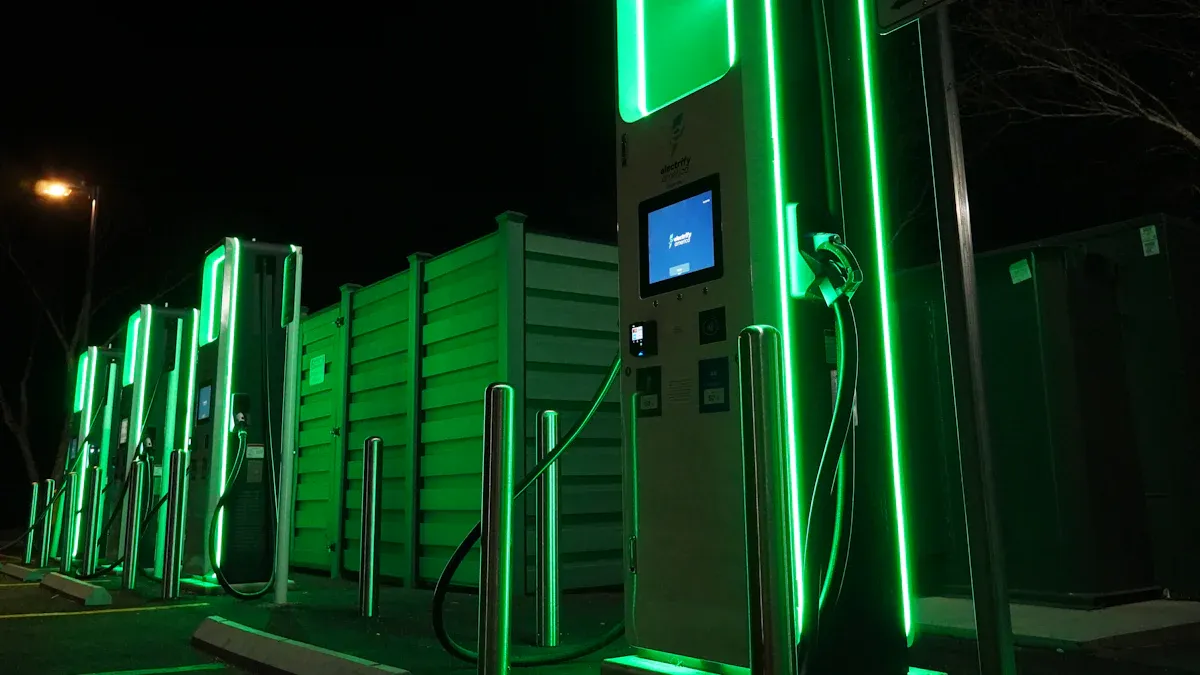
Imagine being able to manage your home's energy. You can save solar power for later use. This helps keep your lights on if the power goes out. Many people pick solar storage batteries for this reason. In the past five years, more families got battery systems at home. In 2023, over 200,000 home battery systems were put in across the U.S. You may wonder how much energy you need. You might ask how long batteries last. You may want to know what makes batteries last longer or shorter. Learning about battery capacity, cycles, and lifespan helps you choose wisely.
Learn about battery capacity in kilowatt-hours (kWh). This helps you know how much energy your home uses. - Battery cycles change how long batteries last. If you use less energy each time, the battery can last longer. - Take care of your batteries and keep them at a good temperature. This helps them work better and last longer. - Figure out how much energy you use every day. This helps you pick the right battery size for your home. - You can use smart apps to check how your battery works. These apps help you make good choices about storing energy.
It is important to know how much energy your battery can hold. This is called battery capacity. People measure battery capacity in kilowatt-hours (kWh). For example, a 10 kWh battery can run a 1,000-watt appliance for 10 hours. This helps you figure out how much solar power storage your home needs.
Battery Storage Capacity = (Total Daily Energy Consumption) / (DoD × Days of Autonomy)
Here is a simple table to help you with the terms:
Term | Description |
|---|---|
Nominal Capacity | Total amount of energy a battery can store, measured in kilowatt-hours (kWh). |
Usable Capacity | Amount of energy that can actually be accessed for use. |
Most home energy storage systems are between 5 kWh and over 20 kWh. One kilowatt-hour can power a 1,000-watt appliance for one hour. When you pick solar storage batteries, think about how much energy you use every day.
Most home battery systems are between 5 kWh and over 20 kWh.
One kilowatt-hour can power a 1,000-watt appliance for one hour.
If you want to save money, you might need 1 or 2 batteries. For backup power, 1 battery can run important appliances. Bigger systems may need 2 or 3 batteries. If you want to be off the grid, you may need 8 to 12 batteries.
You will hear the word cycles when you learn about energy storage. A battery cycle means charging the battery and then using the stored energy until it is empty. Each time you charge and use the battery, that is one cycle. If you only use half the battery and recharge, two half uses make one full cycle.
A battery cycle is a full charge and use.
The number of cycles a battery can do shows how long it will last. Lithium-ion batteries usually give between 300 and 500 cycles. LFP batteries, also called LiFePO4, can give 3,000 to 5,000 cycles or more. This means LFP batteries last much longer.
Solar battery lifespan tells you how many years your battery will work well. The type of battery changes how long it lasts. Here is a table that shows average lifespans:
Battery Type | Average Lifespan |
|---|---|
Lithium-ion | |
Lead-acid | 3-7 years |
Manufacturers look at different things to guess lifespan. These include how often you use the battery, the temperature, how much energy you take out each time, and how well you care for it.
Factor | Description |
|---|---|
Usage Patterns | Batteries are made for daily use; best lifespan happens with 70% usage (6-7 hours daily). |
Temperature | Very hot or cold weather can hurt batteries; lithium-ion batteries work best at 20-25°C. |
Depth of Discharge | Using less than 50% DOD helps batteries last longer. |
Maintenance | Checking and caring for batteries can help them last longer. |
You want your home solar batteries to last a long time and work well. Knowing about battery capacity, cycles, and lifespan helps you make smart choices. If your battery has more cycles, you will not need to replace it as often and you will save money. This also means less waste and helps the planet.
Solar battery lifespan and performance are important for your home. If you take good care of your energy storage, you can make your battery last over 50% longer and lose less energy, up to 92% less. Good care gives you more reliable energy, especially if the grid goes out. You will get more value from your solar power storage system over time.
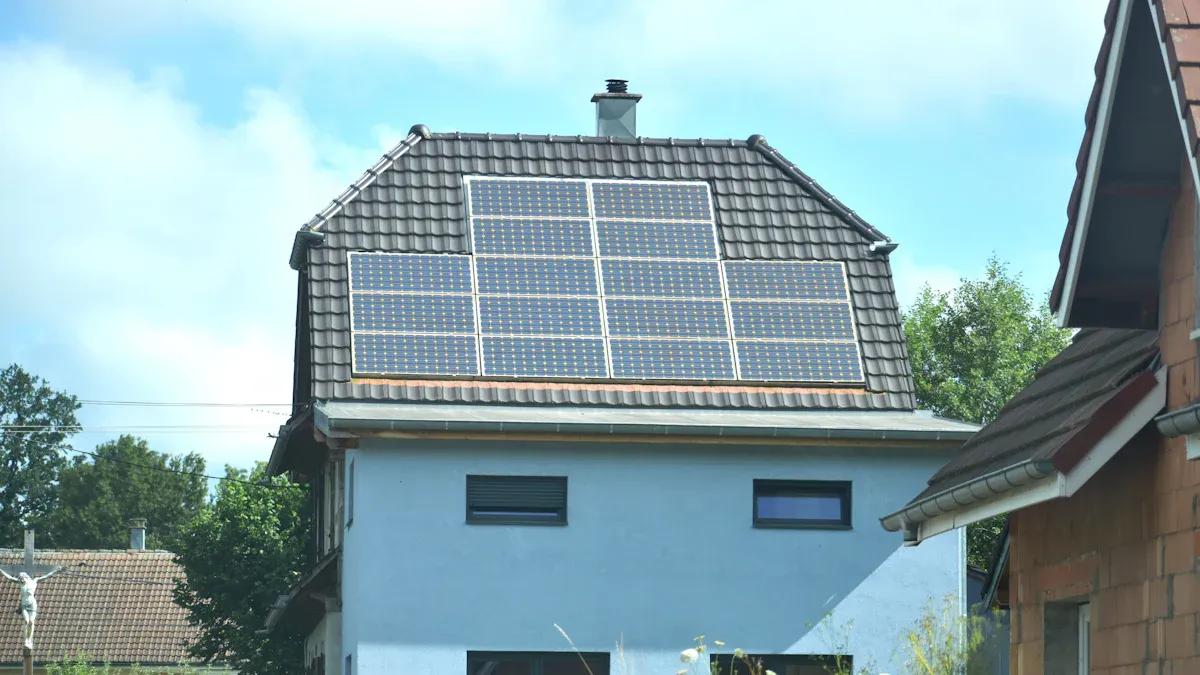
You must know how much energy your home uses. Start by looking at what you do each day. Write down every appliance you use. Write how long you use each one. This helps you guess your daily energy needs.
Here is an easy way to find your daily energy use:
Guess how many hours each appliance runs each day.
Multiply the power rating in kilowatts by the hours used. This gives you the daily energy use in kilowatt-hours.
Add up the energy use for all your appliances.
Check your answer with your electricity bill to see if it matches.
For example, your refrigerator might use 150 watts for 8 hours. That is 1.2 kWh. A TV that uses 80 watts for 4 hours uses 0.32 kWh. If you use a laptop for 6 hours at 65 watts, that is 0.39 kWh. Add these numbers to see your total energy use each day.
Tip: Make a list of your appliances and how long you use them. This makes it easier to figure out your energy needs and plan your solar storage batteries.
Many things change the size of battery you need. Your energy goals are important. If you want backup for your whole house, you need a bigger battery. If you only want to power a few things, you can pick a smaller battery.
Here are some things to think about:
Your energy use changes during the year.
Backup power needs decide how long your home can run when the power is out.
How your solar system is set up affects how well it works.
Your battery’s storage must match your needs.
Electric vehicles or heat pumps make you use more energy.
Wanting more energy independence means you may need a bigger battery.
Lithium-ion battery specs like usable capacity and cycles matter.
Solar panel performance changes with the seasons. Sunlight and weather can change how much energy you get.
Battery storage helps when it is cloudy or in winter.
If you have an electric vehicle or heat pump, you will use more energy. For example, one electric vehicle can add 2,500 to 4,000 kWh each year. You should remember this when you plan your battery size.
Impact Type | Description |
|---|---|
Energy Demand | Electric vehicles and heat pumps make your home use more energy. |
Load Management | You can control your energy use to save money and be more self-sufficient. |
Note: The BEINEN Home ESS system lets you add more batteries as you need them. This makes it easy to grow your energy storage for any home size.
You can use a simple formula to guess the smallest battery size you need. Here are the steps:
Look at your utility bills or use a power meter to find your average daily power use.
Find your most important loads, like lights, fridge, and medical devices.
Decide how many hours you want backup power if the power goes out.
Add up the power use of your important loads and multiply by the backup time.
Pick a battery system that meets or is bigger than your total load.
Here is an example:
Suppose your important loads use 2 kW and you want 6 hours of backup. Multiply 2 kW by 6 hours to get 12 kWh. You need a battery with at least 12 kWh usable capacity.
Example: If you use the BEINEN Home ESS, you can start with one battery and add more as you need. This flexible system works with both new and old batteries. It makes solar battery installation easy and able to grow.
You should also think about changes in the seasons. In winter, solar panels may not work as well because days are shorter or it is cloudy. Plan your battery storage to cover these times. Checking and caring for your system helps it work well all year.
Tip: Use the myBeineng app to watch your energy use and battery performance. This helps you change your energy storage as your needs change.
By following these steps, you can pick the right size solar storage batteries for your home. You will have steady power, better performance, and peace of mind.
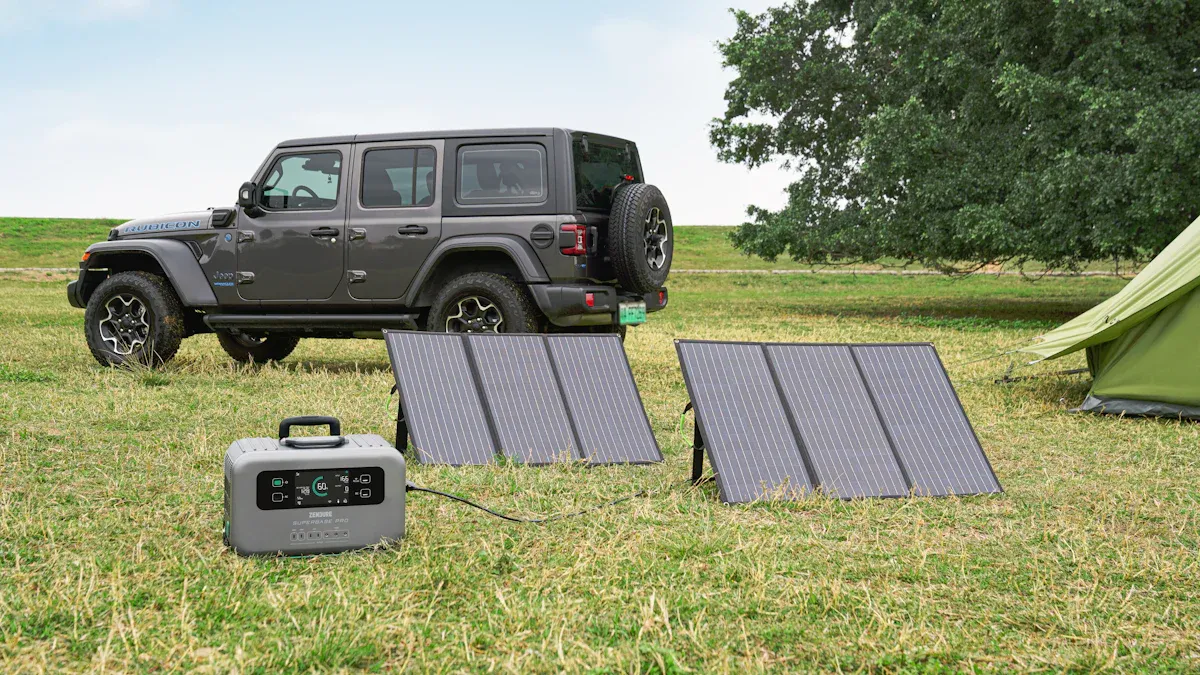
You might wonder what a cycle means for your battery. A cycle happens when you charge the battery and then use the energy. Every time you store energy when the sun is out and use it later, that is one cycle. Charging and then using the battery counts as one cycle. Saving energy during sunny hours and using it later also counts as a cycle.
If you only use part of the battery, it still adds up. For example, if you use half the battery and charge it again, two half uses make one full cycle. This shows how your daily habits can change the total number of cycles.
Tip: If you keep track of cycles, you can guess how long your battery will last and know when to get a new one.
How you use your battery changes how long it lasts. Some batteries are better at handling lots of cycles. If you only use half the battery each time, it can last almost three times longer than using all of it. Using less energy each time gives you more cycles, especially for lithium-ion batteries like LiFePO4.
Here is a table that shows how different ways of using your battery can change its life:
Usage Mode | Description | Cycling Frequency | Impact on NMC Batteries | Impact on LFP Batteries |
|---|---|---|---|---|
Self-Consumption | Charges from solar during the day, discharges at night | 1-2 cycles/day | Moderate | Minimal |
Time-of-Use | Charges during off-peak, discharges during peak | Varies | Significant | Better handling |
Backup | Charged for emergencies, infrequent cycling | Infrequent | Optimal | N/A |
If you use your solar storage batteries for self-consumption, you will have more cycles. LFP batteries can handle deeper discharges and still work well. If you use your battery just for backup, you will use it less, and it can last longer.
The number of cycles your battery does changes how many years it will work in your home. Using your battery every day means you use a little energy each time. This can help the battery last longer. If you only use your battery for backup, you might use a lot of energy at once, but not very often. This can be harder on the battery.
Here is a table that shows how long batteries can last:
Battery Type | Expected Lifespan |
|---|---|
Lithium-ion | 10–15 years |
Lead-acid | 3–5 years |
Cycle life tells you how much the battery wears out from use. Calendar life shows how the battery gets older even if you do not use it much. Things like temperature, how full the battery is, and how much you use each time can change both cycle life and calendar life. You can help your battery last longer by taking care of these things and picking the right battery for your home.
You decide how much energy you use from your battery. This is called depth of discharge, or DoD. If you use more energy before charging, your battery will not last as long. Research shows using a higher DoD makes batteries age faster, especially lithium iron phosphate batteries.
Studies show using batteries past 80% DoD makes them lose power faster.
Depth of Discharge (DoD) | Estimated Cycles |
|---|---|
50% | 5,000 |
80% | 3,000 |
100% | 1,000 |
If you use 50% DoD, your battery might last 14 years. Using 80% DoD means it lasts about 8 years. This difference can cost homeowners thousands to replace batteries. Lithium-ion batteries usually use 80–90% DoD. Lithium iron phosphate batteries can handle up to 100% DoD for whole house backup.
Temperature changes how well your battery works. Hot weather makes batteries age faster and lose power. Cold weather slows down chemical reactions and can hurt batteries when charging. The best temperature for lithium-ion batteries is between 59°F and 77°F. Keep batteries in a cool, ventilated place and out of direct sunlight. Big battery systems work better in climate-controlled spaces.
Keep batteries away from very hot or cold places.
Try to keep the room at 77°F for best results.
Lithium iron phosphate batteries work best between 59°F and 77°F.
How quickly you charge or use your battery matters too. Fast charging makes more heat and stress, which wears out batteries faster. Smart charging helps control these rates and makes batteries last longer. Try to keep a medium charge level to lower stress and get more cycles. The BEINEN Home ESS uses smart controls to help batteries charge and discharge in the best way.
Taking care of your battery helps it last longer. Clean battery connections, test how much energy it holds, and look for damage. Charge batteries the right way to avoid problems. Keeping batteries at the right temperature helps them work better. Equalization helps balance battery cells and brings back lost power. The BEINEN Home ESS works with new and old batteries, so you can store energy flexibly and make batteries last longer.
Maintenance Practice | Description |
|---|---|
Regular Cleaning | Cleans dirt and rust off battery connections. |
Proper Charging | Stops batteries from charging too much or too little. |
Temperature Optimization | Keeps batteries at the best temperature. |
Equalization | Makes battery cells even and brings back power. |
Regular Capacity Testing | Checks battery health and makes sure you have enough energy. |
You can use these steps to help your battery work well and support your home’s energy needs.
You can help your solar storage batteries work better by following some easy steps. Keep your battery in a room that stays cool. Try to keep the temperature between 68°F and 77°F. This stops damage and helps your battery last longer. Do not put your battery in the sun. Charge and use your battery slowly. This keeps it from getting too hot. Set your Depth of Discharge (DoD) to 80-90%. This means you do not use all the battery’s energy each time. Doing this helps your battery last for more cycles.
Here is a simple table to help you remember:
Practice | Description |
|---|---|
Ideal Operating Temperature | Keep battery between 68°F and 77°F. |
Placement | Store battery in a cool, shaded, indoor area. |
Charge and use your battery at slow rates.
Set DoD to 80-90% so your battery lasts longer.
Pick a battery that fits what you need at home. Lithium-ion batteries are good for most people. They have high capacity and can be used many times. They also work well for a long time. If you want backup or daily use, check the storage size and how many cycles it can do. Find a battery with a good Battery Management System (BMS). This system keeps your battery safe and helps it last longer. Make sure your inverter works with your battery. A good match means you lose less energy and your battery works better.
You can use smart apps to watch your battery and help it work well. The myBeineng app lets you see your battery’s health and energy use on your phone. The BEINEN Energy Gateway helps you control your energy. Check your battery often for dust or loose wires. Clean the battery connections if you see dirt. Test your battery’s power every few months. This helps you know if your battery is still strong. Taking care of your battery and using smart tools helps your battery give steady power to your home.
Tip: Checking your battery often and using smart controls helps you get more from your battery and save money over time.
You now know why battery capacity, cycles, and solar battery lifespan are important when picking solar storage batteries for your home. When you learn how battery storage works, you can make better choices as a homeowner. You should look at what your battery needs are and think about new options like BEINEN Home ESS. If you want the best results, ask a solar expert for help or use smart tools to watch your battery.
Most home solar batteries last 10 to 15 years. You can make them last longer by keeping them cool and not using all their energy every day.
Yes, you can add more batteries if you need more power. The BEINEN Home ESS lets you stack up to six battery modules for extra storage.
Your solar battery gives you backup power during outages. You can keep lights, your fridge, and other important devices running.
Tip: Use the myBeineng app to check your battery level during outages.
Make a list of your main appliances. Add up their power use in kilowatt-hours. Choose a battery that matches or is bigger than your total.
Appliance | Power (kWh) | Hours Used | Total (kWh) |
|---|---|---|---|
Refrigerator | 0.15 | 8 | 1.2 |
TV | 0.08 | 4 | 0.32 |


Compact, quiet, and powerful, it keeps your essentials running during outages and lets you charge anywhere with solar power or grid power.
Perfect for renters who need flexibility without compromise.
Our estimator is only set up to provide preliminary estimates and installer information to residents of single family homes.