
 Email Us
 Contact us
 Whats App
Single family home

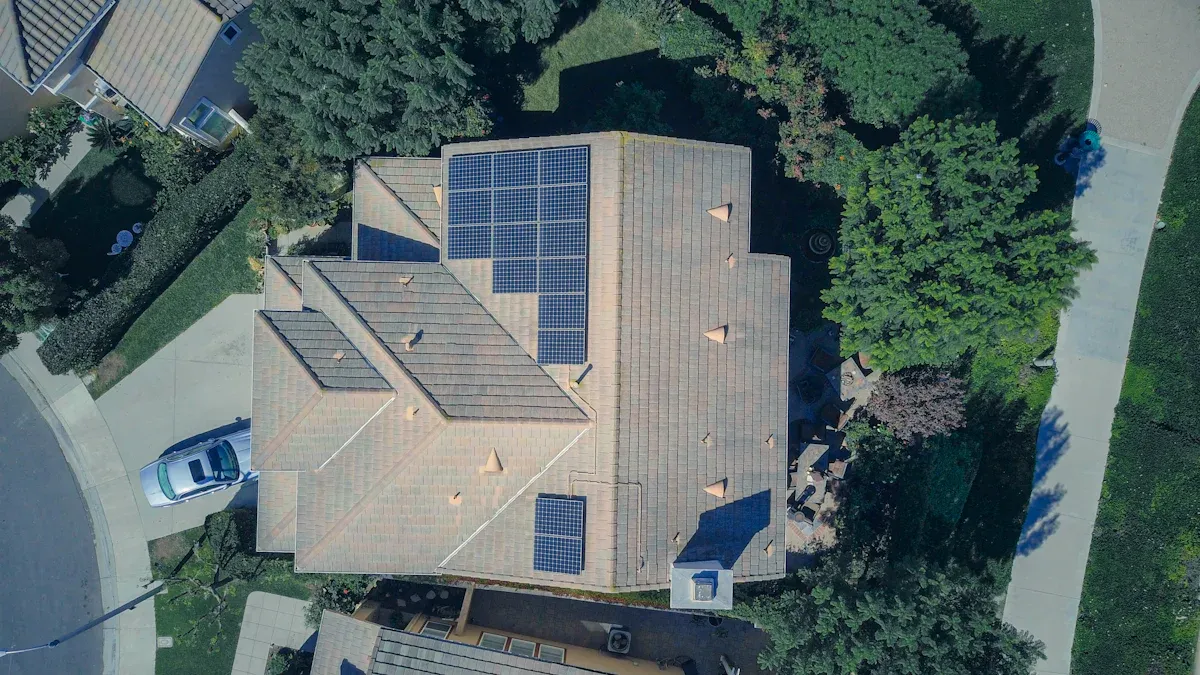
You want to control your home's energy more. Solar Battery Storage helps you keep your lights on. It also helps you use less power from the grid. Many homeowners see these benefits. Now, about 15-20% of new solar setups in the U.S. have battery storage.
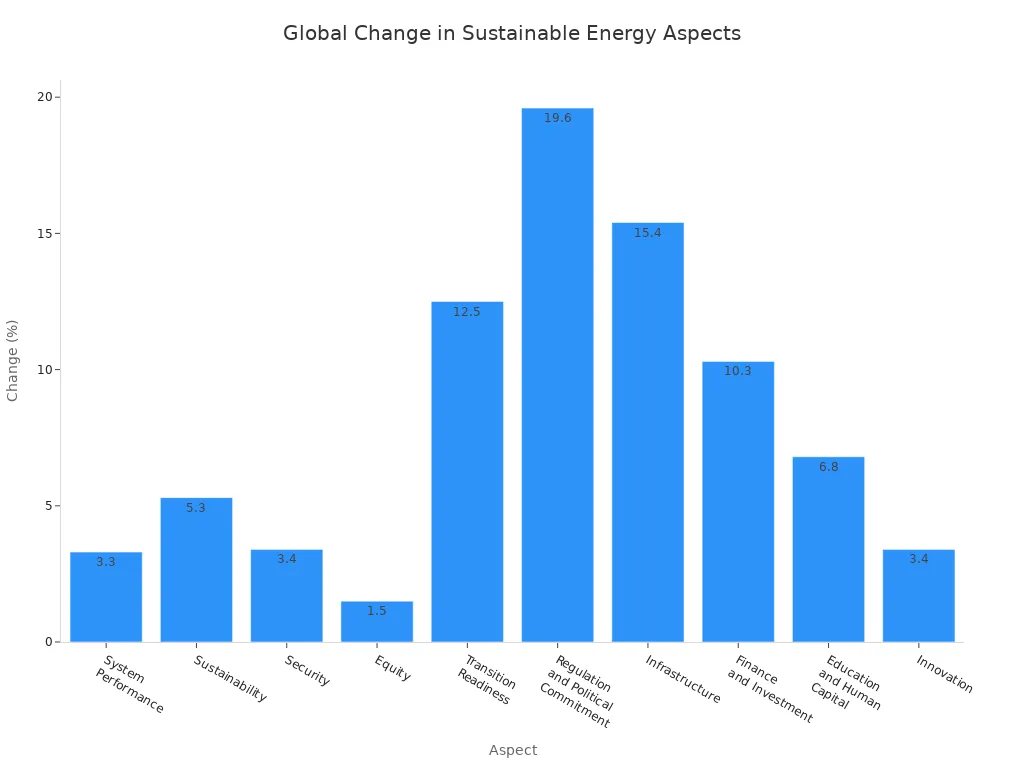
People want more sustainable energy everywhere. Here is how things have changed in ten years:
Aspect | Change (%) |
|---|---|
System Performance | +3.3% |
Sustainability | +5.3% |
Security | +3.4% |
Equity | +1.5% |
Transition Readiness | +12.5% |
Regulation and Political Commitment | +19.6% |
Infrastructure | +15.4% |
Finance and Investment | +10.3% |
Education and Human Capital | +6.8% |
Innovation | +3.4% |
You can make real changes for energy independence. Smart solutions like BEINENG Home ESS can help you. Start looking for ways to use more of your own energy today.
Solar battery storage lets you use solar energy anytime. You can use it during the day and at night. This means you do not need the grid as much. You can also save money on your electricity bills.
If you buy a solar battery system, you can save money each year. You might save between $700 and $1,100 every year. This is helpful when electricity costs more during busy hours.
Pick a battery system that can grow, like BEINENG Home ESS. You can start with a small system. You can add more batteries if you need more energy later.
Using solar battery storage helps you keep power during blackouts. This gives you peace of mind in storms or emergencies.
Use federal and state incentives to help pay for solar battery systems. These incentives make clean energy cost less.
Think about not worrying about blackouts or big electric bills. That is what energy independence means. When you have solar battery storage at home, you can use the sun’s energy all day and night. You do not need the grid for every light or machine. You can save extra solar power during the day. You use it when the sun is gone or if the grid stops working.
Here are the main benefits of solar battery storage:
You can keep extra solar energy for nighttime or cloudy days.
You can keep your house working during blackouts. Your fridge, lights, and devices will stay on.
You can save money by using your own stored energy. You do not have to buy as much expensive electricity from the grid.
Tip: Many people save $700 to $1,100 each year on their electric bills with solar battery storage. You can skip high prices during busy hours and get more from your solar panels.
The BEINENG Home ESS makes energy independence easy. This system lets you make, store, and use solar energy whenever you want. You can even charge your electric car with green energy. The BEINENG system can grow with you. If you need more energy, you can add more battery modules. The myBeineng app helps you check and control your energy from your phone.
Here is a quick look at how BEINENG compares to other systems:
System Type | Technology | Application | Distinct Feature | Scalability |
|---|---|---|---|---|
All-in-One LiFePO₄ System | LiFePO₄ + Inverter | Whole house | Smart integration | ★★★★★ |
Stackable Modular Storage | LiFePO₄ | Large homes | Expandable modules | ★★★★★ |
Smart ESS with Cloud Monitoring | LiFePO₄ + IoT | All homes | AI-driven optimization | ★★★★★ |
You want to use less power from the grid. Solar battery storage helps you do this. When you make your own energy, you do not need to buy as much from the power company. You also help the planet by using clean energy instead of fossil fuels.
You use less from the grid, especially when everyone else is using power.
You help keep the grid steady by saving energy for later.
You can keep your house running even if the grid goes down. This is important during storms or emergencies.
Note: Homes with solar battery storage can work for hours or days during blackouts. You do not have to worry about losing power when you need it most.
A real story shows how strong this can be. One off-grid house used solar panels and batteries to keep the lights on during a long storm. The family did not lose power, even when the whole neighborhood was dark. You can feel safe too with the right system.
Solar battery storage gives you control. You choose when and how to use your energy. With BEINENG Home ESS, you get a smart and flexible system that fits your life. You can start small and add more storage if you need it. You can even add fast EV charging for your car. This is how you take charge of your energy future.
You may wonder what is inside a solar battery storage system. It is easier than you think. The main parts work together to power your home:
The Battery keeps energy from your solar panels during the day.
The Inverter turns the battery’s DC power into AC power for your house.
The Battery Management System (BMS) helps the battery stay safe and work well.
The Charge Controller gives the battery the right amount of power.
System Monitoring lets you check how much energy you make and use.
Racking and Enclosures protect the system and hold it in place.
Cabling and Safety Components connect all the parts and keep things working.
Most new systems use AC coupling. This means you can add battery storage to your solar panels. You do not need to change your inverter. AC coupling lets you store extra solar energy for later. You can use it at night or when the power goes out. You can also add more batteries if you need more power.
AC coupled systems are flexible and easy to control. They help make power grids stronger and smarter.
You want to get the most from your solar panels. Solar battery storage helps you do this. When you save extra energy, you can use it when the sun is not out. This helps you avoid high utility rates. You keep your lights on during outages. You also use less fossil fuel.
The myBeineng app uses smart technology to help you manage your energy. You can see how much power you have. You can set alerts for high use. You can watch your energy flow in real time. This helps you stay in control and save money.
Here are reasons people add battery storage to their solar setup:
Reason for Adding Battery Storage | Description |
|---|---|
Maximize Efficiency | Get more from your solar panels. |
Financial Returns | Save more money over time. |
Reliable Backup | Keep your home running during outages. |
Energy Independence | Rely less on the grid. |
Solar battery storage gives you more freedom and peace of mind. You choose how and when to use your energy.
You have many choices for home battery systems. Each type works for different needs. Here are the main types you will find:
Solar plus storage systems let you keep extra solar energy. You can use your own power at night or when the power goes out.
Storage-only systems work with the grid or other sources. You can save energy from the grid when it is cheap. Use it later when prices are high.
Backup/off-grid systems give you power if the grid fails. Some homes use these to live off the grid.
You also have choices for battery technology. Here are some common types:
Lithium iron phosphate (LFP) batteries
Lead-acid batteries
Flow batteries
Saltwater batteries
Nickel-cadmium batteries
Most people pick lithium-ion or LFP batteries. These last longer and store more energy in less space. Lead-acid batteries cost less but do not last as long.
Let’s see how solar plus storage systems compare to backup-only or off-grid systems:
Feature | Solar Plus Storage Systems | Backup-Only or Off-Grid Battery Systems |
|---|---|---|
Energy Usage | Saves extra energy for later use, so you get more from solar. | Needs you to use energy right away; extra goes to the grid. |
Backup Power During Outages | Gives backup power and works alone if the grid fails. | Stops working during outages unless you have extra backup. |
Flexibility and Control | Lets you manage energy and use it smartly. | Has little control; no way to save energy for later. |
Tip: If you want more control and savings, pick a solar plus storage system.
Choosing the right size for your battery system is important. You want enough stored energy but not too much. Here is what to think about:
How much energy independence you want
Backup power needs for outages
The design and setup of your system
Start by checking your electricity bills. See how much power you use each day and during busy times. If you plan to get an electric car or new appliances, tell your installer. Your future needs matter too.
Here’s a simple way to plan:
Look at your current electricity use.
Talk about any changes you expect, like a new EV or more family members.
Think about what you want to power during an outage.
BEINENG makes this easy with its stackable battery design. You can start small and add more batteries as you need. The modular setup means you do not have to replace everything. Just add another battery module when you want more storage. This saves money and helps you adjust as your life changes.
The modular design lets you grow your energy storage over time.
You can add more without throwing away old equipment.
You do not need to rewire your whole house to add batteries.
This is great if you want to add solar panels or an EV charger later.
Note: BEINENG’s system grows with you. You can always add more power as your needs change.
Picking the best battery system for your home takes some planning. Here are the top things to look for:
Current energy use: Know how much power you use each day and during busy times.
Backup needs: Decide if you want to power your whole house or just the basics during an outage.
Budget: Set a budget that works for you. Remember to think about long-term savings.
Scalability: Pick a system you can expand later, like BEINENG’s stackable design.
Self-reliance vs. grid use: Choose if you want to stay connected to the grid or go fully independent.
Capacity and power: Make sure the battery can store and deliver enough energy for your needs.
Depth of discharge (DoD): Look for batteries that let you use most of their stored energy without hurting their lifespan.
Efficiency: Higher efficiency means you get more usable energy from what you store.
Lifespan and warranty: Check for a strong warranty—at least 10 years is best. Good batteries keep 70–80% of their capacity after many years.
Battery Type | Lifespan Considerations | Cost Considerations |
|---|---|---|
Lead-Acid | Costs less at first but does not last as long. | Lower starting price. |
Lithium-Ion | Lasts longer and works better, especially with LFP. | Costs more at first but saves money over time. |
A good warranty should last at least 10 years and promise the battery will still hold most of its charge. Ask your installer how many cycles the battery can handle.
Solar Battery Storage lets you choose what works best. With the right system, you can save money, stay safe during outages, and grow your energy setup as your needs change.
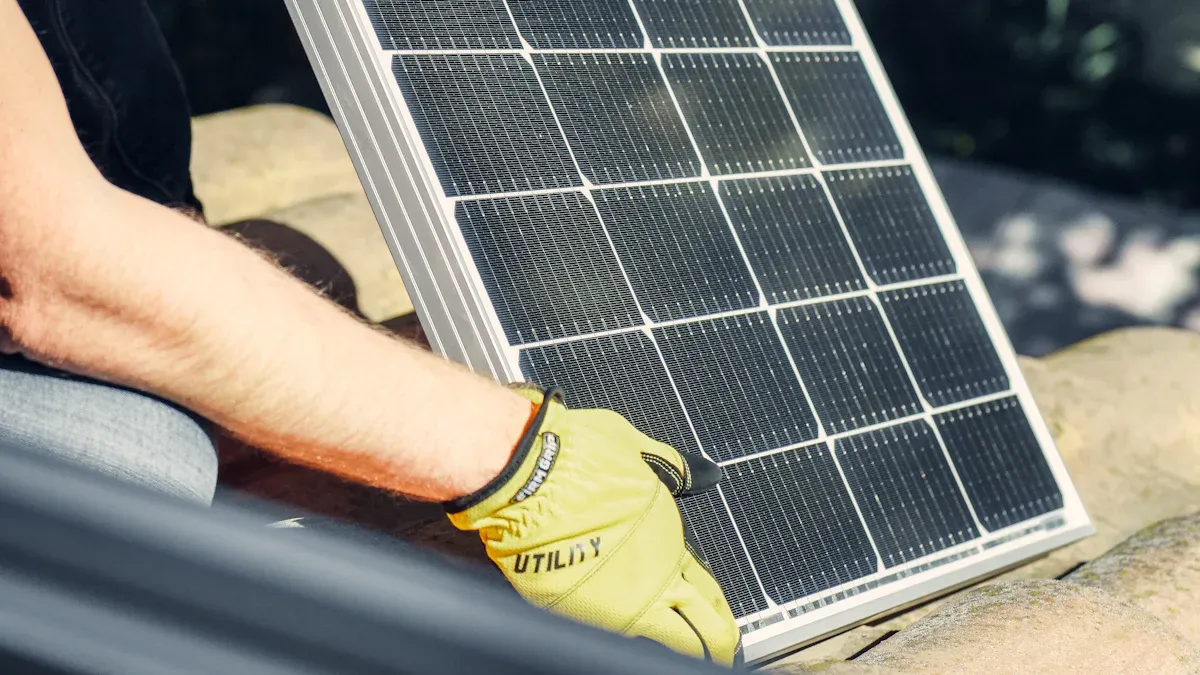
You want your Solar Battery Storage system to work safely and smoothly. Here’s how the installation usually goes:
Site Assessment: A professional checks your home’s electrical panel and decides where to put the battery.
Permits: You get the right permits and make sure everything follows local rules.
Mounting Equipment: The installer puts the battery and inverter in place, making sure they’re secure.
Wiring: They connect the solar panels, inverter, and battery. Every wire gets checked for safety.
Commissioning: The system gets turned on. You learn how to use the monitoring app.
Professional installers know what they’re doing. They keep your system safe and make sure it works well. You also keep your warranty safe when you use certified experts. You don’t want to risk electrical problems or lose your warranty by doing it yourself.
You can connect your battery to your home in different ways. Some setups let you charge the battery during the day and use that energy at night. Others store cheap grid power for later. If you already have solar panels, you might need to add new inverters or rapid shutdown devices. AC-coupled systems are easier to add to existing homes. DC-coupled setups need more changes.
Integration Method | Description |
|---|---|
Modify solar setup | Add rapid shutdown devices and new inverter for charging during outages. |
Battery-only setup | Store grid energy during low rates for backup or peak shaving. |
Upgrade microinverter | Pair with AC-coupled battery for charging during outages. |
AC vs DC coupling | AC is easier to retrofit; DC needs more work. |
When you use BEINENG Home ESS, you get a system that fits your home and lifestyle. The myBeineng app helps you watch your energy and make smart choices.
You want your battery to last and work its best. Try these tips:
Avoid deep discharges. Use only part of the battery’s energy each time.
Schedule big tasks, like laundry, when the sun is shining.
Keep the battery cool and clean. Make sure air can flow around it.
Check the system every few months. Look for loose wires or dust.
Use the app to watch battery health and get alerts.
Tip: Regular checks and smart energy use help your battery last longer and save you money.
BEINENG’s design makes maintenance easy. You can add more batteries as your needs grow. The system keeps you in control and helps you get the most from your solar energy.
You might ask how much Solar Battery Storage costs. The price seems high at first, but you save money later. Here is what you should know:
Most systems cost between $6,000 and $18,000 to set up.
The average price is about $1,300 for each kWh before incentives.
After the 30% federal tax credit, you pay about $1,000 per kWh.
You save money every month by using stored energy. You can join local energy-sharing programs and get extra rewards. Some people earn more than $1,000 each year. Storing solar power for busy hours helps you skip expensive grid electricity.
Tip: Many homeowners see lower utility bills right away. Over time, you could save thousands of dollars with your system.
You can pay less with federal, state, and local incentives. These programs make Solar Battery Storage cheaper. Here are some popular incentives:
State | Incentive Type | Details |
|---|---|---|
Federal | Investment Tax Credit (ITC) | |
California | SGIP Battery Rebates | $150–$250 per kWh, depending on system size. |
New York | NYSERDA Battery Rebates | $200 per kWh upfront rebate statewide. |
Massachusetts | ConnectedSolutions VPP | $275/kW average summer performance payments yearly. |
Vermont | BYOD VPP Program | Up to $950 per kW upfront for battery power. |
Hawaii | BYOD Plus VPP Program | $400–$800 per kW, higher for low-income households. |
Texas | CPS Energy Battery Rewards | $10 bill credits per event-based discharge. |
Oregon | Solar Within Reach Program | $750–$900 per kWh for low/moderate income households. |
Connecticut | Energy Storage Solutions (ESS) Program | $250 per kWh, capped at $16,000. |
Colorado | Xcel Energy’s Renewable Battery Connect | Up to $5,000 upfront at $350 per kW. |
Carolinas | Duke Energy's PowerPair and Battery | Up to $9,000 in upfront rebates for solar-plus-battery systems. |
The federal tax credit can save you $3,000 to $5,000. State programs give you even more savings. These incentives help you buy clean energy.
You may have questions before you buy a system. Here are some common worries and how systems help:
Battery lifespan and possible wear
Limited storage space
Integration and maintenance
Efficiency loss in very hot or cold weather
Financing options and state incentives
Modern systems use smart features to stay reliable. Temperature-adjusted charging and cooling keep batteries healthy. Regular monitoring helps your battery last longer. Firmware updates and careful setup also help your system work well. You can manage depth of discharge to make batteries last. Most systems have strong warranties, so you feel safe.
Note: You can ask your installer about payment plans. Many states offer extra help for homeowners.
You can take charge of your energy future with Solar Battery Storage. Start by looking at your energy use and think about what you want for your home. Try advanced options like BEINENG Home ESS for more control and savings. Enjoy less stress from power outages and help the planet. Want to get started? Talk with a solar expert or check out local rebates today!
Most home solar batteries last 10 to 15 years. You can check your battery’s health with the myBeineng app. Good care and regular checks help your battery last longer.
Yes, you can! BEINENG Home ESS uses a stackable design. You just add new battery modules when you need more power. You do not need to replace your whole system.
Your solar battery keeps your lights and important devices on during outages. You stay comfortable and safe. The BEINENG system switches to backup power automatically.
Not at all! The myBeineng app makes it easy. You can see your energy use, battery level, and even set alerts. You stay in control from your phone or tablet.


Compact, quiet, and powerful, it keeps your essentials running during outages and lets you charge anywhere with solar power or grid power.
Perfect for renters who need flexibility without compromise.
Our estimator is only set up to provide preliminary estimates and installer information to residents of single family homes.