
 Email Us
 Contact us
 Whats App
Single family home

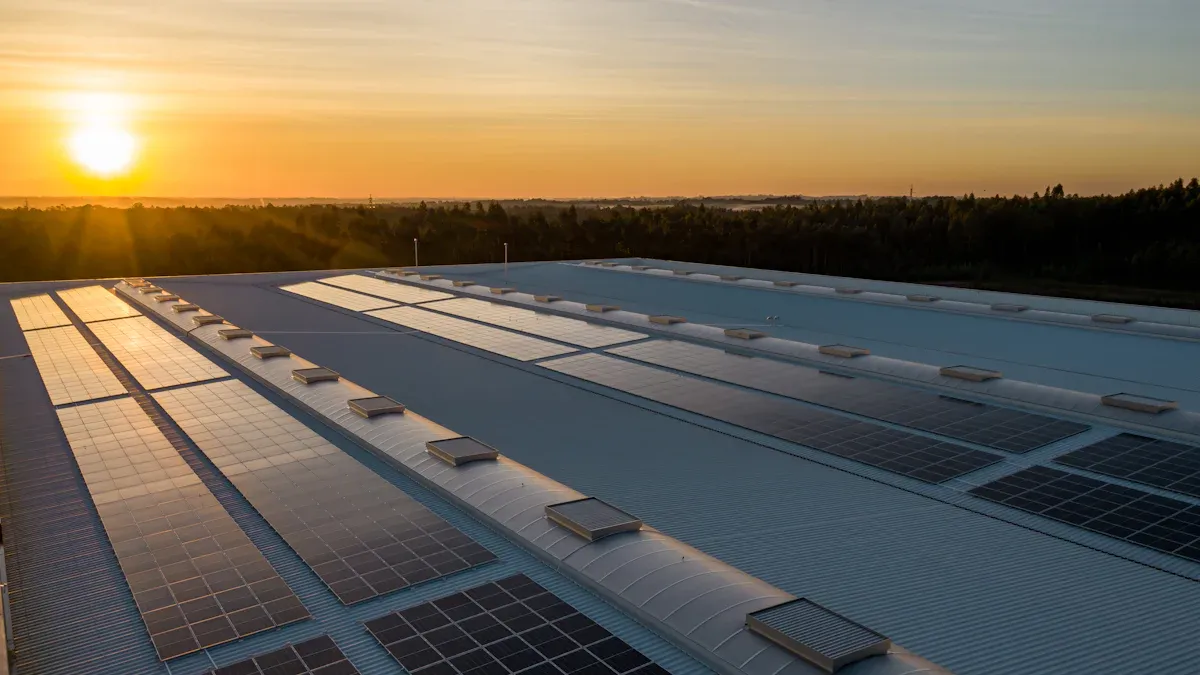
You see solar power battery storage growing quickly around the world. Many homes now use new systems to keep renewable energy. The BEINENG Home ESS lets you control your energy. You can save money and be independent from the grid. Smart home energy storage uses stackable battery modules. It also uses the newest solar panel technology. You get flexible choices for your future. Look at the table below to see how many homes use battery energy storage:
Region | Households with Battery Storage | |
|---|---|---|
California | 40-50% | N/A |
Germany | 40-50% | 500,000 |
Japan | N/A | 500,000 |
Australia | N/A | 200,000 |
You can save up to $540 each year by charging your storage system when electricity is cheaper.
Storing solar energy helps you use more of your own power and lowers bills by 30% to 40%.
Better solar technology can cut your electricity costs by up to 70%.
Home solar battery storage helps you save money. You can save up to $540 each year. Charge your system when electricity costs less.
Modern solar batteries last a long time. They need less care. Lithium iron phosphate batteries last 10 to 20 years. This means you spend less on replacements.
Smart energy management systems help you use more solar energy. They change settings by themselves to save energy. This helps lower your costs.
New battery technologies are safer and work better. Solid-state and sodium-ion batteries are good choices for home energy storage.
You can change your solar battery system to fit your needs. Modular designs let you add more storage as you need it.
Solar power battery storage has changed a lot in five years. New solar battery technology lets you keep more energy from your solar panels. You use more of your own power and need the grid less. The newest solar panel technology works with advanced home energy storage. This gives you better efficiency and stronger performance.
Research and development made batteries hold more energy. You get more power in a smaller battery.
Solid-state batteries are safer and more reliable. They store more energy and last longer than old batteries.
Lithium-ion batteries cost much less now. Prices dropped by almost 90% in ten years.
Lithium iron phosphate chemistry makes batteries even cheaper. Soon, prices may be about $100 for each kilowatt-hour.
Energy storage solutions work better and cost less. You save money and get more efficient solar power.
When you install a solar battery system, you get better battery efficiency. Your solar panels collect sunlight and store it for later. You have steady power all day and night.
Modern home battery energy storage lasts much longer than older ones. You do not need to change batteries as often. This saves you money on repairs and replacements. The newest solar battery technology uses strong materials that last through daily use.
Here is a table showing how long different battery types last:
Battery Type | Average Lifespan |
|---|---|
Flooded Lead-Acid (FLA) | 3-7 years |
Absorbent Glass Mat (AGM) | 4-10 years |
Lithium-Ion (NMC) | 8-15 years |
Lithium Iron Phosphate (LFP) | 10-20 years |
Modern solar batteries, especially lithium iron phosphate, last 10 to 20 years. You get more years of use than older flooded lead-acid or AGM batteries. Most home energy storage systems need little care. You spend about $150 to $300 each year on upkeep. This low cost makes home battery energy storage a smart choice.
New battery technologies are changing how you use solar power at home. Solid-state batteries and sodium-ion batteries bring new benefits for home solar battery storage. These advanced chemistries make batteries safer, more efficient, and cheaper.
Solid-state batteries keep over 80% of their energy after 800 charges. You can charge and use them quickly without losing power. These batteries store more energy and work well with new solar panels.
Sodium-ion batteries use materials that are easy to find and recycle. They cost less to make and are better for the environment. You get faster charging and stable chemistry. Sodium-ion batteries are heavier and hold less energy than lithium-ion batteries. But they are safer and more affordable for energy storage.
Here is a table comparing key features:
Metric | Lithium-Ion Batteries | Sodium-Ion Batteries |
|---|---|---|
Raw Materials | Rare | Abundant |
Environmental Impact | Higher | Lower |
Material Costs | $10,000-$11,000/ton | $600-$650/ton |
Production Costs | $70/kWh | $50/kWh |
Energy Density | 100-300 Wh/kg | 100-160 Wh/kg |
Charging | Slower | Faster |
Cycle Life | 8,000-10,000 cycles | 5,000 cycles |
Safety | Flammable | Stable |
Weight | Lighter | Heavier |
Material Transportation | Hazardous | Standard |
Solid-state and sodium-ion batteries are leading new solar battery technology. These choices give you more options for home energy storage. You can pick what works best for you and enjoy steady power from your solar panels.
Tip: When you pick a solar battery system, look for the newest solar panel technology and advanced battery chemistries. You get better efficiency, longer life, and safer storage for your home.
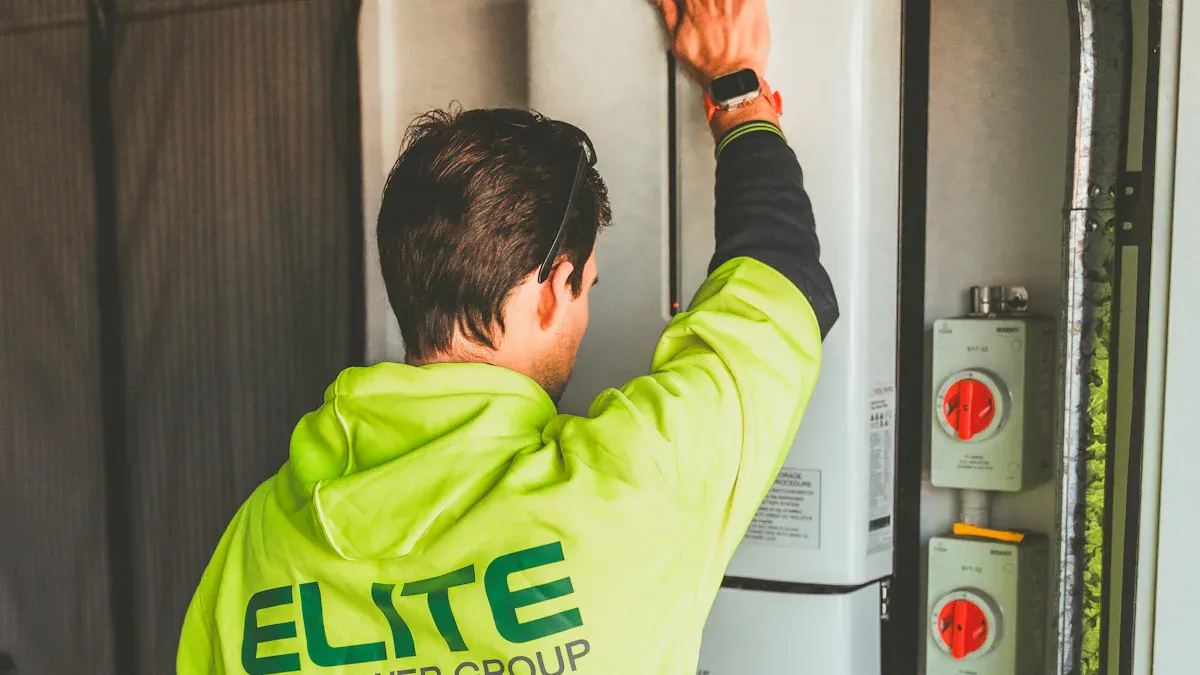
You can make your home smarter with intelligent energy management. Systems like BEINENG Home ESS use AI to help you get the most from your solar battery technology. These systems watch your energy use and weather every second. They change settings to keep your home energy storage working well. You get more power when you need it and save energy when you do not. Here are some ways intelligent energy management helps you:
AI makes quick changes to get more solar energy.
The system checks solar energy and how much you use.
It sends power where you need it most and cuts waste.
Your home can use stored energy if the power goes out.
You get more control and pay less for electricity.
A smart solar battery system helps your battery work better. You save money on your bill and have steady power every day.
Example | Annual Savings (for $2000/year) | |
|---|---|---|
Average household | 15-30% | $300-600 |
Smith family (Colorado) | 25% | N/A |
Patels (California) | 20% | N/A |
Johnson household | N/A | $800 |
You can link your home battery energy storage to the grid. This lets you join virtual power plants. These help balance the grid and keep your lights on during busy times. For example, Tesla Electric worked with SunRun to send 535 MW to California’s grid using home batteries. This helped many homes and cut the need for old power plants. Virtual power plants use smart software to watch energy and send extra power when needed. You get benefits like:
Time-of-use rates help you save by using stored energy when prices are high.
Net metering lets you earn by sending extra solar energy to the grid.
Lower demand charges mean you pay less when many people use power.
Benefits | Challenges |
|---|---|
Energy independence | Starting cost |
Cost savings | Space needed |
More power during outages | Maintenance |
Better for the environment | Rules to follow |
You can control and check your home energy storage with easy apps like myBeineng. These apps show you live data about your battery, solar energy, and power use. You can make changes from your phone and see how much energy you save. App-based systems offer features such as:
Smart home connection for automatic changes.
Ready links to big smart home platforms.
Open APIs for upgrades, like vehicle-to-grid.
Early warning for problems and quick fixes.
You get better efficiency and steady power from your energy storage. You can check battery health and make sure your home always has power. Live monitoring helps you manage your energy and keep your system safe.
You can make your home battery energy storage bigger with stackable battery modules. These modules let you add more power when you need it. BEINENG Home ESS uses stackable modules that work together for better results. You can use both new and old batteries in the same system. This means you do not have to change everything when you upgrade. Stackable modules help you use solar battery technology for your energy needs.
Here is a table showing why stackable battery modules are useful:
Advantage | Description |
|---|---|
High Energy Capacity | Stacking modules gives you more energy for homes that use a lot of power. |
Enhanced Power Output | Connecting modules in parallel gives more power for times when you need it fast. |
Scalability and Flexibility | You can add or remove modules to change how much energy you store. |
Improved System Stability | Good balancing and temperature control help batteries last longer and work better. |
Optimized Space Utilization | Small designs save space, which is great for homes. |
You have more control over your home energy storage. Stackable modules keep your system strong and working well. You can use solar battery technology to keep your home running during blackouts or busy times.
You can change your home battery energy storage to fit your life. Modular systems like BEINENG Home ESS let you start with a small setup. You can add more battery modules if you get more solar panels or buy an electric car. This makes it easy to save money and use energy better.
Modular design lets you pick how much energy you want.
You can make your system bigger as you need more power.
You can use stackable modules for solar, storage, and charging electric cars. This helps you use energy wisely and spend less. You can begin with a simple system and add more modules later. You change your home battery energy storage to get better power and efficiency.
Here is a table showing ways you can customize and expand:
Feature | Description |
|---|---|
Scalable Lithium-Ion Bricks | You can add or take away bricks to change how much energy you store. |
Easy Expansion | Modular systems let you upgrade easily when you need more energy. |
Incremental Investment | You can start small and add more as your energy needs grow. |
You get a system that fits your home. Modular and scalable home battery energy storage lets you use solar battery technology for better control and efficiency.
Solar power battery storage is much cheaper now. Ten years ago, it cost a lot more. In 2010, one kilowatt-hour was about $1,200. Today, it is only about $132. BloombergNEF says lithium-ion battery packs were as low as $99 per kilowatt-hour in 2023. This means more families can afford home battery energy storage.
You have different ways to pay for your system. Here is a table with some popular ways to pay:
Financing Option | Description |
|---|---|
Home equity loan | A bank loan that uses your house as security. |
Low-interest energy efficiency loans | Loans from banks or credit unions with low rates and long time to pay back. |
Property assessed clean energy (PACE) loans | Loans for green upgrades, tied to your property, in some states. |
Power purchase agreements (PPAs) | Someone else owns the system, you pay for what it makes or a set fee. |
Community Solar | You invest in big solar projects, good for renters and apartments. |
Investment Tax Credit (ITC) | A tax credit for 30% off solar projects, so you pay less at first. |
You can pick the best way to pay for your needs. These choices help you get new solar panel technology and use energy better.
More homes are getting home energy storage every year. The market is growing very fast. Experts think it will go from $2.69 billion in 2024 to $4.58 billion by 2030. This is because of new technology, better batteries, and help from the government.
Lithium-ion batteries are the most popular choice. They are growing the fastest, at about 26.2% from 2025 to 2032. In 2024, the world will add 45 GW/97 GWh of battery energy storage. Most of these use lithium-ion batteries for cars, the grid, and homes.
You can find more battery storage systems in stores and online. As prices go down and tech gets better, more families can buy them. People who want clean energy and more control pick these systems. But richer areas have more access. Poorer and more diverse places have more problems, like high costs and fewer ways to pay.
Tip: You can save more and use less energy by picking the newest solar panel technology and smart ways to pay.
You want your solar battery system to keep you safe. Modern systems use new features to protect families. The latest solar panel technology works with batteries that have strong safety tools. Many homes use lithium iron phosphate batteries. These batteries stay cool and do not get too hot. Battery management systems check battery health and stop too much charging. Fireproof boxes keep your battery safe from fire. Remote monitoring lets you watch your system and get alerts if there is a problem.
Safety Feature | Description |
|---|---|
Lithium Iron Phosphate (LiFePO4) | Keeps batteries stable and safe, lowering the risk of overheating. |
Battery Management System (BMS) | Tracks battery health, stops overcharging, and finds faults. |
Fireproof Enclosures | Protect batteries from fire hazards. |
Remote Monitoring & Alerts | Sends you warnings and updates about your battery status. |
Modern solar battery storage systems follow strict safety rules. You see fewer fires than with older systems. These changes help you trust your solar panel setup.
You help the planet when you recycle your battery. New ways to recycle make it cleaner and faster. Hydrometallurgical processes use water to get metals from old batteries. Direct recycling keeps battery parts whole so they can be used again. Some companies use old batteries for energy storage in other places. Automated recycling systems sort and shred batteries quickly.
Hydrometallurgical processes get metals safely.
Direct recycling saves battery parts.
Second life uses old batteries for new energy storage.
Automated systems make recycling quick and safe.
You support clean energy and make less waste when you recycle your battery.
You can pick solar panel systems that use eco-friendly materials. Solid-state batteries last longer and charge faster. Sodium-ion batteries use common materials and cost less. Bio-based batteries break down naturally and do not hurt the earth.
Battery Type | Key Benefits | Environmental Impact |
|---|---|---|
Solid-State Batteries | Store more energy, last longer, and charge quickly. | Lower risk of leaks and fires. |
Sodium-Ion Batteries | Use cheap, plentiful materials. | Better for the planet than lithium-based batteries. |
Bio-Based Batteries | Made from renewable resources and break down safely. | Support sustainability and reduce toxic waste. |
You help clean energy grow when you choose systems with eco-friendly materials. The newest solar panel technology and renewable battery choices make your home safer and greener.
Tip: You can make your home safer, help recycling, and support clean energy by picking solar panel systems with new features and eco-friendly materials.
You can use your electric car to power your house. Vehicle-to-home and vehicle-to-grid technology lets you store energy in your car’s battery. You can send this energy back to your house when you need it. This helps keep your lights on during blackouts or busy times. Many families use this system to be more independent. The technology works well now. In the future, you will see more choices as electric cars become popular. Look at the table below to see how this trend is growing:
Aspect | Current Status | Future Potential |
|---|---|---|
Technical Feasibility | Technically feasible | Big chance for energy independence and grid stability |
Challenges | No standards, rules not ready, battery wear worries | More electric cars make energy systems flexible |
Use Cases | Not many real-life examples | More uses as electric cars become common |
You get more control over your home energy storage. You also help balance the grid. This is a good future for home energy storage.
You can share extra solar power with your neighbors. Peer-to-peer energy sharing uses a network for homes to trade energy. When your solar panels make more electricity than you need, you store it in a shared battery. Other homes use this energy when they need more or when their solar panels make less. Blockchain technology helps you trade energy safely and fast. You do not need a middleman. This system builds trust and helps everyone use renewable energy in the community.
Note: Peer-to-peer energy sharing helps you depend less on the grid and supports clean power for everyone.
You can keep your home energy storage system working well with predictive maintenance. This technology watches your battery health and performance all the time. You get alerts when something needs fixing. The system checks things like charge level and temperature. You can act before problems get worse. This helps you save money and keeps your power reliable.
You check battery health and performance.
You get quick maintenance and better efficiency.
You guess battery life and stop problems.
Predictive maintenance helps you feel safe and lets your home use solar energy for many years. You will see a future where your system works smarter and lasts longer.
You can save money every year with solar power battery storage. When you keep extra energy from your solar panels, you use less grid electricity. This lowers your bills. Many families in the U.S. save real money with home energy storage. You can use stored power when electricity costs more. This helps you skip high prices. Home battery energy storage helps you get more from your solar panels. Your investment pays off faster.
You use more of your own solar energy.
You pay less each month for electricity.
You avoid extra charges during busy hours.
You want your home to have power if the grid fails. Solar panels and battery storage give you backup power during outages. Your lights stay on, and your food does not spoil. Many families use home energy storage to keep their homes safe and comfortable. These systems help balance the grid when lots of people use electricity.
You get backup power during storms or blackouts.
You help keep the grid steady for everyone.
You help the planet when you use solar panels and storage at home. Your choice supports clean energy and helps the earth. The newest solar panel technology lets you make more clean energy. You use renewable power every day and share extra with the grid. This helps your community use less fossil fuel. Homeowners like you lead the way to a cleaner future.
Benefit | How You Help the Transition |
|---|---|
Use of renewable power | Less need for fossil fuels |
Energy storage | More stable and reliable clean power |
Smart panels | Better use of solar energy |
Tip: You make a big difference by choosing solar panels, battery storage, and home energy storage. Your actions help make the world cleaner and the energy system stronger.
New technology helps your home work better and smarter. Solar battery storage lets you control your energy. It also helps you save money. You can pick a panel system that fits your needs. This supports a clean future for everyone. Try solutions like BEINENG Home ESS for steady power. You get easy ways to manage your energy. Every step toward energy independence helps make the world better.
Most home solar battery systems last 10 to 20 years. You get the best lifespan with lithium iron phosphate batteries. Regular monitoring and smart management help you keep your system working well for many years.
Yes, you can expand your system. Modular solutions like BEINENG Home ESS let you stack more battery modules as your energy needs grow. You start small and add more power when you need it.
Modern systems use advanced safety features. You get fireproof enclosures, battery management systems, and real-time monitoring. These features help protect your home and keep your family safe.
You can save up to 30% to 40% on your electricity bills each year. Storing solar energy lets you use more of your own power and avoid high grid prices.
Your solar battery system provides backup power during outages. You keep your lights on and your appliances running. You stay comfortable and safe, even when the grid fails.


Compact, quiet, and powerful, it keeps your essentials running during outages and lets you charge anywhere with solar power or grid power.
Perfect for renters who need flexibility without compromise.
Our estimator is only set up to provide preliminary estimates and installer information to residents of single family homes.