
 Email Us
 Contact us
 Whats App
Single family home

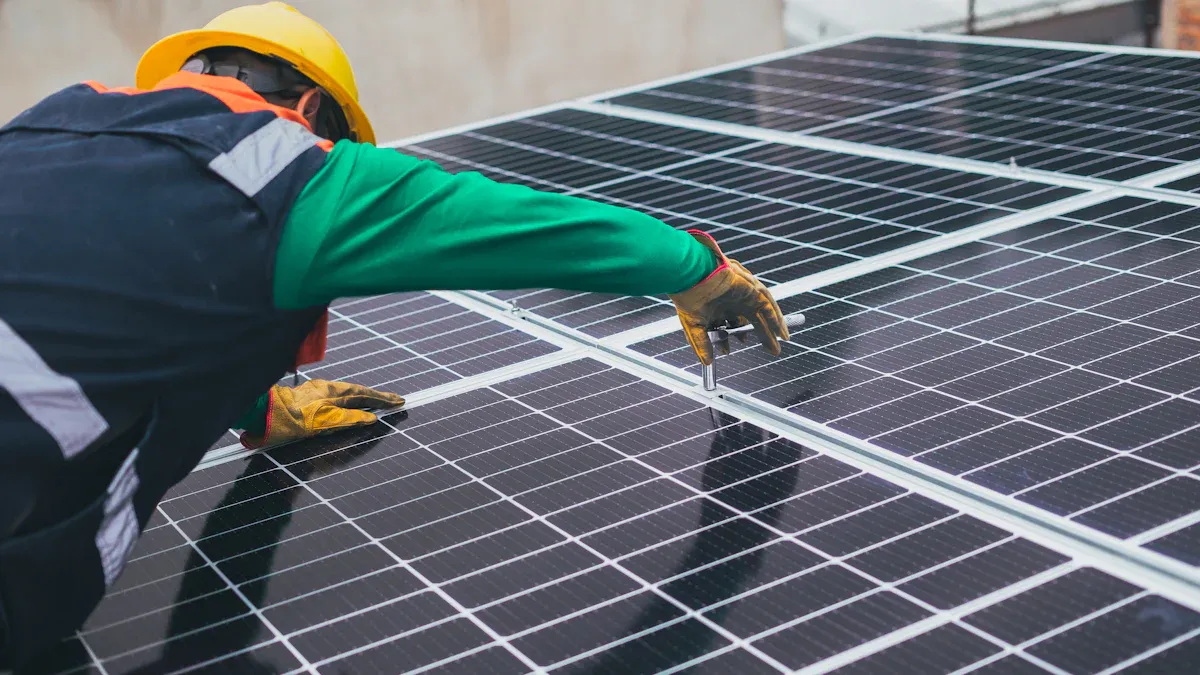
You can help your solar panel home batteries last longer by doing easy Solar Panel Maintenance steps. The BEINENG Home ESS helps you do this. Taking care of your batteries often makes them work better and more reliably. With smart tools like the myBeineng app, you can check things fast and save energy every day.
Taking care of solar panels often can make them work better by up to 15%. Clean panels take in more sunlight, which helps you save money.
Use the myBeineng app to check how your solar system is working. Checking often helps you find problems early, so you can avoid expensive fixes.
Have a professional look at your system every five years to keep it safe and working well. Doing this helps protect the money you spent on your system.
You want your solar panel home battery system to work well every day. Cleaning your system often helps keep it free from dirt. If panels get dirty, they can lose up to 25% of their power. Clean panels make more energy. This means you save more money and get your money back faster. You also stop damage that can slow your system down. Checking your batteries often helps them stay at the right temperature, between 10 and 60°C. This lets your batteries work well in hot or cold weather.
Tip: Use the myBeineng app to watch how your system works and find problems early.
Here is a quick look at how maintenance helps your system:
Evidence Type | Details |
|---|---|
Efficiency Loss | Dirty solar panels can lose between 15-25% of their power. |
Energy Production Increase | Good care can make energy go up by about 15%. |
Financial Impact | Regular care saves you more money and helps you get paid back sooner. |
You want your solar panel home battery system to last many years. Checking your system often helps you stop problems like sulfation in lead-acid batteries. This problem can make batteries weaker and not last as long. Keeping your batteries at the right charge and health helps them last longer. Studies show that checking your system before problems happen makes batteries wear out slower than only fixing things when they break.
Preventive maintenance: 1.38% wear each year
Responsive maintenance: 1.61% wear each year
When you take care of your system, you protect your money and get steady energy for a long time.
You should clean your solar panels two to four times each year. The best times are at the end of fall and the start of winter. This schedule helps you remove leaves, dust, and other debris before snow or rain can make cleaning harder. If you live in a dusty or polluted area, you may need to clean your panels more often. Regular Solar Panel Maintenance keeps your system working at its best.
Note: If you see a sudden drop in energy production, check your panels for dirt or debris. Even a thin layer of dust can block sunlight and lower your power output.
Here is why cleaning matters:
Dust on solar panels blocks sunlight and lowers energy production.
Even small amounts of dust can add up over time and reduce efficiency.
Studies show that dust can cut your panel’s efficiency by about 20%.
You want to keep your panels clean without causing damage. Always clean your panels when they are cool, such as early in the morning or late in the evening. Use a hose from the ground to spray water gently over the panels. This method removes most dirt and debris without touching the surface.
If you need to scrub, use a soft brush or sponge. Avoid hard brushes or rough cloths, as these can scratch the glass. For tough spots, mix isopropyl alcohol with water and gently wipe the area. Eco-friendly cleaning solutions with biodegradable ingredients are also a good choice. They clean well and do not harm the environment.
Some people use automated cleaning systems. These systems use less water and reduce the risk of injury from climbing on the roof. If your panels are hard to reach or you have a large system, you may want to hire a professional cleaner. Experts have the right tools and know how to clean panels safely.
Here are some safe cleaning tips:
Use a ground-level hose with clean water for most cleaning jobs.
Choose soft brushes or sponges for gentle scrubbing.
Try a mix of isopropyl alcohol and water for stubborn dirt.
Pick eco-friendly cleaners to protect your panels and the planet.
Consider automated cleaning systems for easy and safe maintenance.
Hire professionals for large or hard-to-reach installations.
Solar Panel Maintenance does not have to be hard. With the right tools and a regular schedule, you can keep your panels clean and your system running well.
You should check your solar panel system often. This helps you find problems before they get worse. First, look at the panels for dirt, leaves, or cracks. Next, check if any brackets or bolts are loose. Look at the wires to see if they are burned or broken. Check the inverter to make sure it works right. Use the myBeineng app to see how your system is doing.
Here is an easy checklist for your inspection:
Look for dirt, leaves, or cracks on the panels.
Make sure brackets and bolts are tight.
Check wires for burns or broken spots.
See if the inverter works and gives power.
Use the app to check how your system works.
Look for loose wires or broken insulation.
Make sure fuses and breakers work right.
Check wires for rust or heat damage.
Measure voltages to see if they are correct.
Check if the grounding system is safe.
Tip: Checking your system often helps stop fires and keeps you safe.
When you check your system, you might see signs of trouble. Watch for less power, dark spots, or shade on the panel edges. Look for broken seals or lots of dirt. Wires with problems or bird nests can also cause issues. If you see these things, fix them soon.
Here are some common problems you might find:
Issue Number | Description |
|---|---|
1 | Missing warning labels or wrong numbers on your system. |
2 | Wires that hang down or have bad connectors. |
3 | Boxes or parts that are old or have bad connections. |
4 | Ground wires that are not connected or are hard to find. |
Finding these problems early keeps your solar panel system safe. Regular checks protect your money and help your home get steady energy.
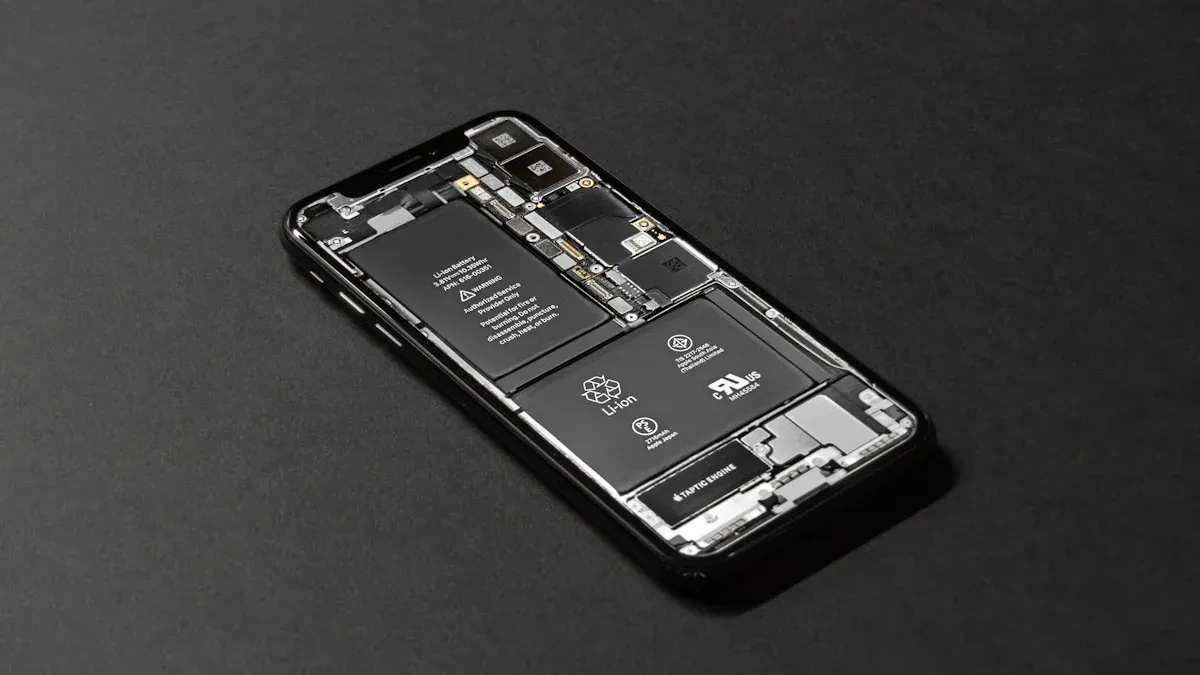
You can keep your solar panel home battery healthy by using smart tools. The BEINENG Home ESS gives you easy ways to check your battery status. The myBeineng app uses AI to watch your system in real time. You see clear diagrams that show how energy moves in your home. If you expect high energy use, you can tell the app. The AI will adjust your battery settings to keep everything running smoothly.
Tip: Check the myBeineng app every week for quick updates. Look for any changes in battery health or energy flow.
Here are some best practices for monitoring your battery:
Check the charge rate often to stop overheating.
Make sure inverter settings match your battery’s needs.
Review system data every month to catch small problems.
Use the app for fast checks and deeper reviews each month or quarter.
You need to track key metrics to know how well your battery works. The myBeineng app helps you see these numbers easily. Watch for changes in battery charge, voltage, and temperature. These numbers tell you if your battery is healthy.
Metric | Description |
|---|---|
Shows how full your battery is, as a percentage. | |
Voltage | Tells you the battery’s electrical strength, usually 12 to 48 volts. |
Current flow | Measures electricity moving in or out, in amperes. |
Temperature readings | Shows battery heat; best range is 68-77°F (20-25°C). |
Depth of Discharge (DOD) | Tells you how much battery power you use. |
Cycle count | Counts how many times you charge and use the battery. |
Tracking these numbers helps you spot problems early. You keep your battery working well and make sure you have power when you need it.
You should check your solar panel system’s wires a lot. Wires move power from the panels to your battery and house. If wires break or get old, your system might lose power or become dangerous. Look for problems every month. A professional should check everything once a year.
Here is a table that shows how often to check your system:
Task Frequency | Description |
|---|---|
Monthly | Check how your system works, look at parts you can see, find loose or broken wires, and clean panels if needed. |
Annual | Get a professional to check all wires, tighten connections, test insulation, and update the inverter. |
When you check wires, look for these problems:
Wires that are loose or broken
Cuts or small marks on the wire cover
Wire covers that look burned or melted
Wire covers that are stiff or cracking
Copper wire showing
Animals like squirrels or birds might chew on wires. Strong wind or hot sun can also hurt wires. If you see wires coming off or any of these problems, fix them fast. Bad wires can cause fires or make your system stop working.
Tip: Use the myBeineng app to watch how your system works and find wire problems early.
Corrosion can make connections weak and lower your system’s power. You can stop corrosion by picking the right materials and checking your system often. Galvanic isolation helps when you use different metals. Non-conductive washers or pads keep metals apart and stop rust.
You can stop corrosion by doing these things:
Check your area for things that cause rust.
Pick materials that do not rust easily.
Use galvanic isolation to keep metals from reacting.
Check and fix your system often to find rust early.
Some rules help keep your system safe:
AS 4312 shows where hardware might rust.
IP ratings tell how well boxes keep out water and dust.
If you keep connections clean and dry, your solar panel system will last longer and work better.
You need to plan for professional checkups to keep your solar panel home battery system working well. Experts say you should get a full inspection at least every five years. This helps you find problems early and keeps your system safe. If you see your energy drop suddenly or notice damage, call a professional right away. Regular checkups protect your money and help your system last longer.
Get a professional inspection at least every 5 years.
Call for extra checkups if you see damage or less power.
Write down all inspections so you remember them later.
Tip: Put your next inspection date on your calendar so you do not forget.
A professional checkup gives you a full review of your solar panel and battery system. The technician starts by checking how much sunlight your home gets. They look for shade from trees or buildings that might block the sun. Then, they check your electrical system to make sure it is safe and works right. You get a report that tells you what they found and what you can do.
Here is what happens during a checkup:
The technician asks about your energy needs and your home.
They come to your house and look at the roof, panels, and wires.
They measure sunlight and see where to put the panels.
They plan the system size to fit your needs.
They give you an idea of how much money you can save.
You learn how your system is doing and get tips to make it better. Professional checkups help your solar panel home battery system work well for many years.
You need special gear to stay safe when working on your solar panel home battery system. Always wear insulated gloves that fit your system’s voltage. These gloves keep your hands safe from electric shocks. Wear safety glasses with side shields to protect your eyes from sparks or cleaning sprays. A hard hat keeps your head safe from things that might fall or if you bump into something. Pick sturdy boots that do not conduct electricity and have good grip. This helps you avoid slipping and keeps you safe from electric shock. Wear fire-resistant clothes made from natural fibers or treated fabric. These clothes protect you from burns if there is an electrical fire. When you clean panels, use gloves that cannot be cut easily. Wear boots that do not slip so you do not fall.
Tip: Do not wear jewelry or bring metal near the battery. Metal can make sparks and cause injuries.
You must be careful when you handle your solar panel batteries. Keep batteries in a cool and dry place so they do not get too hot or freeze. Clean the outside of the battery often to get rid of dust and dirt. Use distilled water mixed with baking soda and a battery brush to clean safely. Check for damage, rust, or leaks every time you look at the battery. Do not overcharge batteries. Use a Battery Management System and chargers that are certified. Make sure all wires are covered and circuit breakers are in place to stop short circuits. Always keep a lithium fire extinguisher close by. Water cannot put out lithium fires. Have a professional check your system at least once a year to keep it working well.
Always wear safety gear when you work on your system.
Keep your work area dry and clean.
Throw away old batteries the right way to help the environment.
You may ask how often you need Solar Panel Maintenance. Manufacturers say you should follow a regular schedule. This keeps your system working well. Here is a simple table to help you remember:
Frequency | Tasks | Performed By |
|---|---|---|
Monthly | Look at your system, check for warnings, clean outside | User |
Quarterly | Check if wires are tight, look at performance logs | User / Installer |
Annually | Do a full check, update software, check torque | Qualified Technician |
Doing these tasks helps you find small problems early. Your system stays safe and works well.
Weather can change how your solar panel and battery work. Hot days can make panels less powerful. Hail and strong wind can break panels or wires. After storms, look for broken parts or trash. Some batteries can save extra energy before storms. If you live where storms happen a lot, clean and check your system more often.
Backup batteries help you keep power during outages.
Clean panels after storms to keep them working.
Regular checks help you find damage quickly.
If you do not do regular maintenance, your system can have problems. Small issues can turn into big ones. Here is a table that shows what can go wrong:
Risk/Consequence | Description |
|---|---|
Increased Fire Risks | Dirt and loose wires can start fires. |
Compromised System Reliability | Your system might not work when you need it. |
Potential Catastrophic Failures | Batteries can get too hot and break if not checked. |
Economic Viability Undermined | You lose money if your system does not work well. |
Doing Solar Panel Maintenance helps protect your home and your money.
You can help your solar panel home battery last longer by doing a few things. First, plan to check your system often. Next, make sure the panels stay clean and do not have leaves or dirt on them. Watch how your system works to catch problems early. Keep your system safe from bad weather and animals. Change old parts when they stop working well. The myBeineng app makes it easy to check your system and get good results.
You should check your system every month. Schedule a professional inspection at least once a year for best results.
The myBeineng app lets you monitor energy use, check battery health, and spot problems early. You stay in control of your system.
Yes, you can clean panels with a hose and soft brush. Clean them when they are cool. Always follow safety tips.


Compact, quiet, and powerful, it keeps your essentials running during outages and lets you charge anywhere with solar power or grid power.
Perfect for renters who need flexibility without compromise.
Our estimator is only set up to provide preliminary estimates and installer information to residents of single family homes.