
 Email Us
 Contact us
 Whats App
Single family home

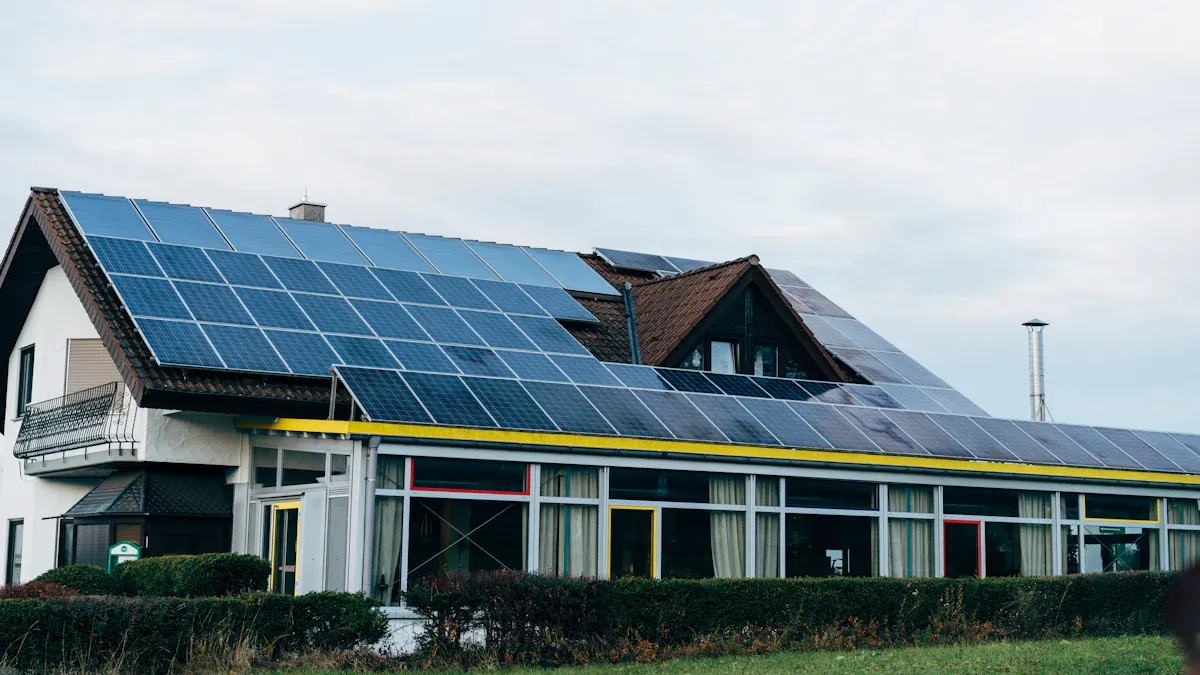
You want your lights to stay on during storms and blackouts. A Solar Battery House Backup helps with this. One out of four homes in the U.S. lose power each year. More families now pick solar battery systems for backup. Millions have already switched. You get peace of mind, energy freedom, and a cleaner home. Smart solutions like the BEINENG Home ESS make backup power easy and dependable.
Solar Battery House Backup systems give steady power when the lights go out. They keep important things like fridges and medical equipment working. These systems use clean energy. This helps the planet and lowers your carbon footprint. Your home will stay powered. You can save money by using stored solar energy when electricity costs more. This means your utility bills can be lower. Smart monitoring apps let you check how much energy you use. You can also see how well your system works. This makes sure your backup is ready for emergencies. Planning your energy needs is important. Talking to experts can help you pick the right system size and parts for your home.
You cannot always tell when power will stop. A Solar Battery House Backup lets you keep things working. You can keep lights on, food cold, and phones charged. If a storm comes or the grid fails, you stay safe and comfortable. You do not need to worry about food going bad or missing news. You feel calm because your family is safe.
In emergencies, you want backup that works every time. Solar Battery House Backup does not need fuel or loud engines. You can trust it to work even if gas stations close or roads are blocked. You help the planet by using clean energy. Your home stays safe no matter what happens outside.
Tip: Your backup system can help every day. It can lower your bills and give you power for daily needs.
Power can go out for many reasons. Some outages happen fast, and some are planned. Here are the most common causes:
Bad weather like hurricanes, storms, snow, and strong winds can break power lines and transformers.
Old or broken equipment can cause outages in your area.
Utility repairs or upgrades can stop power for a while.
Car crashes into utility poles can make electricity go out nearby.
You may wonder how Solar Battery House Backup is different from regular generators during disasters. Here is a quick comparison:
Feature | Solar Battery Backup Systems | Traditional Generators |
|---|---|---|
Fuel Dependency | Needs fuel, which may be hard to get | |
Reliability during disasters | Usually works better; does not run out of fuel | May not work if fuel is gone or supply stops |
Performance in sunlight | Can keep charging unless there is no sun | Needs fuel all the time |
Solar Battery House Backup systems give you more freedom and trust. You do not have to worry about fuel or loud noise. Your home keeps power, and you stay in charge.
You want your house to work even if the power goes out. Solar Battery House Backup gives you steady power for important things. You do not have to worry about your fridge getting warm or your phone losing charge during a blackout. Here is what it means to have power all the time: Your fridge keeps food cold. You can charge your phone and talk to people. Medical equipment keeps working. Lights stay on, so you feel safe at night.
Tip: You can also use stored energy to save money when electricity costs more.
Solar Battery House Backup helps you use things you need every day. You can keep your internet working, power your security system, and make sure your heat or air works. Here are some things people protect with backup power: Keeping the fridge cold, keeping internet and Wi-Fi on, powering medical equipment, having light in every room, running heat or air, and making sure your home is safe.
You feel calm because your home stays safe and comfortable.
You do not need to count on the power company. With Solar Battery House Backup, you can store your own solar energy and use it when you want. This gives you more control over your energy and helps you pay less for power. Here is what homeowners like most:
Benefit Category | Description for NY Homeowners | Primary Value |
|---|---|---|
Gives you power when the grid goes out from storms, heat, or broken equipment. Keeps important things working. | Peace of Mind | |
Cost Savings | Stores free solar energy so you do not have to buy expensive power at night. This lowers your bills. | Financial Return |
Environmental Impact | Uses clean solar power you make yourself. This means you use less fossil fuel power, especially when lots of people need power. | Sustainability |
You help the earth every time you use clean energy from your Solar Battery House Backup. By using stored solar power, you make less pollution. In one year, you can stop as much pollution as planting over 100 trees or not driving a car for thousands of miles.
Carbon Savings | Equivalent Impact |
|---|---|
3-4 tons of CO2 annually | Planting over 100 trees each year or not driving a car for 7,500-10,000 miles |
You really help the planet while keeping your home safe and powered.
You might wonder what makes up a Solar Battery House Backup system. Each part has a special job. When you know what each piece does, you can see how the whole system keeps your home running during an outage. Here’s a simple table to help you understand:
Component | Function |
|---|---|
Batteries | Store extra energy made by your solar panels. |
Inverters | Change the electricity from your panels and batteries (DC) into the kind your home uses (AC). |
Charge Controllers | Make sure the right amount of power goes from your panels to your batteries. |
Monitoring Systems | Show you how much energy you make, use, and store in real time. |
The BEINENG Home ESS brings all these parts together in one smart package. You get solar, storage, EV charging, and app control. You do not have to buy each part on its own. This makes things simple and easy to manage.
Tip: Inverters and transfer switches are key. The inverter lets you use solar power in your home. The transfer switch moves your home from grid power to backup power when the grid goes down. Battery modules store the energy you need for later.
Let’s look at how these parts work together in your home. The process is smooth and automatic. Here’s what happens:
Solar panels on your roof catch sunlight and turn it into electricity.
The batteries store this energy for when you need it, like at night or during a blackout. Many systems, like BEINENG Home ESS, use safe and long-lasting Lithium Iron Phosphate (LiFePO₄) batteries.
The inverter changes the stored energy into the type your home needs.
Hybrid inverters help manage where the energy goes—either to your home, your batteries, or even your electric car.
You do not have to do anything special. The system knows when to switch from solar to battery power. If the grid goes out, your backup turns on right away. You keep your lights, fridge, and other important things running.
Note: The BEINENG Home ESS stands out because it combines solar, storage, EV charging, and smart controls in one system. You can even stack more battery modules if you need more power.
You want to know how much energy you have and how much you use. Smart monitoring makes this easy. With the myBeineng app, you can check your system from your phone or tablet. Here’s what smart monitoring does for you:
Shows you real-time data about your battery health and energy use.
Stops your batteries from getting too full or too empty, which helps them last longer.
Lets you make smart choices about when to use your stored energy.
You get alerts and tips right on your device. You can see if your system is working well or if you need to change how you use power. This helps you save money and keeps your backup ready for emergencies.
The BEINENG Home ESS uses advanced technology from over 20 years of research. Their LiFePO₄ batteries have top safety ratings. You get a system that is smart, safe, and easy to use.
Callout: With smart monitoring, you stay in control. You always know your home is ready for the next outage.
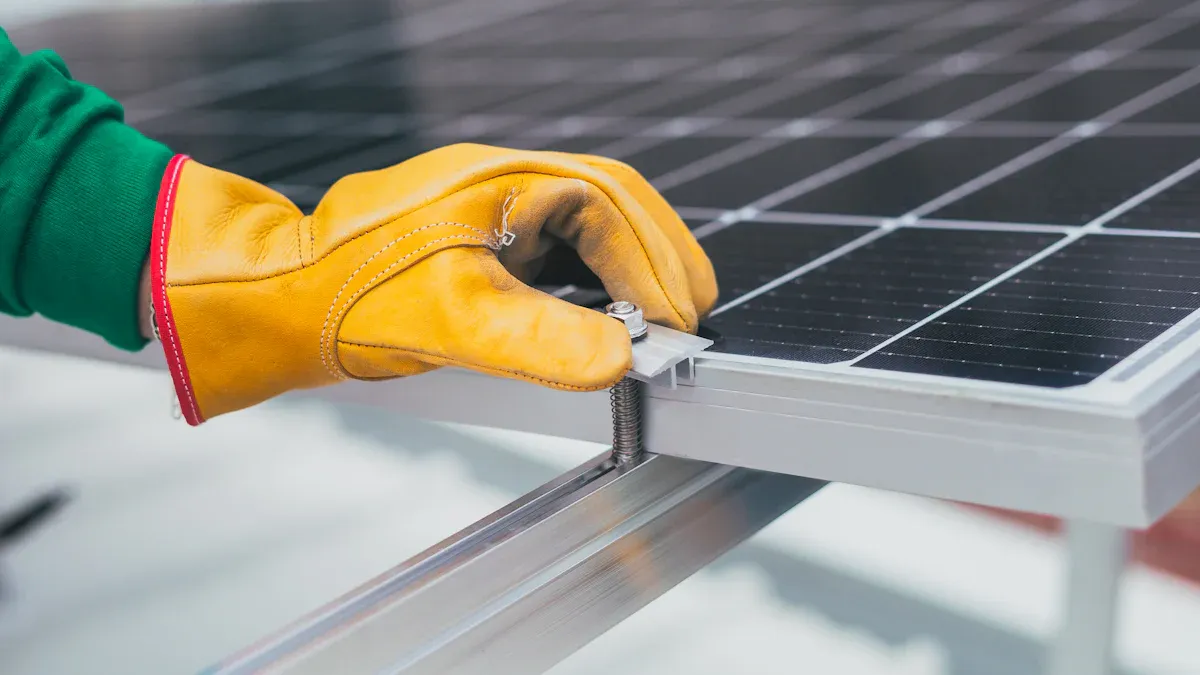
Getting your home ready for backup power is easier than you think. You just need to follow a few simple steps. Let’s walk through what you should do before you install a Solar Battery House Backup system.
Start by figuring out how much energy you use. This helps you pick the right size for your system. Here’s how you can do it:
Check your electricity bills. Look for your average daily and monthly usage.
Think about which appliances you need during an outage. Most people want to keep the fridge, lights, and Wi-Fi running.
Estimate how much power your solar panels can make. This depends on your roof and how much sun you get.
Plan for the future. You might add more devices or an electric car later.
Ask an expert if you’re not sure. They can help you make a smart plan.
Tip: The myBeineng app makes this step simple. You can track your energy use, set goals, and see where you can save.
You don’t need to back up your whole house. Focus on what matters most. Here’s a quick way to find your must-have circuits:
Make a list of everything you want to keep on during an outage. Think about lights, fridge, medical devices, and internet.
Write down how much power each item uses. Look for the starting and running wattage.
Add up the numbers. This total shows how much backup power you need.
Callout: When you know your essentials, you can make sure your backup system covers them. You won’t waste money on extra batteries you don’t need.
Now you know what you need to power. It’s time to size your batteries and solar panels. Here’s what you should look at:
Battery type matters. For example, LiFePO₄ batteries let you use more of their stored energy.
Cold weather can lower battery performance. Plan for this if you live in a cold place.
Decide how many days you want backup power. Multiply your daily use by the number of days.
Look at your energy use in summer and winter. You might need more storage for longer outages.
Here’s a simple way to size your system:
Find your daily power use in kilowatt-hours (kWh) from your bills.
Adjust for battery depth-of-discharge. Some batteries let you use more of their power.
Add extra for cold weather if needed.
Multiply by the number of days you want backup.
Note: Stackable battery modules make this step easy. With BEINENG Home ESS, you can start small and add more batteries as your needs grow. Each module is plug-and-play, so you don’t need to change your whole system.
Feature | Description |
|---|---|
Stackable Modules | Add up to 5 battery modules per inverter for more power. |
Customization | Choose storage from 5kWh to 80kWh to fit your home. |
Scalability | Expand your system anytime as your energy needs change. |
You might want to install your system yourself, but hiring a pro has big benefits. Here’s why:
Advantage | Description |
|---|---|
Expertise | Pros know electrical systems, local codes, and the best way to place panels for top performance. |
Safety | Trained installers follow safety rules and handle wiring safely. |
Efficiency | Professionals finish the job faster, so you get backup power sooner. |
Long-term Cost Savings | A proper install means fewer repairs and better energy savings over time. |
Support | You get warranties and help if something goes wrong. |
Installers handle all the paperwork, like permits and licenses.
They make sure your system follows local rules.
You get peace of mind knowing your system is safe and ready.
Tip: Professional installers use best practices for every part of your system. They also carry insurance, so you’re protected.
Smart apps like myBeineng help you plan and manage your energy. You can pick energy profiles, set battery levels, and get alerts if storms are coming. The app even charges your battery to 100% before bad weather hits, so you’re always ready.
Feature | Description |
|---|---|
Energy Profiles | Pick the best profile for your needs and save energy. |
Storm Guard | Battery charges fully before storms to keep you safe. |
Battery Settings | Set how much energy to keep in reserve. |
Alerts and Reports | Get updates and tips right on your phone. |
You also get flexibility with stackable battery modules. Start with what you need now and add more later. The BEINENG Home ESS lets you mix new and old batteries, so you don’t waste money. You can even choose from different hybrid kits and battery bundles to match your budget and needs.
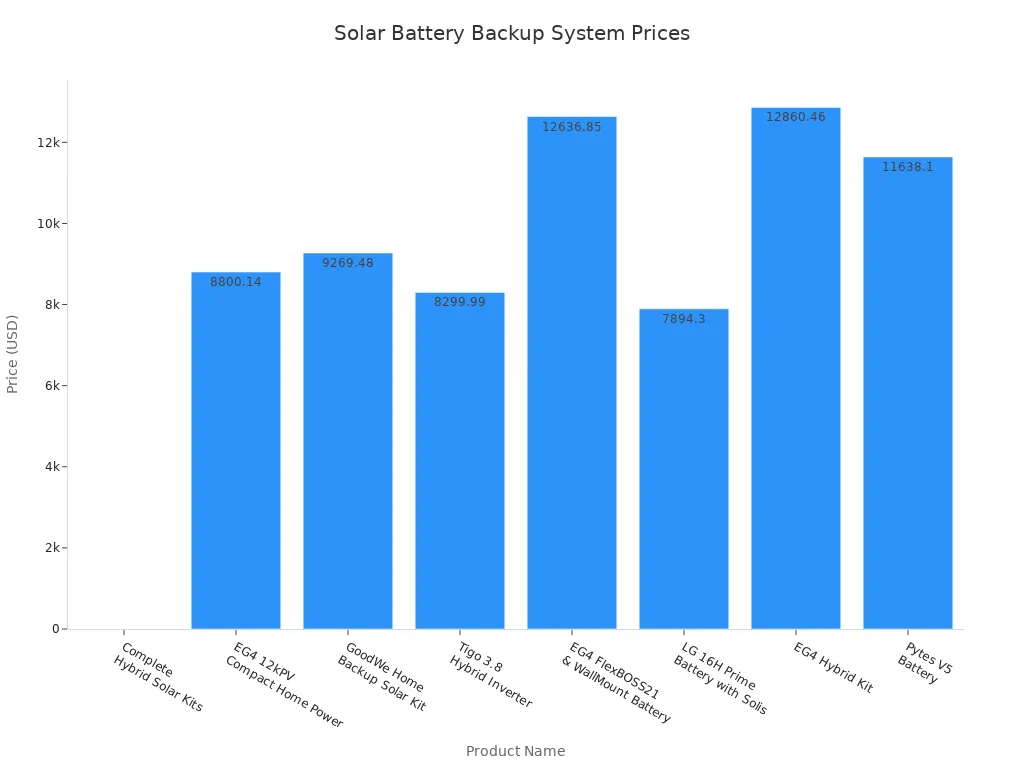
Callout: With so many options, you can build a system that fits your home and your wallet. You stay in control and ready for anything.
By following these steps, you make sure your Solar Battery House Backup system works when you need it most. You get peace of mind, lower bills, and a safer home.
You want your solar battery backup to work when you need it most. Regular care keeps your system strong and ready. Here are some simple steps you can follow:
Clean the battery terminals with a mix of distilled water and baking soda. This helps your batteries last longer and work better.
Check your system’s energy use and performance often. If you spot something odd, you can fix it before it becomes a big problem.
Wear gloves and safety glasses when you handle batteries. This protects you from things like hydrogen gas.
Use a load management system. This lets you pick which appliances get power first during an outage.
You do not need to be an expert. Just a little attention goes a long way. If you keep up with these steps, your backup system will stay reliable and safe.
Tip: Set a reminder on your phone to check your system every month. Small checks can prevent big headaches later.
Energy apps make your life easier. With the myBeineng app, you can see everything about your system right on your phone. Here’s how these apps help you:
You get real-time data about how much energy your panels make. If you notice a drop, you can find out why and fix it fast.
The app sends alerts if something is wrong. You can solve small problems before they turn into expensive repairs.
You can track your savings. When your system runs well, you save money and may even earn credits from your utility company.
You stay in control with just a few taps. The app helps you get the most from your solar battery backup. You know your home is ready for any outage.
Callout: Smart monitoring means less stress for you. You always know how your system is doing, even when you are away.
You might wonder how solar battery house backup works in real life. Let’s look at what happens when storms hit. In Jamaica, after a big storm, some neighborhoods kept their lights on because they had solar and battery backup. People nearby lost power for days, but these homes stayed bright and safe. That’s the power of being ready.
You can learn a lot from other homeowners. The Smith family in Arizona cut their energy bills by 40% after they used performance data to place their panels in the best spot. The Johnsons in Massachusetts boosted their winter energy by 25% with smart weather adjustments. Sarah Chen, a business owner, fixed a wiring problem after checking customer feedback. Her system now runs better than ever.
Here are a few lessons you can use:
Always do a detailed energy audit before you start.
Pick high-quality parts for your system.
Learn the key numbers for your system so you can manage it well.
Don’t forget safety. Some people make mistakes like choosing batteries that are too small or not giving them enough air. Make sure your system follows safety codes and stays cool.
Tip: Read customer stories and talk to professionals. You’ll get ideas and avoid common mistakes.
Ready to take action? You have lots of resources to help you. Start with a Home Battery Backup Guide. It explains costs, benefits, and how these systems work. Look for financial help, too. The Residential Clean Energy Credit can cover up to 30% of your project. Some states offer extra rebates, like $5,400 for batteries in North Carolina or up to $1,000 per kWh in California.
Here’s a quick list to help you get started:
Home Battery Backup Guide for planning
Federal and local rebates to save money
Cost breakdowns for hardware, labor, and permits
If you want a system that’s safe and strong, check out the BEINENG Home ESS. It uses LiFePO₄ batteries that last for thousands of cycles. These batteries stay cool and give steady power. You can connect to the grid, store extra solar energy, and use it when you need it most.
Callout: With the right backup system, you can keep your home safe, lower your bills, and enjoy peace of mind—even when the grid goes down.
You want your home to be safe and have power during blackouts. Solar battery house backup systems give you quiet, automatic energy for things you need most. You feel calm, pay less for power, and help the planet. Here’s why experts say you should switch:
Makes your home stronger in emergencies
Keeps important things working, like fridges and medical devices
Runs quietly and does not need much care
Are you ready to begin? First, look at how much energy you use, talk to an expert, and check out smart systems like BEINENG Home ESS. You will have real energy freedom and control, no matter what happens outside.
Your backup can last from a few hours to several days. It depends on your battery size and how much power you use. If you only run essentials, you can stretch your backup longer.
Yes, you can! With systems like BEINENG Home ESS, you just stack more battery modules. You don’t need to replace your whole setup. This makes it easy to grow as your needs change.
Most solar systems stop working when the grid fails. If you have a battery backup, your panels keep charging your batteries and powering your home. You stay in control, even during outages.
You can keep your fridge, lights, Wi-Fi, and medical devices running. Here’s a quick list:
Refrigerator
Internet and Wi-Fi
Lights
Medical equipment
You choose what matters most for your family.


Compact, quiet, and powerful, it keeps your essentials running during outages and lets you charge anywhere with solar power or grid power.
Perfect for renters who need flexibility without compromise.
Our estimator is only set up to provide preliminary estimates and installer information to residents of single family homes.