
 Email Us
 Contact us
 Whats App
Single family home

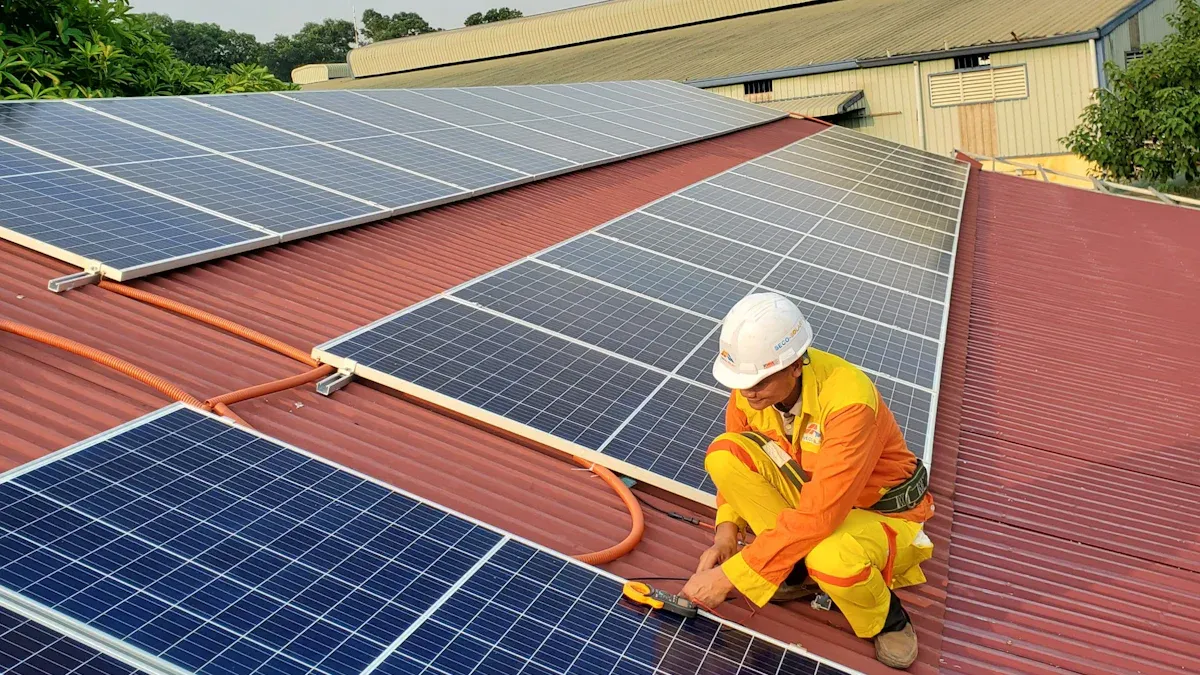
You might ask if you should put in a house battery for solar by yourself or get a professional. Safety is very important when you make this choice. Getting a professional to install it can help you stay safe and keep your warranty. Some systems, like BEINENG Home ESS, are easier to set up. Here are the main things to think about:
Decision Factor | Description |
|---|---|
Safety Risks | You could get shocked or fall when installing. |
Warranty Issues | The warranty might not work if you do it yourself. |
Specialized Expertise | Professionals know how to set up the system the right way. |
Higher Upfront Costs | Professionals cost more money at the start. |
Think about your skills, how much money you have, and your local rules before you choose.
Always think about safety first when you put in a house battery for solar. Getting a professional to help can lower the chance of shocks and accidents.
Know why warranties matter. If a professional installs your system, you usually get the full warranty.
Look at your own skills and how much money you have before you pick DIY or a professional. Each choice has its own price and good points.
Pick the best battery for your energy needs and what you want later. Think about things like how well it works, how long it lasts, and how much care it needs.
Always look at local rules before you start. Following these rules keeps your solar battery system safe and legal.

A house battery for solar keeps energy from your solar panels. You can use this energy when your solar panels do not make enough. The battery is a backup for your home. It gives you power at night, on cloudy days, or during outages. Here are some main jobs of a house battery for solar:
Stores energy made by your solar panels for later.
Lets you use stored energy when your solar panels cannot make enough.
Works with your solar power system to save extra electricity.
Gives you power when the sun is gone or the grid is down.
Helps you manage energy and depend less on the utility company.
A house battery for solar makes your home energy system stronger and more steady.
Your solar panels take sunlight and make electricity. The house battery keeps this electricity for when you need it. There are two main ways your solar panels connect with your battery:
DC-Coupled Systems: Your solar panels make DC power. This power goes straight to the battery through a charge controller. You only change the power from DC to AC when you use it at home. This way is efficient.
AC-Coupled Systems: Your solar panels change DC power to AC right away with an inverter. Another inverter sends power to the battery. This way is good if you already have solar and want to add a battery.
Energy Management: You can keep extra energy during the day and use it at night or during outages. This helps you control your energy and save money.
With a house battery for solar, you can control your energy better. You can use green energy even when there is no sun.
Putting in a house battery for solar helps you use energy better. It can make your home work better. You need to follow steps to keep things safe and working well. The BEINENG Home ESS is easy to set up. It lets you stack parts and plug them in. This makes it simple for many people. Always read the instructions and follow local rules. This keeps you safe and protects your warranty.
You need to check your home before you start. This helps you find the best spot for your battery and solar panels. Here is what you should do:
Talk to a solar expert for free. Look at how much energy you use and what you want to do.
Have someone look at your roof if you want panels there.
Check if you have space for panels on the ground.
See how much sun your spot gets. Look for things that block the sun.
Make sure your electric panel can handle the new system.
A good check finds problems and lowers risks. It helps you get the most from your solar setup. If your roof is old or broken, you may need a new spot for your battery.
Picking a battery is a big step. You need to think about a few things:
Look at how much energy you use now. This helps you know how much storage you need.
Decide if you want backup power or just to save money.
Set a budget for your battery.
Think about making your system bigger later.
Choose if you want to stay on the grid or go off-grid.
Check how much power the battery can hold and use. Depth of discharge shows how much you can use without hurting the battery. Efficiency is important for saving energy. Battery life and warranty matter for long-term use. The BEINENG Home ESS lets you add more batteries as you need them.
Safety is very important when you install your battery. You need to keep yourself and your home safe. Here is a table with safety tips:
Safety Precaution | Recommendation | Reasoning |
|---|---|---|
Secure Mounting | Put batteries in the right way | Stops damage from bumps |
Maintenance | Check for damage and use software | Keeps battery safe and working |
Ventilation | Put battery in a place with air flow | Stops heat and bad gases |
Location | Keep away from busy areas and exits | Lowers risk and keeps exits open |
Put your battery in a cool, dry spot away from water. Getting help from a pro can stop shocks and fires. Keep the battery where the temperature stays steady for best results.
Wiring connects your battery to your solar panels. You need to do these steps:
Turn off all power and wear safety gear.
Connect the battery to the controller first. This helps the system see the voltage.
Wire the solar panels to the controller. Make sure you match the wires right.
Connect the inverter to the battery. Use thick wires and put in fuses.
Set up the controller and test the system.
Clean all the ends and use grease to stop rust. Choose series or parallel wiring based on what voltage you need. Setting things up right helps your system work well. Set controls for your battery type and check everything to stop problems.
Testing makes sure your system works and is safe. You need to do these checks:
Look at battery parts and check voltages.
Make sure the battery system talks to other parts.
Check grounding and surge protection.
Test breakers and switches.
Make sure there is good air flow and temperature control.
Practice emergency shutdown and fire safety.
Turn on the system for the first time.
Set up and test the monitor system.
Make sure the area is ready for emergencies.
Always follow the instructions and local rules when you install. You may need permits and checks from local officials. The BEINENG Home ESS is easy to install and has smart energy features. You still need to follow all steps for safety and good results.
Tip: Always read the manual and check local rules before you start. This helps you avoid mistakes and keeps your warranty safe.
Getting a professional to install your house battery for solar has many good points. You feel calm knowing experts are doing the job. Your system works better and you get help for a long time. Here are reasons why hiring a pro is smart.
Certified installers know how to set up your solar system the right way. They get special training and have important certificates. These experts follow strict rules and use the best tools. The table below shows some common certifications:
Certification Name | Purpose |
|---|---|
Home Battery Certification | Lets installers buy and support home batteries for solar systems. |
Picking a certified installer means your system works well and meets all standards.
Safety is very important when you put in a house battery for solar. Professionals keep your home and family safe. They follow safety codes like NEC 2023. They keep work areas clean and put emergency switches in the right places. After they finish, local officials check your system to make sure it is safe. Professionals handle high-voltage DC work and make sure everything is safe.
Benefit | Description |
|---|---|
Installers use strict safety steps to protect your home and system. | |
Regulatory Navigation | They handle permits and make sure your system follows all local rules. |
Warranties help you feel safe about your solar system. Many brands, like BEINENG, need a professional to install for full warranty coverage. If you do it yourself, you might lose your warranty. Professional installers also give you help and service. They help with paperwork and keep your system working well.
Tip: Always check your warranty before you start. Getting a pro often means longer warranties and better help.
Professional installation costs more at first, but you get many good things. Here is a simple breakdown of costs:
Low-End Estimate: Battery $7,000, Inverter $1,000, Labor $2,000, Permits $500. Total: $10,500.
High-End Estimate: Battery $15,000, Inverter $2,000, Labor $8,000, Permits $2,000. Total: $27,000.
You pay more at the start, but you save money later with fewer repairs and better efficiency.
Note: Professional installation keeps you safe, follows rules, and protects your warranty. Some products, like BEINENG Home ESS, may need a pro for full warranty coverage.
If you do diy solar panel installation, you do all the work. First, you find out how much energy you use at night. You can check this with a meter. Then, you connect the house battery for solar to your solar panels and main power. You hook up the charger and inverter. Make sure all wires are safe. You also set up smart plugs. You use an app to control when the battery charges or gives power. You should think about what energy you will need later. This helps your system grow in the future.
You need many skills for diy solar panel installation. You must know how to wire batteries and solar panels. You should feel safe working on roofs. You need tools like a battery-powered drill, caulk gun, wire stripper, pocket knife, screwdrivers, measuring tape, level, hack saw, and conduit bender. These tools help you put up panels, connect wires, and keep your system safe from weather.
Doing diy solar panel installation instead of hiring a professional has risks. You might skip safety codes or forget important steps. You could forget to ground the system. This can cause electrical problems. Some people do not plan for future energy needs. Their system cannot grow later. You may not add a monitoring system. This makes it hard to see how much energy you use. You can have legal trouble if you do not get permits or follow local rules. Insurance may not pay for mistakes from diy work.
Risk/Mistake | Description |
|---|---|
Skipping rules can lead to fines or unsafe setups | |
Inadequate grounding | Poor grounding can cause electrical faults |
Failing to plan for future | System may not meet future energy needs |
Tip: BEINENG Home ESS is easy to use, but you must follow safety steps and local rules for the best results.
Diy solar panel installation costs less at first than hiring a professional. You might pay $15,000 or less for a 5 kW system. Professional installation costs more, usually $35,000 to $45,000 for the same size. Diy saves money at the start, but you may pay more later for repairs or upgrades. Pro installers use better parts and give support. This can save money over time.
Installation Type | Cost per Watt | Total Cost for 5 kW System |
|---|---|---|
DIY Installation | $3 | $15,000 or less |
Professional Installation | $7 - $9 | $35,000 - $45,000 |
Choosing diy solar panel installation or hiring a professional is a big decision. You need to think about safety, rules, and long-term value. Even with a system like BEINENG Home ESS, you must plan well and follow local codes.
Think about your skills before you start. First, check how much energy you use each day. Set clear goals for your system. Decide where to put the battery and solar panels. Pick spots that get lots of sun. Make sure your battery and solar panels are the right size. Learn about each part of the system. See how they work together. You need to know about permits and solar rewards in your area. If you feel unsure, you can hire expert solar installers. Plan how you will take care of your system for many years.
Steps to assess your readiness:
Look at your energy use and set goals.
Check your property for good places.
Choose the right size for battery and panels.
Learn how the system fits together.
Find out about permits and rules.
Think about hiring expert solar installers.
Plan for taking care of your system long-term.
Think about money before you pick diy or professional installation. Diy solar projects seem cheaper at first. But you might find hidden costs later. Professional installation gives you expert help and warranties. It also helps your system work better. You can use financing to pay less at the start. This makes solar easier to get. Look at all costs to see how much you will spend and save over time. Diy can have surprise costs that lower your savings.
Diy solar kits cost less at first but can be risky.
Professional installation gives you warranties and saves money later.
Financing helps with paying upfront costs.
Always look for hidden costs and plan for the future.
Local rules change how you install a solar battery. You must follow safety and design standards. Different places have their own codes for indoor and outdoor setups. The table below shows some important standards:
Region | Key Standards | Indoor Installation | Outdoor Installation | Notes |
|---|---|---|---|---|
United States | NFPA 855, UL 9540A | Allowed with fire barriers | Fire-resistant barriers | 3 ft from doors/windows; UL 9540A required |
Europe | EN 62619, local | Best in cold areas | Must follow fire safety | DIN VDE 0100 wiring rules |
Australia | AS/NZS 5139 | FR30 enclosure needed | Needs UV protection, air flow | 1.5 m from entry/exit points |
Check your local codes before you start. This keeps your system safe and legal.
How you install your system changes how long it lasts. Put batteries in places where the temperature stays steady. This stops heat damage. Use insulation or cooling to help your system work longer. Follow the maker’s rules for charging. Check and watch your system often to keep it working well. Diy installation may skip these steps. Professional installers focus on long-term value and warranties.
Impact on Reliability | |
|---|---|
Temperature-controlled environment | Stops heat from hurting the battery |
Insulation or cooling systems | Makes batteries last longer |
Moderate charging rates | Stops stress and heat problems |
Regular maintenance and monitoring | Keeps your system working well |
Picking the right way to install and design your system helps you use clean energy and save money for a long time.
You have lots of ways to put in a house battery for solar. Safety is the most important thing. You need to know about the risks and how much it costs. Check the table below to see how battery types compare:
Battery Type | Cost Range (including installation) | Lifespan | Maintenance Requirements |
|---|---|---|---|
Lithium-Ion | $9,000 - $16,000 | 10–15 years | Minimal |
Lead-Acid | $6,000 - $9,000 | 3–5 years | Regular maintenance |
Flow | $15,000 - $20,000 | Over 20 years | Minimal |
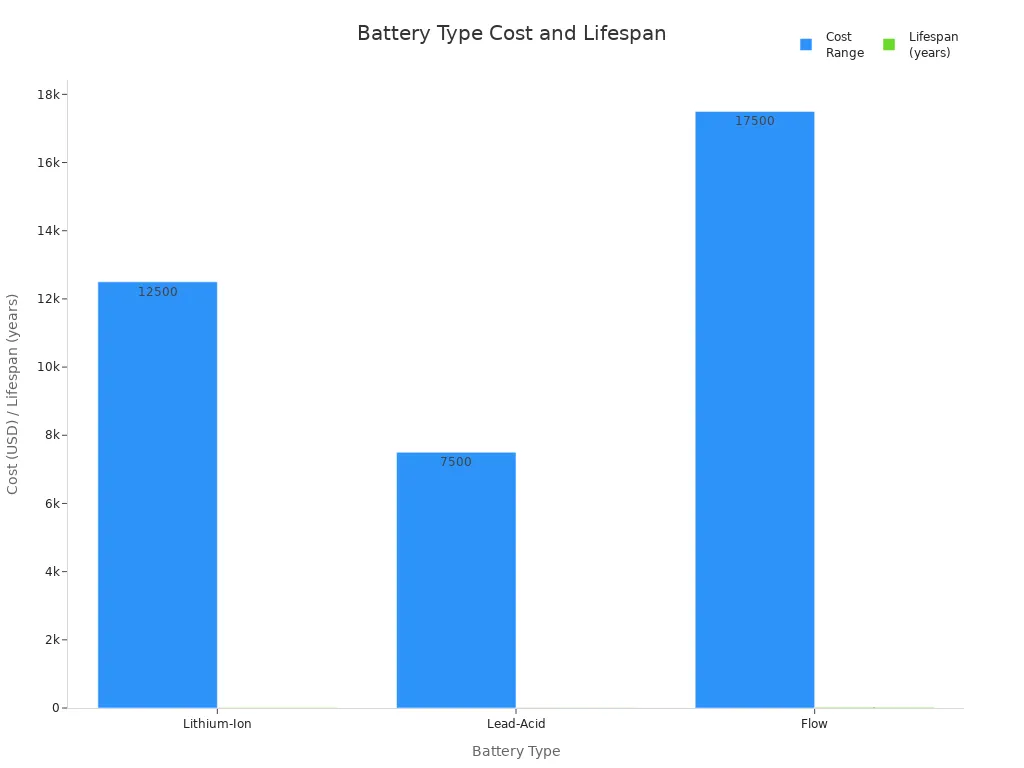
Pick the way that fits your skills and money. Getting a pro to install helps you follow safety rules. It also keeps your warranty safe. If your solar system is hard to set up, talk to an expert. Some systems like BEINENG Home ESS are easy to use. Still, always think about safety and how long your system will last.
You can put in a house battery for solar if you know about electricity and follow safety steps. Always check your local rules before you begin. Many people hire a professional to avoid mistakes and keep their warranty safe.
Most house battery installs take one or two days. The time depends on your home and the battery you pick. Professionals finish faster and also get the right permits for you.
You should look at the connections and check how the battery works with the app. Keep the area around the battery clean. Most new systems do not need much care. Always follow what the maker says for best results.
A house battery can give your home power when the grid is off. You can use saved solar energy for lights and other things. The BEINENG Home ESS gives strong backup power.
Most places want you to get a permit before you put in a battery. You should call your local building office before you start. Professionals take care of permits and checks for you.


Compact, quiet, and powerful, it keeps your essentials running during outages and lets you charge anywhere with solar power or grid power.
Perfect for renters who need flexibility without compromise.
Our estimator is only set up to provide preliminary estimates and installer information to residents of single family homes.