
 Email Us
 Contact us
 Whats App
Single family home

Electricity costs rarely rise in a dramatic way overnight. Instead, they increase slowly and quietly, making it difficult for households to realize where the extra expense is coming from. Most families assume their usage habits have stayed the same, yet the monthly bill tells a different story.
The real reason is not only consumption—it is timing. Modern households consume electricity in patterns that are heavily concentrated around certain hours of the day, especially evenings and hot afternoons. These periods often coincide with peak pricing in many electricity markets.
At the same time, the number of devices inside a home has increased significantly. Even when they are not actively being used, they continue to draw power in the background. Over time, this creates a constant baseline load that keeps electricity bills from ever dropping too low.
This is where the idea of the Portable Energy Storage System begins to make practical sense. Instead of relying entirely on grid electricity at the exact moment it is needed, households can start separating energy usage from energy sourcing.
A Portable Energy Storage System is often misunderstood as a simple backup battery, but its real function is much broader. It allows electricity to be stored at one point in time and used at another, which introduces flexibility into a system that is normally rigid.
This flexibility changes how households interact with electricity in a very subtle but important way. People do not need to change their daily habits. They can still cook at the same time, still use air conditioning when needed, and still run appliances normally. The difference is that the source of electricity can be optimized behind the scenes.
Instead of consuming directly from the grid during expensive hours, households can rely on stored energy that was charged earlier when electricity was cheaper or when solar energy was available.
That shift is not immediately visible, but it becomes clear in long-term electricity billing.
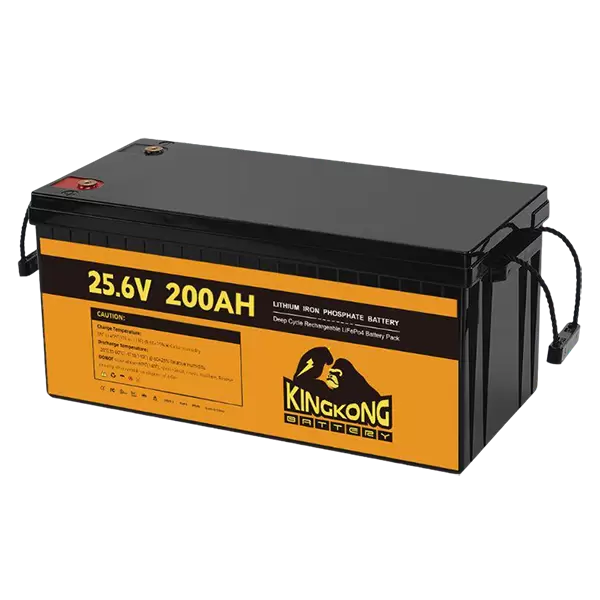
Most people think electricity savings come from using less power, but in reality, timing plays an equally important role. Electricity prices are not constant throughout the day. They fluctuate based on demand, and this creates opportunities for optimization.
Households that do not manage timing end up paying more simply because they consume electricity at the wrong time, not necessarily because they consume too much.
● High usage during evening hours when everyone is home
● Continuous operation of cooling systems during hot periods
● Background consumption from always-on devices
● Sudden spikes during cooking or cleaning activities
These patterns are predictable, yet most homes do not have the tools to adjust them.
A Home Battery Backup Power system introduces that missing layer of control.
A Home Battery Backup Power system is often associated with emergencies, but in real-world usage, it has become part of daily energy management in many households.
Instead of sitting idle until a blackout occurs, these systems are increasingly used to actively manage energy consumption during peak pricing hours.
In practical terms, households use them to power essential devices during expensive periods of the day, while charging them when electricity is cheaper or more available.
● Running WiFi routers and communication devices during outages or unstable grid periods
● Supporting refrigerators and cooling systems during peak pricing hours
● Providing stable power for home office setups and remote work
● Maintaining lighting systems without interruption during nighttime outages
These applications show that backup power is no longer a passive safety tool—it is an active part of household energy strategy.
When solar energy is introduced into a household, electricity generation becomes partially independent from the grid. However, without storage, this independence is limited because solar energy is not available at all times.
Energy is produced during the day, but household demand often peaks in the evening. Without a storage system, excess daytime energy cannot be fully utilized.
This is where a Solar Energy Storage System for the Home becomes important.
It allows solar energy to be stored during peak generation hours and used later when it is actually needed.
● Capturing excess solar energy instead of wasting it
● Reducing dependency on grid electricity during peak hours
● Stabilizing household energy consumption across day and night cycles
Over time, this creates a more balanced and predictable energy system inside the home.
Traditional backup solutions like fuel generators or basic UPS systems were designed for short-term emergency use. They were not intended for daily energy optimization or long-term household integration.
Modern systems, especially the Portable Energy Storage System, are designed differently. They combine energy storage, intelligent control, and multi-device support in a single compact unit.
Below is a simplified comparison of how these systems differ:
| Feature | Traditional Generator | Portable Energy Storage System |
|---|---|---|
| Energy Source | Fuel-based | Electricity / Solar |
| Noise Level | High | Silent |
| Indoor Use | Not suitable | Fully safe |
| Maintenance | Frequent | Minimal |
| Environmental Impact | High emissions | Zero emissions |
This difference explains why households are gradually shifting toward battery-based systems instead of fuel-based alternatives.
A Portable Energy Storage System is not only about storage capacity. Its value comes from how it integrates into daily life.
Modern systems are designed to support multiple devices simultaneously, provide stable AC output, and remain safe under different operating conditions.
In real usage, households appreciate several practical advantages:
1. Ability to power multiple household devices at the same time
2. Compact and portable design suitable for indoor and outdoor use
3. Intelligent battery protection through BMS systems
4. Compatibility with both grid and solar charging
5. Long cycle life supporting years of daily usage
These features make the system more than just a backup—it becomes part of everyday energy infrastructure.
The financial benefit of energy storage is not always immediate, but it becomes clear over time.
Instead of reducing electricity usage, households reduce the cost of electricity usage by shifting when and how energy is consumed.
● Using stored energy during peak pricing periods
● Charging during off-peak or low-cost hours
● Maximizing solar energy utilization
● Reducing losses caused by outages or interruptions
These mechanisms work together rather than independently, creating cumulative savings over time.
At the core of modern energy systems is the Battery Management System (BMS), which ensures safety and stability during operation.
The BMS continuously monitors battery conditions and adjusts performance to prevent damage or inefficiency.
● Voltage balance across battery cells
● Temperature control during operation
● Charging and discharging rate regulation
● Protection against overload or short circuits
Without this layer of control, long-term household use would not be reliable or safe.
Household energy systems are gradually evolving into layered structures rather than single-source systems. Instead of relying only on grid electricity, homes are beginning to combine multiple energy inputs.
A typical modern structure includes:
1. Grid electricity as the baseline supply
2. Solar energy as a renewable input source
3. Energy storage as a control and optimization layer
This structure allows households to manage electricity more intelligently, reducing both cost and dependency.
Electricity is no longer just something that flows into a home and gets consumed passively. It is becoming something that can be stored, controlled, and optimized.
A Portable Energy Storage System gives households the ability to separate energy usage from energy sourcing, which is the key to reducing electricity costs without changing daily habits.
At the same time, Home Battery Backup Power ensures stability during unexpected interruptions, while a Solar Energy Storage System for Home enables long-term renewable energy utilization.
Together, these systems represent a shift toward smarter, more flexible household energy management—where electricity is no longer just consumed, but actively managed.


Compact, quiet, and powerful, it keeps your essentials running during outages and lets you charge anywhere with solar power or grid power.
Perfect for renters who need flexibility without compromise.
Our estimator is only set up to provide preliminary estimates and installer information to residents of single family homes.