
 Email Us
 Contact us
 Whats App
Single family home

Choosing the right solar panel capacity for a 15kWh home battery is one of the most important decisions in residential energy storage design. Many homeowners focus on battery capacity first, but the solar array determines whether the battery can be used efficiently throughout the year. A battery with 15kWh storage capacity can only deliver its full value when the solar system can generate enough energy to support daily consumption and restore the stored power.
The answer to how many solar panels you need for a 15kWh battery depends on several factors, including household electricity usage, local sunlight conditions, inverter capacity, and whether the system is designed for daily energy savings or backup power during outages. A small home with moderate electricity consumption may achieve good performance with a 5kW solar system, while a larger property with air conditioning, electric heating, or EV charging may require 7kW or 8kW of solar capacity.
In residential projects, battery size and solar capacity are usually evaluated as one complete energy system. The purpose is not simply to install more solar panels or a larger battery, but to create a balance where solar generation can meet daytime demand, recharge the battery, and provide reliable energy when solar power is unavailable.
For homeowners planning a 15kWh solar battery system, understanding this relationship helps avoid common installation problems, such as a battery that rarely reaches full charge or a solar system that produces more energy than the storage system can effectively use.
A 15kWh battery and a solar array solve two different problems within a residential energy system. The battery stores electricity, while the solar panels generate electricity. The size of the battery determines how much energy can be stored, but the solar system determines how quickly that stored energy can be replenished.
For example, a homeowner may install a 15kWh LiFePO4 battery to store excess solar power generated during the day and use it during evening hours. If the household consumes 8kWh from the battery overnight, the solar system needs to produce enough additional energy the following day to replace that energy while still supporting normal daytime electricity consumption.
This is why there is no fixed number of solar panels that works for every 15kWh battery installation.
A household in a region with strong sunlight may recover battery capacity quickly with a smaller solar system. A similar home located in an area with shorter winter days may need additional solar capacity to achieve the same level of performance.
The daily energy cycle is the key factor:
During the day, solar panels supply household loads first. Any remaining solar production can charge the battery. After sunset, stored energy is used to support the home. The following day, solar generation restores the battery capacity.
A well-designed system keeps this cycle balanced. The battery should have enough stored energy to cover expected demand, while the solar array should provide enough generation to recover that energy under normal operating conditions.
The required solar capacity for a 15kWh home energy storage battery depends largely on how much electricity the household uses every day.
A common mistake is calculating solar requirements only from battery capacity. A 15kWh battery does not mean the home needs a specific solar size. The correct calculation starts with energy consumption.
For example, consider two homes with the same 15kWh battery.
The first home uses approximately 10kWh of electricity per day. During the daytime, solar power can supply household appliances while the remaining generation charges the battery. A medium-sized solar system may provide enough energy to maintain the battery cycle.
The second home consumes 25kWh per day because of larger appliances, cooling systems, or electric vehicle charging. Although both homes use the same battery capacity, the second home requires more solar generation because more electricity must be produced before the battery can be fully restored.
In practical residential installations, a 5kW to 8kW solar system is commonly paired with a 15kWh battery. The final selection depends on the customer's energy profile.
Solar System Size | Typical Application With 15kWh Home Battery |
5kW Solar System | Suitable for homes with moderate electricity consumption and basic backup requirements. Battery charging may take longer during periods of low sunlight. |
6kW Solar System | A balanced option for many residential applications, providing good daily generation and battery recovery performance. |
8kW Solar System | Suitable for larger homes with higher electricity demand or homeowners seeking stronger energy independence. |
Among these options, a 6kW solar system is often selected because it provides a practical balance between installation cost, roof space, and daily energy production. It can support common household loads while providing sufficient solar input for a 15kWh battery in many regions.
However, a larger solar system is not always unnecessary. Homes with high electricity consumption may benefit from additional solar capacity because the battery can be recharged faster and maintain better performance during periods of increased demand.
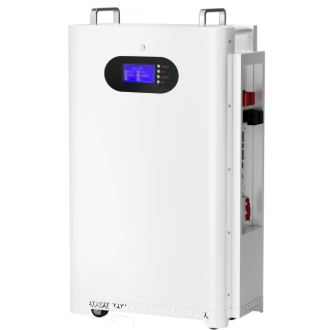
After determining the required solar capacity, homeowners can estimate the number of solar panels needed based on panel wattage.
Most modern residential solar panels are rated between 400W and 500W. Therefore, the number of panels depends on the total system size rather than the battery capacity itself.
For a 6kW solar system:
· Around 12 panels with 500W output
· Around 15 panels with 400W output
For an 8kW solar system:
· Around 16 panels with 500W output
· Around 20 panels with 400W output
The actual installation may require more or fewer panels depending on available roof space and panel efficiency.
A roof with limited space may require higher-power solar modules to achieve the required capacity. On the other hand, a larger roof area may allow installers to use more standard modules while keeping installation costs lower.
Solar panel quantity is only one part of system performance. Roof orientation, shading, temperature, and installation quality can significantly affect actual energy production.
A 6kW solar system installed on an optimized south-facing roof may outperform a larger system installed under poor conditions. This is why professional installers evaluate the entire site before confirming the final solar configuration.
A common issue after installation is that homeowners notice their battery does not always reach 100% charge, even though the solar system appears large enough.
This situation does not always indicate a battery problem. In many cases, the issue comes from the relationship between solar generation and household energy consumption.
One reason is insufficient solar capacity. A 5kW solar system may work well during summer months but struggle to fully recharge a 15kWh battery during cloudy weather or winter periods with shorter daylight hours.
Another factor is daytime electricity consumption. If a household uses a significant amount of solar power directly during the day, less energy remains available for battery charging.
Inverter limitations can also affect charging performance. The solar panels may generate more power than the inverter or battery charging system can process at a given time.
Temperature conditions are another consideration. Extreme heat or cold can influence battery charging efficiency, which is why modern 15kWh LiFePO4 battery systems use battery management systems (BMS) to monitor temperature, voltage, and charging conditions.
From a manufacturer's perspective, battery performance should always be evaluated as part of the complete energy storage system rather than as an isolated product.
The ideal solar size for a 15kWh home battery changes significantly depending on location, household lifestyle, and electricity demand. A configuration that works well in one country may not deliver the same results in another region because solar resources and energy consumption patterns are different.
In actual residential energy storage projects, installers usually evaluate three main factors before recommending a solar capacity: how much electricity the home consumes every day, how much solar energy the location can generate, and how much backup power the homeowner expects during an outage.
A family in Germany, for example, may have different requirements compared with a homeowner in Australia. Many European households use battery storage mainly to increase solar self-consumption because electricity prices are relatively high and grid electricity costs continue to influence household energy decisions. In this situation, a balanced configuration such as a 5kW to 6kW solar system combined with a 15kWh battery can provide good daily energy management.
In Australia, larger residential properties often have higher electricity consumption due to air conditioning, larger living spaces, and outdoor equipment. A homeowner may choose an 8kW solar system with a 15kWh battery to increase solar generation during the day and maintain stronger backup capability during evening hours.
For homes in Southeast Asia, the design considerations are slightly different. High temperatures and frequent air conditioning use can significantly increase daily electricity demand, while strong sunlight conditions create good opportunities for solar generation. A 6kW solar system paired with a 15kWh battery can often provide a practical balance between energy production and storage.
These examples show why there is no universal answer to how many solar panels do I need for a 15kWh battery. The correct design depends on how the system operates in real-life conditions, not only on battery capacity.
When homeowners compare different solar configurations, the decision usually comes down to three questions: how much electricity the home uses today, how much energy independence they want, and whether future electricity demand may increase.
A 5kW solar system is often suitable for smaller homes or households that mainly need backup power. It can work effectively with a 15kWh battery when daily electricity consumption is moderate. However, during winter, cloudy weather, or periods of high energy use, the battery may require more time to recover because solar production is limited.
A 6kW solar system is commonly considered the middle-ground solution. It provides more daily generation without significantly increasing installation complexity. For many residential customers, this configuration offers a good balance between roof space, installation cost, and battery charging performance.
An 8kW solar system is usually selected when homeowners want stronger energy independence. Larger homes, properties with electric vehicles, or households planning future electrification often benefit from additional solar generation. The larger solar array allows the battery to recover faster after heavy usage and provides more flexibility during periods of increased electricity demand.
The following comparison shows the practical differences:
Configuration | Suitable For | Main Consideration |
5kW Solar + 15kWh Battery | Smaller homes, basic backup needs | Lower installation cost but slower battery recovery |
6kW Solar + 15kWh Battery | Most residential applications | Balanced performance and cost |
8kW Solar + 15kWh Battery | Large homes and high energy users | Higher generation and stronger future flexibility |
For homeowners planning a system for the next 10 years, it is also important to consider future electricity changes. More families are adding electric vehicles, heat pumps, and smart home equipment, which can significantly increase household energy consumption.
A solar system that meets today's needs may become insufficient later. This is why many installers recommend considering future expansion capability when selecting inverter size and battery configuration.
The connection method between solar panels, inverter, and battery also influences how efficiently a 15kWh battery system operates.
A DC-coupled system connects solar panels and the battery through a hybrid inverter. Solar energy can be stored directly in the battery without unnecessary conversion steps, which often improves overall efficiency. This type of design is commonly selected for new residential solar installations because the entire system can be planned together from the beginning.
An AC-coupled system adds battery storage to an existing solar installation. In this setup, the existing solar inverter continues operating while an additional battery inverter manages energy storage. This approach is often practical for homeowners who already have solar panels installed and want to add a 15kWh battery later.
The better option depends on the project situation.
For a new home solar installation, a hybrid system with integrated battery management may provide better overall coordination between solar production and storage.
For an existing solar system upgrade, AC coupling can provide a flexible solution without replacing the original solar equipment.
When BEINENG works with installers and system integrators, the battery selection process includes evaluating inverter compatibility, communication protocols, charging limits, and future expansion requirements. A high-quality battery system needs to communicate correctly with other components to ensure stable long-term operation.
Before installing a 15kWh battery system, homeowners should evaluate more than just available roof space.
The first consideration is electricity consumption. Reviewing previous electricity bills helps identify average daily usage and peak demand periods. A home that consumes 8kWh per day and a home that consumes 25kWh per day require completely different solar designs, even if both choose the same battery capacity.
The second consideration is the backup requirement. Some homeowners only want to maintain essential appliances during outages, such as lighting, refrigerators, internet equipment, and security systems. Others want whole-house backup, including air conditioning and high-power appliances.
These different expectations affect inverter sizing and solar capacity.
The installation environment is also important. Battery location, ventilation, temperature range, and protection from moisture can influence long-term performance. Modern residential batteries such as 15kWh LiFePO4 battery systems are designed with safety features, but proper installation conditions remain essential for reliable operation.
A professional assessment before installation can prevent common issues such as insufficient solar charging, unsuitable inverter selection, or limited future expansion options.
Many homeowners do not install the largest possible solar system immediately. They may start with a smaller configuration and expand later as electricity demand increases.
A 15kWh battery system can often support future solar expansion, but several technical factors must be considered.
The inverter is usually the first limitation. Each inverter has a maximum photovoltaic input capacity. If the existing inverter cannot handle additional solar panels, upgrading equipment may be required.
Roof availability is another consideration. Additional panels require suitable installation space with good sunlight exposure.
The battery itself may not be the limiting factor. In many cases, the solar input capacity and inverter specifications determine whether the system can be expanded.
For this reason, homeowners planning future upgrades should discuss expansion possibilities during the initial design stage. Selecting equipment with additional capacity can make future improvements easier and more cost-effective.
From a manufacturer's perspective, recommending a solar configuration is not simply about matching a product name with a battery capacity.
When evaluating a residential ESS project, professional teams usually review the complete energy environment.
The first consideration is the customer's daily electricity pattern. Energy consumption during the day affects how much solar power can directly supply the home and how much can be stored.
The second consideration is local solar conditions. Annual sunlight availability, seasonal changes, and weather patterns influence the expected charging performance of the system.
The third consideration is future usage. A homeowner who plans to add an electric vehicle or increase household electrification may require additional solar capacity compared with their current consumption.
This approach helps ensure that a 15kWh home energy storage battery is not only correctly sized today but can continue delivering value over many years.
For residential energy storage systems, reliability comes from the combination of battery technology, solar generation, inverter compatibility, and intelligent energy management.
Most residential 15kWh battery systems are paired with approximately 5kW to 8kW of solar capacity. The exact number of panels depends on panel wattage, electricity consumption, and local sunlight conditions. A 6kW solar system with 400W panels, for example, would typically require around 15 panels.
Yes, a 5kW solar system can charge a 15kWh battery, especially for homes with moderate electricity consumption. However, charging speed depends on daily solar production and household energy usage. In areas with limited sunlight, a larger solar system may provide better battery recovery.
Charging time depends on solar output, weather conditions, and household electricity consumption. Under good sunlight conditions, a properly sized solar system may recharge a 15kWh battery within one day, but actual performance varies throughout the year.
No. An 8kW solar system can be a suitable match for a 15kWh battery, especially for larger homes or customers who want greater energy independence. The additional solar generation can help restore battery capacity faster after higher energy usage.
Yes, a 15kWh battery can operate without solar panels by charging from the grid. However, many homeowners choose solar integration because it allows them to store renewable energy and reduce reliance on grid electricity.
A successful 15kWh home battery system is not defined by the largest solar array or the biggest battery capacity. The best configuration is the one that matches household electricity demand, local solar conditions, and future energy plans. By properly balancing solar generation and battery storage, homeowners can achieve more reliable backup power, better solar utilization, and a more efficient residential energy system.


Compact, quiet, and powerful, it keeps your essentials running during outages and lets you charge anywhere with solar power or grid power.
Perfect for renters who need flexibility without compromise.
Our estimator is only set up to provide preliminary estimates and installer information to residents of single family homes.