
 Email Us
 Contact us
 Whats App
Single family home

A backup home battery stores energy for later use, giving people control when the lights go out or when they need power off the grid. Modern options like the BN PowerPack from BEINENG Energy, Inc. make it simple for anyone to keep devices running, whether they live in a house, rent an apartment, or love outdoor adventures. Reliable power brings peace of mind and freedom. Everyone can find a solution that fits their lifestyle and keeps them connected.
A backup home battery acts as a smart energy reserve for any living space. It stores electricity from the grid or solar panels and stands ready to deliver power when needed. According to industry standards, a backup home battery serves as a buffer between the home and the power grid. It charges up when energy is available and, during an outage, instantly disconnects from the main electrical panel. This quick response creates a self-sustaining power source for essential devices and appliances. People can rely on these batteries to keep lights on, phones charged, and refrigerators running, even when the neighborhood goes dark.
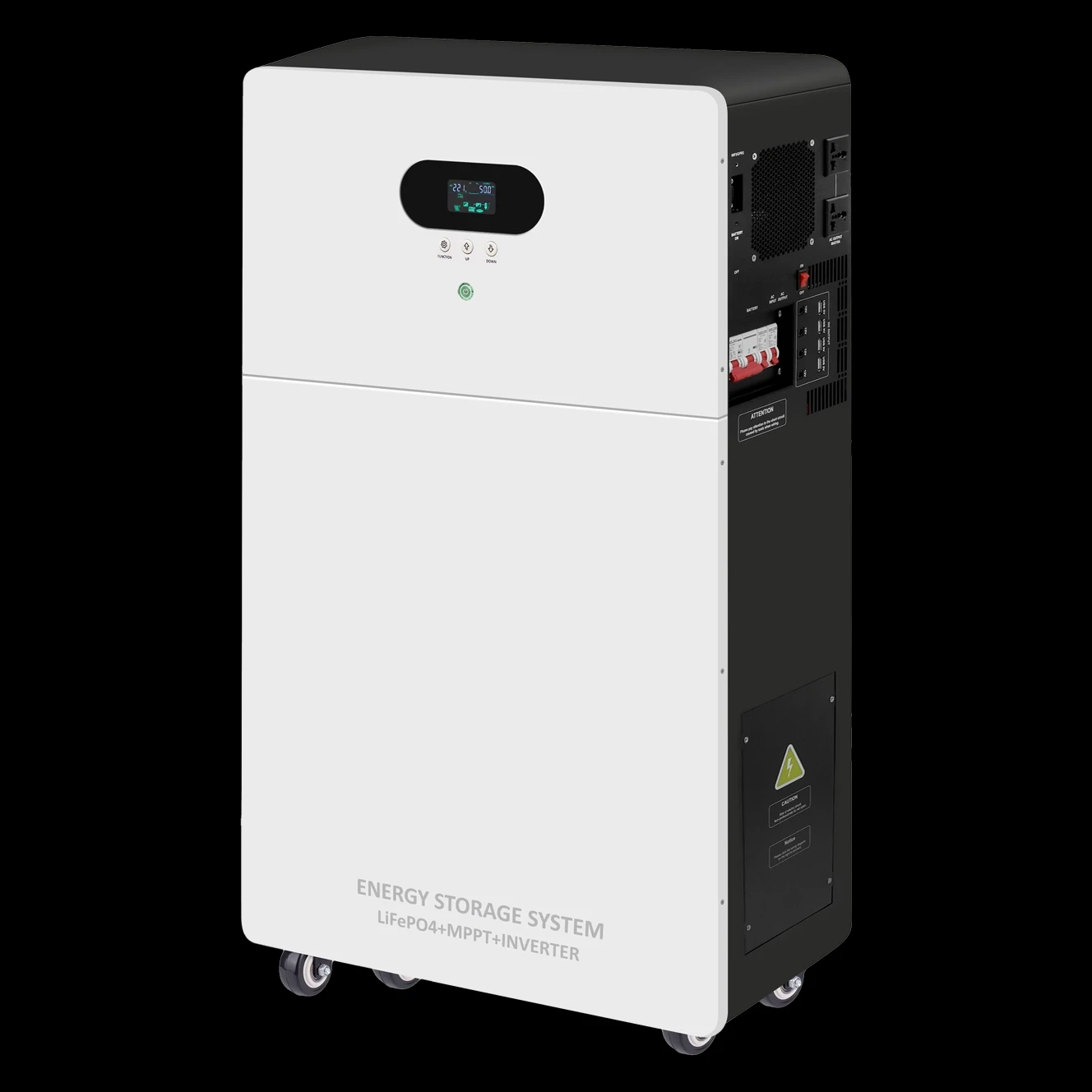
BEINENG Energy, Inc. offers the BN PowerPack as a leading example of a modern portable backup home battery. This device combines advanced technology with user-friendly features, making it a practical choice for homeowners, renters, and outdoor enthusiasts.
Backup home batteries come in several types, each with unique features and lifespans. Here’s a quick look at the most common options:
| Battery Type | Key Features | Lifespan |
|---|---|---|
| Lithium Iron Phosphate (LiFePO4) | High safety, long lifespan, withstands extreme temperatures | 15-20 years |
| Nickel Manganese Cobalt (NMC) | Higher energy density, compact design, requires thermal management | 3,000-5,000 cycles |
| Lead-Acid | Cost-effective, shorter lifespan, requires maintenance | 3-5 years |
| Flow Battery | 100% depth of discharge, easy capacity expansion | 20+ years |
Portability sets many backup home batteries apart from traditional systems. People can install these batteries in different locations, such as indoors or in a garage. Some models, like the BN PowerPack, are compact and easy to move. Users can carry them from room to room or even take them on the road. This flexibility makes them ideal for renters, RV owners, and anyone who values mobility. Unlike gas generators, which are bulky and noisy, backup home batteries operate quietly and fit into many lifestyles.
Choosing between a backup home battery and a traditional generator depends on personal needs and preferences. The table below highlights the main differences:
| Feature | Battery Backup | Standby Generator |
|---|---|---|
| Startup Time | Instant (20ms) | 10-30 seconds |
| Runtime | 8-72 hours typical | Unlimited with fuel |
| Noise Level | Silent operation | 60-75 decibels |
| Emissions | Zero direct emissions | CO2, NOx, particulates |
| Maintenance | Minimal | Regular service required |
| Installation Cost | $15,000-$40,000 | $8,000-$20,000 |
| Operating Cost | Electricity for charging | Fuel costs during operation |
| Lifespan | 10-15 years | 15-25 years |
Battery systems require little maintenance and operate silently, producing no emissions. They provide instant power during outages, while generators take longer to start and need regular servicing. For those who want a clean, quiet, and low-maintenance solution, a backup home battery like the BN PowerPack stands out as a smart choice.
A backup home battery needs energy before it can provide power during an outage or off-grid adventure. People can charge these batteries in several ways. The two most popular methods are using solar panels and the electricity grid. Many modern systems, like the BN PowerPack, support both options. This flexibility means users can fill up their battery with clean solar energy on sunny days or plug into a wall outlet when the weather turns cloudy.
Here’s a quick look at the main charging methods:
| Method | Description |
|---|---|
| Solar Panel Integration | Converts sunlight into DC electricity, regulated by a solar charge controller before storage. |
| Grid Charging | Uses utility power, often during off-peak hours, to ensure the battery is ready for emergencies. |
| AC Charger | Charges the battery using standard household electricity. |
| Vehicle Alternator | Allows charging while driving, perfect for RV or van life. |
People who want to maximize savings often charge their backup home battery during times when electricity rates are lowest. Solar charging offers a green solution, while grid charging provides peace of mind before storms or planned outages.
A backup home battery stores energy as direct current (DC). Most household devices and appliances use alternating current (AC). The inverter acts as the bridge between stored energy and usable power. When someone plugs in a lamp or a refrigerator, the inverter quickly converts DC into AC. This process happens almost instantly, so there’s no delay when switching to battery power.
Many batteries use advanced inverters that keep energy losses low. For example, lithium iron phosphate batteries, like those found in the BN PowerPack, reach efficiency levels between 90% and 98%. Some systems use DC coupling, which reduces the number of conversions and keeps more energy available for use. Fewer conversions mean less wasted power and longer runtime for essential devices.
●DC systems offer higher efficiency by minimizing conversions.
●DC connections reduce energy losses, sometimes by as much as 10% per conversion.
●More batteries now use DC coupling for better performance.
Modern backup home batteries do more than just store and deliver electricity. They come packed with smart software that helps users get the most out of their energy system. These features make it easy to monitor, control, and optimize battery performance.
Here are some common software features found in today’s backup home batteries:
| Feature | Description |
|---|---|
| Monitoring Software | Tracks system performance and energy usage in real time. |
| Energy Management System | Optimizes how and when the battery delivers power to different devices. |
| Smartphone Apps | Show battery status, usage patterns, and even environmental impact on a mobile device. |
| Automated Optimization | Adjusts charging and discharging based on user habits for maximum efficiency. |
| System Alerts | Sends reminders for maintenance or alerts if something needs attention. |
Users can check battery charge levels, see how much energy they’ve used, and even track cost savings. Many systems send alerts or reminders, so there’s no guesswork involved. With these tools, anyone can manage their backup home battery with confidence—whether they’re at home or on the go.
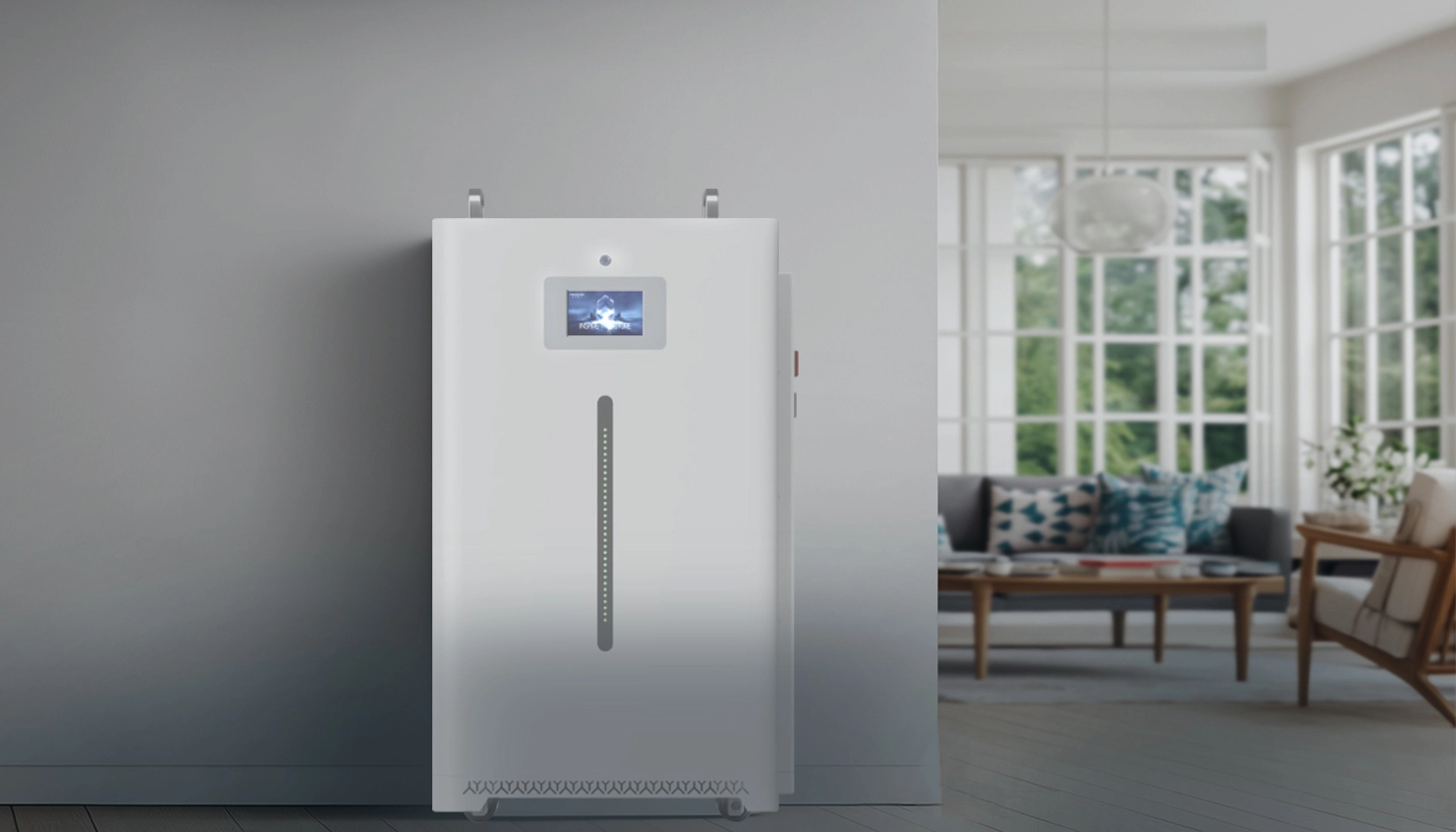
Many homeowners want a seamless backup solution that keeps their essential devices running during outages. Integrating a battery system with the main electrical panel is a popular choice. Electricians usually follow a few standard steps:
●Electrical panel compatibility matters. Older panels may need upgrades before connecting a battery system.
●Permitting and code compliance is essential. Most installations require permits and inspections to meet safety codes.
●Installation typically takes one to three days. The process includes site preparation, system setup, and testing.
This approach allows the battery to automatically supply power to selected circuits when the grid goes down. Homeowners can enjoy uninterrupted energy for critical appliances, such as refrigerators, medical devices, and lights. Many systems also work with solar panels, boosting off-grid capabilities and energy independence.
Not everyone can install a permanent battery system. Renters and those living in multifamily housing often need flexible solutions. Portable and plug-in options make backup power accessible for a wider range of users.
●Biolite offers a renter-friendly backup generator. Users can daisy-chain batteries to increase capacity. Each unit provides about 1.5kW and can be placed throughout the home. An app helps manage usage and alerts users to power interruptions.
●Pila batteries store energy during low-cost periods and deliver power during peak hours. Their design suits renters and people in apartments, making backup power easy to access without permanent installation.
yuanquanPortable systems like the BN PowerPack from BEINENG Energy, Inc. give users freedom to move their battery wherever needed. They can plug in devices directly or take the battery on the road for RV trips and outdoor adventures. This flexibility helps renters and homeowners alike stay prepared for emergencies.
During a power outage, people often choose to back up only essential devices. This strategy helps maximize battery runtime and keeps important appliances running.
●Homeowners usually select critical loads instead of powering the entire home.
●Battery capacity limits the number of devices supported.
●High-draw appliances, like air conditioners, can quickly drain battery power.
●Some devices need a surge of power to start, so careful selection is important.
●Focusing on essentials is more cost-effective than trying to power everything.
Smart energy management features let users prioritize which devices stay on during an outage. Investing in a high-quality backup home battery ensures that critical loads, such as medical equipment or communication devices, remain powered. Many systems allow users to adjust settings through apps or control panels, making it easy to adapt to changing needs.
When the power goes out, people want their lights and devices to stay on without any hassle. Most modern systems handle this with automatic switching. The battery senses the outage and takes over in a split second. Homeowners and renters do not need to flip any switches or scramble for flashlights. The transition feels seamless. The BN PowerPack and similar systems use smart technology to detect interruptions and supply power right away. This quick response helps protect sensitive electronics and keeps daily routines running smoothly.
During a blackout, most people focus on keeping their most important devices running. A backup home battery can support a range of essential appliances. Here are some common items that people choose to power:
●Lights
●Refrigerator
●Wi-Fi
●Fans
●Phone charging
These essentials help families stay comfortable and connected. Lights keep the home safe and bright. The refrigerator protects food from spoiling. Wi-Fi and phone charging keep everyone in touch with loved ones and emergency services. Fans provide comfort, especially during hot weather. By focusing on these key devices, users get the most out of their battery’s capacity.
The length of time a battery can supply power depends on its size, the number of devices connected, and how efficiently users manage their energy. Most mid-sized lithium-ion batteries can keep critical devices running for 12 to 48 hours. If someone tries to power an entire house, the duration drops to just a few hours. Solar batteries can stretch usage even further, especially when paired with good energy habits.
| Battery Type | Duration (hours) | Usage Scenario |
|---|---|---|
| Mid-sized Lithium-ion | 12-48 | Critical devices (fridge, lights) |
| Whole house | 2-8 | Full usage (AC, dryer, TVs, etc.) |
| Solar Battery | 8-24 | General usage with efficient management |
Weather also plays a role. On sunny days, solar charging can extend battery life to 9 hours or more. Cloudy weather may reduce this to around 7 hours.
| Weather Condition | Duration (hours) |
|---|---|
| Sunny | 9+ |
| Cloudy | 7 |
People should remember that running high-power appliances, like air conditioners or dryers, will drain the battery much faster. Focusing on essentials helps stretch the available power and keeps the most important devices running until the grid returns.
Battery capacity plays a big role in how long a home can stay powered during an outage. People often see battery capacity measured in kilowatt-hours (kWh). This number shows how much energy the battery can store and deliver. A higher kWh rating means the battery can run more devices or keep them running longer.
●Battery capacity tells users how long their backup system will last during a blackout.
●Most backup batteries list their capacity in kWh, making it easy to compare options.
●People should choose a battery that matches their total energy needs.
For example, a battery with a 5 kWh capacity can power a refrigerator, some lights, and a Wi-Fi router for several hours. If someone wants to run more devices or keep things going overnight, they might look for a battery with a higher capacity.
A backup home battery can support a variety of household devices. People often focus on essentials during an outage. Here’s a look at common appliances and their average power use:
| Appliance | Average Power (Watts) | Typical Runtime (with 5 kWh battery) |
|---|---|---|
| Refrigerator | 150 | 24-36 hours |
| LED Light Bulb | 10 | 100+ hours |
| Wi-Fi Router | 15 | 100+ hours |
| Laptop | 60 | 60+ hours |
| Phone Charger | 5 | 200+ hours |
| Fan | 50 | 80+ hours |
| TV | 100 | 50+ hours |
People can mix and match these devices based on what matters most. Some choose to power only the fridge and lights. Others add fans, routers, or laptops. The total runtime depends on how many devices run at the same time.
Several things influence how long a battery will last during an outage. The most important factors include:
●Total battery capacity (measured in kWh)
●The number and type of devices connected
●How much energy each device uses
●The efficiency of the battery system
●The health and age of the battery
If someone uses only a few low-power devices, the battery will last much longer. High-power appliances, like space heaters or air conditioners, can drain the battery quickly. Weather and temperature also play a part. Cold or hot conditions may affect battery performance.
People should think about their daily routines and which devices they need most. By understanding these factors, they can get the most out of their backup home battery and stay comfortable during any outage.
People want to feel secure in their homes, especially when storms or outages threaten daily routines. A backup home battery delivers instant power when the grid fails, so families do not have to worry about losing light, refrigeration, or communication. This reliability brings peace of mind, knowing that essential devices will keep running even during unexpected emergencies.
Here’s a quick look at how backup batteries boost reliability for both homeowners and renters:
| Benefit | Description |
|---|---|
| Instant Power | Provides immediate power during outages, ensuring reliability. |
| Solar Integration | Can be integrated with solar panels for off-grid capability. |
| Smart Energy Management | Allows prioritization of essential loads for efficient energy use. |
| Increased Home Value | Enhances property marketability and value due to energy resilience. |
| Tax Credits and Incentives | Many systems qualify for financial incentives, making them more affordable. |
People who prepare with a backup battery enjoy peace of mind. They know they are ready for whatever comes their way, whether it’s a blackout or a natural disaster. This sense of security helps families stay calm and focused during stressful times.
Backup home batteries do more than just keep the lights on. They help people save money and gain control over their energy use. When paired with solar panels, these batteries store extra energy during the day. Families can use this stored energy at night or during peak hours when electricity rates are highest. This strategy leads to real savings on utility bills.
Take a look at how batteries and solar integration can impact energy costs:
| Evidence Source | Key Points |
|---|---|
| Infinity Solar | Integrating batteries with solar reduces utility payments, especially in areas with significant peak-to-off-peak rate differences, leading to substantial savings over the battery's lifespan. |
| Briggs & Stratton | Federal and state incentives, like the Investment Tax Credit (ITC), help lower battery system costs, while time-of-use pricing maximizes savings by allowing energy storage during low-rate periods. |
People who use backup batteries often qualify for tax credits and rebates, making these systems even more affordable. They can also shift their energy use to off-peak hours, which helps avoid high electricity prices.
Backup batteries also give families more independence from the grid. Here’s how they help:
●Standalone batteries store energy from the grid during off-peak hours.
●This stored energy can be used during peak hours to manage costs.
●They provide a backup power source during outages, enhancing energy resilience.
●Battery backup systems significantly reduce reliance on the electrical grid.
●They allow for energy consumption management, which can lead to lower utility bills.
●These systems can provide complete energy independence depending on weather and consumption patterns.
●Backup home batteries enable homeowners to store excess energy generated from renewable sources, such as solar panels.
●This storage capability reduces reliance on the electrical grid.
●Homeowners gain greater control over their energy consumption, leading to cost savings.
●Battery systems can shift energy consumption to off-peak hours, minimizing exposure to peak electricity rates.
●When paired with solar panels, they can provide energy independence for extended periods.
●These systems help manage energy costs and provide backup power during outages.
People who invest in these systems enjoy more freedom and flexibility. They can choose when and how to use their energy, making them less dependent on utility companies.
Backup home batteries offer a cleaner, greener alternative to traditional generators. They operate quietly and do not produce harmful emissions. This makes them a smart choice for anyone who wants to reduce their environmental footprint.
Here’s a comparison of home batteries and traditional generators:
| Feature | Home Batteries | Traditional Generators |
|---|---|---|
| Emissions | Zero direct emissions | Emits CO2, NOx, and particulates |
| Air Quality Impact | Improves local air quality | Harms air quality |
| Greenhouse Gas Emissions | Reduces emissions significantly | Contributes to greenhouse gases |
| Noise Pollution | Operates quietly | Produces noise pollution |
| Health Hazards | No health hazards | Carbon monoxide risk |
| Maintenance | Little to no maintenance required | Requires regular upkeep and fuel storage |
| Annual CO2 Emission Reduction | Prevents 2-4 tons of CO2 annually | N/A |
Switching to a backup home battery helps families cut down on carbon emissions. These systems store and use clean energy, which supports a healthier planet. In fact, studies show that integrating battery storage with renewable energy can reduce greenhouse gas emissions by up to 80% in certain scenarios. Whole house battery systems can prevent the emission of 2-4 tons of CO2 each year compared to traditional generators.
●Transitioning to home battery backup systems reduces carbon footprints by minimizing reliance on fossil fuels.
●These systems store and utilize clean energy, contributing to a greener planet and combating climate change.
People who choose battery backup solutions help create a cleaner environment for their families and communities. They also enjoy a quieter, safer home without the noise and fumes of gas-powered generators.
Adding a backup home battery does more than just keep the lights on. It can also boost a property's value. Many buyers today look for homes that offer energy efficiency and modern technology. When they see a backup battery system, they know the home is ready for power outages and rising energy costs. This feature stands out in real estate listings and can make a home more attractive than others in the neighborhood.
People want homes that help them save money and live more sustainably. A backup battery, especially one that works with solar panels, shows that a homeowner cares about the environment and long-term savings. As energy efficiency becomes a top priority for buyers, homes with battery backup systems often sell faster and at higher prices. Real estate agents notice that these homes appeal to buyers who want peace of mind and lower utility bills.
Here are a few reasons why a backup battery can increase property value:
●Modern appeal: Buyers see battery systems as a sign of a smart, updated home.
●Energy savings: Lower monthly bills attract cost-conscious buyers.
●Sustainability: Eco-friendly features draw in people who care about the environment.
●Resilience: Homes with backup power stand out during storms or grid failures.
●Market demand: More buyers now ask for energy storage solutions.
Every home and lifestyle has unique energy needs. People should start by looking at how much power they use each day. A family living in a large house will need a bigger battery than someone in a small apartment. Local climate also matters. In places with frequent storms or outages, a larger battery can keep things running longer.
The table below highlights key factors to consider:
| Factor | Description |
|---|---|
| Household Energy Needs | The size of the home and number of people affect energy use and battery size. |
| Local Climate | Frequent outages may require a larger battery for longer backup. |
| Battery Technology | Different battery types offer various efficiencies and lifespans. |
| System Features | Look for power output, surge capacity, and smart home compatibility. |
| Warranty and Lifespan | A strong warranty shows reliability and protects the investment. |
| Weather Resistance | Outdoor batteries should be rugged and weatherproof. |
People should also think about which devices matter most during an outage. Some want to keep only the basics running, like lights and a fridge. Others may need to power medical equipment or work devices.
The market offers many backup battery choices. People can compare them by looking at battery chemistry, system features, and how well they fit with their home setup. Lithium Iron Phosphate (LFP) batteries, for example, last longer and handle more charge cycles than older types.
Here are some important criteria to compare:
| Criteria | Description |
|---|---|
| Battery Chemistry | Compare lithium-ion, lead-acid, and LFP for safety and lifespan. |
| System Components | Check for quality inverters, battery management, and smart monitoring. |
| Sizing Your Backup Battery | Look at capacity, power output, and if the system can expand. |
| Key Features | Fast charging, long cycle life, expandability, and safety certifications matter. |
| Integration with Home Systems | See if the battery connects to solar panels and smart load management. |
People should also check for features like smart home integration, warranty length, weather durability, and expandability. A battery that grows with a family’s needs can be a smart investment.
●Power output and surge capacity
●Smart home compatibility
●Long warranty and lifespan
●Rugged design for outdoor use
●Ability to add more batteries later
Installing a backup battery can be simple or complex, depending on the system. Some people choose portable, plug-and-play models. Others want a permanent setup that connects to the main panel. Most installations follow a few basic steps:
| Installation Steps | Description |
|---|---|
| Site Preparation and Electrical Work | Set up mounting, run conduit, and update the electrical panel if needed. |
| System Installation and Connection | Place the battery, connect wiring, and start the system. |
| Testing and Customer Training | Test the system and show the user how to operate and monitor it. |
Maintenance keeps the battery working its best. Most systems need only simple checks. Users can monitor performance with a smartphone app. Every few months, a quick inspection helps spot any issues. Once a year, a certified technician should check the system and update the software.
| Maintenance Practices | Description |
|---|---|
| Monthly Monitoring | Check performance using the app. |
| Quarterly Checks | Inspect the system for any problems. |
| Annual Professional Visit | Technician checks and updates software for best results. |
Here’s a quick look at some popular state incentives:
| State | Incentive Description |
|---|---|
| California | SGIP rebates of $200-$400 per kWh, plus extra incentives for low-income households |
| New York | NY-Sun battery incentive of $350 per kWh |
| Massachusetts | SMART program incentives for solar-plus-storage systems |
| Texas | Utility rebates ranging from $500-$2,500 per system |
| Florida | Property tax exemption for solar and battery systems |
People in California can save the most, thanks to the Self-Generation Incentive Program (SGIP). This program offers rebates based on battery size, with even higher amounts for low-income families. New York’s NY-Sun program gives a flat rate per kilowatt-hour, making it easier to predict savings. Massachusetts rewards homeowners who combine solar panels with batteries. Texas utilities offer cash rebates, while Florida helps by removing property taxes on new systems.
On top of state programs, the federal government offers a tax credit for battery storage. This credit covers up to 30% of the system’s cost, making batteries more accessible for many families. Homeowners and renters should check local utility websites or talk to energy professionals to find the best deals in their area.
Backup home batteries give people more control over their energy. The BN PowerPack stands out for homeowners, and outdoor lovers. These systems offer:
●Reliable power during outages
●Flexible options for any lifestyle
●Real savings on energy bills
●Peace of mind in emergencies
People can start by listing their must-have devices. They should research products or talk with an expert. A backup battery can fit many needs and bring confidence to any home.


Compact, quiet, and powerful, it keeps your essentials running during outages and lets you charge anywhere with solar power or grid power.
Perfect for renters who need flexibility without compromise.
Our estimator is only set up to provide preliminary estimates and installer information to residents of single family homes.