
 Email Us
 Contact us
 Whats App
Single family home

Installing a backup home battery involves careful planning, safety measures, and the right equipment. Many homeowners choose a home battery backup system to ensure reliable backup power during a power outage, gain energy independence, and save on electricity bills. The BEINENGStor All-in-One Home Energy Storage System stands out as a plug-and-play solution for a home backup power solution. Before starting a diy home battery backup, individuals should assess their skills and consult professionals for a safe battery backup system installation.
The most common benefits of a home battery backup system include:
| Benefit | Description |
|---|---|
| Backup power during outages | Provides reliable power during grid outages, allowing essential devices to function. |
| Greater energy independence | Reduces reliance on the grid by utilizing stored solar energy. |
| More emission-free electricity | Helps avoid fossil fuel-generated electricity, promoting cleaner energy consumption at home. |
| Expanded solar energy savings | Enables smarter energy purchases, especially in areas with time-of-use rates. |
| Participation in grid-sharing | Homeowners can earn money by discharging stored power to the grid during peak demand hours. |
Understanding a home's energy requirements forms the foundation of a reliable backup battery system. Homeowners must assess which devices need power during an outage and how long they expect the backup to last. This process ensures the system can meet the family's needs without overloading or running out of stored energy.
Start by listing all devices and appliances that must remain operational during a power outage. These often include refrigerators, medical equipment, lighting, Wi-Fi routers, and charging stations. Homeowners should focus on powering essential appliances that maintain safety and comfort.
●List each device and note its wattage.
●Consider both running and starting wattages, as some appliances require more power to start.
●Use a power meter or smart home energy monitor to measure actual consumption.
Next, estimate how long each device will need to run during an outage. Use a worksheet to record the number of hours per day each appliance will operate. Multiply the wattage by the hours of use to determine daily energy requirements for each device.
●Review 12 months of electricity bills to understand consumption patterns.
●Calculate the total energy requirements by adding up the watt-hours for all critical devices.
●Determine the desired backup duration based on local outage history and personal comfort.
A simple formula helps calculate the required battery capacity:
Required Capacity (kWh) = (Total Essential Load Power × Hours of Backup) ÷ System EfficiencyFor example, the BEINENGStor All-in-One Home Energy Storage System offers a 15kWh capacity, which suits most families' energy requirements for several hours or even days, depending on usage. Its family-friendly design allows safe operation while powering up to 10 devices at once.
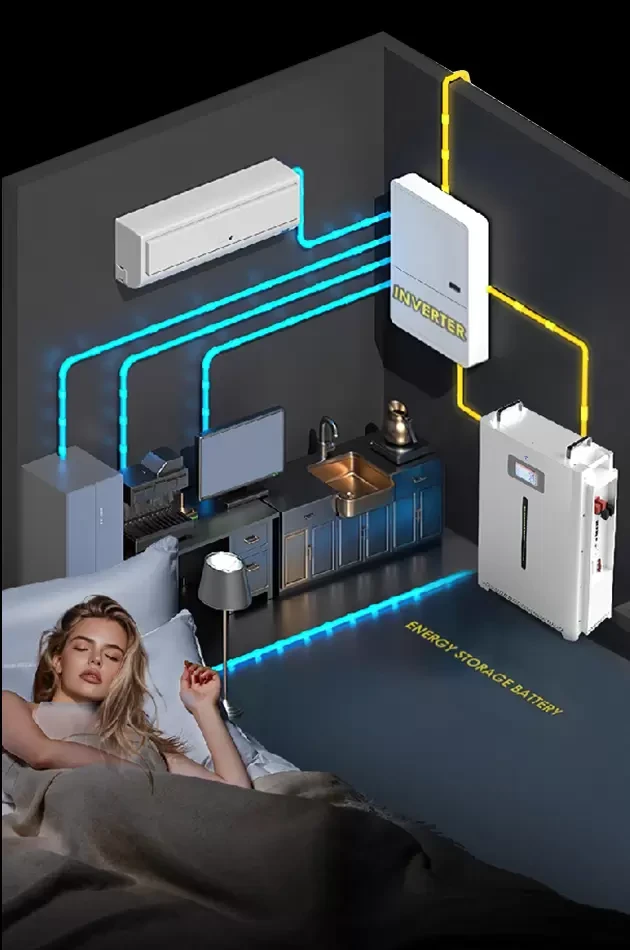
Mapping the home's electrical layout is crucial for a successful installation. Begin by assessing the current electrical panel's capacity and condition. Identify which circuits supply power to the critical appliances.
●Assess the main panel and ensure it can handle the additional load.
●Determine how the battery system will connect, especially if integrating solar panels.
●Size the battery system to match the calculated energy requirements and desired backup duration.
●Map out which circuits will receive backup power during an outage.
●Verify local utility requirements for interconnection.
●Prepare permit documentation as needed.
●Schedule inspections to ensure compliance and safety.
A clear understanding of the home's electrical layout ensures the backup system delivers power where it is needed most. Proper planning prevents overloads and maximizes the efficiency of the battery system.
Selecting the right components forms the backbone of a reliable home battery backup system. Each part plays a unique role in ensuring the system operates safely and efficiently. The BEINENGStor All-in-One Home Energy Storage System offers a streamlined solution by integrating advanced battery technology, an inverter, and a charger in one unit. This section explains how to choose the best battery type, inverter, charger, and essential safety accessories.
Choosing the battery type impacts the system’s performance, safety, and lifespan. Homeowners often compare LiFePO4 (lithium iron phosphate) and ternary lithium batteries. Lifepo4 batteries provide excellent safety, long cycle life, and stable performance. Ternary lithium batteries offer higher energy density, making them suitable for limited spaces.
| Factor | Description |
|---|---|
| Energy Source | Decide if the battery will charge from the grid or solar panels. |
| Amount of Power Needed | Calculate the power required for essential appliances and devices. |
| Space for Battery Units | Measure available space for battery installation. |
| Selecting the Right Batteries | Check battery capacity, voltage, and charge cycles for compatibility. |
●Capacity shows how much electricity the battery can store, measured in kilowatt-hours.
●Power rating indicates the maximum output, which is important for starting large appliances.
●Warranty and lifespan affect long-term reliability and cost.
The BEINENGStor system uses advanced LiPo4 and ternary lithium batteries. These batteries deliver high capacity, long life, and safe operation for home use.
The inverter and charger convert stored energy into usable electricity for home appliances. They also manage charging from the grid or solar panels. Homeowners should consider technical specifications, safety certifications, and smart features.
| Criteria | Description |
|---|---|
| Technical Specifications | Check usable capacity, power output, and efficiency. |
| Safety and Certifications | Look for UL and IEEE certifications for safety assurance. |
| Warranty and Support | Review warranty terms and local service options. |
| System Size and Type | Match the inverter to the home’s size and future needs. |
| Efficiency Ratings | Compare conversion efficiency ratings. |
| Smart Features and Monitoring | Choose systems with data logging and mobile app integration. |
| Cost and Value | Balance initial investment with long-term savings. |
The BEINENGStor All-in-One system includes a high-efficiency inverter and charger. It supports solar integration, allowing homeowners to use clean energy. The system’s touchscreen interface makes monitoring and control simple.
Safety devices protect the home and the battery system. Proper grounding connects metal parts to the earth, reducing shock risk during faults. Overcurrent protection devices, such as fuses and circuit breakers, stop the flow of electricity if it exceeds safe levels. This prevents overheating and fire.
●Proper grounding for all metal parts.
●Overcurrent protection with fuses and circuit breakers.
●Weatherproof and dustproof enclosures, like BEINENGStor’s IP67 rating, for outdoor safety.
Selecting quality components ensures the backup system operates safely and efficiently for years.
A well-designed home battery backup system ensures safety, reliability, and efficiency. Careful planning helps homeowners avoid common pitfalls and maximize the benefits of their investment.
Proper layout planning forms the foundation of a successful installation. Homeowners should start by evaluating the available space for the battery system. Many choose locations like the garage, utility room, or a dedicated outdoor enclosure. These areas often provide enough room and protection from harsh weather.
A practical system design considers the home's daily energy consumption. The system should support all critical devices and, if possible, the entire home. Including a transfer switch in the design allows the system to manage power automatically during outages. This feature ensures that essential appliances receive power without manual intervention.
Effective planning also involves understanding local regulations. Homeowners must check for any permits or inspections required by their city or utility provider. Following these rules ensures the system operates safely and meets all legal requirements.
Battery placement plays a key role in system performance and safety. Installers should select a flat, stable surface that supports the battery's weight. The area should remain dry and free from direct sunlight. Placing the battery near the main electrical panel reduces wiring length and improves efficiency.
The BEINENGStor All-in-One Home Energy Storage System features a compact design. This allows for flexible placement indoors or outdoors. Its IP67 rating protects the system from dust and water, making it suitable for various environments.
Good ventilation prevents overheating and extends battery life. Installers should avoid placing the battery in small, enclosed spaces without airflow. Adequate clearance around the unit allows for easy maintenance and inspection.
Accessibility matters for both installation and future servicing. The system should remain reachable for routine checks, cleaning, and emergency shutdowns. Installers should ensure that the touchscreen interface and safety switches are easy to access.
A clear wiring diagram guides the installation process and ensures safe connections. The diagram should show how the battery, inverter, charger, and main panel connect. It should also include safety devices like fuses, circuit breakers, and grounding points.
Below is a simplified example of a wiring diagram for a home battery backup system:
[Main Panel]
     |
[Transfer Switch]
     |
[Inverter/Charger]
     |
[Battery System]
     |
[Critical Loads Subpanel]
This layout helps installers visualize the flow of electricity and identify where to place each component. Following a detailed wiring diagram reduces the risk of errors and ensures the system operates as intended.

A successful home battery backup installation starts with gathering the right tools and materials. Each component plays a specific role in system safety and performance. The following list outlines the essential items for most residential setups:
1. Battery Charger: Maintains battery charge when grid power is available. The charger must match the battery type.
2 . Batteries: Lithium-based batteries, such as those in the BEINENGStor system, provide reliable energy storage.
3. Inverter: Converts stored battery power into usable electricity. Proper grounding prevents electrical hazards.
4. Wiring: Select wires with the correct gauge to handle the expected current safely.
5 . Fuses or Circuit Breakers: Protect the system from overcurrent and reduce fire risk.
6. Disconnect Switch: Allows safe isolation of the battery system during maintenance or emergencies.
7. Transfer Switch, Subpanel, or Dedicated Outlet: Connects the backup system to the home's electrical panel for seamless power delivery.
Safety remains the top priority during any battery backup installation. Installers must follow best practices to protect themselves and the home. They should always wear insulated gloves and safety goggles when handling electrical components. The work area should stay dry and well-lit to prevent accidents.
Installers must disconnect the main power supply before working on the electrical panel. They should use insulated tools to avoid electric shock. Proper grounding of the inverter and battery system prevents dangerous faults. All wiring connections must be tight and secure to avoid overheating.
Homeowners must comply with local rules and regulations when installing a battery backup system. Most areas require a permit for home battery installations. This process ensures the system meets local and national electrical codes.
●A qualified professional must inspect the installation to verify safety standards.
●Homeowner's insurance may require that all electrical upgrades receive proper permits and be completed by licensed professionals.
●Grid-connected systems need approval from the local utility company as part of the permitting process.
Proper mounting and securing of the battery form the foundation of a safe and reliable home battery backup system. Installers must first determine the correct size and type of backup home battery based on the home's energy needs. They should always select a location that supports the weight and dimensions of the battery backup system. The area must remain dry, cool, and well-ventilated. Installers should avoid direct sunlight and keep the system away from flammable materials.
A licensed professional should carry out the installation. This step ensures that all safety protocols are followed and that the battery backup system meets local codes and regulations. Installers must never take shortcuts, as these can lead to safety issues in the future.
Recommended steps for mounting and securing a battery backup system:
1 .Assess the installation site for stability and ventilation.
2.Place the battery on a flat, sturdy surface.
3. Secure the battery to prevent movement or tipping.
4 .Ensure clear access for maintenance and emergency shutdown.
5.Confirm that the area meets all local code requirements.
The inverter and charger serve as the bridge between the battery backup system and the home's electrical devices. Installers must connect these components according to the manufacturer's installation instructions. The inverter converts stored energy into usable electricity, while the charger manages the flow of energy into the battery.
Installers should use wires and connectors rated for the expected load. They must follow all safety protocols during this process. Proper grounding of the inverter and charger is essential to prevent electrical hazards. The BEINENGStor system integrates these components, simplifying the connection process and reducing the risk of wiring errors.
Key steps for connecting the inverter and charger:
●Review the installation instructions provided by the manufacturer.
●Use only compatible wires and connectors.
●Ground all components securely.
●Double-check all connections before proceeding.
Wiring the battery backup system to the main electrical panel allows the system to deliver power to essential circuits during an outage. Installers must plan the placement of all components and equipment before starting this step. They should select wires and circuit breakers that can handle the total load, which prevents overheating and ensures long-term safety.
Installers must choose a connection method that matches the backup home battery system's type and location. Options include a transfer switch, subpanel, or dedicated outlet. The chosen method should fit the home's electrical panel specifications and the system's requirements.
Best practices for wiring to the main panel:
●Map out the wiring route before installation.
●Use wires and breakers rated for the system's capacity.
●Prioritize improvements in wiring and circuitry for safety and performance.
●Follow all local codes and regulations.
By following these steps and adhering to all installation instructions, homeowners can ensure their home battery backup system delivers safe and dependable power during outages. The BEINENGStor All-in-One Home Energy Storage System provides a user-friendly solution for those seeking a modern home backup power solution.
Testing and commissioning mark the final steps before a home battery backup system becomes fully operational. These steps ensure that the system works safely and delivers reliable power when needed. Homeowners should follow a structured approach to confirm that every component functions as intended.
Initial System Checks
Installers begin by verifying all wiring connections. They check that each wire is secure and that no loose ends remain. They inspect the battery terminals for tightness and cleanliness. The BEINENGStor All-in-One Home Energy Storage System features a user-friendly touchscreen interface. Installers use this interface to review system status and confirm that the battery displays the correct charge level.
Installers then power on the inverter and charger. They observe the startup sequence for any error messages or warning lights. If the system integrates with solar panels, they check that the battery charges correctly from solar input. They also test the system's ability to switch to backup mode during a simulated outage.
Safety Verifications
Safety remains a top priority during commissioning. Installers test all safety devices, including fuses, circuit breakers, and disconnect switches. They confirm that each device responds quickly to faults. They also check that the system's enclosure remains sealed against dust and water, especially for outdoor installations.
Installers review the grounding connections. Proper grounding protects the system and the home from electrical faults. They ensure that all safety labels and instructions are visible and easy to read.
System Monitoring and Ongoing Maintenance
After commissioning, regular monitoring and maintenance keep the system running smoothly. The BEINENGStor system provides real-time data through its touchscreen and monitoring app. Homeowners can track energy usage, battery status, and system alerts.
The following table outlines a recommended schedule for ongoing checks and maintenance:
| Frequency | Task | Notes |
|---|---|---|
| Weekly | Review Monitoring App | Check for any alerts, error codes, or unusual performance data. |
| Monthly | Inspect the Battery Area | Ensure the area is clean, dry, and free of clutter. Confirm vents are unobstructed. |
| Monthly | Perform a Visual Inspection | Look for any signs of physical damage, leaks, or swelling on the battery casing. |
| Quarterly | Check Safety Devices | Test your smoke and carbon monoxide detectors. Check the charge on your fire extinguisher. |
| Annually | Professional Inspection | Schedule a check-up with a certified installer to inspect wiring, connections, and overall system health. |
Final Steps
Installers document all test results and provide homeowners with a summary of the system's performance. They explain how to use the monitoring features and what to do if the system issues an alert. Homeowners should keep all manuals and contact information for future reference.
A well-tested and commissioned home battery backup system, such as the BEINENGStor All-in-One, delivers peace of mind and reliable power for years to come.
Connecting a battery backup system to home circuits requires careful planning and attention to technical details. Installers must ensure that the system delivers power safely and efficiently to essential appliances during an outage. The process involves several important steps:
1. Set up the battery bank by connecting batteries in series or parallel to achieve the required voltage and capacity. Proper gauge wires help handle the expected current.
2. Connect the inverter to the battery bank, making sure to match the correct polarity. Grounding the inverter prevents electrical hazards.
3 .Install the battery charger according to the manufacturer's instructions. The charger should activate when grid power is available.
4.Add safety protections, such as fuses or circuit breakers, to guard against overcurrent. A disconnect switch allows for safe maintenance.
5. Connect the backup system to the home's electrical panel using a transfer switch, subpanel, or dedicated outlet.
These steps ensure that the home battery backup system integrates smoothly with the home's existing circuits. The BEINENGStor All-in-One Home Energy Storage System simplifies this process by combining advanced battery technology,an inverter, and a charger in a single unit. Its user-friendly touchscreen interface allows homeowners to monitor and control the system with ease.
Many homeowners choose to pair their battery backup system with solar panels. This integration allows the system to store excess solar energy for use during outages or at night. The BEINENGStor system supports easy solar integration, making it a practical choice for modern homes.
AC Coupling is a common method for integrating a home battery backup system with a grid-tied solar setup. In this configuration, the solar inverter and the battery inverter work together to manage energy flow. AC Coupling offers several advantages:
| Advantage | Description |
|---|---|
| Power during outages | AC Coupling provides a reliable power source for critical appliances during grid failures. |
| Grid feedback | The system can send excess power back to the grid, optimizing energy use and savings. |
| Efficient load management | All household loads receive power before any surplus is exported to the grid. |
The BEINENGStor All-in-One Home Energy Storage System features seamless solar integration. Its design allows homeowners to maximize solar energy usage, reduce reliance on the grid, and lower electricity bills. The system's touchscreen interface makes it easy to monitor solar input and battery status in real time.
A transfer switch plays a critical role in any home battery backup system. It safely switches the home's power source from the grid to the battery backup system during an outage. Setting up a transfer switch involves several steps:
1. Remove the cover from the home sub-panel using a screwdriver and keep the screws and cover in a safe place.
2 .Turn off the main breaker on the sub-panel to prevent electrical shock. Use a voltmeter to confirm that the power is off.
3. Hang the transfer switch a few inches to the side of the sub-panel. Mark the location, drill anchors, and secure the switch with screws.
4. Connect the wiring from the transfer switch sub-panel to the home sub-panel using a flexible metal conduit. Cut holes as needed for the conduit and feed the wires through.
5 .Complete the wiring for the transfer switch sub-panel by connecting the neutral, red, and black wires to their designated terminals.
6.In the home sub-panel, connect the ground and neutral wires to their matching wires. Pair the red and black wires according to their labels. Replace the wire on the breaker with the red wire and tie the black wire to the exposed wire.
7. Replace the cover on the home sub-panel and secure it with screws.
This process ensures that the battery backup system can safely deliver power to selected circuits during an outage. The BEINENGStor system supports integration with transfer switches, making it easy for homeowners to manage backup power for critical loads.
A well-integrated home battery backup system provides reliable power, efficient energy management, and peace of mind. The BEINENGStor All-in-One Home Energy Storage System offers a streamlined solution for homeowners seeking easy solar integration and user-friendly operation.
Many homeowners encounter issues with their home backup kit due to common installation errors. Understanding these mistakes helps prevent system failures and ensures reliable backup power. The most frequent problems include:
1 .Incorrectly sizing the battery system. This mistake can result in not having enough power during an outage or wasting resources on an oversized system.
2. Overlooking battery chemistry and key specifications. Choosing the wrong battery type affects both safety and performance.
3 . Poor component matching and integration. Mismatched parts can cause inefficiencies or even system faults.
4.Improper location and ventilation. Placing the home backup kit in a poorly ventilated or unsuitable area can shorten its lifespan.
5. Disregarding safety codes and professional standards. Ignoring established codes may lead to dangerous situations.
6 . Inadequate grounding and overcurrent protection. Proper grounding and fusing are essential for safety.
7.Failing to plan for the future. Not considering future energy needs can limit the effectiveness of the home backup kit.
When a home backup kit does not perform as expected, several troubleshooting steps can resolve most issues. Regular maintenance and inspections keep the system running smoothly.
●Regular inspections help spot signs of wear or damage, such as frayed wires or leaking batteries.
●Cleaning the home backup kit removes dust and debris, which maintains efficiency and extends lifespan.
●Temperature management is important. Keeping the system in a temperature-controlled environment prevents damage from extreme heat or cold.
●Battery replacement should follow the manufacturer's recommended schedule, usually every five to ten years.
●Professional maintenance, including a thorough inspection and testing at least once a year, ensures the home backup kit remains reliable.
Some situations require professional assistance to keep the home backup kit safe and effective. Homeowners should look for these warning signs:
●Visible signs of wear and tear on wiring.
●Frayed insulation or exposed wires.
●Damage caused by pests.
●Wiring that is not secured or protected according to local electrical codes.
If any of these issues appear, a licensed electrician should inspect and repair the home backup kit. Professional help ensures the system meets safety standards and continues to provide dependable backup power.
Installing a backup home battery system involves careful planning, selecting the right components, and following safety guidelines. Each stage, from assessing power needs to testing the battery backup system, ensures a reliable home backup power solution. Homeowners should review every step and seek professional help if unsure. The BEINENGStor All-in-One Home Energy Storage System stands out as a modern home backup power solution. Its features make it ideal for today’s families:
| Feature | Description |
|---|---|
| Space Savings | Compact design fits homes with limited space. |
| Enhanced Efficiency | Optimizes energy use for better performance. |
| Backup Power Capabilities | Keeps essential devices running during outages. |
| Cost Savings | Reduces energy bills by storing power for later use. |
| Scalability | Allows for future expansion as needs grow. |
| Smart Management Features | Advanced technology for easy energy management. |
A well-installed battery backup system provides peace of mind and dependable backup home battery power for years.


Compact, quiet, and powerful, it keeps your essentials running during outages and lets you charge anywhere with solar power or grid power.
Perfect for renters who need flexibility without compromise.
Our estimator is only set up to provide preliminary estimates and installer information to residents of single family homes.