
 Email Us
 Contact us
 Whats App
Single family home

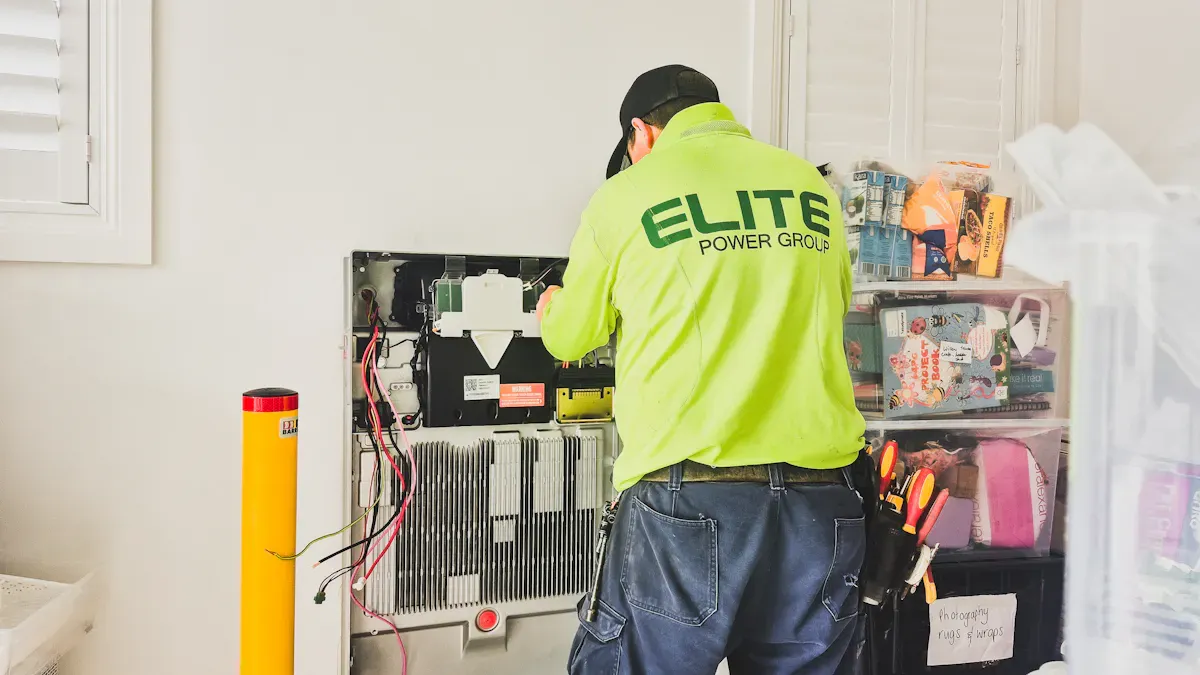
You want the Best Battery Storage Systems for your home or business. Energy storage helps you save money. It also supports green living. You can gain energy independence with it. In the last few years, people spent over $20 billion on battery storage. New projects keep getting bigger. Innovative options like BEINENG Home ESS and BEINENGStor are available. You can use solar power with them. You can store power easily. You can charge your EV without trouble. Look at this table to see how fast battery storage is growing worldwide:
Year | Market Size (USD Billion) |
|---|---|
2025 | 32.62 |
2026 | 40.45 |
2034 | 161.12 |
When you pick a system, focus on reliability. Think about capacity. Check the cost. Make sure it can grow with your needs. See if it works well with other things you use.
Battery storage systems help you save money. They also help the environment by using renewable energy.
Pick a system that is reliable and has enough capacity. Make sure it can grow with your energy needs.
Look at options like BEINENG Home ESS and Tesla Powerwall for your home. These work well with solar power and are easy to use.
For businesses, Tesla Powerpack and BYD Battery-Box are good choices. They give you backup power and can change to fit your needs.
Always look at the warranty and features before you buy. This helps you get a battery system that lasts and gives good support.
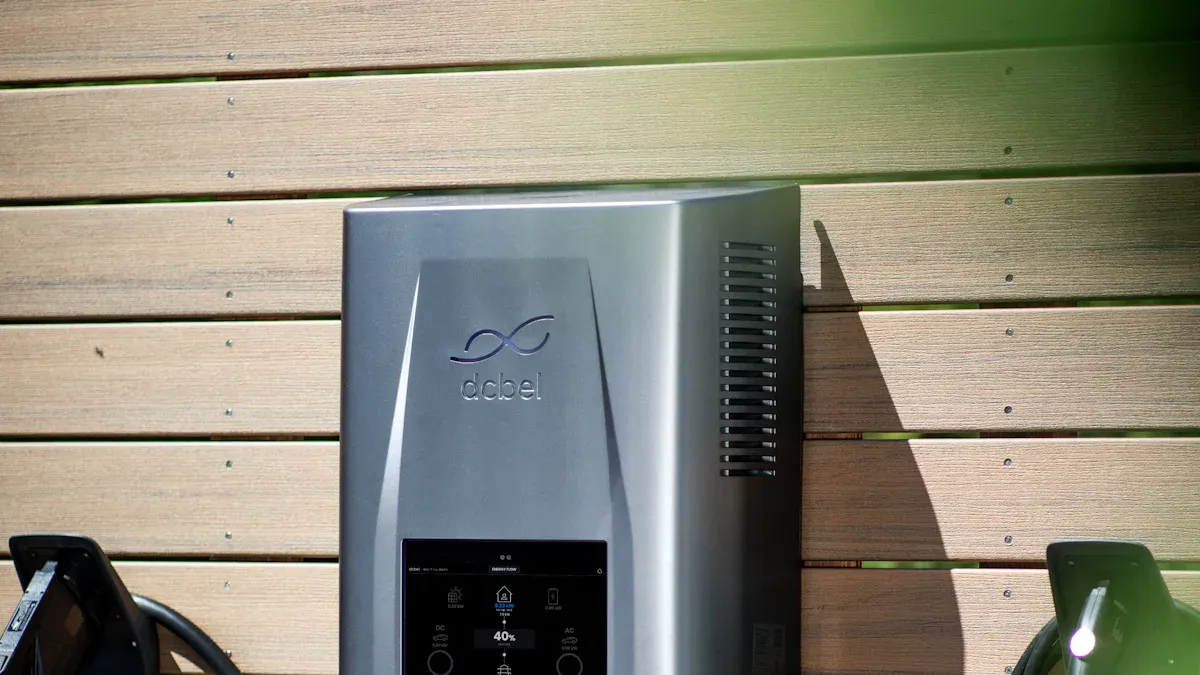
Picking the Best Battery Storage Systems for your home helps you save money. It also helps you use less power from the grid. There are many choices for different needs. Each system has special features. You can pick one that fits your life.
BEINENG Home ESS lets you use solar power, store energy, and charge your EV. You can save energy during the day and use it at night. Charging your electric car is easy. BEINENGStor is a 5-in-One Home Energy Solution. You can control it with the myBeineng App. The system can grow if you need more power. You get backup power when the lights go out. You can use it off-grid. It is simple to set up. The controls are easy to use. You can change how you use energy to fit your needs.
Tesla Powerwall 3 is a top pick for homes. It is small and easy to put in. The system holds up to 13.5 kWh of energy. It gives 11.5 kW of power all the time and 30 kW at its peak. The warranty lasts 10 years. You can check your energy use any time. The software helps you manage power. You can add more units if you need more energy.
Feature | Specification |
|---|---|
Dimensions | 43.5" x 24" x 7.6" |
Energy Capacity | Up to 13.5 kWh |
Continuous Power Output | 11.5 kW |
Peak Power Output | 30 kW |
Warranty | 10 years |
Villara VillaGrid uses a strong battery chemistry. It gives you 11.5 kWh of power and 98.5% efficiency. The warranty is 20 years, which is very long. You get high peak power. The system uses lithium titanium-oxide batteries. You can make the system bigger if you need. It works well with solar panels.
Feature | Details |
|---|---|
Capacity | 11.5 kWh |
Roundtrip efficiency | 98.5% |
Warranty | 20 years |
Peak power output | Highest on the list |
Battery chemistry | Lithium titanium-oxide (LTO) |
Enphase IQ Battery is safe and reliable. You can add more batteries if you need. Smart energy management helps you use less power. You can connect it to a generator for backup. The battery fits many homes. Updates keep the system working well.
Advantages | Limitations |
|---|---|
Safety and Reliability | Individual Power Output |
Scalability and Flexibility | Aesthetic Considerations |
Smart Energy Management | System Updates |
Compatibility with Generators | Compatibility with Future Models |
Panasonic EverVolt is a good choice for home energy storage. You can pick the size you need. It works well with solar panels. The warranty is long and it is efficient. EverVolt is easy to set up and take care of. You can add more power later if you want.
Canadian Solar EP Cube lets you build your storage in steps. You can start small and add more later. The EP Cube works with solar systems. It has an easy-to-use interface and gives backup power. The system is efficient and can be installed in many ways.
Bluetti EP900 is for people who want backup power and off-grid use. You can connect up to 16 batteries for 79 kWh of backup. The system gives up to 9000 watts of power. You can use 9 kW solar input directly. The EP900 works with your solar setup and turns on fast during outages. You get 120/240V AC power and storage from 9 kWh to 39.6 kWh.
The EP900 can handle big power needs.
You can make the system bigger for more backup.
It works as a solar charger.
Goal Zero Backup Systems are easy to move and use. You can carry them around your house or take them on trips. They give backup power when the power goes out. You can charge devices and small appliances. You can add more capacity if you need.
You can compare the Best Battery Storage Systems by looking at warranty, capacity, and special features. The table below shows how top systems compare:
Battery System | Warranty | Usable Capacity | Roundtrip Efficiency |
|---|---|---|---|
HomeGrid Stack’d Series | 10 years, 60% at year 10 | 38.4 kWh | 98% |
Duracell Power Center Max | 10 years, 70% at year 10 | 40 kWh | 96% |
Villara VillaGrid | 20 years, 85% at year 10 | 11.5 kWh | 98.5% |
Tesla Powerwall 3 | 10 years, 70% at year 10 | 13.5 kWh | 89% |
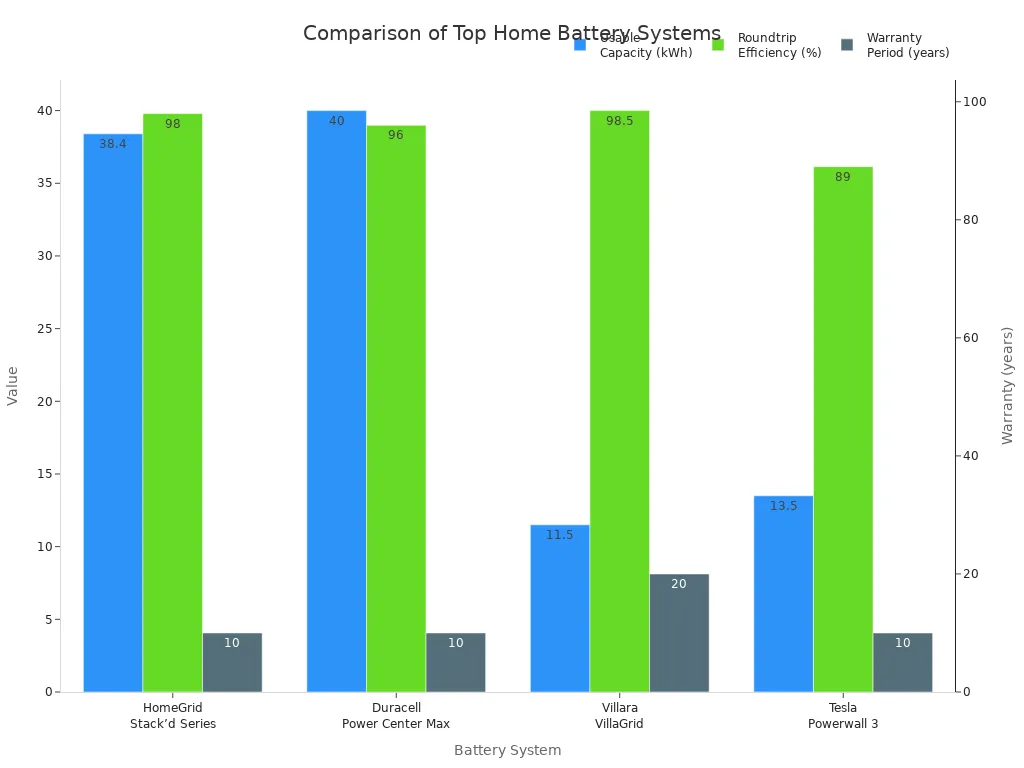
Villara VillaGrid has the longest warranty and best efficiency. Tesla Powerwall 3 gives good capacity and is reliable. BEINENG Home ESS and BEINENGStor have all-in-one solutions for solar, storage, and EV charging. The Best Battery Storage Systems help you save money, get backup power, and live greener.
Tip: When you pick a battery system, look at the warranty, capacity, and if you can make it bigger. Pick the system that fits your energy needs and future plans.
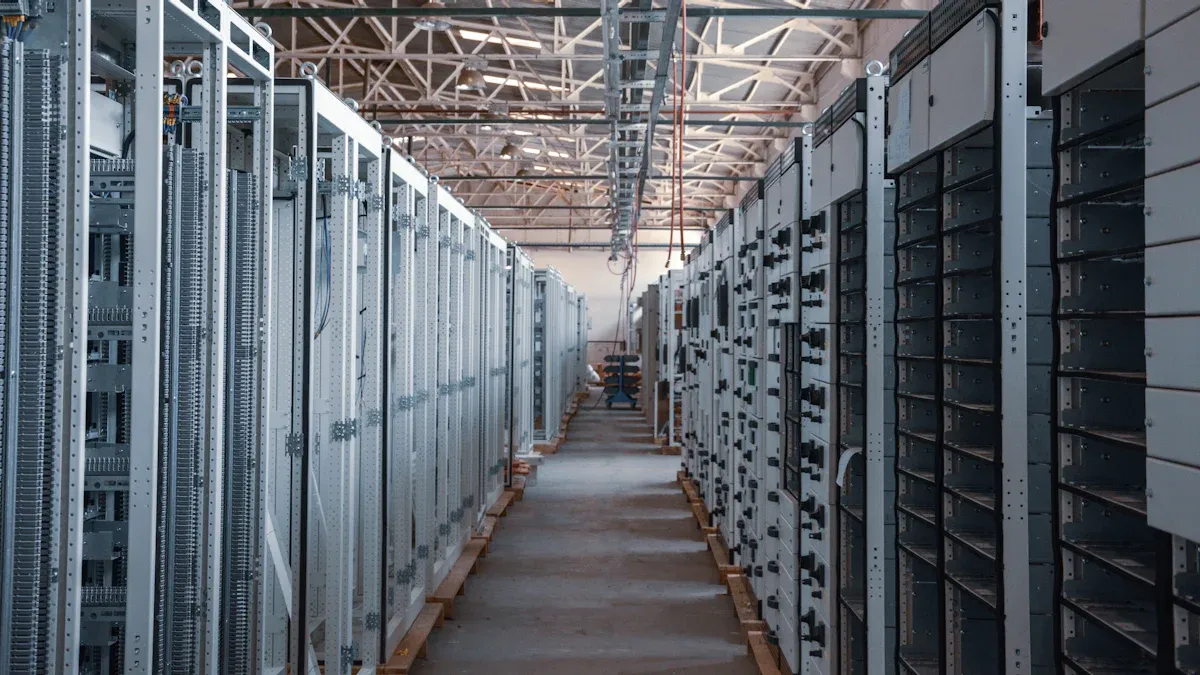
Commercial battery storage systems help you handle a lot of energy. You need these systems if you have a business, factory, or data center. They give backup power and lower your energy bills. They also help you use more renewable energy. Pick a system that can grow with your needs. Make sure it works well with your other equipment.
Tesla Powerpack and Megapack are good for businesses. The Megapack has a battery module and a bi-directional inverter. It also has thermal management, an AC main circuit breaker, and a control system. Tesla’s software lets you watch and control your energy use. You can see how much power you store and use any time. The Hornsdale project in South Australia uses a 100 MW Powerpack system with wind farms. This project saved almost $40 million in its first year. Tesla has put over 10 GWh of Megapack systems around the world. These systems are checked all day and night for reliability.
Liniotech Commercial Solutions help big energy users. You can use these systems to manage energy costs. They keep your business running during power outages. Liniotech uses modular designs. You can start small and add more as you need. The systems come in cabinet or container formats. This means you can pick what fits your building or site. Liniotech helps you keep power steady and add solar or wind energy.
BYD Battery-Box Commercial systems use top LFP technology. You can use them for many things. They store extra solar power and power electric vehicles. They help keep the grid stable. These systems work well for backup power in hospitals and data centers. You can make the system bigger from 65 kWh to 983 kWh. The modular design lets you add more batteries as your business grows. BYD batteries are safe, efficient, and last a long time.
Feature/Application | Description |
|---|---|
Energy Storage Systems (ESS) | Stores extra energy from renewable sources. This keeps power steady and helps the grid. |
Electric Vehicles (EVs) | Powers electric transportation. It gives high energy and charges fast. |
Grid Stabilization and Frequency Regulation | Gives fast energy storage for load leveling and frequency regulation. This helps the grid and stops blackouts. |
Commercial Uninterruptible Power Supply (UPS) Systems | Gives backup power during outages. This keeps important places like data centers and hospitals running. It also helps manage power quality. |
Fluence Energy Storage is known for being reliable for a long time. You can trust these systems to work for over 20 years. Fluence has lots of experience. The company cares about safety and cybersecurity. You get digital controls to help manage your energy. Fluence also gives strong support and guarantees. Many businesses pick Fluence for its good record and long-term value.
Attribute | Fluence Energy Storage | Competitors |
|---|---|---|
Long-term reliability | Works for over 20 years | Others focus on upfront cost |
Support | Lots of experience and guarantees | Others may not have real-world data |
Safety and cybersecurity | Very important, uses digital controls | Others may not focus on this |
Total cost of ownership | Focuses on long-term value | Others focus on first costs |
Global operating experience | One of the largest in the industry | Others may not work in tough markets |
Pylontech Commercial battery systems are flexible and easy to make bigger. You can connect up to 16 batteries together. This gives you over 80 kWh of storage for your business. The modular design lets you add more batteries as you need. You can start small and grow your system over time. Pylontech supports different setups. You can increase voltage and capacity as needed. These systems save money and help you get the most from your investment.
Feature | Description |
|---|---|
Scalability | You can connect up to 16 batteries for over 80 kWh. |
Modular Design | You can add more batteries as you need more energy. |
Cost-Effective Expansion | Start small and expand later to save money. |
Configuration Options | Connect batteries in parallel or series for more power. |
Total Storage Capacity | Can go over 50 kWh for big energy needs. |
You should look for some features when picking the Best Battery Storage Systems for commercial use:
Scalability: You can make most commercial systems bigger as your business grows. For example, the L3 Series can go from 40 kWh to 9.6 MWh.
Integration: These systems work with solar, wind, and other renewable sources. They use inverters, converters, and battery management systems to keep things running well.
Reliability: Top brands like Tesla, Fluence, and BYD have good records. They give long warranties and strong support.
Control and Monitoring: You can check energy use and battery health with advanced software. This helps you manage costs and stop problems.
Backup Power: These systems switch to battery power during outages. Your business keeps running without stopping.
Note: Always pick a manufacturer with a special commercial product line. This makes sure you get a system made for big use and long-term reliability.
Product | Key Features | Market Position |
|---|---|---|
Tesla Megapack | Advanced software, high energy, proven reliability | Over 10 GWh used worldwide, checked 24/7 for reliability |
Schneider Electric BESS | Microgrid integration, scalable, certified safety | Works with EcoStruxure™ Microgrid Flex, standard solutions |
BYD Battery-Box | Modular design, top LFP technology, flexible use | Very adaptable, known for efficiency in tests |
You can see that the Best Battery Storage Systems for commercial use are flexible, safe, and have strong support. These systems help you save money, protect your business, and use more clean energy.
A home battery storage system keeps extra energy for later. It has four main parts. The battery cells hold energy from solar panels or the grid. The Battery Management System (BMS) keeps the battery safe and working well. The Power Conversion System turns stored energy into power you can use at home. The thermal management system keeps everything cool so it works right.
Here is a simple table that shows what each part does:
Component/Functionality | Description |
|---|---|
Battery Cells | Store energy for use during peak demand. |
Battery Management System (BMS) | Safeguards performance and ensures safety. |
Power Conversion System | Delivers usable power to the grid or home. |
Thermal Management System | Maintains optimal temperature for efficiency. |
With BEINENG Home ESS, you can save solar energy during the day. At night, you use that energy for lights, appliances, or your electric car. If the power goes out, your battery gives backup power. You can use the myBeineng App to check energy use and control the system on your phone. This makes it easy to manage energy and save money.
Many businesses, factories, and data centers use battery storage systems. These systems work like home systems but are bigger. They give full power for one to four hours. You can use them for short bursts of power or to help the grid. The main parts—battery cells, BMS, power conversion, and thermal management—work together to keep things safe and efficient.
Commercial systems are small and easy to install, even in busy cities. You do not need fuel, so they run quietly and smoothly. Businesses use these systems to lower energy bills, keep power on during outages, and use more renewable energy. You can add more batteries as your business grows, so the system can get bigger when you need it.
Tip: Battery storage systems give you steady power at home or work. They help you save money, protect your stuff, and use more clean energy.
Battery storage systems keep your lights on if the grid fails. These systems hold electricity and give it to you when needed. If the main power stops, the battery turns on right away. You get backup power for things like fridges and computers. This means your home or business can work for hours during a blackout. Battery storage helps you feel safe and calm in emergencies.
Battery storage systems give fast backup power to important things. You do not need to worry about losing power in storms or blackouts. You can trust your battery system to keep your home or business safe.
Battery storage can help you save money. The system lets you use stored energy when prices are high. You can charge your battery when rates are low. Later, you use that energy when rates go up. This helps you pay less for electricity. You can also use solar panels to fill your battery. You use solar power in the day and stored power at night. This lowers your bills and helps you control energy costs.
Benefit | How It Helps You |
|---|---|
Lower Bills | Use stored energy at peak times |
Smart Charging | Charge batteries when rates drop |
Solar Integration | Use free solar power |
Battery storage makes using solar and wind energy easier. You can store extra energy when your solar panels or wind turbines make more than you need. Later, you use that energy when you need more power. This gives you more control over how you use energy and helps you be more independent.
You store extra energy when you make a lot.
You use stored energy when you need more power.
You control your energy use and save money.
Battery storage helps you use more clean energy. You can use less power from the grid and help the planet.
You have many choices when picking a battery for energy storage. Each type works best in different situations. You should know how lithium-ion, lead-acid, and flow batteries compare.
Lithium-ion batteries are popular for home and business use. You get high energy in a small space. These batteries charge quickly and last a long time. You can use them for over 2,000 cycles. Most lithium-ion batteries work for 10 to 20 years. They give you more than 90% efficiency. You will find them in systems like Tesla Powerwall and BEINENG Home ESS. These batteries cost more at first, but you save money over time because they last longer.
Lead-acid batteries have been around for many years. You see them in cars and backup power systems. They cost less than other types. You can use them for 500 to 1,000 cycles. Most lead-acid batteries last 5 to 10 years. They have lower efficiency, usually between 70% and 80%. You need to check water levels and keep them clean. These batteries work well for short-term backup but need more care.
Flow batteries store energy in liquid tanks. You can make them bigger by adding more liquid. These batteries last over 20 years and can handle more than 10,000 cycles. They work well in large buildings and places that need power for a long time. Flow batteries are less sensitive to heat and cold. They cost more, but you get a long life and easy expansion.
Here is a table to help you compare the main battery types:
Battery Type | Lifespan | Cost per kWh | Cycle Life | Efficiency |
|---|---|---|---|---|
Lithium-Ion | 10 to 20 years | $20M–$40M (50MW) | 2,000+ cycles | 90%+ |
Lead-Acid | 5 to 10 years | $50–$100 | 500–1,000 cycles | 70%–80% |
Flow | 20+ years | $200–$500 | 10,000+ cycles | 75%–85% |
You should pick a battery that fits your needs. Here is a table to show which battery works best for each use:
Battery Type | Application | Key Features |
|---|---|---|
Lithium-ion | Commercial peak shaving | High energy density, cost-effective, rapid charging |
Flow batteries | Large facilities, extended discharge | Long lifespan, less temperature sensitivity |
Pylontech batteries | Residential energy storage | Versatile, compatible with solar, modular design |
Lithium-ion batteries work well for homes and businesses. You get fast charging and good value.
Flow batteries fit large buildings and places that need power for many hours.
Pylontech batteries are great for homes with solar panels. You get reliable and flexible energy storage.
Tip: Think about how much energy you need and how often you use it. This helps you pick the right battery for your home or business.
First, you need to know how much energy you use every day. Make a list of the things you want to power. Write down how long you use each one. Add up the numbers to see what size battery you need. Think about battery chemistry and how well the system works. Use a simple math formula to find out how many Amp-hours (Ah) you need. If you want your system to get bigger later, pick a battery that lets you add more units. Many new systems are modular and scalable. You can put in more batteries as your needs change.
Tip: Think about what you might need in the future. Pick a system that can grow with your family or business.
Look at the whole cost of the system, not just the price you see first. Check how much each kilowatt-hour (kWh) of storage costs. Think about how much money you will save on your bills. A good system will pay for itself after some time. Compare the warranties and how long the battery should last. Longer warranties usually mean better value. Figure out your return on investment (ROI) by adding up the money you save from lower bills and backup power.
See how long the battery will last. Most lithium-ion batteries work for 10 to 20 years. Lead-acid batteries last 5 to 10 years. Flow batteries can last more than 20 years. Look for a strong warranty. This helps you feel safe and protects your money. Warranties show the company believes in its product.
Make sure your battery system works with your solar panels, inverters, and other equipment. Some systems only work with certain brands. Pick a system that matches what you already have. This helps you avoid problems later. It is also smart to plan for more power needs in the future.
Factor | Description |
|---|---|
Safety | Makes sure the system is safe for people and property. |
Cybersecurity | Keeps the system safe from hackers and data leaks. |
Warranties | Promises the system will last and work well. |
Installability | Shows how easy it is to set up and use the system. |
Energy Optimization | Helps you use and store energy in the best way. |
Scalability | Lets you add more batteries if you need more power. |
Pick a system that is easy to set up and take care of. Some systems have simple guides and support. Others need a pro to install them. Check if the company helps with setup and service. Taking care of your system helps it last longer. Use apps or online tools to check your battery health.
Note: Think about your energy needs, compare different companies, and plan ahead. This will help you pick the best battery storage system for your home or business.
You should choose the best battery storage system for your home or business. The right system gives you backup power when you need it. It helps you save money on energy bills. You also get more control over your power use. Make sure the system is reliable and has enough capacity. It should be easy to make bigger if you need more power.
Look at the warranty and special features.
See if the system works for what you want.
Talk to an expert for help. Get a price or learn more before you pick one.
You should check your daily energy use. Most homes need 10–15 kWh for basic backup. If you want to power more devices or go off-grid, you may need a larger system.
A typical home battery can run key appliances for 8–12 hours. If you use less power, it lasts longer. You can add more batteries for extra backup time.
Yes, many modern systems let you add more batteries. This helps you grow your storage as your needs change. Look for modular or scalable options.
Most battery systems need little care. You should check the app or display for alerts. Clean the area around the battery. Schedule a yearly checkup with a pro.


Compact, quiet, and powerful, it keeps your essentials running during outages and lets you charge anywhere with solar power or grid power.
Perfect for renters who need flexibility without compromise.
Our estimator is only set up to provide preliminary estimates and installer information to residents of single family homes.