
 Email Us
 Contact us
 Whats App
Single family home

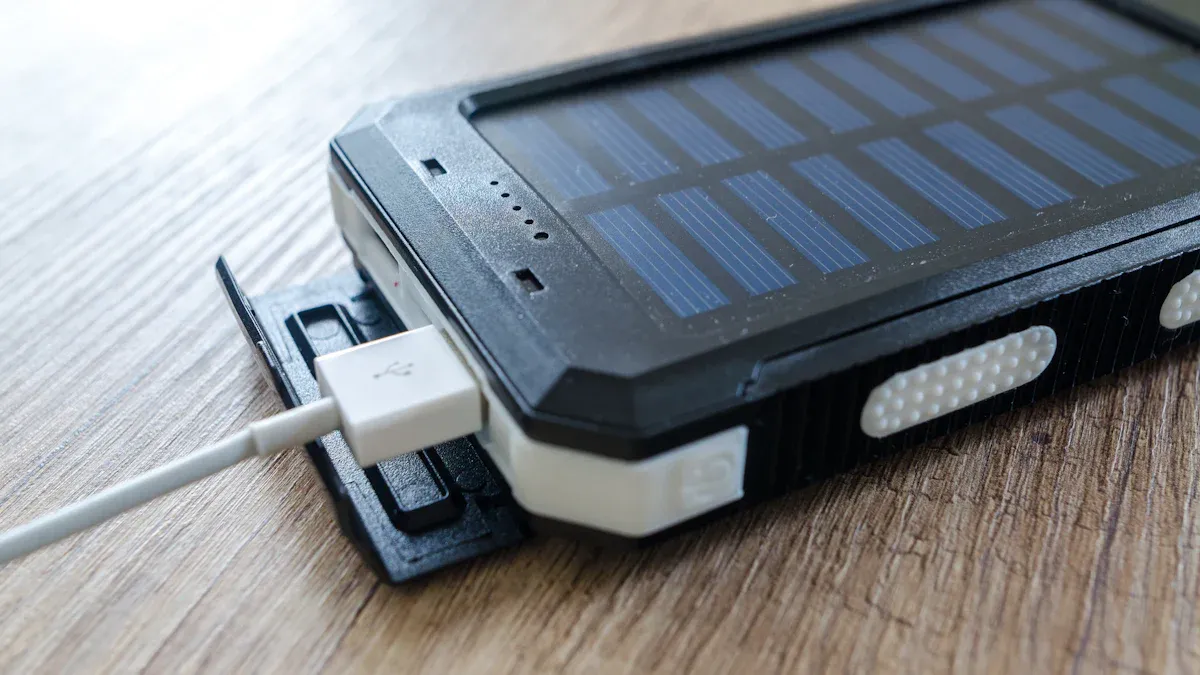
When you look for the Best Batteries for your solar panels, you want something that lasts long, works efficiently, and does not need much upkeep. Lithium batteries, like those in the BEINENG Home ESS, stand out for most homes. They offer a lifespan of 15 to 20 years and require very little maintenance. You will find that lithium-ion batteries lead the market in residential solar use because they hold more energy and work better than lead-acid or flow batteries. Lead-acid batteries need regular care and last less time. Flow batteries work well for larger systems but do not match lithium for home use.
Lithium batteries, like the ones in the BEINENG Home ESS, can last 15 to 20 years. They do not need much care.
Lead-acid batteries cost less at first. But you must replace them every 3 to 5 years. This makes them less good for saving money over time.
Flow batteries work best for big systems. They last a long time. But they are usually not right for homes.
Pick lithium batteries if you want high efficiency and energy density. This helps you get the most power from your solar panels.
Think about how much energy you use and how much work you want to do. This will help you pick the best battery for your solar system.
Many solar systems use lithium batteries today. These batteries store energy with special chemistry. The main types for homes are Lithium Iron Phosphate (LFP) and Nickel Manganese Cobalt (NMC). LFP batteries are very safe and last a long time. You can charge and use them thousands of times before they stop working. NMC batteries can hold more energy in a smaller size. But NMC batteries do not last as long as LFP batteries.
Here is a table that shows the main features of LFP and NMC batteries:
Feature | Lithium Iron Phosphate (LFP) | Nickel Manganese Cobalt (NMC) |
|---|---|---|
Energy Density | 90–160 Wh/kg | 150–220 Wh/kg |
Cycle Life | 3,000–5,000+ | 1,000–2,000 |
Safety | Excellent | Good |
Main Use | Home Storage, Industry | EVs, Electronics |
You can see LFP batteries are safer and last longer. This makes them a good choice for home solar systems.
Lead-acid batteries have been used in solar systems for a long time. There are two main types: sealed and wet. Sealed lead-acid batteries do not need much care. Wet lead-acid batteries need you to check and add liquid sometimes. These batteries are easy to swap out and cost less than lithium batteries. They are good for backup power and deep cycle use.
Type of Battery | Construction Description | Performance Characteristics |
|---|---|---|
Sealed Lead-Acid | Electrolyte in sponge-like material | Maintenance-free, more expensive |
Wet Lead-Acid | Electrolyte in separate compartment | Needs regular maintenance |
You might pick lead-acid batteries if you want to save money. But they only last about 3 to 5 years. You may need to get new ones more often than other Best Batteries.
Flow batteries use liquid electrolytes that move through tanks. You can make the tanks bigger to store more energy. This does not change the main battery parts. Flow batteries, like vanadium redox flow batteries, last a long time. They can give power for many hours. You might see these batteries in big solar projects or off-grid places. The vanadium inside does not wear out, so these batteries stay good for years. Flow batteries are not like lithium or lead-acid batteries because they use liquids to store energy.
When you choose a battery for your solar panels, you want it to last as long as possible. Lifespan means how many years a battery works well. Cycle life means how many times you can charge and use up the battery before it wears out. Each time you use the battery and recharge it, that counts as one cycle.
Here is a table that shows the average cycle life and lifespan for the main battery types:
Battery Type | Average Cycle Life | Lifespan |
|---|---|---|
Lithium-Ion | 4,000 - 6,000 cycles | ~11 years |
Lead-Acid | Fewer cycles | 5 - 7 years |
Flow Batteries | N/A | 15 - 20 years |
Lithium batteries, like those in the BEINENG Home ESS, can last over 6,000 cycles. This means you can use them every day for many years. Lead-acid batteries wear out faster and need to be replaced more often. Flow batteries can last a long time, but they are usually used for big projects, not homes. If you want the Best Batteries for your home, lithium batteries give you the best mix of long life and reliability.
Depth of Discharge (DoD) tells you how much of the battery’s energy you can use before you need to recharge it. If a battery has a DoD of 80%, you can use 80% of its energy before charging it again. Using more of the battery each time can make it wear out faster.
Here is a table to help you compare:
Battery Type | Impact on Usable Capacity | |
|---|---|---|
Lead-Acid | ≤50% | Using more reduces battery life a lot |
Lithium-Ion | Up to 90% | Using up to 80% is best for long life |
Flow Batteries | 100% | No loss, good for heavy use |
Lithium batteries, especially LiFePO4 types, can handle deep discharges. You can use up to 80% or even 100% of their energy, but stopping at 80% helps them last longer. Lead-acid batteries should not go below 50% or they will wear out quickly. Flow batteries can use all their energy without damage, which is great for large systems.
Efficiency means how much energy you get out compared to what you put in. If a battery is 90% efficient, you get 90% of the energy back when you use it. Charge rate tells you how fast you can fill the battery with energy.
Here is a table that shows the efficiency of each battery type:
Battery Type | Discharge Efficiency | Round Trip Efficiency | |
|---|---|---|---|
Flow Batteries | 85% - 95% | 85% - 95% | 65% - 85% |
Lithium-Ion | >95% | 95% - 98% | 85% - 95% |
Lithium batteries have the highest efficiency. You lose less energy when you store and use it. This means you get more power for your home. The BEINENG Home ESS uses lithium batteries, so you get top performance. Lead-acid and flow batteries lose more energy, so they are less efficient. If you want the Best Batteries for solar panels, high efficiency helps you save money and energy.
Tip: Using the battery within the recommended charge and discharge rates keeps it healthy and working longer.
You want a battery that does not need much care. Maintenance means checking, cleaning, or adding things to the battery to keep it working.
Battery Type | |
|---|---|
Lithium-ion | No maintenance if installed right; just plan for slow aging |
Lead-acid | Needs regular checks; wet types need water added; sealed types need less care |
Flow Batteries | Needs yearly checks by a technician; may need more liquid added |
Lithium batteries need almost no maintenance. You can install them and let them work. The BEINENG Home ESS is a good example of a system that saves you time and effort. Lead-acid batteries need you to check them often and add water if they are the wet type. Flow batteries need a yearly check by a professional. Less maintenance means more time for you and fewer problems.
Cost is how much you pay at first. Value means how much you get for your money over time. Some batteries cost less to buy but need to be replaced often. Others cost more at first but last longer and save you money.
Battery Type | Initial Cost (per kWh) | Lifespan (cycles) | Replacement Frequency |
|---|---|---|---|
Lead-Acid | $100 - $200 | 500 - 1,200 | 2-3 years |
Lithium-Ion | $300 - $500 | 2,000 - 5,000 | 5-10 years |
Flow | High | 8,000 - 15,000 | N/A |
Lead-acid batteries are cheap to buy but need replacing every few years. Lithium batteries cost more at first but last much longer. Over time, you save money because you do not need to buy new batteries as often. The BEINENG Home ESS gives you great value because it uses long-lasting lithium batteries. Flow batteries are best for big projects, not homes.
Safety is very important when you store energy at home. You want a battery that will not catch fire or leak harmful chemicals.
Lithium batteries can get hot if not managed well, but modern systems like the BEINENG Home ESS have strong safety features. These include thermal management, overcharge protection, and short circuit protection.
Lead-acid batteries can leak acid if damaged or not cared for. This can be dangerous for people and pets.
Flow batteries use liquids that need careful handling, but they do not catch fire easily.
Here are some safety standards for modern lithium battery systems:
Safety Standard | Description |
|---|---|
UL 1973 | Checks for electrical safety and fire risk containment |
UL 9540A | Tests for fire safety and thermal runaway risks |
NFPA 855 | Sets rules for safe installation and ventilation |
You can feel safe with a modern lithium system in your home.
You may want to know how batteries affect the planet. Making and recycling batteries uses energy and can create pollution.
Lead-acid batteries have a high recycling rate. Almost all old lead is reused. But making them can cause lead pollution if not managed well.
Lithium batteries are harder to recycle. Mining lithium uses a lot of water and can harm the land. Some types, like those in the BEINENG Home ESS, avoid toxic metals and are safer for the environment.
Flow batteries use vanadium or other materials. They can be recycled, but the process is still new.
Note: Lead-acid batteries are the best for recycling, but lithium batteries are catching up as new recycling methods are developed.
If you want to choose the Best Batteries for your solar panels, think about how long they last, how much care they need, and how they affect the world around you.
If you want to see how these batteries compare, a table is helpful. It lets you look at the main features quickly. You can use this table to help pick the right battery for your solar panels.
Metric | Lithium Batteries | Lead-Acid Batteries | Flow Batteries |
|---|---|---|---|
Energy Density (Wh/liter) | 200–400 | 50–80 | 20–70 |
Power Density (W/liter) | 1,300–10,000 | 90–700 | 1–25 |
Cycle Life (cycles) | 2,000–5,000 | Up to 1,000 | 8,000–15,000 |
Depth of Discharge (DoD) | 80% or more | About 50% | 100% |
Charging Efficiency | Over 95% | 80–85% | 65–85% |
Maintenance | Very low | Moderate to high | Low to moderate |
Initial Cost | High | Low | High |
Lifespan (years) | 10–20 | 3–7 | 15–20 |
Safety | Very good | Good | Excellent |
Tip: This table helps you match your needs with the right battery. If you want lots of energy and power, pick lithium batteries. If you want a battery that lasts many years and needs little care, flow batteries are good for big systems.
Lithium batteries give you high energy density and work very well. They do not need much care. Lead-acid batteries cost less at first, but you will need to buy new ones more often. Flow batteries last a long time and can be used a lot, but they are better for large projects than homes.
Key points to remember:
Lithium batteries, like the ones in the BEINENG Home ESS, last a long time, work well, and need little care.
Lead-acid batteries are cheaper but need more attention.
Flow batteries are best for big solar setups.
You can look at this table when you want to choose the best battery for your solar panels.
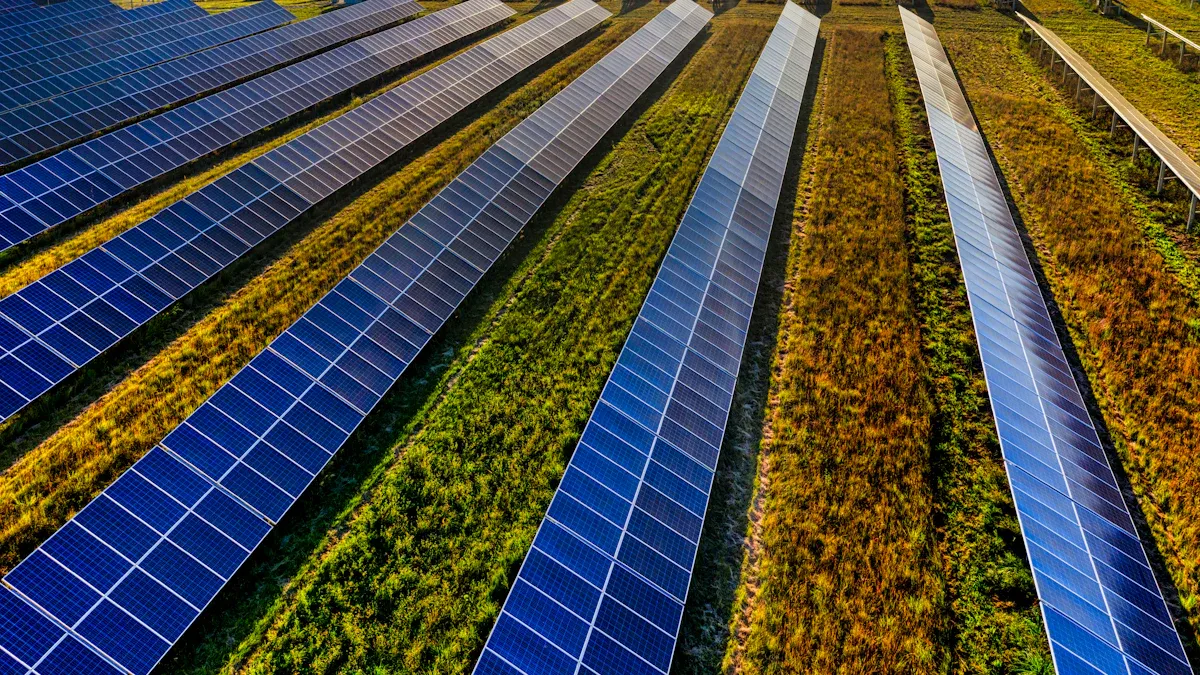
If you live off the grid, you need a battery you can trust. It should be easy to use and last a long time. You want enough energy for cloudy days. Here is a table to help you see your choices:
Battery Type | Advantages | Disadvantages |
|---|---|---|
Lead-Acid | Cost-effective, durable | Needs maintenance, short lifespan |
Lithium-Ion | High energy density, long lifespan, low upkeep | Higher initial cost |
Nickel-Iron (NiFe) | Very long lifespan, low maintenance | Lower energy density, high upfront cost |
Flow Batteries | Scalable, long cycle life, full discharge allowed | High upfront cost, lower energy density |
Lithium iron phosphate (LiFePO4) batteries are a good choice. They last 10 to 15 years and do not need much care. The BEINENG Home ESS uses this battery, so it is great for off-grid homes.
For backup power, you want a battery that is always ready. It should charge fast and work when you need it. Lithium-ion batteries are good for this job. They last for thousands of cycles and need almost no care. You can use up to 90% of their energy. These batteries keep your lights on during power outages. The BEINENG Home ESS can also give backup power and charge electric cars. This gives you more options for your home.
Tip: Pick a battery that charges fast and lasts many cycles for the best backup.
If you want to spend less money, lead-acid batteries may look good. They cost less at first but need more care and do not last as long. Lithium-ion batteries cost more at the start but save money later. They last longer and need less work. Here is a table to compare:
Battery Type | Upfront Cost | Lifetime Cost | Lifespan (Years) | Maintenance |
|---|---|---|---|---|
Li-ion | Higher | Lower | 10–15 | Low |
Lead-acid | Lower | Higher | 3–5 | Regular |
Think about how much you will spend over time, not just the first price.
Businesses need batteries that hold a lot of energy and last many years. Lithium-ion batteries, like LiFePO4, are popular because they are safe and last long. Flow batteries are also good for big jobs because they can be used over 10,000 times. When picking a battery for your business, look at how much energy it stores, how long it lasts, and if it works with your solar system.
Note: The BEINENG Home ESS can grow with your needs, so it works for homes and small businesses.
To get the Best Batteries for you, match what you need with the right battery. Think about how much energy you use, how often you need backup, and how much work you want to do.
You want the best battery for your solar system. First, think about how you will use your energy. Each battery type is good for a different job. The table below shows which battery is best for each use:
Application Type | Recommended Battery Type | Key Considerations |
|---|---|---|
Full-Time Off-Grid Systems | Lithium or High-Quality Flooded Lead-Acid | Daily deep cycling, high reliability, battery bank sizing, backup power sources, system monitoring. |
Occasional-Use Properties | Sealed Lead-Acid (AGM or Gel) | Lower upfront cost, minimal maintenance, self-discharge rate, resistance to freezing. |
Grid-Tied Systems with Battery Backup | Lithium | Long lifespan, high efficiency, rapid response time, integration with smart inverters. |
Emergency Backup Only | Sealed Lead-Acid | Lower upfront cost, maintenance during disuse, sizing for critical loads. |
Commercial or Industrial Applications | Application-Dependent | Peak power needs, energy management, scalability, compliance with codes. |
When you pick a battery, look at these important things:
Efficiency: Lithium batteries give you more energy to use. If you have 1,000 watts of solar power, lithium gives you at least 950 watts. Lead-acid batteries only give you 800 to 850 watts.
Depth of Discharge (DoD): You can use up to 80% or more of a lithium battery’s energy. Lead-acid batteries should only use about half their energy to last longer. For a 10kWh system, lithium gives you 8kWh, but lead-acid gives you 5kWh.
Maintenance: Lithium batteries need almost no care. Lead-acid batteries need you to check them often and sometimes add water.
Recycling and Safety: Lead-acid batteries are easy to recycle, but they have harmful materials. Lithium batteries are getting better at recycling and have less toxic stuff inside.
Tip: If you want a battery that lasts a long time, works well, and needs little care, lithium batteries like those in the BEINENG Home ESS are a smart choice.
Think about your budget, how much energy you need, and how much time you want to spend on care. The right battery will help your solar panels work their best and keep your home running well.
You have many choices when picking a battery for your solar panels. Lithium batteries work best for most homes because they last long, need little care, and give you more energy. Lead-acid batteries cost less but wear out faster. Flow batteries suit large projects. When you choose, think about cost, how much work you want to do, and what you need the battery to do.
Experts suggest you:
Pair solar panels with lithium batteries.
Use a smart energy management system.
Pick LFP batteries from trusted brands like BEINENG for safety and flexibility.
Lithium batteries last longer than other types. They are more efficient and need less care. These batteries hold more energy for your home. You can use them every day without problems. Most new home systems, like BEINENG Home ESS, use lithium batteries for these reasons.
Lead-acid batteries last about 3 to 5 years. If you use them a lot, they may not last as long. Using all their energy often can make them wear out faster. Checking them often helps you find problems early.
Flow batteries are best for big projects. You can use them at home, but they cost more money. They also need more room for their tanks. Most people pick lithium or lead-acid batteries for their homes.
Lithium batteries need very little care. Lead-acid batteries need you to check them and add water. Flow batteries need a check once a year. Always follow the maker’s instructions for the best results.
Most solar panels can work with lithium, lead-acid, and flow batteries. You need the right inverter and charge controller for your setup. Always check your battery and panel details before you connect them.


Compact, quiet, and powerful, it keeps your essentials running during outages and lets you charge anywhere with solar power or grid power.
Perfect for renters who need flexibility without compromise.
Our estimator is only set up to provide preliminary estimates and installer information to residents of single family homes.