
 Email Us
 Contact us
 Whats App
Single family home

Choosing a reliable telecom supplier for lithium batteries is important for your network’s future. You need to lower the chance of problems and keep things working smoothly. A reliable telecom supplier provides you with more than just products; they help you feel safe and calm. Consider these factors:
A reliable telecom supplier helps keep service running continuously.
A steady supply chain and strong battery performance from a reliable telecom supplier ensure your network remains operational.
5G networks require a reliable telecom supplier for effective energy storage.
Your choice of a reliable telecom supplier impacts every aspect of your telecom operations.
Pick a supplier who sells good lithium batteries. These batteries last a long time. You will not need to replace them often. This helps your network work better.
Find suppliers with safety certifications like IEC 62133 and CB. These certifications show the batteries are safe. They follow rules used around the world.
Choose batteries with high energy density. This lets you store more power in small spaces. It is important for city telecom sites with little room.
Think about the supplier's reputation and experience in telecom. A trusted supplier gives you good products and help when needed.
Look at the total cost of owning the batteries. This includes maintenance and replacement. Lithium batteries cost more at first. They save money in the long run.
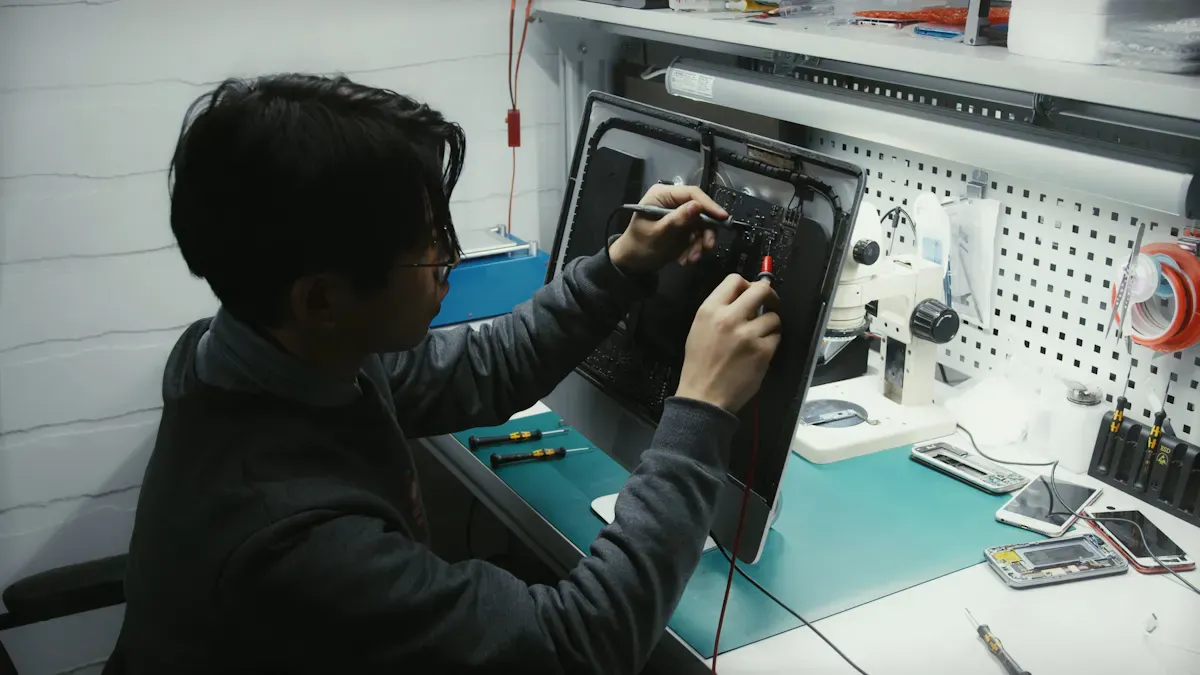
You want your telecom network to work all the time. Product quality and cycle life are very important. When picking a vendor, look for lithium batteries that last long and work well. Cycle life means how many times you can charge and use the battery before it stops working well. Good telecom batteries should meet or be better than industry standards.
Battery Type | Cycle Life (Charge-Discharge Cycles) |
|---|---|
Standard Lithium Batteries | 2,000 – 5,000 |
Modern Telecom Lithium Batteries | 4,000 – 7,000 |
Premium Models (e.g., LFP) | Exceed 10,000 |
A vendor like BEINENG Energy, Inc. gives you advanced lithium batteries. These batteries can be used thousands of times. This helps your network stay up and lowers how often you need new batteries.
You need to check for safety certifications and international standards when picking a vendor. These certifications show the battery is safe and high quality.
CB certification is important for lithium batteries. It proves the battery follows global rules, builds trust, and lowers the chance of recalls. This makes the brand stronger in world markets.
Meeting standards like IEC 62133 focuses on safety. It makes manufacturers responsible and checks if the battery is strong enough, which protects people.
A vendor with these certifications helps you feel safe and sure about their batteries.
Telecom sites do not have much space. You need batteries with high energy density to store more power in small places. This lets you put backup batteries in tight spots like rooftops or small cell sites.
Energy density is how much power fits in a certain size or weight. Higher energy density means more power in less space. This is important for telecom sites with little room. Lithium-ion batteries can hold up to three times more energy than lead-acid batteries. This means they take up less space. High energy density saves space and weight. It also gives longer backup times, which keeps your network running during power outages. In telecom, high energy density is great for places like rooftop stations or small cell sites.
Lithium-ion batteries have high energy density. They let you store more power in a small and light battery. This is perfect for telecom sites with limited space.
A vendor with small, stackable batteries helps you use your space well and keep your network powered.
Temperature changes how batteries work and stay safe. Pick a vendor whose batteries work well in many temperatures. The table below shows the best temperature ranges for telecom lithium batteries:
Temperature Range | Description |
|---|---|
20°C to 25°C (68°F to 77°F) | Best range for good performance and long life |
10°C to 20°C (50°F to 68°F) | Good range for storing batteries |
Above 45°C | Batteries can break down and become unsafe |
Below 0°C (32°F) | Batteries lose power and work less well |
High temperatures (above 30°C or 86°F) make batteries break down faster and can be unsafe.
Low temperatures (below 0°C or 32°F) make batteries less powerful.
Maintenance is also important. Lithium batteries need less care than old types. Look for a vendor with batteries that have smart management systems and clear maintenance steps.
Less maintenance is a big plus when picking telecom batteries.
Check batteries often, especially after bad weather.
Make sure battery cabinets have good airflow to stop heat.
Teach workers basic lithium battery safety and emergency steps.
Keep extra batteries and parts ready for quick fixes.
Follow the maker’s advice for updates and battery checks.
Lithium-ion batteries need less maintenance than lead-acid batteries. Their smart systems watch over the batteries and cut down on manual checks.
A strong battery management system keeps batteries safe and working well. The BMS watches and controls charging and using the battery. It balances cells and stops overcharging, overusing, and overheating. Ask your vendor about the BMS features in their lithium batteries.
Feature | Description |
|---|---|
Protection and Balancing | Stops overcharging, overusing, and too much current. |
Voltage and Temperature Regulation | Keeps cells safe. |
System Coordination | Makes sure all cells and modules work together. |
Lifecycle Optimization | Helps batteries last longer by keeping cells working evenly. |
Watches and controls charging and using
Can be custom with logging
Lets you check batteries from far away and fix problems early
Watches voltage, temperature, and charge cycles
Finds problems early to stop overcharging and overheating
BMS technology keeps batteries safe by stopping overheating and electrical problems. It helps batteries last longer by stopping overcharging and deep discharge. BMS keeps batteries working evenly by balancing cells.
You need to think about both the first price and long-term costs when picking a vendor. Total cost includes how often you replace batteries, maintenance, energy use, and how batteries lose power over time.
Factor | Description |
|---|---|
Replacement Cycles | Changing batteries often costs more. |
Maintenance | Lithium batteries need less care than lead acid. |
Energy Efficiency | Better charging and using saves money with lithium batteries. |
Performance Degradation | Lithium batteries lose power slower, so backup lasts longer than lead acid. |
Telecom operators must look at both first costs and long-term savings when picking lithium batteries.
Things like cycle life, maintenance, and total cost matter a lot.
Lithium batteries cost more at first, but last longer and need less care, so you save money over time.
Lithium systems usually cost less overall than lead-acid batteries over 10 to 15 years.
Choosing between LiFePO4 and lead-acid batteries should look at long-term returns, since LiFePO4 batteries are more efficient and last longer.
A vendor like BEINENG Energy, Inc. gives you solutions that help lower costs and make your network better over time. Using these points helps you pick the best telecom battery vendor for your needs.
You should check the supplier’s reputation and experience first. A good reputation means the supplier has given reliable batteries for a long time. Use the table below to help you decide:
Criteria | Description |
|---|---|
Experience, Expertise, and Capabilities | Find a supplier with a history of success and special skills in telecom battery solutions. |
Look for certifications and ways they check quality. | |
Delivery Timelines | Make sure the supplier can deliver on time and handle urgent orders. |
Reliability | Pick a supplier who delivers on time and fixes problems fast. |
Financial Stability | Check that the supplier is strong financially and can support your needs. |
Scalability | Make sure the supplier can grow with your network. |
Compatibility | The supplier’s products should match your technical needs. |
Customer Service | Good support and clear communication are important for telecom work. |
Innovation | Choose suppliers who work on new battery technologies. |
A supplier like BEINENG, with the PowerPack system, shows skill and new ideas in telecom battery solutions.
Ask for references and real case studies. You want to see how the supplier’s batteries work in real telecom setups. Look for:
Testimonials from other telecom operators
Examples of backup batteries used in tough places
Proof of long-lasting batteries and happy customers
You can ask to talk to current clients or read case studies. This step helps you check the supplier’s claims and see how their solutions, like BEINENG PowerPack, help telecom networks.
When you get proposals, compare them with a clear plan. Focus on these main points:
Key Element | Description |
|---|---|
Quality and safety | Look for strong quality checks and safety rules. |
Supply continuity | Make sure the supplier has plans for steady delivery and backup stock. |
Regulatory compliance | Check that all paperwork and packaging follow telecom rules. |
Evaluation framework | Use a scoring system to compare fit, price, and support. |
You should also check total cost, warranty, and support services. This helps you pick the best telecom battery solutions for your needs.
Visit the supplier’s facility or ask for an audit. During your visit, check these things:
Metric | Target Benchmark | Rationale |
|---|---|---|
On-Time Delivery Rate | >98% | Makes sure your telecom projects finish on time. |
Average Response Time | <4 hours | Shows the supplier fixes problems quickly. |
Customer Reorder Rate | >30% | Means customers are happy and trust the supplier. |
You should also check where raw materials come from, how they test batteries, and how they use machines in production. These steps help you make sure the supplier can give you safe and high-quality batteries for your telecom network.
Tip: Careful checking lowers risk and makes sure your backup systems work when you need them most.
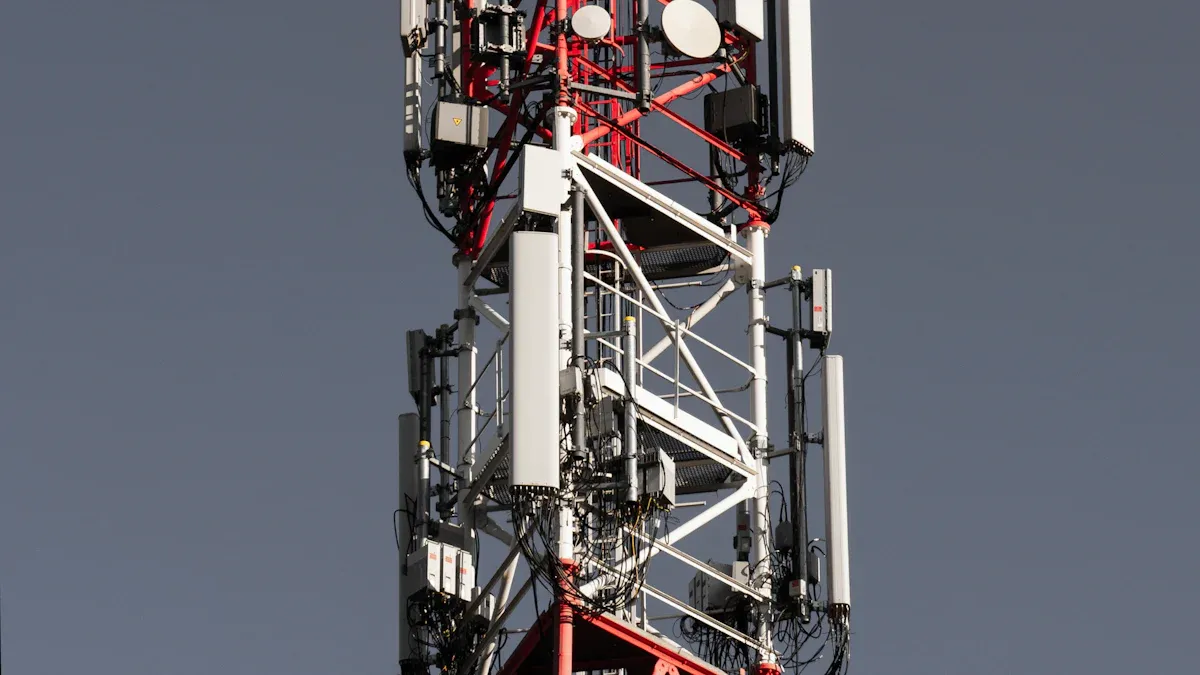
In cities, there is not much space for telecom equipment. Rooftops and small rooms are crowded. It is hard to fit big backup systems. You need batteries that are small but hold a lot of energy. Lithium batteries give more power in less space. This means you can keep your network working without using too much room. Some batteries can be stacked. This lets you add more if you need them later.
Some telecom sites are far away in mountains or on islands. These places do not have power from the main grid. Building new power lines costs a lot of money. It can also hurt nature. You can use solar or wind power with hybrid systems. Lithium batteries store extra energy from these sources. They last 8 to 12 years. You can use more of their power before needing to recharge. This means you do not have to replace them often. It saves money and keeps your stations working in hard places.
5G and busy networks need a lot of energy. They must have backup power for 2 to 8 hours. You should pick batteries with high energy density. This gives more power in a small size. Long cycle life means you do not change batteries often. Good temperature tolerance helps batteries work well in hot or cold weather. Battery Management Systems (BMS) keep batteries safe and working right. Lithium batteries do all these things better than old types. They help you give good service in busy places.
You may want to help the environment with your telecom work. Many suppliers now have programs to lower harm to nature.
Initiative | Description |
|---|---|
Lithium Recycling Programs | Telecom operators recycle batteries to help the planet. |
Energy-Efficient Solutions | New battery designs use less energy and make less pollution. |
You can pick batteries that help you reach your technical and green goals.
Battery technology for telecom networks is changing fast. New lithium-ion batteries have more energy and last longer. They work well even in tough places. LiFePO4 batteries give steady power in very hot or cold weather. Smart battery management systems help you spot problems early and follow safety rules. Modular designs let you change your battery setup as your network gets bigger. The table below shows how these new features make batteries better:
Technology Type | Benefits | Notes |
|---|---|---|
Lithium-ion Batteries | More energy, longer life, safer use | Best for telecom, especially in tough places. |
LiFePO4 Batteries | Steady power in extreme weather | Keeps network signals strong for base stations. |
Smart Battery Management | Finds problems early, follows safety rules | Stops risks like overheating and too much charging. |
Modular Designs | Easy to change as network grows | Lets systems grow and change as needed. |
You get faster charging and safer use. These new features help keep your telecom network working well.
There is more focus on being eco-friendly in telecom batteries. Operators use green ways to make batteries. Many companies pick recycled materials to cut down on waste. Getting raw materials in a safe way is important because of rules and what customers want. You see money spent on clean energy projects and energy-saving technology. These steps help lower pollution and reach green goals.
Telecom operators use green ways to make batteries, like using recycled materials.
Getting raw materials safely is growing because of rules and what customers want.
Spending money on clean energy and energy-saving technology lowers pollution.
You help make telecom greener by picking batteries that support eco-friendly goals.
Battery service and support are changing. Subscription plans give you steady payments and full help. Pay-per-use lets you pay only for the energy you use. Lease and rental plans let you get batteries without long contracts. Digital tools use cloud monitoring and smart checks to make service better. The table below explains these service choices:
Service Model | Description | Target Audience |
|---|---|---|
Subscription-based | Steady payments for full help | Big telecom companies and tower firms |
Pay-per-use | Flexible payments for energy used | Small businesses and those with changing needs |
Lease/rental | Get batteries without long contracts | New markets and test projects |
Digital Integration | Cloud monitoring and smart checks for better service | All types of users |
You get better help and faster answers. Digital tools let you check battery health and improve charging. These changes make it easier to manage telecom batteries and keep your network working.
You can pick a reliable telecom lithium battery supplier by using simple steps. First, check who makes the batteries and see if they know telecom work. Next, look at their battery technology, certifications, and how they keep quality high. Then, find out about their past projects and if they help customers for a long time. Compare how much it costs to own their batteries, not just the price you pay at first. Make a checklist for suppliers or try a small test with their batteries. This way, you can feel sure your network will work well now and later.
You need to look for IEC 62133 and CB certifications. These show the battery is safe and follows world rules. Always ask your supplier to show proof before you buy.
You can use a simple math formula:
Backup Time (hours) = Battery Capacity (Wh) ÷ Load Power (W)Check how much power your equipment uses and the battery size. This helps you plan how long your backup will last.
Cycle life means how many times you can charge and use the battery. If the cycle life is higher, you do not need new batteries as often. This saves you money and keeps your network working longer.
Check the battery’s health every month.
Keep batteries in a cool, dry place.
Use the battery management system to watch how batteries work.
Follow the supplier’s guide for taking care of batteries.
Criteria | What to Check |
|---|---|
Certifications | Safety and quality |
Cycle Life | How long batteries last |
Support | Customer service |
Cost | Total cost to own |
Look at these things to help you pick the best supplier.


Compact, quiet, and powerful, it keeps your essentials running during outages and lets you charge anywhere with solar power or grid power.
Perfect for renters who need flexibility without compromise.
Our estimator is only set up to provide preliminary estimates and installer information to residents of single family homes.