
 Email Us
 Contact us
 Whats App
Single family home

For years, most homeowners treated electricity as a fixed monthly expense. You paid the bill, expected the lights to stay on, and rarely thought about where the power actually came from. But that mindset is changing quickly.
Electricity prices have climbed in many countries over the past few years. At the same time, power outages caused by heat waves, storms, and aging grids are becoming more common. Add the rapid growth of rooftop solar, and suddenly, people are paying much closer attention to how energy is generated, stored, and used inside the home.
This is one of the biggest reasons smart home energy storage is growing so fast.
What's interesting is that homeowners are no longer satisfied with a basic backup battery sitting in the garage. The market has shifted. People now expect intelligent systems that can monitor electricity usage in real time, automatically optimize charging schedules, integrate with solar panels, and provide stable backup power when the grid goes down.
The rise of solar for home energy storage is changing the role of residential battery systems completely. Instead of sending unused solar energy back to the grid during the day, homeowners increasingly want to store that electricity and use it later at night when energy costs are higher.
At the same time, consumers are becoming more selective about usability. A modern battery system is expected to feel less like industrial equipment and more like part of a connected smart home ecosystem.
Today's homeowners are paying more attention to:
1.AI-based energy management
2.Real-time monitoring and app control
3.Quiet and user-friendly operation
For many households, the goal is no longer just backup power. It's energy independence, smarter electricity usage, and long-term savings.
The rapid growth of residential energy storage isn't happening because of a single trend. Several changes are happening at the same time, and together they are reshaping how people think about home electricity.
One of the biggest drivers is simple economics.
In many regions, electricity costs are rising faster than homeowners expected. Utility bills that were manageable a few years ago are now becoming a real concern, especially for families with electric heating, air conditioning, or electric vehicles.
As a result, homeowners are looking for ways to reduce dependence on expensive peak-hour electricity.
This is where an efficient home energy storage system becomes valuable.
Instead of relying entirely on grid electricity during high-cost evening hours, homeowners can store excess energy during the day and use it later when rates increase.
For households with solar panels, the advantage becomes even more obvious.
During the afternoon, solar systems often generate more electricity than the home actually needs. Without battery storage, much of that energy is exported back to the grid. With solar for home energy storage, that excess electricity can be stored and used later in the evening.
For many families, this leads to:
1.Lower electricity bills
2.Better use of solar power
3.Reduced grid dependence
Another major reason the market is growing is grid instability.
In some regions, power outages that used to happen once every few years are now becoming seasonal events. Heat waves overload electrical infrastructure. Storms damage transmission lines. Wildfires and extreme weather increase shutdown risks.
Homeowners are realizing that depending entirely on the grid may no longer be reliable.
Traditional fuel generators still exist, but many homeowners dislike them because they are noisy, require maintenance, and depend on fuel availability.
Battery-based backup systems solve many of those problems.
A smart residential ESS can automatically detect a power outage and switch into backup mode within seconds. Important household devices continue operating without interruption.
For most families, the priority is protecting essential equipment such as:
1.Refrigerators
2.Internet equipment
3.Home security systems
This quiet, automatic backup capability is becoming one of the strongest selling points in the smart home energy storage market.
Residential solar adoption has increased rapidly over the last decade, but solar panels alone don't fully solve household energy challenges.
The problem is timing.
Solar panels generate the most electricity during the middle of the day, when many homeowners are not consuming large amounts of power. Energy demand usually increases later in the evening.
Without storage, homeowners often send excess electricity back to the grid during the day and then buy electricity back at higher prices later at night.
That model is becoming less attractive.
This is why solar for home energy storage is gaining momentum so quickly.
Battery storage allows households to capture excess daytime solar production and use it later when needed. That improves solar self-consumption and increases overall energy efficiency.
Modern systems can also intelligently manage charging and discharging based on:
1.Household usage habits
2.Electricity pricing
3.Solar production forecasts
This level of automation simply wasn't available in earlier residential battery systems.
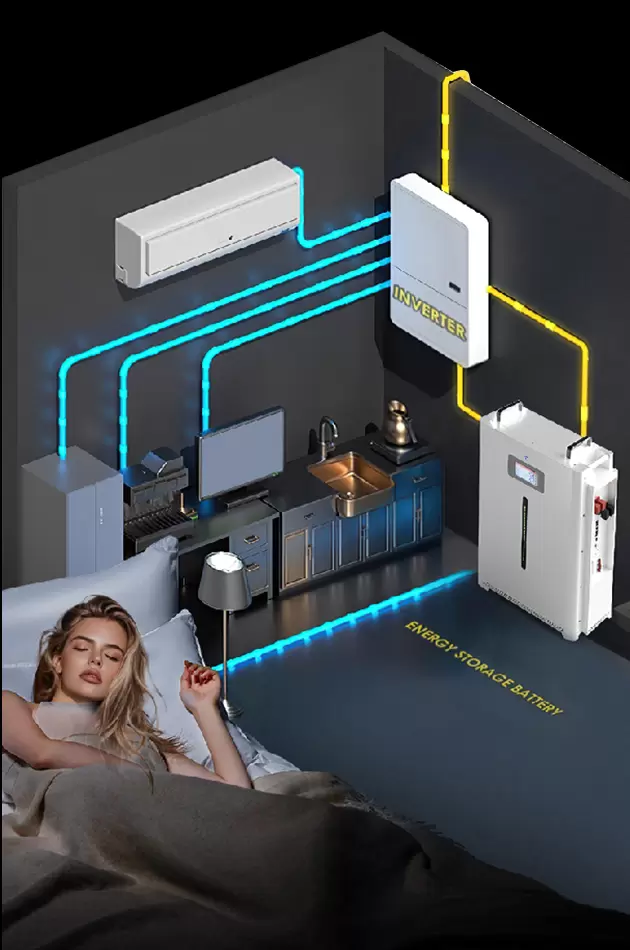
A few years ago, most residential battery systems focused mainly on technical specifications.
Manufacturers competed on:
1.Capacity
2.Charging cycles
3.Power output
Those things still matter, but the market has changed.
Today's homeowners expect more than raw battery performance. They want systems that are easier to understand, easier to monitor, and easier to live with every day.
Older systems often felt overly technical. Small screens, complicated menus, and limited monitoring tools made them difficult for average users.
Modern homeowners are no longer willing to accept that experience.
People already control lighting, security cameras, and appliances from their phones. Naturally, they expect energy systems to work the same way.
This is one reason touchscreen-based systems are becoming increasingly popular.
A touchscreen interface allows homeowners to quickly check:
1.Battery charge level
2.Solar generation
3.Household electricity usage
without needing technical knowledge.
The shift toward efficient home energy storage is no longer only about battery technology. It's also about user experience.
| Feature | Traditional ESS | Smart Home ESS |
|---|---|---|
| Operation | Button control | Touchscreen interface |
| Monitoring | Basic indicators | Real-time monitoring |
| Remote Access | Limited | App and WiFi control |
| Scheduling | Manual | AI intelligent scheduling |
| Interface | Technical | User-friendly |
| Backup Switching | Basic | Automatic |
This transition from hardware-focused products to intelligent energy ecosystems is one of the clearest signs of where the industry is heading.
Artificial intelligence is becoming one of the most important developments in modern residential ESS systems.
Earlier battery systems mainly stored electricity. Today's smart systems actively manage energy usage.
That difference is significant.
AI-based platforms can analyze:
1.Household electricity habits
2.Solar generation patterns
3.Peak electricity pricing
and automatically optimize system behavior.
For example, a smart system may decide to:
1.Store more energy before a storm
2.Avoid charging during expensive peak hours
3.Prioritize solar charging during sunny afternoons
Without AI scheduling, homeowners would need to manage many of these decisions manually.
This automation is one reason smart home energy storage systems are becoming more attractive to mainstream consumers.
One interesting trend in the industry is how monitoring changes homeowner behavior.
Once people can actually see how electricity is being used throughout the day, they tend to become much more energy conscious.
Modern systems provide detailed data through apps and touchscreen displays, including:
1.Solar production
2.Grid usage
3.Battery charging history
For many households, this visibility changes daily habits.
Some families shift appliance usage to daytime solar hours. Others become more aware of peak pricing periods and adjust consumption accordingly.
In that sense, efficient home energy storage is improving both technical efficiency and consumer awareness at the same time.
Technical performance still matters, but homeowners increasingly evaluate battery systems based on practical daily experience.
Many buyers are not energy experts. They want systems that feel intuitive and simple to use.
This is one reason touchscreen systems are growing in popularity. Compared with traditional button-based controls, touchscreens make monitoring and configuration much easier.
For families, ease of use matters more than many manufacturers originally expected.
Noise has become another major consideration.
Earlier battery systems sometimes produced noticeable cooling fan noise, especially during charging cycles.
As storage systems move into indoor residential environments, homeowners increasingly prefer quieter operation.
Manufacturers are now redesigning:
1.Cooling structures
2.Fan systems
3.Internal airflow
to reduce operational noise.
A quiet efficient home energy storage system fits much more naturally into modern living spaces.
Safety remains one of the biggest concerns in residential storage.
Modern systems increasingly include:
1.Thermal monitoring
2.Overcharge protection
3.Intelligent fault detection
Many manufacturers are also moving toward lithium iron phosphate battery technology because of its longer lifecycle and improved thermal stability.
For homeowners, reliability is just as important as performance.
The manufacturing side of the residential ESS industry is changing rapidly as well.
Factories are no longer only competing on battery capacity. They are redesigning systems around usability, integration, and long-term reliability.
One major shift is the move toward integrated smart energy ecosystems.
Instead of selling standalone batteries, manufacturers are increasingly combining:
1.Battery storage
2.AI energy management
3.Touchscreen controls
into unified platforms.
This creates a smoother user experience and simplifies system management.
Touchscreen systems are becoming especially important because they reduce operational complexity while making energy data easier to understand visually.
The broader trend is clear: residential storage systems are becoming consumer-oriented smart devices rather than purely industrial equipment.
Consider a family living in a suburban home with rooftop solar panels.
During the day, the solar system generates more electricity than the household consumes. Instead of exporting all excess power back to the grid, the family stores that energy in a home battery system.
In the evening, when electricity prices rise, the stored solar energy powers:
1.Lighting
2.Refrigerators
3.Internet equipment
If a storm causes a blackout, the system automatically switches into backup mode.
The homeowners can monitor everything through a mobile app or touchscreen display, including:
1.Battery status
2.Solar generation
3.Household consumption
This kind of solar for home energy storage setup is becoming increasingly common because it provides both economic and practical benefits.
As the market grows, homeowners are paying closer attention to product quality and usability.
| Feature | Why It Matters |
|---|---|
| AI energy management | Improves efficiency |
| Touchscreen interface | Easier operation |
| Remote monitoring | Better visibility |
| Quiet operation | Better comfort |
| Safety protection | More reliable operation |
| Solar compatibility | Maximizes solar usage |
Battery chemistry also matters.
Many modern efficient home energy storage systems now use LiFePO4 batteries because they offer:
1.Longer cycle life
2.Better thermal stability
3.Lower maintenance needs
User experience is also becoming a major competitive factor.
Homeowners increasingly prefer systems that are simple, connected, and easy to manage over purely technical products with complicated interfaces.
The residential energy market is moving toward a much more intelligent future.
Battery systems are no longer developing as isolated products. They are becoming central components of connected home energy ecosystems.
Future systems will likely integrate even more deeply with:
●Smart home automation
●AI optimization software
●Predictive energy management
At the same time, the market for solar for home energy storage is expected to continue expanding as solar adoption grows worldwide.
Battery technology is improving, software platforms are becoming smarter, and homeowners are becoming more comfortable managing their own energy usage.
What once felt like specialized technology is gradually becoming mainstream residential infrastructure.
The demand for efficient home energy storage solutions will likely continue growing as families look for:
●Lower electricity costs
●Better backup protection
●Greater energy independence
The industry is no longer simply selling batteries.
It is building smarter energy systems for modern homes.


Compact, quiet, and powerful, it keeps your essentials running during outages and lets you charge anywhere with solar power or grid power.
Perfect for renters who need flexibility without compromise.
Our estimator is only set up to provide preliminary estimates and installer information to residents of single family homes.