
 Email Us
 Contact us
 Whats App
Single family home

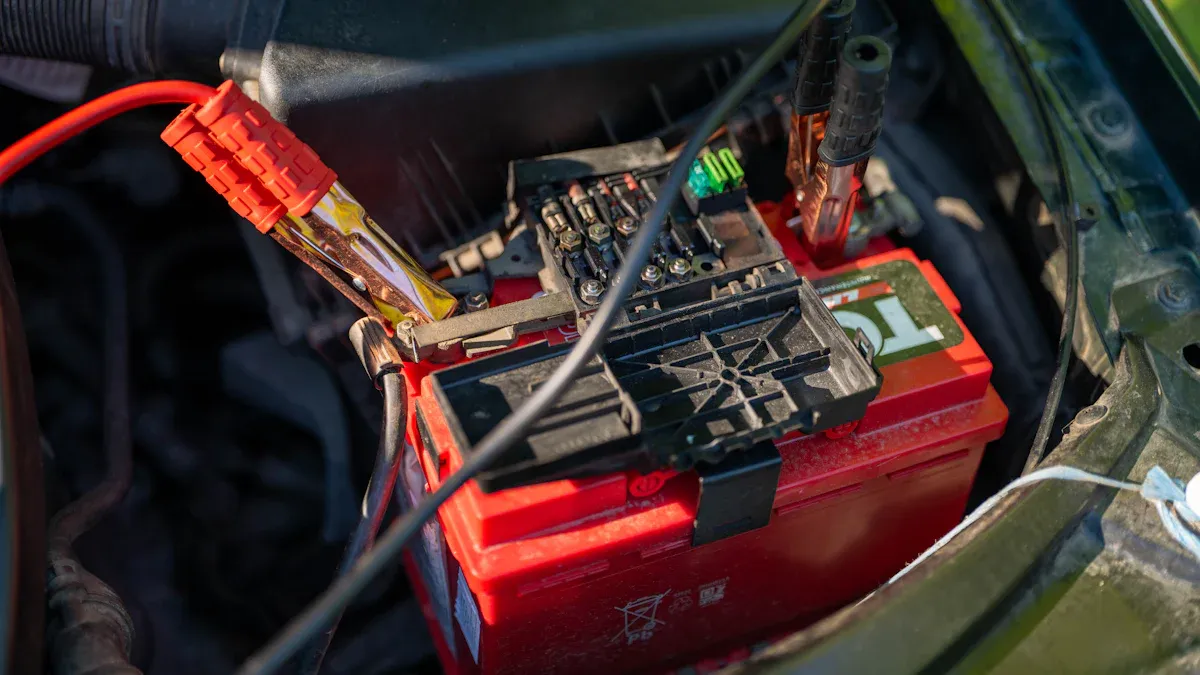
You want the most reliable residential solar battery banks for your house. Experts and reports say Tesla Powerwall 3, Enphase IQ 5P, Panasonic EverVolt, and BEINENG Home ESS are top picks for home battery storage. Reliability is important because you need battery storage for backup power and steady energy. Most battery energy storage systems fail less than 1% each year and work over 99% of the time. You should think about your energy needs, solar setup, and budget before picking a solar battery backup system for your home.
Here are the top-rated systems for reliability:
Rank
Company
Best Solar Battery
1
Tesla
Powerwall 3
2
Enphase
IQ 5P
3
Panasonic
EverVolt
4
BEINENG
Home ESS
Think about how much energy you use and how much money you can spend when picking a solar battery. This helps you get a system that works for your house and the way you live.
Choose lithium iron phosphate (LFP) batteries because they last a long time and are safe. They do not need as much care as other batteries and work for more years.
Look at how long the warranty lasts before you buy. A longer warranty means the company trusts their product to work well.
Use the apps that come with battery systems to check how much energy you use and store. This makes it easier to control your energy and makes sure you have backup power if you need it.
Learn how the battery works with your solar setup. If the system matches well, you will use more energy and have good backup power when the lights go out.
You want your solar battery bank to give you steady power. Performance depends on what the battery is made of and how it works every day. Lithium-ion batteries, especially ones with lithium iron phosphate (LFP), are very good. LFP batteries are efficient and last a long time. They can work for 15 to 20 years. They can handle 6,000 to 10,000 charges before they lose some power. After that, they still keep 70-80% of their power. These batteries cost more at first. But they last longer and need less fixing, so they are a smart choice.
LFP batteries are efficient.
They need less fixing than lead-acid batteries.
You get more charges and more years.
How long your solar battery bank lasts decides when you need a new one. Most home batteries last 5 to 15 years, says Sunrun. Some lithium-ion batteries can last up to 25 years. You should check what kind of battery it is and how long it will last before you buy.
Battery Type | Lifespan (Years) | Warranty (Years) |
|---|---|---|
Lithium-ion | 10-25 | 10 |
Lead-acid | 5-15 | N/A |
Flow | 5-15 | N/A |
Safety is very important for people who own homes. Good solar battery banks use lithium iron phosphate (LiFePO4) to make explosions less likely. Many systems have fire suppression, automatic disconnect switches, and surge protectors. These things help keep your home safe and your energy working well.
LiFePO4 batteries make explosions less likely.
Fire suppression helps stop fires.
Automatic disconnect switches and surge protectors make things safer.
A strong warranty means the company trusts their product. Longer warranties, from 5 to 25 years, mean the battery should work well and last longer. You should pick a warranty that matches how long the battery will last. Warranties help you feel safe and protect your money.
Warranties show the battery is reliable.
Longer warranties give better protection.
You feel safe with a good warranty.
You want a system that is easy to use and reliable. BEINENG Home ESS has everything in one package. It gives you solar power, battery storage, and electric vehicle charging. You can control your energy with the myBeineng App. The app lets you see how much energy you use. You can change your energy use with the app. BEINENG Home ESS works in different ways. You can save solar energy for later. You can use backup power if the lights go out. You can lower your utility bills. The BEINENGStor gives you five things in one system. It helps with storage, charging, and energy use. You can add more if you need it. BEINENG gives you strong backup and helps you use less grid power. You can trust BEINENG for steady power and smart energy use.
Tip: Use the app to check your battery storage. This helps make sure your home always has backup power.
Tesla Powerwall 3 is one of the best for home battery storage. It gives you a lot of energy and strong backup. Powerwall 3 stores 13.5 kWh and gives 11.5 kW of power. You can put up to 10 units together for more storage. The app helps you manage your battery and see your energy use. Tesla gives you a 10-year warranty. This shows they believe in their product.
Pros | Cons |
|---|---|
10-year warranty | Very expensive |
Stack up to 10 | May take time to install |
App for power management | |
Great power distribution |
You get lots of energy and steady power.
You can watch and control your battery with the app.
Enphase IQ 5P is a battery system you can make bigger. You can add more batteries up to 80 kWh for big homes. The battery has a 15-year warranty and covers 6000 cycles. After 15 years, you still get at least 60% battery power. Enphase gives you good monitoring and works with IQ8 Series Microinverters. You can count on Enphase for backup and steady power.
“More than 100 places use Enphase off-grid today. They work well in real life. The Enphase Energy System gives power all day and night. You can control everything with one app.”
You can add more batteries as you need them.
You get a strong warranty and good monitoring.
Enphase is good for backup and home battery storage.
Panasonic EverVolt is known for being reliable. You get a 12-year warranty for free. Panasonic has advanced features like AC and DC coupling. This makes the system work well with many solar setups. Panasonic has made good battery storage for a long time.
Brand | Warranty Length | Notes |
|---|---|---|
Panasonic | 12 years | Longer warranty at no extra cost |
Sonnen | 15 years | Longer warranty at no extra cost |
Industry Avg | 10 years | Standard warranty for home batteries |
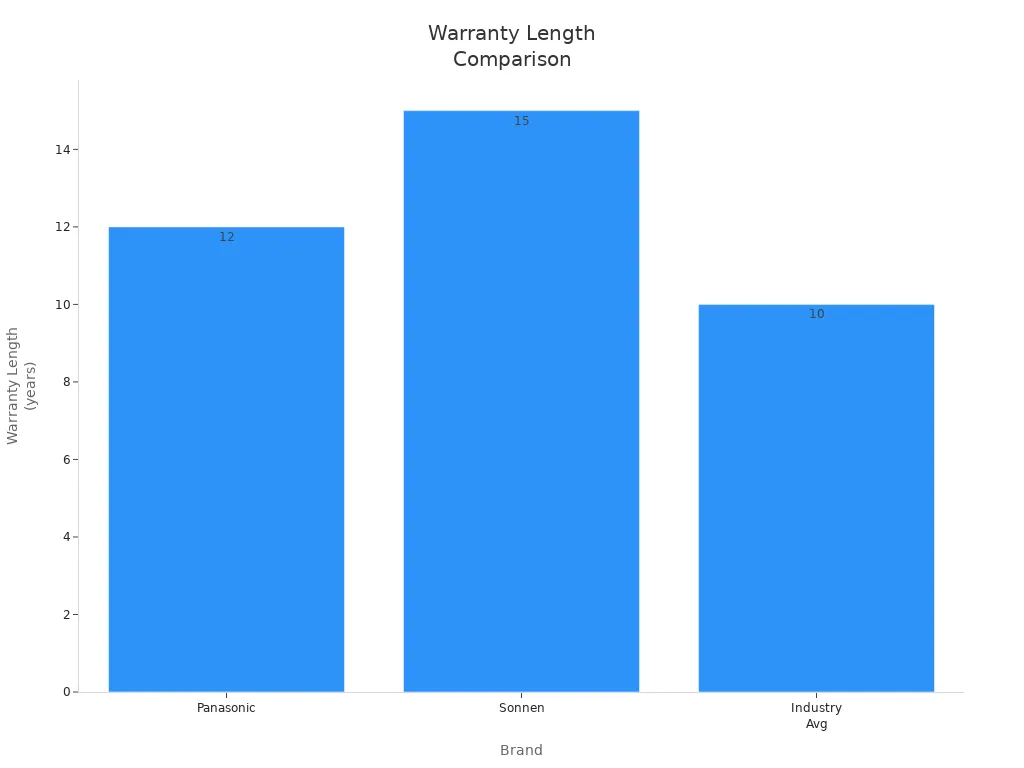
Panasonic EverVolt gives you reliable storage and strong backup.
You can use AC or DC coupling for better battery systems.
SolarEdge Home Battery is very efficient and easy to use with solar. You get control over each module with power optimizers. The Home Hub Inverter gives 94.5% efficiency. You can stack three batteries on one inverter. Each battery stores 9.7 kWh. SolarEdge works for just storage, part of your home, or your whole home. You can install it fast with wireless setup and flexible mounting.
Feature | Description |
|---|---|
Power Optimizers | Control each module, works well with shading and big panels. |
Home Hub Inverter | Gives 94.5% efficiency for more energy, on or off grid. |
Home Backup Interface | Lets you use backup and supports up to three inverters. |
Home Battery | Stack three batteries on one inverter, 9.7kWh each. |
Efficiency | 94.5% efficiency saves more energy. |
DC Oversizing | Lets you use up to 200% more sunlight. |
Installation | Fast setup with less wiring, wireless and flexible mounting. |
Configurability | Works for storage only, part, or all of your home. |
You get high efficiency and many ways to store energy.
SolarEdge gives you backup and works well with your solar battery.
EG4 WallMount is small and does not cost a lot. It is efficient and safe. You can add more batteries if you need them. EG4 WallMount works for many uses. It gives you backup for your home. The screen and buttons are not the best. It is not good for very big energy needs.
Strengths | Weaknesses |
|---|---|
Efficient and safe | Bad screen and buttons |
Small and light | Not good for big loads |
Good price | Not for high-capacity systems |
You can add more batteries | N/A |
Works for many uses | N/A |
EG4 WallMount gives you cheap storage and backup for your home.
Villara VillaGrid is a good choice for home battery banks. It is easy to use with solar panels. VillaGrid gives you backup and storage for your home. It uses lithium iron phosphate batteries for safety and long life. You can trust VillaGrid for steady power and energy safety.
VillaGrid gives you safe and steady battery storage.
You can use it with your solar setup and get strong backup.
FranklinWH aPower 2 is a strong battery system for homes. It works from -4F to 130F. The system gives 10 kW discharge and 8 kW charge. You can stack up to 15 units for more power. This gives you up to 225 kWh total. FranklinWH aPower 2 meets many safety rules like UL and IEEE.
Feature | Details |
|---|---|
Operating Temperature Range | -4F to 130F |
Discharge Rate | 10 kW |
Charge Rate | 8 kW |
Maximum Stackable Units | Up to 15 units |
Total Capacity | Up to 225 kWh |
Safety Certifications | UL 9540, UL 9540A, UL 1973, UL 1741, UL 1741 SB, UL 1741 PCS, IEEE 1547, IEEE 1547.1, UN 38.3, CSA C22.2 No. 107.1:16 |
FranklinWH aPower 2 gives you strong storage and backup.
You get high capacity and many safety rules for peace of mind.
Note: Pick the best solar batteries for your needs and home. Each backup system has special features for reliable power and storage.
You need to check the battery chemistry before you pick a system. The battery type changes how long it lasts and how safe it is. It also affects how well it works with your solar setup. Here is a table that shows the main types used in home battery storage:
Battery Type | Longevity | Efficiency | Safety Features |
|---|---|---|---|
Lead-Acid | Shorter lifespan | Moderate | Basic safety features |
Lithium-Ion | Over 10 years | High | Thermal runaway protection, flame-retardant materials, IP67 protection |
Lithium Iron Phosphate | Over 10 years | High | Excellent heat resistance, overcharge tolerance |
Lithium iron phosphate batteries are the safest and last the longest. Most top solar battery systems use this chemistry for steady power.
Cycle life means how many times you can charge and use your battery. Most home battery systems last for thousands of cycles. Companies like Tesla and LG promise your battery will keep at least 60% or 70% of its power after a set number of cycles. If you use your battery every day, more cycles mean more years of steady power.
Battery life depends on how many cycles you use.
Warranties often promise a certain storage level after many cycles.
Depth of discharge (DoD) shows how much battery power you use each time. Using more power in one cycle can make your battery wear out faster. Here is a table to help you see the difference:
Depth of Discharge | Estimated Cycle Life |
|---|---|
80% | 3,500 cycles |
100% | 2,000 cycles |
If you keep DoD between 80% and 90%, you get good storage and longer battery life. Lower DoD puts less stress on your battery and helps it last longer. Using all your battery power too often can make it fade faster.
100% DoD uses all your storage, but shortens battery life.
Shallower discharges help your storage last longer.
You want your battery to work well with your solar and home power. Good integration lets you use more solar energy and gives backup during outages. When you pair battery storage with solar, your home can run even if the grid is down. This makes your battery more reliable and gives you more control.
Safety is very important for home battery storage. You should check for important certifications before you buy. These certifications show your battery meets strict safety rules and works well with your home.
Certification | Description |
|---|---|
IEC 62109-1 & 2 | Makes sure power converters avoid electrical, thermal, or mechanical hazards |
UL 9540 | Checks the whole storage system for safe fault detection and response |
UL 1973 | Tests battery packs for common failure safety |
UL 1741 | Ensures inverters manage power flow safely |
System-level certification is important because it proves all parts work safely together. Insurance and local rules often need these certifications for home battery storage. This helps keep your home safe and your battery reliable.
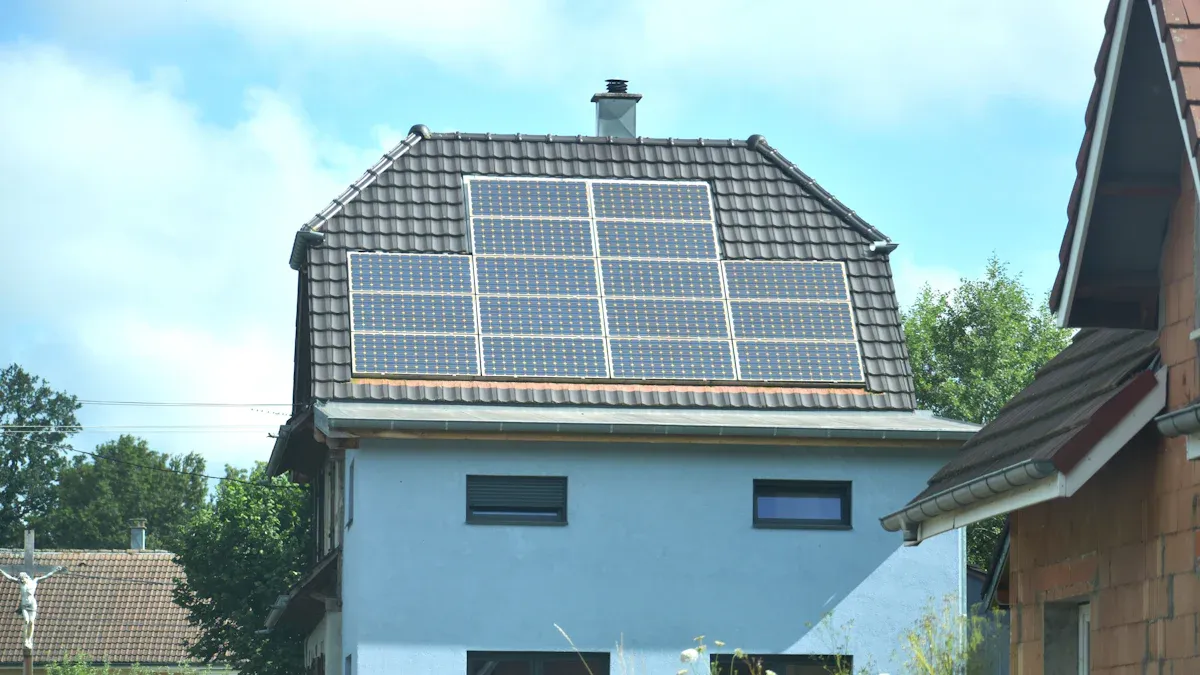
You want your house to have power when the grid fails. Home battery storage helps keep your lights and fridge on. It also keeps your phone charged. The best solar battery systems make a mini-grid for your house. This gives you backup power if the main grid stops working.
Here is how battery storage works in outages:
Metric | With Battery Storage | Without Battery Storage |
|---|---|---|
Solar Self-Consumption Rate | 80-90% | 30-40% |
Critical Load Coverage During Outages | 12-24 hours | N/A |
System Reliability for Critical Loads | 99.9% | N/A |
Average Outage Duration Supported | 3.2 days | N/A |
Hybrid solar battery storage keeps your house running in long outages.
One family used battery storage for 54 hours during a storm.
Their important devices stayed on, showing battery storage is reliable.
You need to care for your home battery storage to keep it working. Regular checks help you find problems early. Most systems need easy jobs like checking alerts, cleaning, and looking at connections. You can do some jobs, but a technician should check once a year.
Frequency | Tasks | Performed By |
|---|---|---|
Monthly | Visual inspection, check for alerts, clean exterior | User |
Quarterly | Check connection tightness, review performance logs | User / Installer |
Annually | Full system diagnostic, firmware updates, torque checks | Qualified Technician |
The battery management system keeps your battery safe. It stops too much or too little voltage, which can hurt battery cells.
Good care keeps your battery ready for outages and backup power.
You want a battery storage system that works when you need it. Many people say battery storage gives them peace of mind. They like knowing their house will have backup power for days. Users also like seeing their solar energy stored for backup. Most people think the systems are easy to use, especially with apps that show battery status. You can trust modern battery storage to keep your house safe and powered in outages.
You should think about the cost before buying a battery. Prices are different for each battery type, size, and brand. Some batteries are cheaper but do not store much energy. Other batteries cost more but give you more backup and power. Here is a table that shows how much some solar batteries cost:
Product Model | Battery Type | Capacity | Price (USD) | Application Scenario |
|---|---|---|---|---|
JM-W-51.2V100Ah | LiFePO4 | 5kWh | 780 | Wall-mounted home solar backup power |
48V 300Ah LiFePO4 Battery Pack | LiFePO4 | 15kWh | 1,605 | Moveable large-capacity home solar storage |
Tesla Powerwall 3 | Lithium-ion | 13.5kWh | 9,300 (base) | Whole-home solar backup and energy use |
Enphase IQ Battery 5P | Lithium-ion | 4.96kWh | 3,000 - 5,000 | Modular solar storage for homes |
Bluetti EP900 | Lithium-ion | 9-18kWh | 10,300 - 17,300 | Off-grid and backup solar power systems |
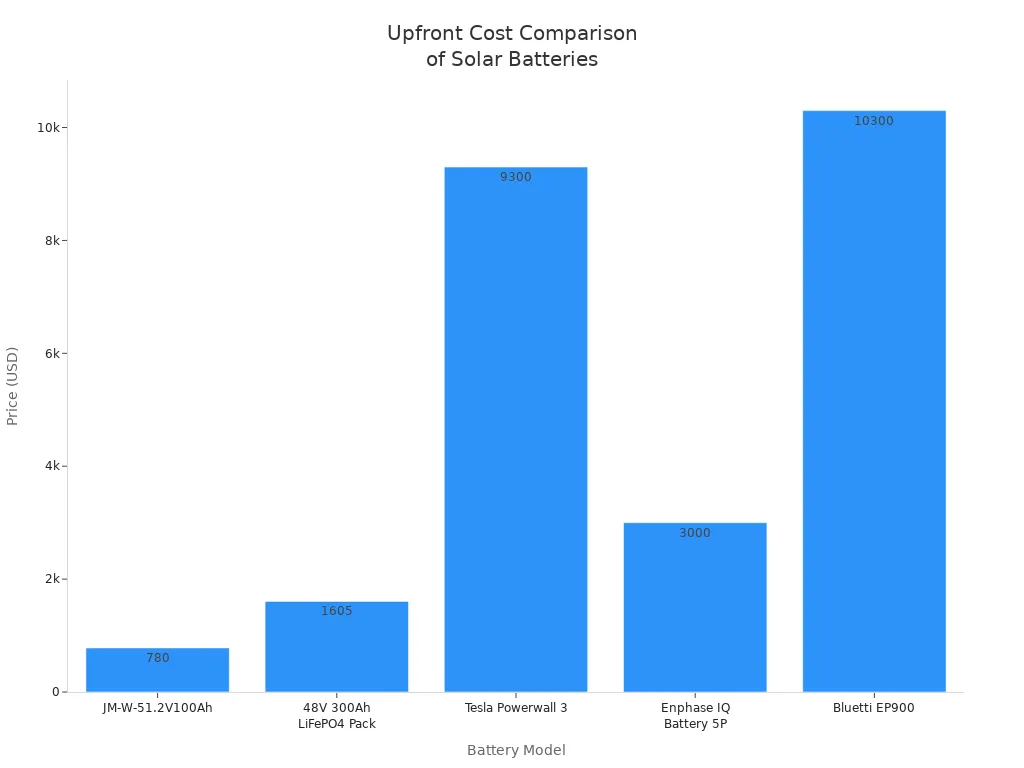
Bigger batteries cost more money. You get more value if you use your battery for backup and daily solar energy.
You want your battery to last a long time. How long it lasts depends on the battery type and how you use it. Batteries that last longer give you more value and steady power. Here is a table that shows how long different batteries can last:
Battery Type | Lifespan (Years) | Notes |
|---|---|---|
Lithium-ion | 10 to 15 | Good performance, 10-year warranty |
Lead-acid | 5 to 10 | Lower cost, needs more care |
Saltwater | 12 to 20 | Durable, newer technology |
Flow | 20+ | Long life, needs more space and higher investment |
If you pick a battery that lasts longer, you save money over time. You also get better backup and storage for your house.
You should know that batteries can affect the environment. When you add battery storage to your solar system, you use more minerals and energy. Here are some important facts:
Battery storage with solar makes global warming potential go up by 73%.
Using batteries means you use 739% more minerals.
All types of toxicity get higher with battery storage.
The energy payback time gets longer, from 3.71 years to 6.74 years.
The energy return on investment goes down from 5.38 to 2.96.
The cost of energy goes up when you add battery storage.
You get more backup and power for your house, but you should think about these effects. Picking batteries that last longer and use safe materials can help lower harm.
Tip: Try to find batteries with recycling programs and safe chemistry to help the environment.
First, look at how much energy your home uses. Think about when you use the most power. Check if you use more in the day or at night. The battery should match your solar panels and your daily habits. A good battery lets you save extra solar energy. You can use this energy if the grid stops working. You want a battery that gives steady power and fits your house.
Factor | Description |
|---|---|
Your Home Energy Needs | Match battery to your home’s power use, especially during peak hours. |
Grid and Energy Stability | Choose a battery that keeps power flowing during outages and manages energy costs. |
Lifespan, Warranty, UL Listings | Pick batteries with long life, strong warranty, and safety certifications. |
Capacity and Power Ratings | Make sure the battery’s storage and power ratings fit your home’s needs now and in the future. |
See if the battery works with your solar panels and inverter. Some batteries need special parts to work right. You want a battery that connects easily to your home system. Look for batteries that let you use an app to check energy. Smart energy management is helpful. Make sure the battery can handle your solar power and give backup when needed.
Tip: Ask your installer if the battery fits your solar setup and meets your home’s power needs.
Think about how much the battery costs. Look at the price, how long it lasts, and the warranty. Check how much energy the battery can store. The power rating shows how fast it can charge or give power. Pick a battery that is a good deal and meets your energy needs.
Consideration | Description |
|---|---|
Initial Costs | The price you pay for the battery and installation. |
Lifespan | How long the battery will work well in your home. |
Warranty | The promise from the company about battery performance. |
Capacity | How much energy the battery can store for your home. |
Power Rating | How quickly the battery can charge or give power to your appliances. |
Here are steps to help you pick the best battery:
Learn how much energy you use and match the battery size.
Check how long the battery lasts and its warranty.
Think about upgrades and new technology for the future.
Ask experts for help with battery size and choice.
Plan where to put the battery and how to keep it cool.
Set up ways to check and care for your battery.
Note: Write down when you use the most energy and see how much solar power you can store. This helps you pick the right battery and get the most from your solar system.
You now know about the best home battery storage systems. Some top choices are BEINENG Home ESS, Tesla Powerwall 3, Enphase IQ 5P, and Panasonic EverVolt. When picking a solar battery, check how well it works, how long it lasts, if it is safe, and what warranty it has. BEINENG Home ESS or EG4 WallMount are good for small homes. If your house is big, you might need Tesla Powerwall 3 or FranklinWH aPower 2. Make sure you think about how reliable the battery is, how much it costs, and if it works with your solar setup.
Tip: Write down how much solar energy you use before buying a battery. This will help you choose the right system for your home.
A solar battery bank saves energy from your solar panels. You can use this energy when it is dark or during blackouts. It helps keep your house powered and makes you use less grid electricity.
Most home solar batteries work for 10 to 15 years. You should check the warranty for the exact time. How long a battery lasts depends on how much you use it and what kind it is.
Yes, you can use solar batteries if the power goes out. The battery gives your house backup power. You can keep your lights and important things working until the grid comes back.
You can watch your solar battery system with an app or a screen. The app shows how much energy you have and use. You can see the battery status and change settings easily.
Solar battery banks are safe if you pick certified systems. Look for safety parts like fire suppression and automatic disconnect switches. Always follow the rules for installation and use trained installers.


Compact, quiet, and powerful, it keeps your essentials running during outages and lets you charge anywhere with solar power or grid power.
Perfect for renters who need flexibility without compromise.
Our estimator is only set up to provide preliminary estimates and installer information to residents of single family homes.