
 Email Us
 Contact us
 Whats App
Single family home

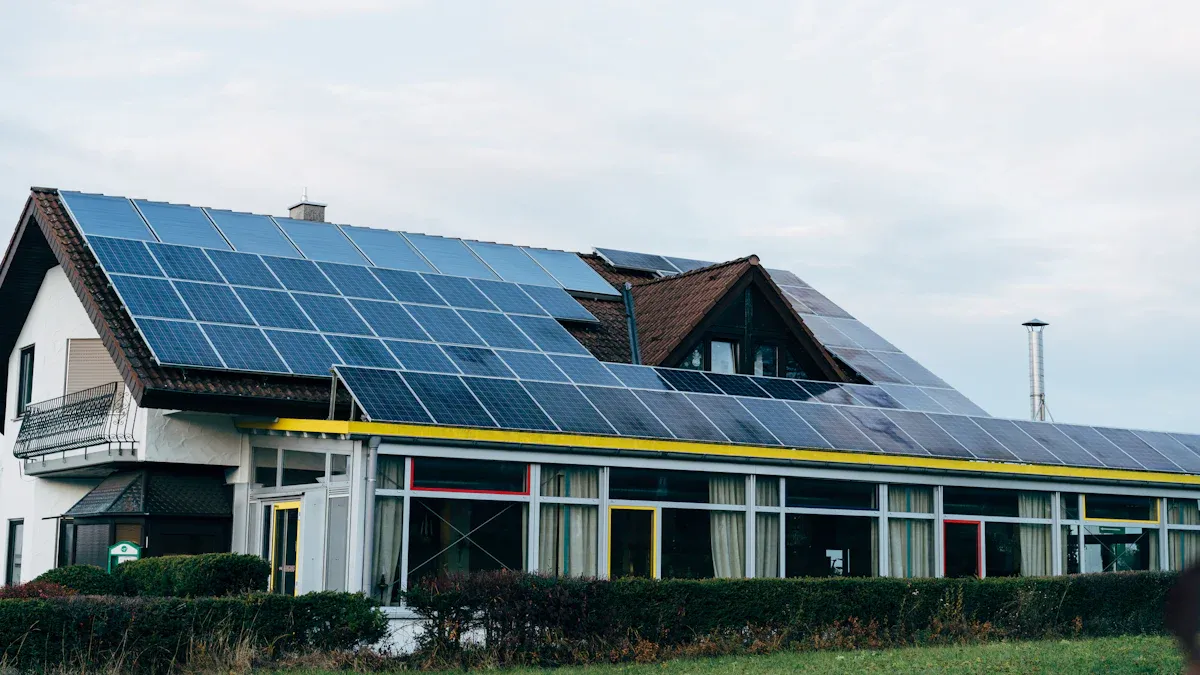
You want to know which home solar batteries are best for energy independence in 2026. The BEINENG Home ESS is a top choice. More people now pick all-in-one systems. These systems make smart energy management easy. The market is changing. Tesla still has the biggest share. But new choices like BEINENG are getting noticed.
Brand | Market Share (%) | Change from 2024 |
|---|---|---|
Tesla | 59 | -4 |
Enphase | 25 | -4 |
The number of people using home solar batteries went from 6% in 2020 to 40% in 2025.
Many homeowners now want to be self-sufficient and not rely on the grid.
Picking the right battery helps you save money. It also lets you control your energy use at home.
Home solar batteries, such as BEINENG Home ESS, help your home use its own energy. They let you manage your power in a smart way.
Picking the best battery can help you save money. It gives backup power if the lights go out. This keeps your home working.
Brands like Tesla, Panasonic, and Generac have good batteries. They use new technology and offer strong warranties.
Look for features like app control and upgrade choices. Backup power is also important when you pick a solar battery system.
Using solar battery storage means you need the grid less. It lowers your electric bill and helps the planet.
There are many solar battery brands to pick from. Some brands are better because they use great technology and give good value. They also work very well. The table below lists the top brands and what makes them special:
Brand | Strengths |
|---|---|
Tesla | Advanced technology |
Panasonic | Outstanding value |
Generac | Most efficient |
LG | Best customization options |
These brands are leaders in home battery storage. They give you strong performance and help when you need it. You can trust these brands if you want energy independence.
The BEINENG Home ESS is a full solution for home battery storage. It puts solar power, energy storage, and EV charging together. You can use the myBeineng app to check and control your energy from anywhere. The system changes to fit your life and grows with you. You get backup power if the lights go out. You can also manage your energy to save money.
BEINENG Home ESS is special because it is all-in-one. You can set it up fast and start using it right away. It works with other BEINENG products like the EV AC Charger and Hybrid Inverter. This makes a smart energy system in your house. You can feel safe and move closer to energy independence.
You should look at the best solar batteries before you buy. Each system has different features like app use, backup power, and the ability to add more batteries. The table below shows prices and warranty details for some popular choices:
Product | Price Range | Warranty Terms |
|---|---|---|
Tesla Powerwall 3 | $9,000–$11,000 | 10 years, 70% efficiency guarantee |
Bluetti EP900 | Starts near $7,000 | Not specified |
BEINENG Home ESS | N/A | N/A |
BigBattery | N/A | N/A |
Signature Solar | N/A | N/A |
Most top home battery systems let you add more batteries later. This helps if you start using more energy. Many systems, like Tesla Powerwall 3 and Bluetti EP900, work with smart apps. You can set EV charging for when your solar panels make the most energy. This helps you use your solar power better.
Tip: When picking a home battery system, look for things like app checks, easy upgrades, and backup power. These features help you get the most for your money.
The best solar batteries for 2026 give you choices, smart controls, and strong backup power. You can find a system that fits your budget and energy needs. Home solar batteries now have more options, so it is easier to control your energy future.
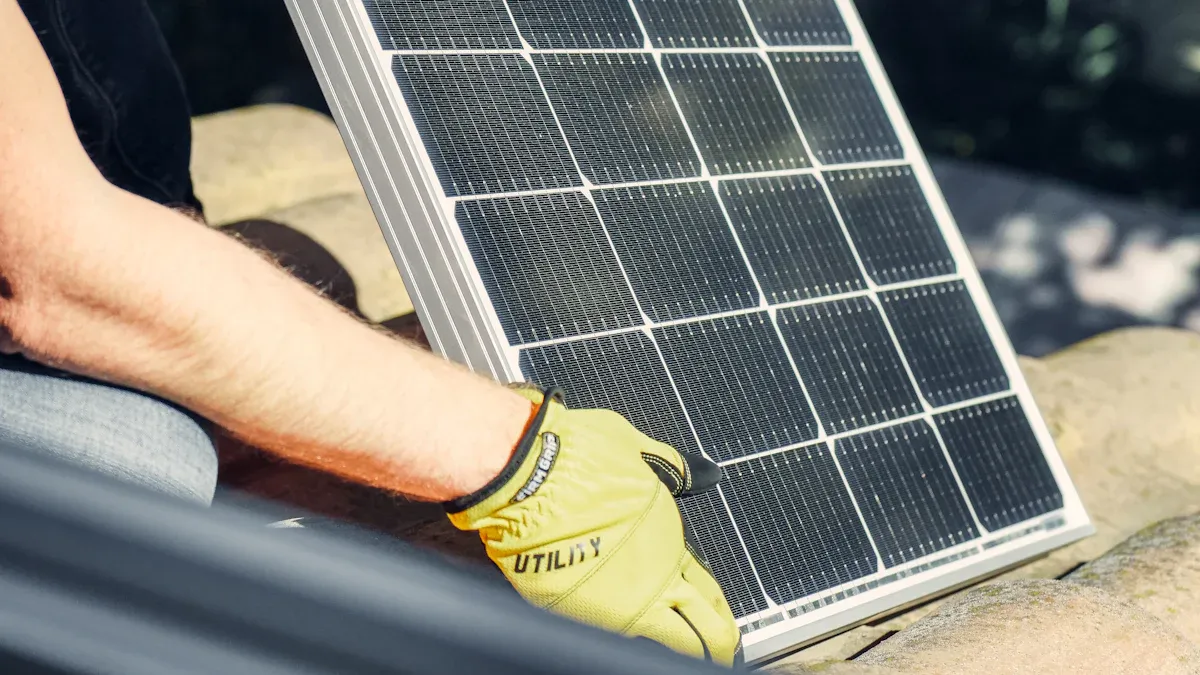
Solar battery storage lets you save energy from the sun. Here is how it works:
Solar panels on your roof catch sunlight. They turn sunlight into electricity.
This electricity is called direct current (DC).
An inverter changes DC into alternating current (AC). AC is what your home uses.
If you do not use all the electricity, the extra charges your battery.
When it gets dark or cloudy, your battery gives you stored energy. This keeps your lights and appliances working.
A battery energy storage system often uses lithium-ion batteries. These batteries move lithium ions through a liquid called an electrolyte. This movement makes free electrons. Free electrons store electricity. You can charge and use these batteries many times.
Note: Solar battery storage helps you use more of your own solar power. It also helps you depend less on the grid.
You can pick grid-tied or off-grid solar batteries. Each type has its own good points and costs.
Feature | Off-Grid ESS | Grid-Tied ESS |
|---|---|---|
Upfront Cost | Higher (needs bigger battery and strong parts) | Lower (grid helps, smaller battery is enough) |
Long-Term Cost | No utility bills, more maintenance | Lower bills, some grid fees |
Energy Independence | Full independence | Partial independence |
Outage Resilience | Full power during outages | Backup for key devices |
System Complexity | More complex | Easier to set up |
Grid Interaction | None | Can send extra power to grid |
Maintenance | More self-care | Less hands-on |
Off-grid solar batteries give you freedom from the utility grid. You must size your system carefully. You also need to keep up with maintenance. Grid-tied systems let you use the grid as backup. You may be able to sell extra power back.
Your solar energy system works best when all parts connect well. Here is how the main parts work together:
Solar panels make DC electricity from sunlight.
The inverter changes DC to AC. Your home can use AC.
Extra energy charges your battery for later.
When you need power at night or when it is cloudy, the battery sends stored energy to your home.
This setup helps you get the most from your solar panels. It also makes sure you have power even when the sun is not shining.
You want your house to have power during blackouts. Home battery storage helps you feel safe. If a storm or accident shuts off the grid, your system keeps things running. Your lights and fridge will still work. Some people, like one family in rural Acme, saw their homes stay on during every blackout after getting solar battery storage. In the United States, weather blackouts have gone up by about 78% in the last ten years. You can count on solar backup to keep important devices working. Solar battery systems give clean, quiet, and easy backup energy. You can enjoy energy independence and worry less about losing power.
Home battery storage lets you use more of your own solar energy. Your panels make electricity during the day. If you do not use it all, your battery saves the extra. At night or when it is cloudy, you use this stored energy instead of buying from the grid. This means you waste less and save more money. You can also set your system to charge your electric vehicle or run appliances when solar power is there. This smart way of using energy helps you get the most from your system.
Tip: Using home solar batteries helps you pick when and how you use your energy. This makes your home work better and depend less on outside power.
You can save money with home battery storage. When you use stored solar power, you skip high electricity prices. Over time, these savings grow. For example, shifting just 1 kWh each day can save about $30 over six winter months. If you shift 3 kWh daily, you could save around $100 each year. Bigger batteries that store 10 kWh may save even more. You also help the planet. For every 1 kWh you shift, you stop about 9 kg of CO2 from going into the air over six months. A normal home can cut its yearly emissions by about 6%. Solar battery systems help you pay less and lower your carbon footprint.
Most people use lithium-ion batteries for home solar energy. There are different kinds, like Lithium Nickel Manganese Cobalt Oxide (NMC), Lithium Iron Phosphate (LFP), and Lithium Titanium Oxide (LTO). Many homeowners pick LFP batteries. They are safe, last a long time, and are a good deal. A Battery Management System (BMS) keeps these batteries safe. It checks the voltage, current, and temperature. The BMS also helps the battery last longer by balancing the cells.
Here is a simple chart about two popular lithium-ion types:
Specification | LiFePO4 Battery | NMC Battery |
|---|---|---|
Cycle Life | 3,000–7,000+ | 1,000–2,000 |
Depth of Discharge | 90–100% | 80–90% |
Thermal Runaway Temp | ~270°C (518°F) | ~210°C (410°F) |
Safety Profile | Very High | Good (with BMS) |
Tip: LFP batteries can use almost all their energy and are very safe.
Lead-acid batteries have been used for many years. You might see them in cars or backup power systems. They cost less at first but need more care. You have to check the water and keep them clean. These batteries are heavy and do not last as long as lithium-ion batteries.
Some new battery systems use flow batteries. These can be emptied all the way without damage. They are easy to make bigger. Flow batteries are mostly for big projects. They are large and cost more, so they are not common in homes.
Feature | Lead-Acid Batteries | Lithium-Ion Batteries |
|---|---|---|
Lifespan | About 500 cycles | Up to 2,000 cycles or more |
Maintenance | Regular checks needed | No maintenance |
Efficiency | Can drop to 50% | Over 93% |
Weight | Heavy | Much lighter |
You should know what is good and bad about each battery type:
Lithium-Ion Batteries
They store energy well (90–95%).
They last a long time (10–15 years).
They charge fast and are light.
They need little care but cost more at first.
Lead-Acid Batteries
They cost less to buy.
They are easy to find and familiar.
They do not last as long (4–7 years).
They are heavy and need regular care.
Flow Batteries
You can empty them all the way safely.
They are easy to make bigger for big needs.
They are big and cost a lot for homes.
Note: Most people pick lithium-ion batteries because they are safe, last long, and need little care.
You need a battery that fits your energy needs. Start by checking how much power your home uses. Make a list of all your appliances. Write down how much energy each one uses. Separate important devices from others. Think about which ones you want to keep on during outages. Learn what kilowatt-hours mean for storage. Kilowatts show how much power the battery can give at once. This helps you pick the right battery for your daily needs.
List your appliances and their energy use.
Choose which devices are most important.
Look at battery specs for capacity (kWh) and power rating (kW).
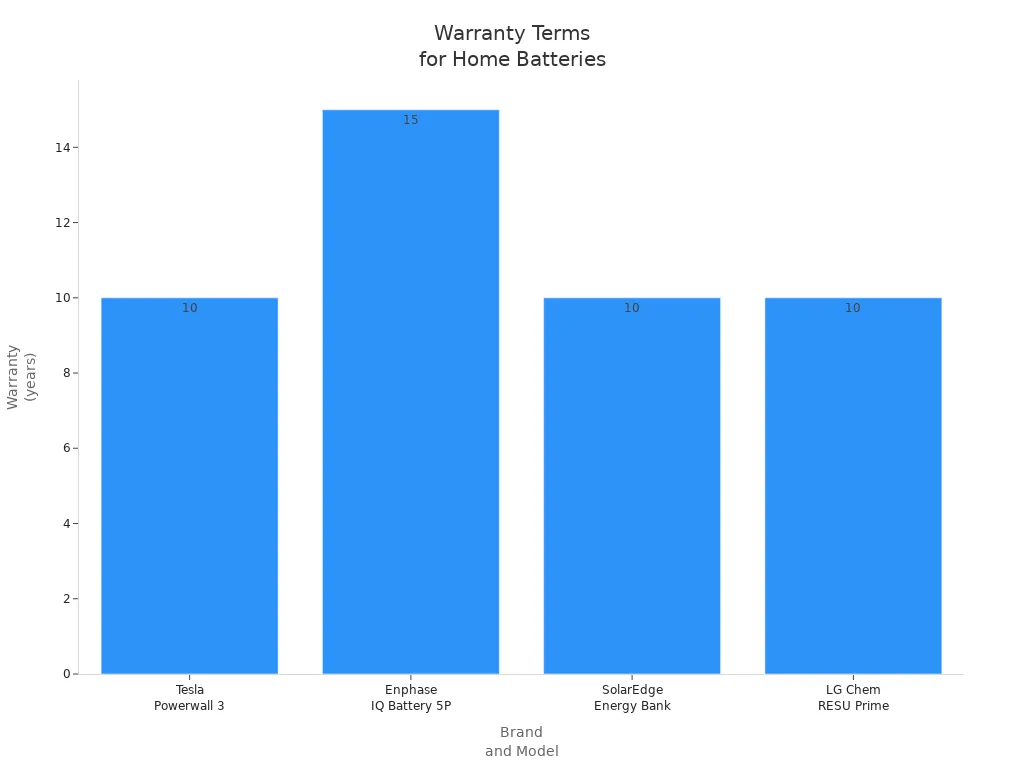
Pick a battery that lasts a long time and has a good warranty. Most top brands give warranties for 10 to 15 years. They promise the battery will still have at least 70% capacity after the warranty ends. The battery’s chemistry affects how long it lasts. Lithium Iron Phosphate batteries usually last longer than other types. Compare warranties before you buy.
Brand | Model | Warranty | Guaranteed Capacity | Chemistry |
|---|---|---|---|---|
Tesla | Powerwall 3 | 10 years | 70% | NMC |
Enphase | IQ Battery 5P | 15 years | 70% | LFP |
SolarEdge | Energy Bank | 10 years | 70% | LFP |
LG Chem | RESU Prime | 10 years | 70% | NMC |
Look at how much it costs to install a battery. Think about how much money you can save over time. Batteries cost more at first, but rebates and incentives can help. California gives up to $1,100 for each kWh of battery storage. Texas offers up to $9,000 in rebates for solar-plus-battery systems. Most batteries do not need much maintenance. You can earn back your money by saving on electric bills. Some programs pay you for using your battery.
State | Incentive Description |
|---|---|
California | Up to $1,100/kWh for battery storage and $3,100/kW for solar installations starting June 2, 2025. |
Texas | Up to $9,000 in upfront rebates for solar-plus-battery systems, with additional monthly bill credits available. |
New York | $200/kWh in upfront rebates for residential battery storage systems (up to 25 kWh). |
Tip: Check for local rebates and incentives. They can help lower your costs and make your investment better.
Make sure your battery works with your solar panels and inverter. Look at battery capacity and power rating. Depth of discharge shows how much energy you can use safely. Round-trip efficiency tells you how much energy you get back after charging. Check if your inverter matches your battery. Get a professional to install your system. Plan ahead so you can add more batteries later. Think about where to put your battery and how to keep it cool. Smart apps help you control your system. Smart EV charging lets you use energy when prices are low.
Battery capacity should fit your daily energy use.
Power rating decides how many devices you can run at once.
Depth of discharge shows safe energy use.
Round-trip efficiency tells you how much energy you get back.
Inverter compatibility is important for smooth operation.
Professional installation keeps your system safe.
Plan for future growth if you need more energy.
Smart app integration and EV charging help manage energy.
Note: Always ask a qualified installer for help. This keeps your system safe and avoids problems with compatibility.
You can pick from many home solar batteries. Some, like BEINENG Home ESS, are easy to use. They have smart features for simple control. Adding battery storage gives you more energy freedom. It also keeps your house safe during blackouts. You will pay less for electricity and help the Earth. Think about how much energy your home uses. Look at the best systems and compare them. Ask a solar expert for advice. This helps you choose the right battery and get special deals.
Most home solar batteries last 10 to 15 years. You can check the warranty for details. Lithium-ion batteries often last longer than lead-acid batteries.
Yes, you can add more batteries to many systems. This helps if your energy needs grow. Always check with your installer for compatibility.
Your solar battery gives backup power during outages. You can keep lights, fridges, and key devices running. Some systems let you choose which devices to power.
You do not need solar panels, but using both gives the best results. A battery stores energy from the grid or solar panels. Solar panels help you save more money.
You can use a mobile app or web portal. Many systems, like BEINENG Home ESS, offer real-time tracking. You can see energy use, battery level, and savings.


Compact, quiet, and powerful, it keeps your essentials running during outages and lets you charge anywhere with solar power or grid power.
Perfect for renters who need flexibility without compromise.
Our estimator is only set up to provide preliminary estimates and installer information to residents of single family homes.