
 Email Us
 Contact us
 Whats App
Single family home

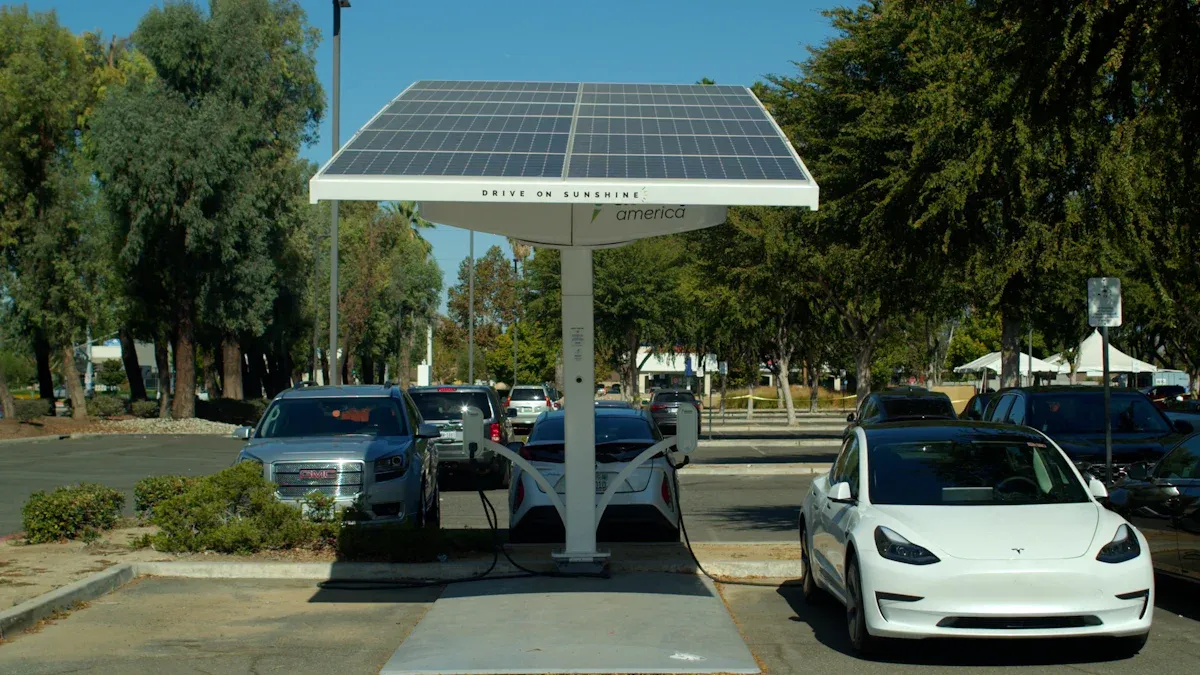
You want the Best Solar Batteries for your home in 2026. The Villara VillaGrid 11.5 is the best choice. It lets you use 97% of its power before recharging. It can return up to 99% of the energy you put in. Its lithium titanium-oxide chemistry makes it safer and faster to recharge. You get a 20-year warranty with it. It has the highest efficiency rating you can find. New systems like the BEINENG Home ESS help people use their own energy. These systems help fight high utility costs. Many people now pick advanced batteries to control their energy and save money.
Villara VillaGrid 11.5 is the best solar battery for 2026. It works very well and is safe to use. - FranklinWH aPower 2 is a good choice for homes that need lots of energy. You can add more batteries if you need them. - SolaX Power T-BAT H 20 gives you a lot of energy to use. It is great if you use a lot of energy every day. - PointGuard Energy BatteryPack-8.0 is best if you want to add more batteries later. It lets you grow your system in the future. - Tesla Powerwall is still a favorite because it costs less and has smart features.
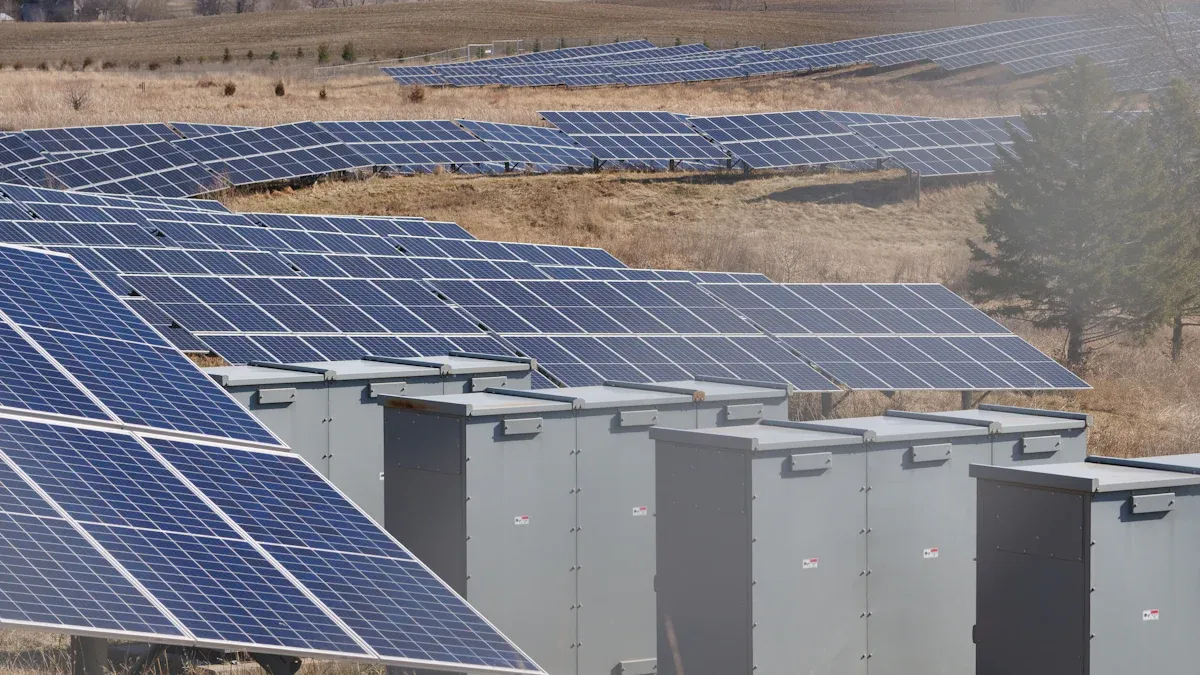
If you want great value and performance, this battery is for you. The Villara VillaGrid 11.5 is the top pick for 2026. It uses advanced lithium titanate chemistry. This means it charges quickly and is safer. The VillaGrid 11.5 comes with a 20-year warranty. It can return up to 99% of the energy you put in. You can use 97% of its power before recharging. This battery does not catch fire, so your home is safer.
Specification | Value |
|---|---|
Maximum Peak Power Rating | 30 kW |
Continuous Power Rating | 10 kW |
Usable Capacity | 5.75 or 11.5 kWh |
Depth of Discharge | 97% |
Roundtrip Efficiency | 98-99% |
Warranty | 20 years / 10,000 cycles |
Capacity Retention Guarantee | 70% after 20 years |
Battery Chemistry | Lithium Titanate (LTO) |
Flammability | Non-flammable |
Pros:
The 20-year warranty means you are covered for a long time
High roundtrip efficiency helps you save more energy
Non-flammable chemistry keeps your home safer
Deep discharge lets you use almost all the battery
Cons:
The price per kilowatt-hour is higher
You need to buy an inverter separately
Pick the VillaGrid 11.5 if you want a battery that is reliable and efficient. It lasts a long time and is very safe.
The FranklinWH aPower 2 is also one of the Best Solar Batteries for 2026. It has a big 15 kWh storage capacity. It gives a strong 10 kW continuous output. This battery uses lithium iron phosphate chemistry. That makes it safer and more reliable. You can connect up to 15 units for a total of 225 kWh. This is good for homes that use a lot of energy. The aPower 2 works with Virtual Power Plants. You can join grid services and maybe pay less for energy.
Feature | Details |
|---|---|
Capacity | 15 kWh |
Continuous Output Power | 10 kW |
Warranty | 15 years or 60 MWh throughput |
Scalability | Up to 225 kWh (15 units) per aGate |
Cooling System | Fan-less convection for silent operation |
Automatic Heating | Optimized for cold conditions |
Backwards Compatibility | Future-proof expansion |
LED Light Strip | State-of-charge indication |
VPP Compatibility | Yes |
Safety | Lithium Iron Phosphate (LFP) |
Pros:
High capacity is good for big homes
Safe and reliable battery chemistry
Runs quietly
Easy to add more units later
App makes it simple to control
Cons:
Costs more at first than some others
Warranty is not as long as VillaGrid
Choose the aPower 2 if you want a strong, safe, and easy-to-expand battery with smart features.
The SolaX Power T-BAT H 20 gives you a lot of usable energy. It offers up to 19.6 kWh, which is great for homes that use a lot each day. The T-BAT H 20 uses lithium iron phosphate cells. This makes it safe and long-lasting. You can stack more units for extra storage. It works well with SolaX hybrid inverters, so it fits many solar setups.
Key Specs:
Usable Capacity: 19.6 kWh
Battery Chemistry: Lithium Iron Phosphate (LFP)
Warranty: 10 years
Modular design for easy expansion
Pros:
Very high usable capacity
Safe and strong battery cells
Works with hybrid inverters
Can be expanded for bigger homes
Cons:
Warranty is shorter than some other batteries
May need a professional to install
Pick the T-BAT H 20 if you want a battery with lots of usable energy for your home.
If you want a battery that can grow with your needs, try the PointGuard Energy BatteryPack-8.0. It has a modular design. You can stack 7.8 kWh blocks and reach almost 390 kWh. The BatteryPack-8.0 uses LiFePO4 chemistry. This makes it safe and long-lasting. It has 97% efficiency and many safety certifications.
Feature | Description |
|---|---|
Modular Design | Stackable 7.8 kWh blocks |
Efficiency | 97% |
Scalability | Up to 390 kWh |
Ideal Use | New builds, modular growth |
Specification | Details |
|---|---|
Battery Type | LiFePO4 |
Total Energy Capacity | 8.06 kWh |
Usable Energy Capacity | 7.8 kWh |
Max. Charge/Discharge Power | 4350W |
Peak Charge/Discharge Power | 6525W (10 seconds) |
Warranty | 10 Years |
Pros:
Modular design lets you add more storage when needed
High efficiency saves energy
Has many safety certifications
App makes it easy to check your battery
Cons:
Needs freight shipping
Heavier than some other batteries
Pick the BatteryPack-8.0 if you want a battery that can grow as your energy needs change.
The Tesla Powerwall is still one of the Best Solar Batteries for 2026. It keeps your power on during outages, so you do not notice any breaks. The Powerwall costs $1,198 per kWh, which is affordable. Tesla makes the Powerwall in the U.S. This helps the environment and makes it easier to track its impact. Features like StormWatch charge the battery before bad weather. This keeps you ready for outages.
System | Capacity | Power Output | Warranty | Price Range |
|---|---|---|---|---|
Tesla Powerwall 3 | 13.5 kWh | 11.5 kW | 10 years | $10,500-15,000 |
Pros:
Good price per kWh
Reliable backup during outages
Smart features like StormWatch
Supports sustainability
Cons:
Warranty is shorter than some others
You may wait longer for installation
Total cost can be higher with installation
Pick the Powerwall if you want a popular, affordable, and feature-packed battery.
The BEINENG Home ESS is a new and smart choice for 2026. It is a 5-in-One Home Energy Solution. It combines solar power, energy storage, and EV charging in one system. The Home ESS can be made bigger or smaller to fit your needs. You can use it for solar plus storage, just storage, or as backup during outages. The myBeineng app helps you watch and control your energy easily.
Tip: The BEINENG Home ESS is easy to set up and helps you manage your energy.
Key Features:
All-in-one system: solar, storage, EV charging
Can be made bigger for different homes
Smart energy management with myBeineng app
Fast and safe to use
Works as backup and off-grid
Pick the BEINENG Home ESS if you want a smart, strong, and flexible energy system that fits your life.
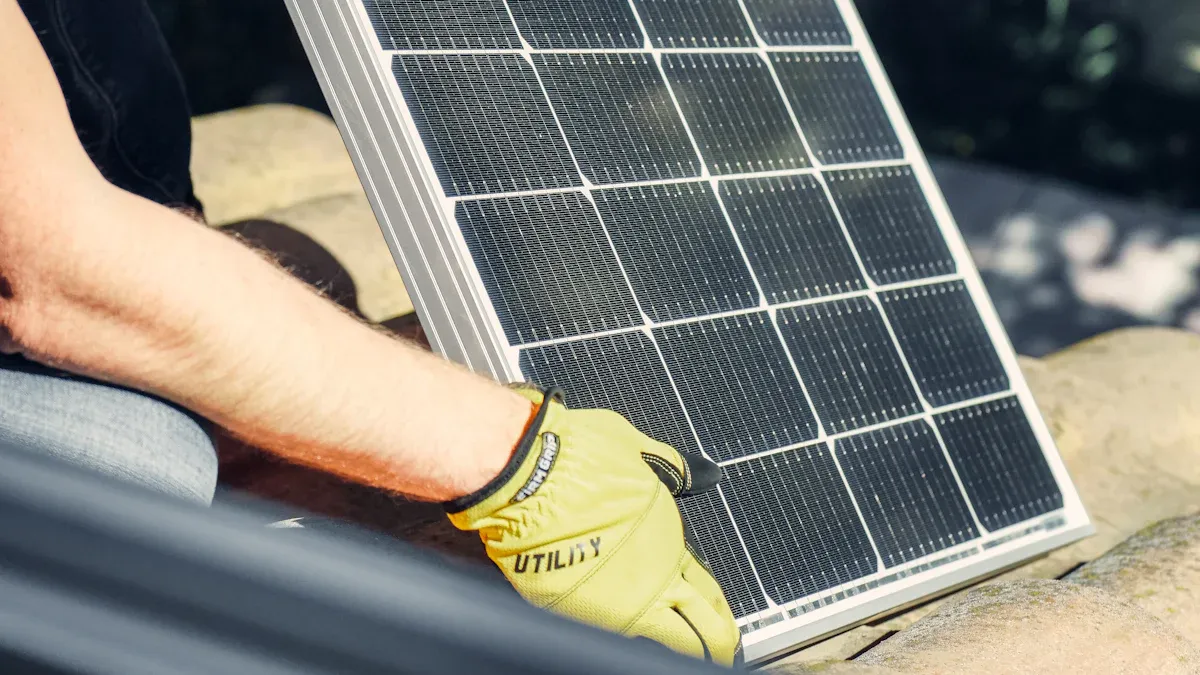
Solar batteries store energy from solar panels. Sunlight hits the panels and makes DC electricity. This electricity goes into the battery to charge it. Most home batteries use lithium-ion technology. Inside, lithium ions move between two sides. When charging, ions go from positive to negative. Electrons move through a circuit outside the battery. This stores energy for later use. When you need power, the battery sends out electricity. You can use this energy at night or if the power goes out. Some systems connect to the grid, which uses AC. An inverter changes DC to AC so your home can use it.
Solar batteries have many good points:
You use more of your own solar energy and buy less from the grid.
Smart systems help you pick when to use battery or grid power.
You get backup power during blackouts, so your lights and fridge stay on.
You avoid paying high prices for electricity during busy hours.
People in places with new rules, like NEM 3.0, get better value with storage.
You help the planet by using clean energy.
If you pick a battery with a strong warranty and good chemistry, you can feel safe for many years.
Solar batteries also have some problems:
They cost a lot at first, so most families spend a lot.
Batteries lose power over time and may need to be replaced after a few years.
Big batteries need space and can be heavy.
You need an expert to install the system, which costs more.
Some batteries use rare materials, which can change prices or cause delays.
The money you save can be hard to guess, especially if you sell extra energy back to the grid.
Think about these good and bad points when you look for the Best Solar Batteries for your home.
When you pick a solar battery, you want to make sure it fits your home and your goals. Here are some important things to look at:
Check your household’s energy use. This helps you know how big your battery should be.
Look at the battery’s capacity. This tells you how much energy it can store for your use.
Think about the cost and how long the battery will last. A longer lifespan often means better value.
Make sure the battery works with your current solar system. Some batteries need special inverters or setups.
Ask a solar expert or installer for advice. They can help you find the right fit for your needs and budget.
Tip: A battery that matches your energy habits will save you more money over time.
You can find the Best Solar Batteries by matching features to your daily life. Follow these steps:
Look at your electricity bills to see how much energy you use each day.
Notice if your energy use changes with the seasons.
Find out when your home uses the most power, like during the evening.
Plan for days with little sunlight. Try to get a battery that can last at least three days.
Think about future needs, such as charging an electric car.
Use online tools to help you estimate your energy needs.
Many people make mistakes when choosing a solar battery. You can avoid these common problems:
Forgetting about future upgrades. Pick a battery that lets you add more storage later.
Ignoring system efficiency losses. Multiply your daily energy use by 1.5 to size your battery right.
Not checking if all parts work together. Use a checklist to make sure your battery, inverter, and solar panels are compatible.
Note: Careful planning now will help you get the most from your solar battery for years to come.
You might wonder how much a solar battery costs in 2026. Prices have dropped in recent years. Experts say you can expect to pay between $550 and $850 for each usable kilowatt-hour (kWh) installed by late 2026. This means a typical 10 kWh home battery system could cost between $8,000 and $11,000 before any incentives. After rebates or tax credits, most people pay between $10,000 and $20,000 for a full system. If you look at a 5 kW system, the average price is about $14,000, or $2.80 per watt. These lower prices make solar batteries more affordable for many families.
Many things can change the value you get from a solar battery. You should know what makes a battery a good deal:
Battery pricing and project costs matter most. Lower hardware prices help, but other costs add up.
Soft costs, like engineering and project management, can raise the total price.
The average lithium-ion battery pack price dropped to about $108 per kWh in 2025. For stationary storage, the price fell to $70 per kWh.
The median installed battery backup system costs about $1,037 per kWh of storage.
Tip: You can get more value by choosing a battery that matches your energy needs and by using local incentives.
Solar batteries can help you save money over time. If you invest in solar panels and a battery, you could save about $61,000 over 25 years. You also get a strong return on your investment. You use more of your own power and buy less from the grid. This helps you become more energy independent. Over the years, your savings can grow as electricity prices rise.
Note: Solar batteries not only save you money but also give you peace of mind during outages.
There are many solar batteries with special features and good performance. Some models help fix big problems in solar energy systems. Here are some honorable mentions you should know:
Some batteries have smart monitoring tools. These tools measure diffuse horizontal irradiance (DHI) very well. You get better data to adjust solar trackers. This helps you collect more energy from the sun.
A rotating shadow band gives you accurate readings for less money. You do not need a full sun tracker, so you save money. You still meet bankability standards for your project.
Many systems now combine several battery and solar inputs. You get one strong output for AC conversion. This design is good for big battery storage, solar plus storage, microgrids, and data centers.
You can use fewer inverters and make installation simpler. These batteries make things safer and more reliable. They also lower total project costs and need less equipment and labor.
UL 1741-certified batteries made in Tennessee are now popular in Europe, the Middle East, and the U.S. You can trust their quality and how well they work.
Tip: If you want your solar setup to work better, look for batteries with smart monitoring and aggregation features.
New battery technologies will soon change the solar market. These new ideas promise better safety, lower costs, and higher efficiency. Here is a quick look at what is coming:
Technology | Description | Expected Impact Timeline |
|---|---|---|
Lithium-Ion Batteries | Big companies work to make them last longer and work better. | 2027-2030 |
Solid-State Batteries | New factories in India will make more of these batteries. | 2025-2030 |
Sodium-Ion Batteries | These cost less and handle heat well. | 2025 |
Water-Based Batteries | Safer and last longer, with over 10,000 charge cycles in tests. | 2025 |
AI-Optimized Battery Management | Smart computer programs help batteries work better and earn more money. | 2023 |
Virtual Power Plants (VPPs) | Connects home batteries to the grid for extra money and stability. | 2025-2026 |
Bifacial Solar Panels | Collects sunlight from both sides for more energy. | 2025 |
Perovskite Solar Cells | Gives higher efficiency and lower costs than silicon cells. | 2024 |
Note: If you want to be ready for the future, watch for these new technologies. They can help you get more value and dependability from your solar battery system.
You can pick from many good solar batteries in 2026. The Villara VillaGrid 11.5 is a top choice. It works very well and has a long warranty. Its LTO chemistry helps it last longer and stay safe. The BEINENG Home ESS is smart and does many things in one system. It helps you use your own energy and be independent.
Feature | VillaGrid 11.5 Details |
|---|---|
Capacity | 11.5 kWh |
Roundtrip Efficiency | 98.5% |
Warranty | 20 years |
Chemistry | LTO |
Depth of Discharge | 97% |
Pick a battery that fits your needs and what you can spend. Watch for new ideas like solid-state batteries and AI tools. If you want help, ask experts at SEIA, IRENA, or NREL for advice.
Most solar batteries last 10 to 20 years. You can check the warranty for details. Good care helps your battery last longer.
You do not need to do much. Keep the area clean and dry. Check the app for updates. Ask your installer for a yearly check.
Yes, you can add a battery to most systems. You may need a new inverter or extra parts. Ask a solar expert for help.
You can save money with federal tax credits and local rebates. Check the latest programs in your area before you buy.


Compact, quiet, and powerful, it keeps your essentials running during outages and lets you charge anywhere with solar power or grid power.
Perfect for renters who need flexibility without compromise.
Our estimator is only set up to provide preliminary estimates and installer information to residents of single family homes.