
 Email Us
 Contact us
 Whats App
Single family home

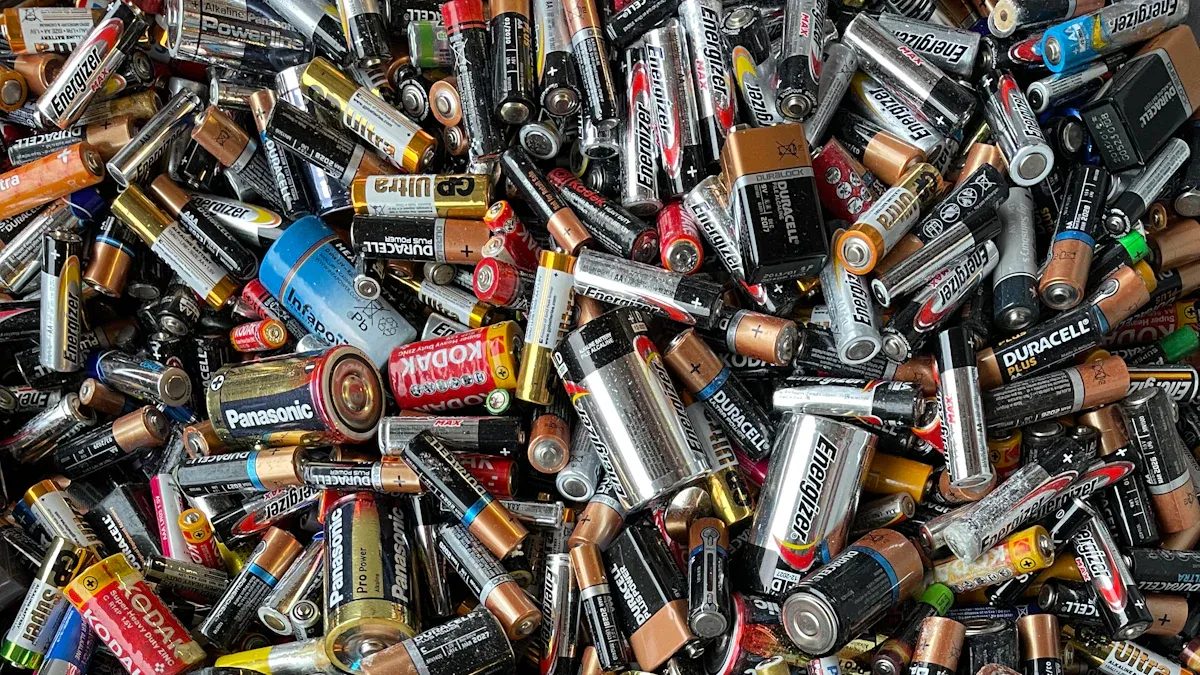
If you want your lights to stay on during a power outage, Solar Batteries for Homes help you store energy. You can spend less money, keep your home safe, and help the planet. Many families save a lot and feel more secure with these systems. There are different battery types, from regular ones to portable choices like the BEINENG BN PowerPack. Choosing the best battery is important because every home and family is different.
Solar batteries give backup power when the power goes out. This helps your home work when the grid stops.
Picking the right battery is important. You can pick lithium-ion for better use. Lead-acid is good if you want to save money. Portable batteries are easy to move and use.
You can use incentives and tax credits to pay less at first. This makes solar batteries cheaper and helps you save more money.
It is important to install the battery the right way. Make sure it is safe and follows local rules. This helps you avoid problems and get the best use.
Most new batteries do not need much care. But knowing what your battery needs can help it last longer and work better.
You might wonder how Solar Batteries for Homes actually work. The process is simple once you break it down:
Your solar panels collect sunlight and turn it into DC electricity.
This electricity goes straight into your battery for storage.
When your home needs power, an inverter changes the stored DC electricity into AC electricity, which your appliances use.
During sunny days, your solar panels often make more energy than you need. Instead of sending this extra power back to the grid, your battery stores it. Later, when the sun goes down or clouds roll in, you can use this stored energy. This means you always have power, even if the grid goes down.
Tip: Solar battery banks help you save energy for times when your panels are not making electricity, like at night or during storms.
Solar Batteries for Homes offer more than just backup power. Here are some reasons why you might want one:
You get a reliable backup during power outages. Your lights and fridge keep running, even if the grid fails.
You can store energy from the grid during cheaper, off-peak hours and use it when rates go up. This helps you manage your energy costs.
You gain more control over your energy use. You decide when to use stored power and when to rely on the grid.
You enjoy true energy independence. You do not have to worry about blackouts or rising electricity prices.
You support a greener lifestyle. Using stored solar energy means you use less fossil fuel power.
With Solar Batteries for Homes, you can keep your daily routine, even if the weather or the grid is not on your side. These systems help you save money, stay comfortable, and protect your home.
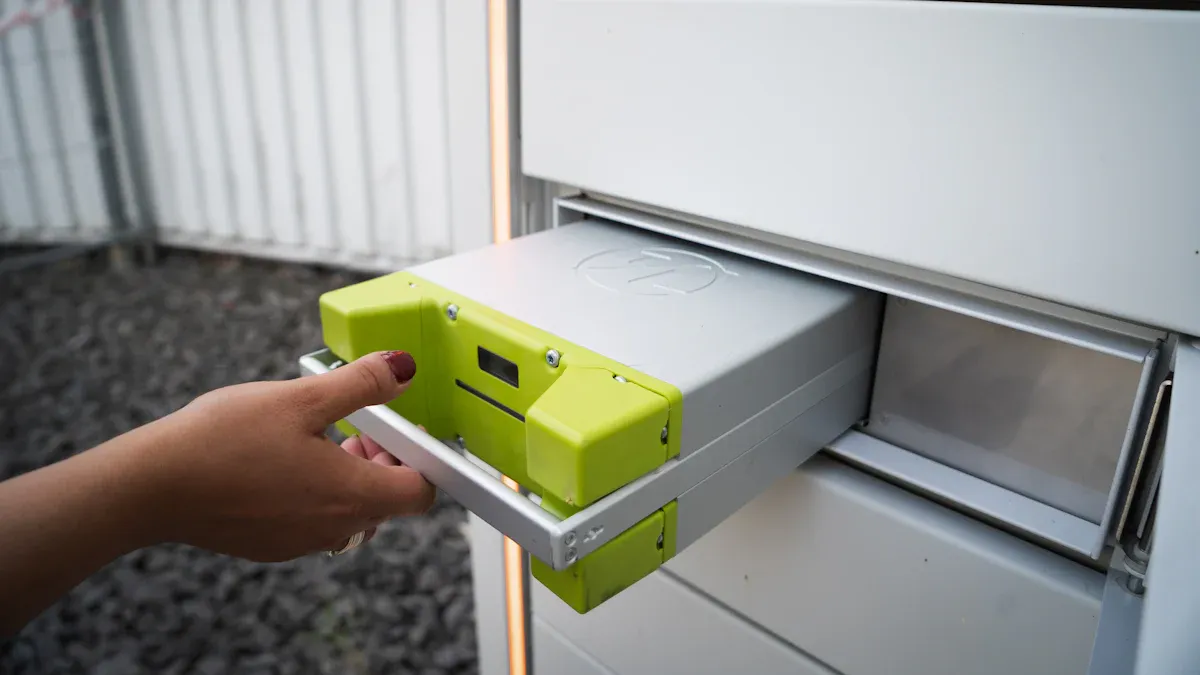
When you look at Solar Batteries for Homes, you will see many types. Each type works in its own way and fits different needs. Let’s look at the main choices so you can pick what works for you.
Lithium-ion batteries are the most common for Solar Batteries for Homes. Many homes use them because they hold a lot of energy in a small size. These batteries charge fast and last a long time, about 10 to 15 years. You do not have to do much to take care of them. They work for both big and small solar systems.
Note: Lithium-ion batteries are safe and work well. You can trust them for backup power.
Lithium Iron Phosphate, or LFP, is a special kind of lithium battery. LFP gives you extra safety because it does not get too hot. These batteries will not catch fire or explode, even if they get very hot. You do not need to do regular checks. LFP batteries last a long time and are good for homes where safety is important.
Feature | LiFePO4 (LFP) | Lead-Acid |
|---|---|---|
Thermal Stability | Up to 270°C | N/A |
Combustibility | Less prone to fire | N/A |
Maintenance | Maintenance-free | Needs regular care |
Lead-acid batteries are the oldest kind you can find. They cost less than other types, so you might use them for a small solar setup or a DIY project. These batteries are heavy and need more space. You have to check them often and keep them clean. They last about 3 to 7 years, which is not as long as lithium batteries.
Tip: Lead-acid batteries are good if you want to save money and do not mind extra work.
Flow batteries use a liquid to store energy. They can last a long time, sometimes over 20 years. These batteries are safe and you can use all the stored energy without hurting them. Flow batteries need more space and cost more at first. You might pick them if you want a system that lasts a long time and you have room for bigger equipment.
Advantages | Disadvantages |
|---|---|
Higher initial cost | |
High cycle life | Needs more space |
Safe and eco-friendly | Regular maintenance needed |
Can fully discharge safely | Lower energy density |
Saltwater batteries use a saltwater mix instead of chemicals like lead or lithium. These batteries are safe and good for the environment. They do not catch fire and do not use harmful materials. You might see them in places like schools or hospitals where safety is very important. They are easy to recycle when you are done with them.
Sometimes you need power that you can take with you. Portable solutions like the BEINENG BN PowerPack give you that choice. This system is small and easy to move. You can use it at home during a power outage or take it on a trip. The BN PowerPack uses LFP, so it is safe and lasts a long time. It charges from solar panels or the grid, so it works in many ways.
Feature | BN PowerPack Details |
|---|---|
Power Output | |
Energy Capacity | 5.1 kWh |
Battery Chemistry | LiFePO4 (LFP) |
Lifespan | 3,500+ cycles |
Weight | 140 lbs (63.5 kg) |
Charging Options | Solar or grid |
Tip: Portable batteries are great for renters, travelers, or anyone who wants backup power without a big setup.
You might want to know how these batteries compare. Here is a quick look at the main features:
Battery Type | Efficiency | Lifespan | Maintenance | Best Use Case |
|---|---|---|---|---|
Lithium-ion | Minimal | Most homes, high performance | ||
LFP (LiFePO4) | 90–95% | 10–15 years | Maintenance-free | Homes needing extra safety |
Lead-acid | 50–85% | 3–7 years | Regular | Small systems, budget setups |
Flow | 70–80% | 20+ years | Regular | Large homes, long-term investment |
Saltwater | 80–90% | 5–10 years | Minimal | Eco-friendly, safe environments |
Portable (BN PowerPack) | 90–95% | 10+ years | Minimal | Renters, travelers, flexible backup |
Lithium-ion and LFP batteries give you great performance, safety, and last a long time.
Lead-acid is good if you want to save money and do not mind more work.
Flow batteries last the longest but need more space and cost more at first.
Saltwater batteries are the safest and best for the planet, but not as common yet.
Portable solutions like the BN PowerPack let you take power anywhere. You do not need to install them, so they are good for renters or people who move a lot.
If you want Solar Batteries for Homes that fit your life, think about your space, your budget, and if you need to move your battery. There is a battery for every need.
When you start looking at battery prices, you might feel overwhelmed. The cost depends on the battery type and how much energy you want to store. Most homeowners choose lithium-based batteries because they last longer and work well. Here’s a quick look at the price per kilowatt-hour for popular options:
Battery Type | Price per kWh (USD) |
|---|---|
LiFePO₄ (LFP) | $960 – $1,650 |
NMC Battery | $1,100 – $2,060 |
The Tesla Powerwall 3 stands out with a price of $983 per kilowatt-hour. It offers a 13.5 kWh capacity and high efficiency. If you want a battery that gives you good value, this one is a top pick.
You need to think about installation costs when planning your system. These costs can change a lot depending on where you live and which battery you choose.
Some states, like Mississippi, have higher installation costs. Hawaii has some of the lowest.
Local incentives can help you save money. For example, California’s Self-Generation Incentive Program can cut your costs by half or more.
Equipment costs make up about 50-60% of the total installation price. The rest goes to labor and permits.
If you want to keep costs down, look for local rebates and choose a battery that fits your budget.
You want your battery to last as long as possible. Most lithium-ion and LFP batteries need very little care. You just check them once in a while. Lead-acid and flow batteries need more attention. You might need to clean terminals or check fluid levels.
Batteries do not last forever. Lithium-ion and LFP batteries can last 10-15 years. Lead-acid batteries last 3-7 years. Flow batteries can go for 20 years or more. When your battery reaches the end of its life, you will need to replace it. Plan for this cost so you do not get surprised.
Tip: Portable batteries like the BN PowerPack need almost no maintenance. You just charge them and use them when you need power.
You can save a lot of money with incentives and tax credits. These programs help you lower your upfront costs and make solar batteries more affordable.
Incentive Type | Description | Percentage/Limit |
|---|---|---|
Recoup costs for solar installations as an income tax credit until 2032. | 30% | |
SC Solar Energy Tax Credit | State tax rebate for solar installation costs. | 25% (up to $3,500) |
Net Metering | Earn bill credits for excess solar electricity generated. | N/A |
Local Utility Rebates | Additional incentives from local utility companies. | N/A |
The federal solar tax credit lets you claim 30% of your installation costs until 2032.
South Carolina offers a 25% rebate, up to $3,500.
Net metering gives you credits for extra solar power you send to the grid.
Local utility rebates can help you save even more.
If you use these programs, you can cut your costs and make your investment pay off faster.
You probably want to know how long it takes to get your money back. The payback period depends on your system size, costs, and how much you save each year.
Scenario | With 30% Tax Credit | Without 30% Tax Credit |
|---|---|---|
System Size | 8 kW | 8 kW |
Total Cost | $23,840 | $23,840 |
Net Cost | $16,688 | $23,840 |
Annual Savings | $1,922 | $1,922 |
Payback Period | 8.7 years | 12.4 years |
If you use the federal tax credit, you can pay off your system in about 8.7 years. Without it, you might wait over 12 years. Battery storage can make the payback period longer, but you get peace of mind and backup power.
Note: Incentives and tax credits make a big difference. They help you save money and shorten the time it takes to see a return on your investment.
Solar Batteries for Homes can help you save money, protect your home, and gain energy independence. If you use incentives and choose the right battery, you can make your investment work for you.
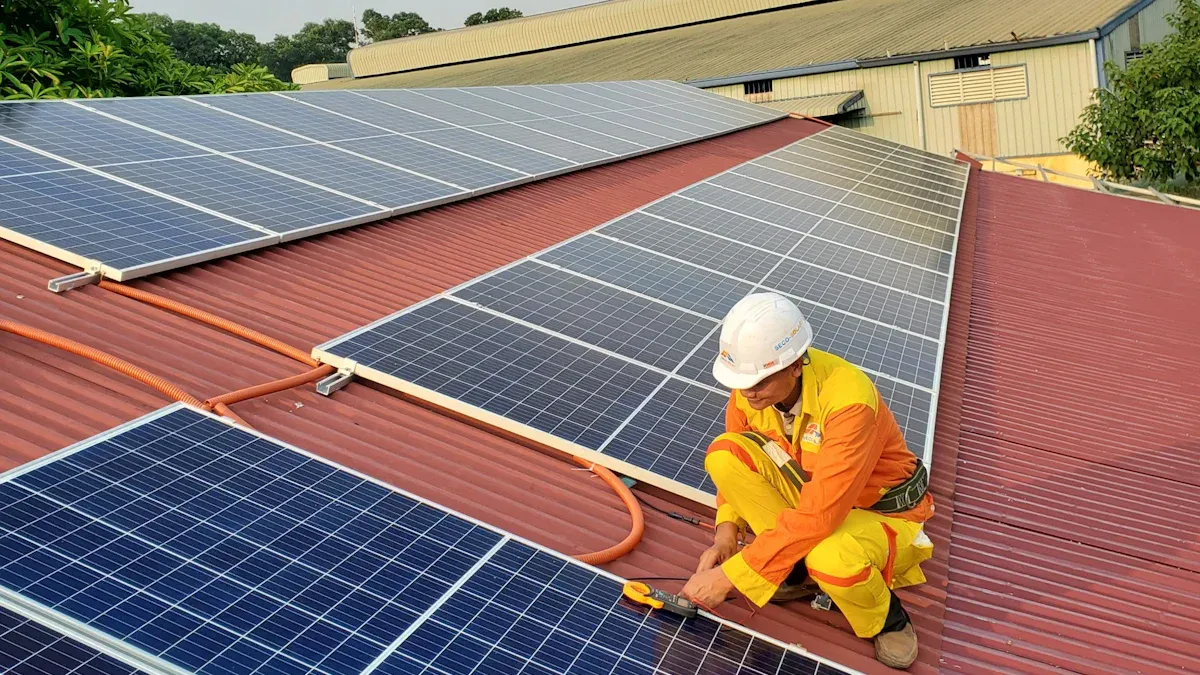
You want your solar battery to be safe and work well. Picking a good spot is important. Most batteries need to be 3 feet away from windows, doors, or vents. This helps keep dangerous gases out of your house. You can put batteries inside or outside. Check the battery’s IP rating and think about your local weather. Heavy batteries need strong support. Ask a structural engineer if your floor or wall is strong enough. Good airflow keeps the battery cool and safe. Many people put batteries in a garage, closet, or on an outside wall. If you put it inside, use walls and ceilings with ⅝ inch gypsum board to help stop fires.
Requirement | Details |
|---|---|
Minimum clearance from openings | At least 3 feet from windows, doors, or air vents |
Indoor vs. Outdoor Installation | Depends on IP rating and environment |
Weight considerations | Check with a structural engineer |
Ventilation | Well-ventilated, away from living spaces and flammable materials |
Fire safety | Follow NFPA 855 guidelines |
Recommended locations | Garage, exterior wall, utility closet, storage space |
Fire resistance | ⅝ inch gypsum board for indoor installations |
Before you add a battery, check if your solar system can use it. Look at your inverter type and how much it can handle. If you have a “storage-ready” inverter, adding a battery is easy. Older systems might need upgrades. Ask a professional to check your electrical panel and help you choose the right battery. Here’s a simple way to check if things work together: Look at your panel and inverter limits. Think about how much energy you might need later. Pick parts that match in voltage, current, and wattage.
Safety is very important. Use boxes that keep out dust and water, like IP65-rated enclosures. Keep wires short so you do not lose power. Make sure there is airflow and good cooling so your battery lasts longer. You must follow the National Electrical Code rules, like Article 690 for solar and Article 706 for batteries. You also need to meet standards like UL 3741 and IEC 61730. Always check local codes, get permits, and have inspections before you turn on your system.
Tip: Planning well and following safety rules helps you avoid problems and keeps your home safe.
You might think about installing the battery yourself or hiring a pro. Doing it yourself can save you 10–20% on labor. But working with electricity and heavy things can be dangerous. Professionals know the rules and make sure everything works right. You get better support and things are more reliable. If you want to feel safe, hiring a trained team is the best choice.
Factor | DIY Installation | Professional Installation |
|---|---|---|
Cost Savings | Higher upfront, reliable ROI | |
Safety & Risk | High | Low with trained crew |
Reliability | Depends on your skill | High consistency & support |
Note: If you are not sure, talk to a solar installer. They can help you avoid mistakes and keep your system safe.
Getting the right size battery for your home matters. You want enough stored energy to cover your needs, but not so much that you waste money. Start by looking at your past energy bills. Check how much electricity you use each day and spot your peak usage times. Use this formula to help:
Battery storage capacity = (Total Daily Energy Consumption) / (Depth of Discharge × Days of Autonomy).
Depth of discharge (DoD) tells you how much of the battery you can use without hurting its life. If you want backup for two days, multiply your daily use by two, then divide by the DoD. This way, you get a battery that fits your lifestyle and keeps your home running during outages.
Tip: If you rent or move often, a portable battery like the BEINENG BN PowerPack gives you flexibility. You can take it with you and use it anywhere.
Picking a solar battery is not just about size. You should look at a few key things:
Capacity: How much energy the battery can store.
Lifespan: How many years or cycles the battery will last.
Peak Power Output: The most power the battery can deliver at once.
Efficiency: How much stored energy you actually get to use.
Working Temperature: The range where the battery works best.
Here’s a quick table to help you compare:
Factor | What It Means |
|---|---|
Capacity & Power | How much energy you can store and use at one time |
Depth of Discharge | How much of the battery you can use safely |
Efficiency | How much energy you get back after charging and using |
Lifespan & Warranty | How long the battery lasts and what the warranty covers |
You want your solar battery to work well and last. Watch out for these common mistakes:
Picking the wrong installer. Choose someone who understands your needs.
Buying a battery that is too big. Oversized batteries waste money and space.
Thinking solar panels work during blackouts. You need a battery system for backup.
Ignoring system looks. Make sure your setup fits your home and style.
Forgetting about maintenance. Even low-maintenance batteries need a check now and then.
Note: Portable solutions like the BEINENG BN PowerPack are perfect if you want backup power without a big installation. They work well for renters, travelers, or anyone who needs energy on the go.
You can pick from many solar batteries for your home. Think about how much energy you use. Look at your budget. Decide if you want a portable battery like the BEINENG BN PowerPack. Here are some important things to keep in mind:
Check how much energy the battery can store. Look at how well it works and how long the warranty lasts.
Pick a battery that fits your home and is the right size.
Make a plan for putting it in and for upgrades later.
Ask local experts for advice and compare choices.
Want to begin?
Set up a visit to check your home.
Ask for a tour of your system after it is installed.
Most solar batteries last 10 to 15 years. Some, like flow batteries, can last over 20 years. You should check the warranty for details. Regular care helps your battery last longer.
Yes, you can. You can charge your battery from the grid. This works well for backup power during outages. Portable options like the BEINENG BN PowerPack make this even easier.
You need to look at your daily energy use. Most homes use a battery between 5 and 15 kWh. If you want backup for longer, choose a bigger battery. Ask a pro for help if you are not sure.
Absolutely! Portable batteries like the BEINENG BN PowerPack work great for renters. You can move them easily. You do not need to install anything. Just charge and use them when you need power.
Most modern batteries need very little care. You just check them sometimes and keep them clean. Lead-acid batteries need more attention. Portable batteries are usually the easiest to maintain.


Compact, quiet, and powerful, it keeps your essentials running during outages and lets you charge anywhere with solar power or grid power.
Perfect for renters who need flexibility without compromise.
Our estimator is only set up to provide preliminary estimates and installer information to residents of single family homes.